





 Portuguese
  English
  Spanish
  4 min of reading
  0 comments



Prices of Tomatoes, Eggs and Beans Soar in Brazil and Pressure the Agriculture Sector and Raise Concerns for Consumers.
Tomatoes, Eggs and Beans Soar and Pressure Consumer Spending
The prices of basic food items have risen sharply in Brazil. In the second week of October, tomatoes, eggs and beans are recording significant increases on the shelves, surprising consumers and reigniting discussions in the national agriculture sector.
The price surge is occurring in a context of changes in the domestic market and international influences, particularly in trade between the United States and China.
The increase began to intensify shortly after September, a month when food helped to contain inflation. Now, the trend is reversed: the tomato, which cost between R$ 3 and R$ 4 per kilogram last week, has already surpassed R$ 10.
-
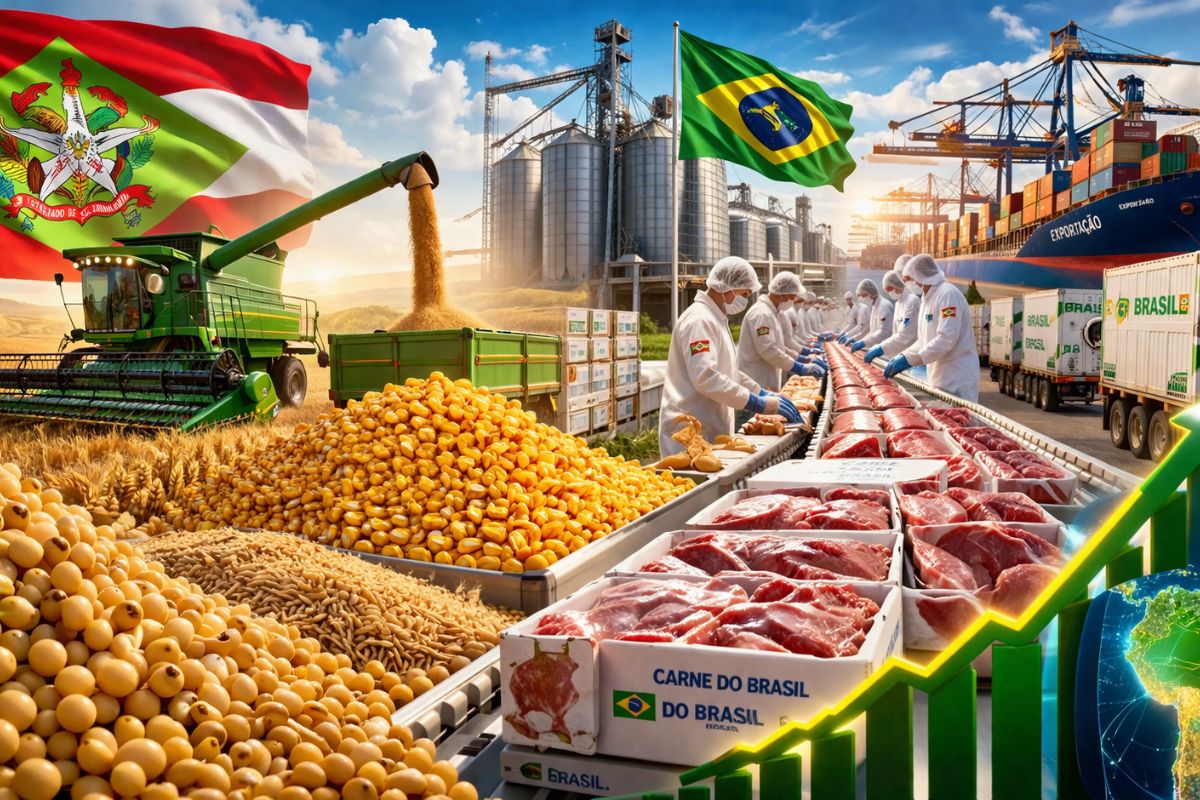
Santa Catarina harvested 7.85 million tons of grains and exported 2 million tons of meat in 2025: a growth of almost 6% in the food industry, which is four times higher than the national average and drives the entire Brazil.
-
The expansion of greenhouses in southern Canada has become so intense that it has changed the appearance of the soil and even the nighttime glow of the region, transforming Ontario into one of the most visible agricultural hubs in North America from space.

-
Almost nobody imagines it, but farmers in Tunisia grow food in the sand and make the roots drink fresh water that floats on top of seawater in an agricultural system considered unique in the world.

-
More than 20,000 km² of wheat fields form nearly perfect lines and geometric shapes in Montana, creating an agricultural pattern so symmetrical that the landscape looks like an abstract artwork visible from space.


The first-quality carioca beans have also broken the R$ 10 barrier, while the simpler version, which cost R$ 5, is now around R$ 7. Eggs have seen an increase of about 10% and are expected to continue rising in the coming weeks.
Basic Foods Experience Sudden Price Turnaround
Until September, products such as tomatoes, potatoes, onions, rice, beans, and eggs helped ease family budgets. However, a sudden turnaround caused the scenario to change rapidly.
Supermarkets are recording daily price increases on fruits, vegetables, and grains, putting pressure on the population’s purchasing power. Experts state that high demand and fluctuations in agricultural supply explain part of this increase.
Additionally, beef, which had been showing some stability, started October with a slight increase. The trend is to maintain stable prices until the end of the year, following the movement of other food items.
Impacts on Agriculture and International Scenario
While consumers feel the pinch, the Brazilian agriculture sector is also closely monitoring international developments. A new tariff confrontation between the United States and China could directly benefit Brazilian soybeans.
Donald Trump threatens to impose 100% tariffs on Chinese products starting November 1. In response, Xi Jinping announced special tariffs for American ships at Chinese ports.
As a consequence, soybean stocks in the U.S. are filled and without a destination, creating an opportunity for Brazil to expand its presence in the Chinese market.
Last week, the price of Brazilian soybeans saw a slight increase, driven by the appreciation of the dollar.
The federal government hopes to advance in trade negotiations after President Lula requested Trump to reduce the tariff from 50% to 10%, returning to levels prior to the trade tensions.
Domestic Consumption and Year-End Celebrations Pressure Prices
While the external market heats up, the domestic reality shows that internal consumption is expected to increase with the approach of year-end celebrations. This behavior elevates the demand for food and tends to keep prices on the rise.
In the case of beef, the sector is already projecting gradual adjustments until December. For agricultural products such as tomatoes, eggs, and beans, the expectation is for moderate but consistent increases, especially in urban centers.
According to economists, the lower supply and higher logistical costs reinforce this movement. Thus, even products considered basic are becoming heavier on family budgets.
Agriculture: Government and Producers Seek Alternatives
In light of the pressure, the government is closely monitoring the price surge and discussing measures to balance the food supply in the country.
The expectation is that the harvest of some crops will mitigate part of the price increases in the coming months, even though the immediate impact is already being felt.
Meanwhile, Brazilian agriculture producers are trying to take advantage of opportunities in the external market, especially with soybeans, while facing challenges of internal costs and climatic instability.
Consumers Should Prepare for More Expensive Weeks
The trend for the coming weeks is clear: the prices of tomatoes, eggs, beans, and beef are expected to remain under pressure. For many experts, the turn of October marks the beginning of a period of greater attention to food spending.
The combination of a troubled international scenario, heated seasonal demand, and challenges in agricultural production creates an environment of uncertainty for both consumers and the productive sector.
Meanwhile, Brazilians are once again feeling, in practice, the impact of the agriculture sector and global dynamics directly in their shopping carts.









-

Uma pessoa reagiu a isso.