





 English
  Francês
  Alemão
  Italiano
  Japonês
  Norueguês
  Portuguese
  Spanish
  3 min of reading


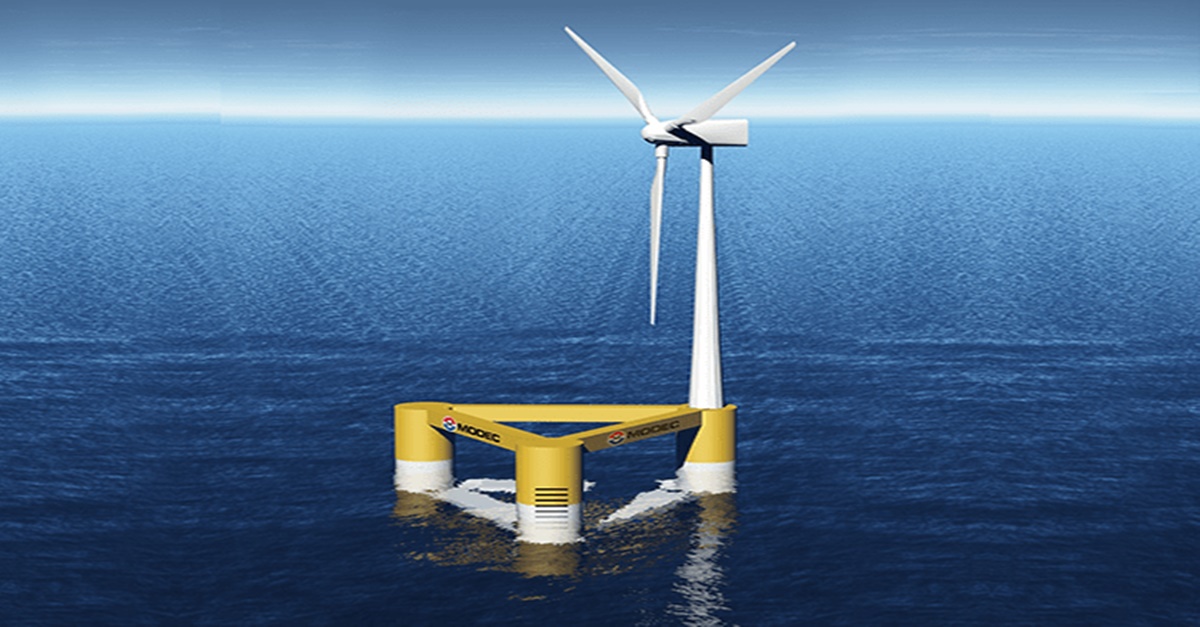
Japanese Multinationals Modec, Toyo, and Furukawa Launch R&D Project to Reduce Costs of Floating Offshore Wind Energy
A consortium formed by the Japanese companies MODEC, Toyo Construction, and Furukawa Electric signed an agreement with the New Energy and Industrial Technology Development Organization (NEDO) to conduct research and development aimed at reducing the overall costs associated with floating offshore wind turbines. Atlântico Sul Shipyard (EAS) in Pernambuco Receives First of Three Vessels for Repair Works, Creating Jobs in the Region
Read Also
- Coca Cola, the Largest Multinational Producer of Non-Alcoholic Beverages, Is Hiring for Over 200 Job Openings in Rio de Janeiro
- Actemium Multinational in Macaé Initiated Onshore Recruitment and Selection for Crane Operator Positions on November 2
- Macaé Has Job Openings Available Through Oil and Gas Contractor Engeman for Offshore Boilermaker Positions
- FPSO P-71 Platform Ordered by Petrobras Will Generate Many Jobs at Jurong Shipyard in Espírito Santo
- Jobs for Construction and Maintenance: Helpers, Bricklayers, Technicians, Electricians, Plumbers, Engineers, and Many More Professionals Called for Sartori Projects
Offshore wind turbines, which are being widely introduced primarily in Europe towards a decarbonized society, will be transferred from coastal facilities to windier offshore areas to achieve greater energy efficiency; therefore, in addition to fixed bed types, floating offshore wind turbines are also receiving attention.
The initiative aims to reduce the overall cost of Floating Offshore Wind Turbines by adopting the Tension Leg Platform (TLP) instead of the catenary mooring system currently being demonstrated in Japan and abroad.
-
Rio Grande do Sul accelerates energy transition: State invests in renewable technologies and consolidates decarbonization strategies and pathways to attract billions in new industrial investments.

-
With 160,000 m² of collectors, an area larger than 20 football fields, Silkeborg, in Denmark, hosts a solar thermal plant that heats 19,500 homes and could become the largest solar heating plant in the world.

-
A study reveals the expansion of renewable energy procurement in Brazil and shows how companies are taking advantage of opportunities to reduce expenses, ensure energy efficiency, and strengthen strategic environmental commitments.

-
Mato Grosso do Sul excels in the sugar-energy sector: the state reaches a milestone of 22 operating mills and accelerates the production of clean energy in MS with a focus on sustainability.


The three companies will develop a next-generation, low-cost platform and mooring system with the structural reliability necessary for a float to be mounted with a large-capacity wind turbine of over 10 MW.
Minimizing Impacts
Additionally, compared to catenary mooring, the area occupied by mooring cables at sea can be significantly reduced, thereby minimizing the negative impact on fishing and shipping operations, and excellent social acceptance can be achieved.
The R&D, which will be conducted until March 2022, will have Modec responsible for the TLP, including the mooring system, while Toyo will be responsible for the mooring foundation design and offshore construction. Furukawa will work on the underwater power transmission system.
“Offshore wind turbines, which are being widely introduced primarily in Europe towards a decarbonized society, will be transferred from coastal facilities to windier offshore areas to achieve greater energy efficiency,” said Modec.
“Therefore, in addition to fixed bed types, floating offshore wind turbines are also receiving attention.”
Modec revealed on Friday (30/11) that the proposal for R&D from the trio was officially adopted by the New Energy and Industrial Technology Development Organization (NEDO) of Japan.








Seja o primeiro a reagir!