





 Portuguese
  English
  Spanish
  4 min of reading
  4 comments


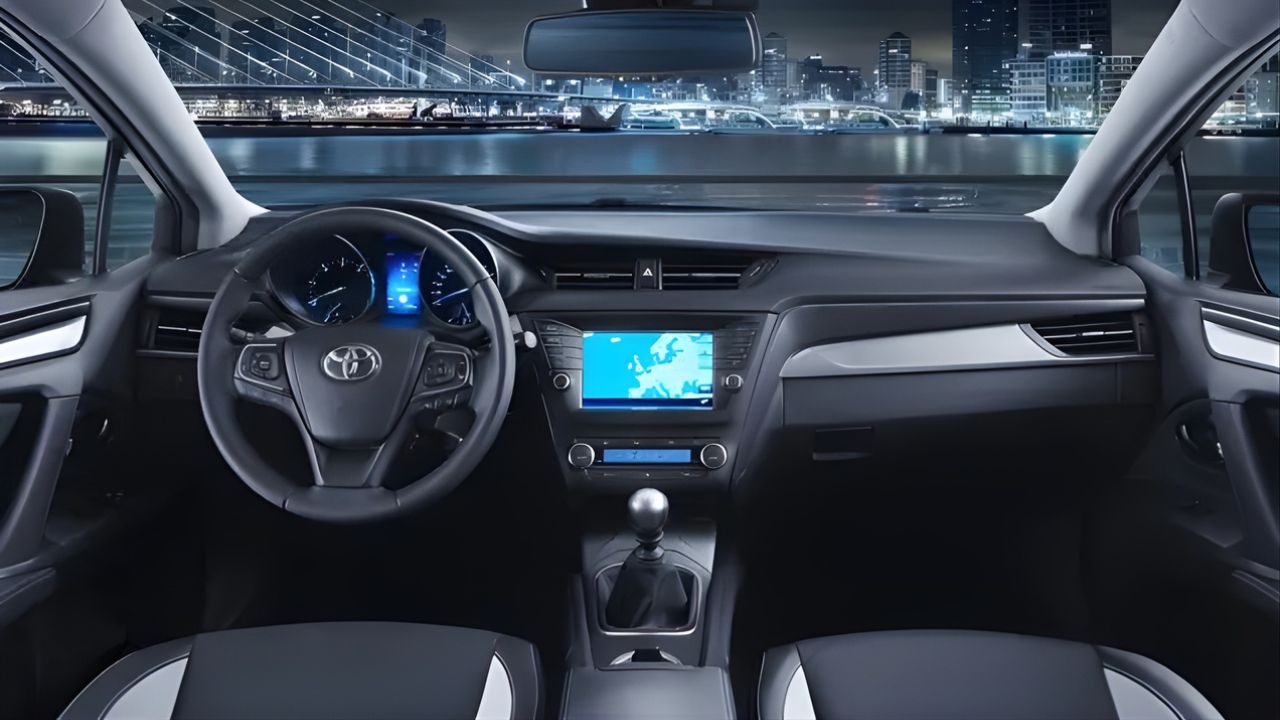


Forgotten When New, The Toyota Avensis Became A Find In The Used Market By Combining Durable Naturally Aspirated Engine, Reliable Automatic Transmission And Above-Average Comfort.
When it was launched in Brazil, the Toyota Avensis had everything to succeed on paper. It was a medium-large sedan, imported, well-made, and with Toyota’s reputation. Still, it sold poorly, went unnoticed, and quietly left the market.
Years later, the scenario changed completely. In the used market, the Avensis began to be seen as one of the most robust and underappreciated Japanese sedans ever sold in the country, delivering superior comfort and a mechanic known for easily lasting over 400,000 km when well maintained.
Why The Toyota Avensis Failed In Sales When It Was New
The main problem with the Avensis was never the car itself, but the positioning. It arrived expensive, at a time when Brazilians were already loyal to names like Corolla, Civic, and Accord.
-
Less than a Tera TSI, up to 710 km of range and charging in 9 minutes: the new BYD Song Ultra expands the Chinese brand’s bet on increasingly faster, more technological, and competitively priced electric SUVs.

-
With a 1.0 engine producing 75 hp and costing less than R$ 70,000, Fiat’s car returns to the podium as the cheapest in the country; a temporary promotion for the 2026 Like version reduces the price of the Fiat Mobi.
-
With a mild hybrid system of 48 V, 176 hp and a price of R$ 175,990 in the Sahara version, the new Jeep Renegade changes mostly on the inside, improves slightly in fuel consumption, and remains almost the same car.
-
With a 293.5 cm³ engine and a range of up to 400 km with a 14.1-liter tank, the Honda CB 300F Twister 2026 has up to 24.7 hp, an initial price of R$ 25,150, and already exceeds R$ 29,000 in the Fipe Table.

Additionally, the overly discreet design did not help attract attention at dealerships.
For many consumers, it looked like a “fleet car,” even though it was technically superior to several direct rivals. The result was predictable: low sales volume and quick withdrawal from the Brazilian market.


Global Project And Japanese Durability Philosophy
The Avensis was not specifically designed for Brazil. It is a global sedan, developed for the demanding markets of Europe and Japan.
This means solid structure, excellent acoustic insulation, well-calibrated suspension, and a focus on long-term durability. No experimental solutions or fragile technologies.
Toyota adopted the same philosophy in the Avensis that made Corolla and Camry successful: conservative engineering and tolerance for severe use.
Reliable Naturally Aspirated Engine: Made To Last Hundreds Of Thousands Of Kilometers
The Avensis’s great asset is under the hood. The 2.0 naturally aspirated engine is known for its mechanical simplicity, low failure rate, and extreme longevity.
Without a turbo, direct injection, or oil-bathed timing belt, the setup works with multi-point injection and oversized components. This type of design is famous for surpassing 300,000 or 400,000 km without needing a rebuild, as long as basic maintenance is respected.
It’s the kind of engine that ages well, even years out of warranty.
Traditional Automatic Transmission: Comfort Without Surprises
Another decisive point is the automatic transmission with torque converter. No dry dual-clutch or experimental systems.
This type of transmission is known for smooth shifts, high tolerance to heavy urban use, and low chronic failure rates. With proper maintenance, the transmission easily keeps pace with the engine’s lifespan.
In the used market, this translates into predictability, something increasingly rare in modern mid-sized sedans.
Superior Category Comfort Forgotten By The Market
The Avensis has always delivered above-average comfort, but this went unnoticed when it was new.
Efficient acoustic insulation, smooth ride, and good interior space are part of the package.
The suspension was tuned for long highways, not for sportiness.
This ensures stability at high speeds and comfort on trips, something that now costs a lot in new models. Those who buy a used Avensis quickly realize they are getting more car than the price suggests.
Maintenance And Cost Of Ownership: Less Frightening Than It Seems
As a global Toyota, the Avensis uses shared components with other models of the brand.
This makes maintenance easier and reduces parts costs.
It is not a car as cheap as a popular model, but it is far from being expensive to maintain, especially when compared to mid-sized European sedans of the same era. The cost remains predictable, with no frequent surprises. This balance is precisely what gives the model points in the used market.
Why The Avensis Became A Find In The Used Market
Today, the Avensis brings together a rare combination:
- Low Price In Classifieds
- Extremely Reliable Mechanics
- Superior Category Comfort
- Low Future Depreciation
The initial commercial failure became an advantage. Since it was never trendy, the car did not suffer from artificial overvaluation and continues to be found for much lower prices than what it offers.
Who Should Consider The Toyota Avensis In 2025
The Avensis is ideal for those who:
- Are looking for a comfortable and robust sedan
- Don’t care about status or trends
- Want prolonged use without mechanical headaches
- Prefer a simple and reliable design over fragile technology
For this profile, the Avensis is one of the best hidden deals in the Brazilian market.
The Commercial Failure Became A Technical Advantage
The Toyota Avensis proves that not every forgotten car is bad — many were just poorly positioned.
Free from fads and problematic solutions, it has aged better than many rivals that found success.
Today, those who understand mechanics and cost of ownership see the Avensis as a “war tank” disguised as a sedan, ready to run for many years without surprises. In the used market, few cars deliver so much robustness, comfort, and predictability for so little.








Que falta de jornalismo.
Nunca ouvi falar desse sedan no Brasil……a reportagem não fala no ano de entrada nem do de saída. Acho que a repórter não entende muito de carros.
NUNCA foi vendido no Brasil
Confundiram com o Altima da Nissan?