





 English
  Francês
  Alemão
  Italiano
  Japonês
  Norueguês
  Portuguese
  Spanish
  6 min of reading


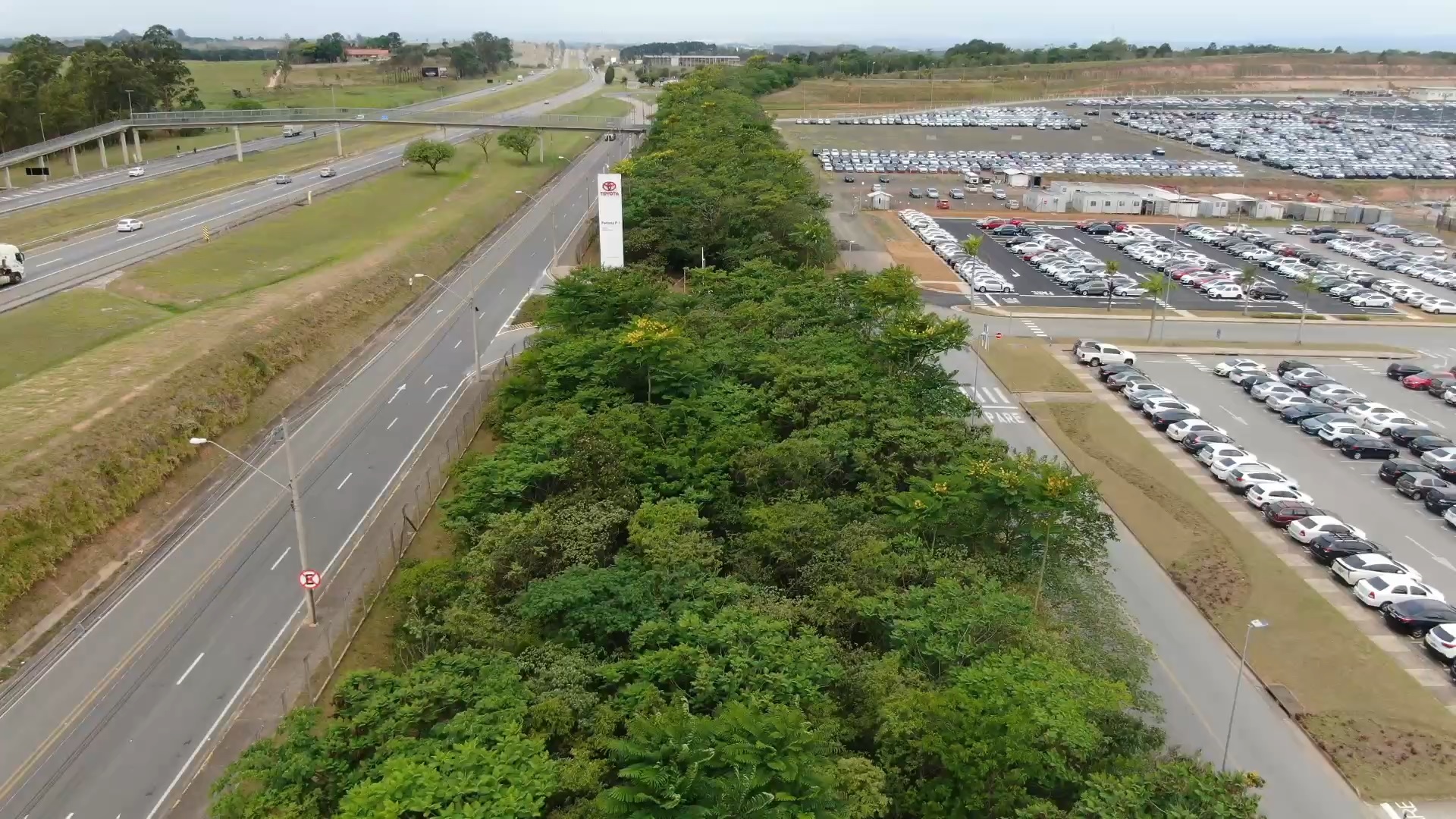
On June 5, World Environment Day Is Celebrated and Toyota Wants to Reaffirm Its Position with a Greater Environmental Footprint
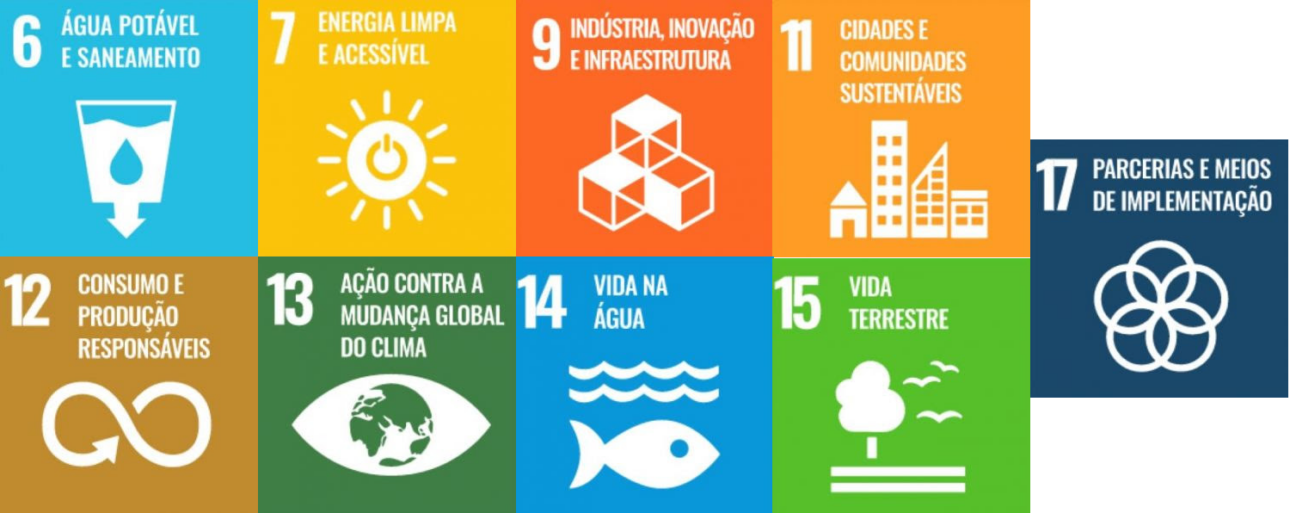
Environmental Action Plan – Toyota proposes to exert a positive impact through actions linked to the commitments established in its Global Environmental Challenge 2050, organizing cycles of environmental goals set every five years through the Environmental Action Plan. The year 2021 marked the beginning of Toyota’s 7th Environmental Action Plan (EAP). A five-year plan that considers short- and medium-term goals to help achieve the global sustainability challenge of sustainability by 2050 or earlier, aligned with the UN Sustainable Development Goals.
In the first year of the 7th EAP, as it is known internally, Toyota Brazil is harvesting positive results and learnings, reaching 99% of its goals.
The challenges ahead until 2025 include: reducing CO2 emissions from marketed vehicles, with an increase in sales of electrified models, reaching 166,000 units by 2025; a commitment to engage the entire value chain in the sustainable agenda; reducing the impacts caused by industrial operations, with a 25% reduction in total CO2 emissions from its factories (base year 2013); a 35% reduction in water usage in cubic meters per vehicle in factories; a 25% reduction in industrial waste generation, and to strengthen relationships with the community to create a society in harmony with nature.
-
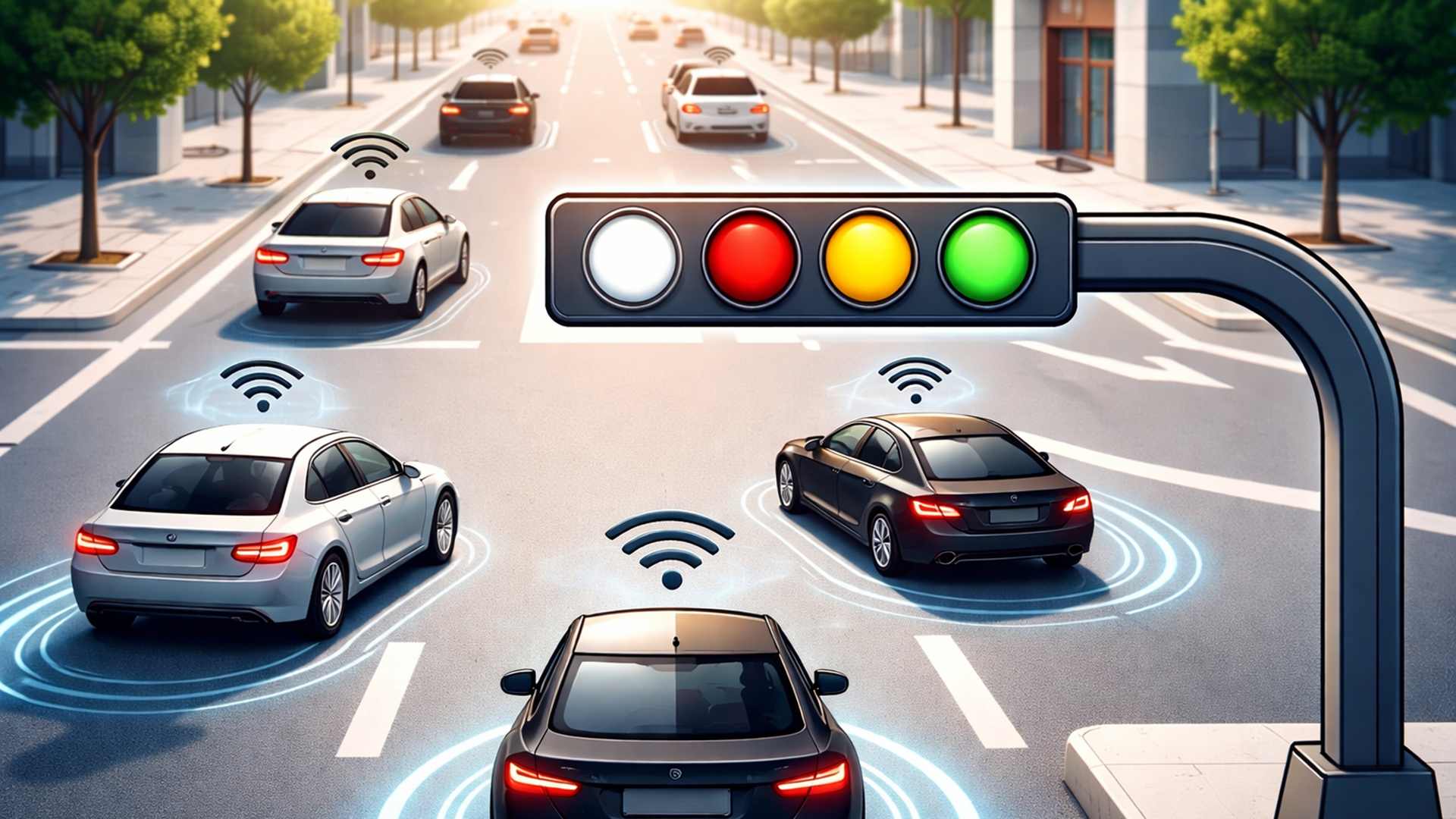
Engineers propose a fourth traffic light for intersections – the change promises to affect crossings, queues, and waiting times.
-
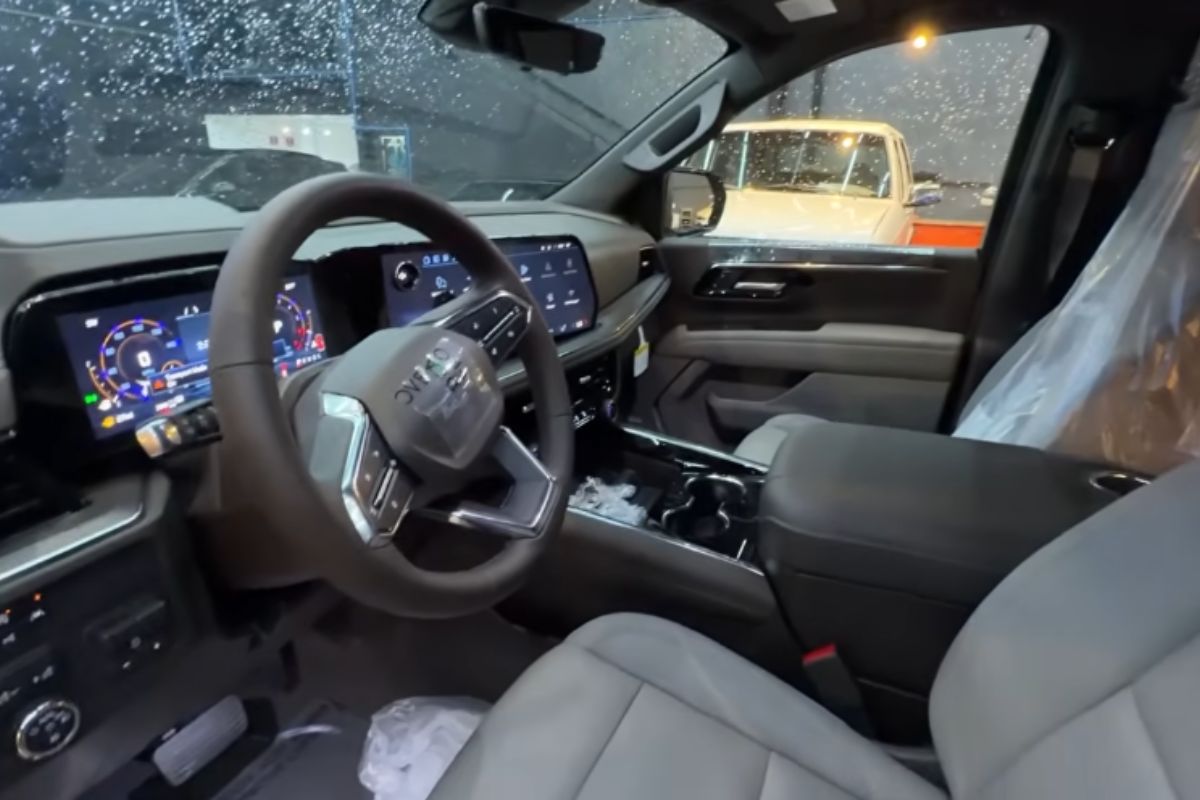
Chevrolet Suburban Z71 lands in Brazil with a V8 engine, off-road design, air suspension, seven seats, and colossal size, a rare version imported for around R$ 1.3 million with luxury and exclusivity.
-
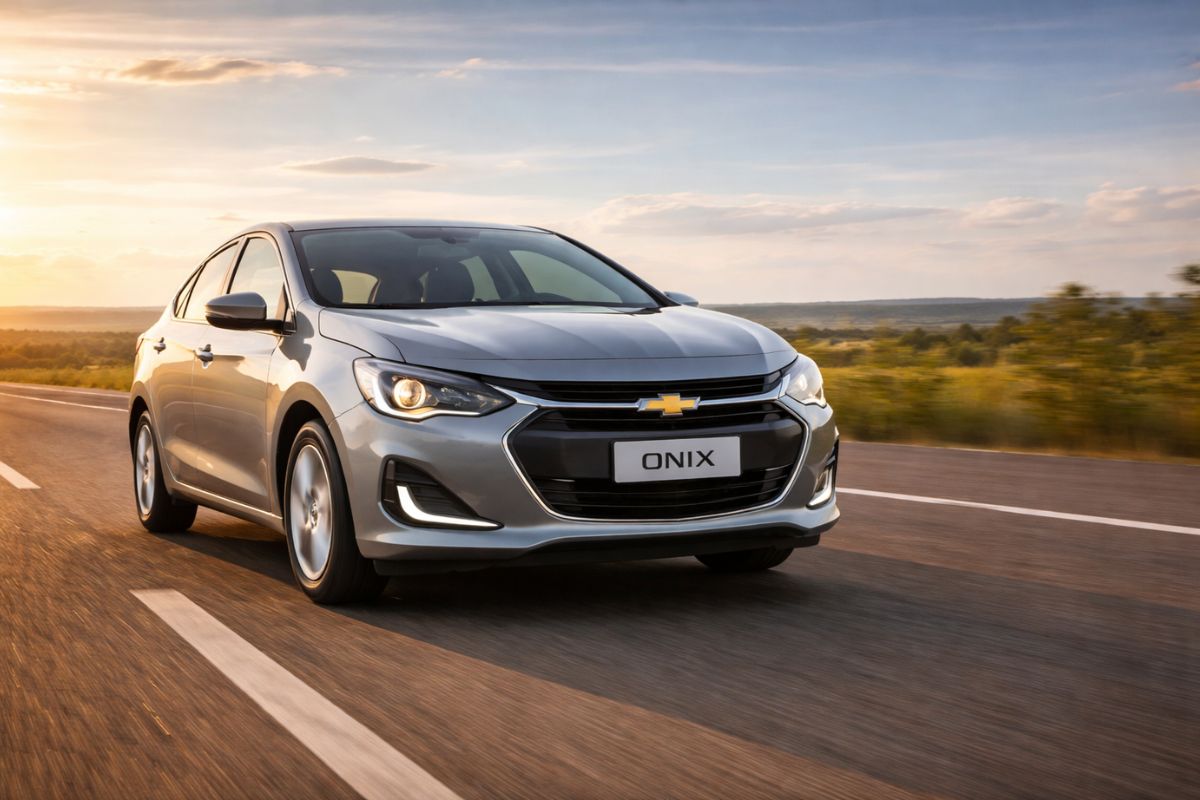
The Chevrolet Onix 1.0 turbo achieves 17.7 km per liter on the highway and ranks among the three most economical cars in Brazil in 2026, alongside two more expensive Toyota hybrids available at dealerships.
-
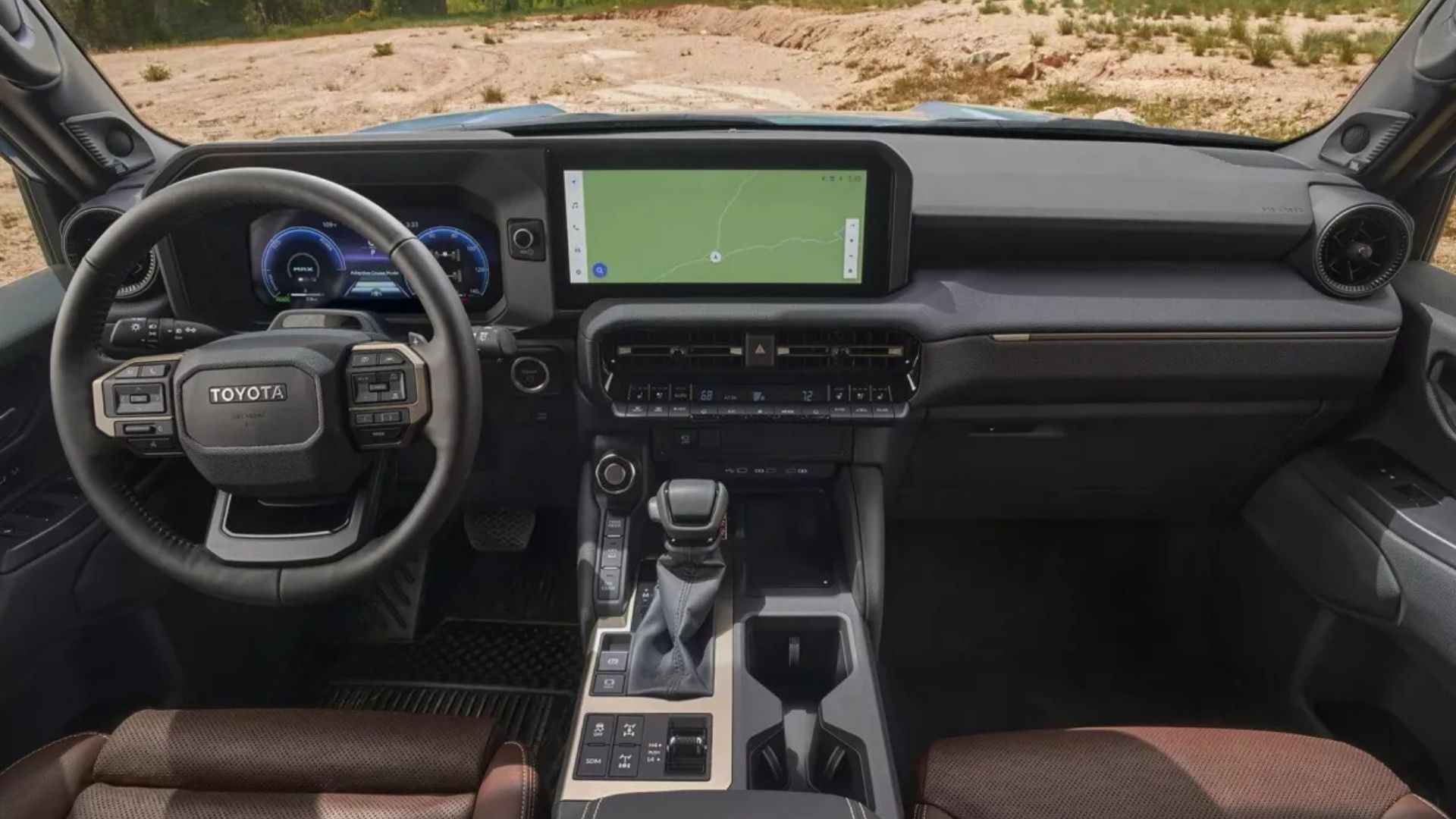
Little sister of the Hilux: Toyota launches Land Cruiser FJ with 4 radical versions, 2.7 engine with 166 hp and 4×4 traction with locking.


Results
To increase sales of electrified vehicles, Toyota is betting on the expansion of its portfolio in the country. In 2019, it launched the 12th generation of the Corolla sedan equipped with innovative flex hybrid technology. By 2021, it expanded its flex hybrid portfolio with the Corolla Cross. Additionally, it continues to market imported hybrid vehicles from Japan, the Rav4 and the Camry, totaling four electrified Toyota models, along with the 100% electrified Lexus portfolio. It is also working on its plan for 2025 to have an electrified version of every model sold in Brazil. In this scenario, the brand’s vehicles represent 61% of the total electrified vehicles sold in the country.
With the value chain, Toyota planned several collective goals and performance evaluation methods to ensure continuity and improvement in the sustainability actions of its partners. In logistics, it altered routes and vehicles used for transport to reduce fuel consumption and, consequently, greenhouse gas emissions. This has resulted in a 5% reduction in CO2 emissions in transportation compared to 2013.
The involvement of the supply chain extends to suppliers, where 100% manage global chemical requirements, and 85% have ISO 14001 certification – directly linked to environmental management. Additionally, suppliers that are part of the Brazilian Suppliers Association (BRASA) – with support from Toyota’s Sustainability team – contributed to a reduction of 887 tons of waste, 55,000 liters of water, and 1.4 million tons in CO2 emissions over the last four years.
Actions are also present at dealerships, with the EcoDealer program, which recognizes efforts in sustainable agenda actions. The last six years have totalled 86 socio-environmental projects, impacting 25,000 people, reducing the consumption of 9,000 liters of water, and decreasing 5,500 tons in carbon dioxide emissions in the atmosphere.
Industrial Operation
In its industrial operation, Toyota continually makes changes and adjustments to its processes to optimize energy use and reduce resource consumption.
Other ongoing actions in the industrial process, such as the purchase of 100% certified wind energy and kaizens (improvements) on the factory floor, have contributed to a 20% reduction in CO2 emissions at the plants since 2013.
The brand has its own industrial effluent treatment station that contributes to water consumption reduction since part of the treated effluent is reused in the production process. Other actions such as rainwater harvesting, optimizing water use in processes, and a closed circuit in the pre-treatment process of the bodywork among others, have helped reduce water consumption by 47% compared to 2013.
Waste management is also one of the focuses worked on by the company, which recycles 99% of the materials generated in the production process and which are sent to partner companies. Some examples of the reuse of these wastes can be found in the operational cycle:
- Paint sludge is reused as an energy source in cement production furnaces;
- Aluminum scrap is turned into components for orthopedic prostheses;
- The fabrics from airbags, seatbelts, and old employee uniforms are transformed into new products through the ReTornar project, including clothing for pets;
- Uniforms and Personal Protective Equipment (PPE) are turned into raw material for the acoustic insulator of the Corolla sedan;
- The vehicle batteries are part of a university study program for research and development of new uses before their final disposal.
For vehicles at the end of their life cycle, the automaker formed a partnership in March 2021 with the startup GWA, which operates proper disassembly to improve the quality of vehicle recycling in the country.
A Society in Harmony with Nature
Toyota Brazil also invests in the concept Ecofactory, which encompasses various projects and initiatives for the plant to be eco-efficient. As a long-term project, the highlight is the 10-year Morizukuri initiative, which created a forest around the Sorocaba factory, capturing 383 tons of CO2 from the atmosphere since the project’s inception and contributing to improving water quality, fauna, and flora in the region.
To get even closer to the community, Toyota Brazil works with the Toyota Foundation, supporting socio-environmental projects such as ReTornar, which, in addition to upcycling – creative reuse of products, focuses on creating jobs and income and training women in Sorocaba and Indaiatuba, SP, through a partnership with a group of seamstresses.
The Foundation also supports initiatives such as the Project Blue Macaw, in the Pantanal, which removed the species from the Brazilian list of endangered animals. Since 2011, the Toyota Foundation has sponsored the Pantanal Expedition initiative. In the same year, it launched the Toyota APA Costa dos Corais, in partnership with SOS Mata Atlântica Foundation and the Chico Mendes Institute for Biodiversity Conservation (ICMBio) of the federal government. In the Southeast, the entity develops Águas da Mantiqueira, a biodiversity conservation research project focusing on the orderly use of water basins in the Mantiqueira Mountains. To encourage diversity, the Toyota Foundation supports the Women in Conservation project, which highlights female researchers in the field of science.
“Putting our commitments into practice is one of our guiding principles and is part of Toyota’s strategic direction. Our own ESG agenda has been established with the aim of developing projects, programs, plans, and people for one purpose: the long-term sustainable development and contribution to a society in harmony with nature. And this is reflected inside and outside our home. In 2021, we faced ongoing challenges that the pandemic brought, but, despite this, we managed to achieve our goals in an exemplary manner,” explains Viviane Mansi, Regional Director of Communication and Sustainability at Toyota.
About the Action Plan
The seventh Environmental Action Plan integrates Toyota’s Environmental Challenge 2050, which includes six challenges for the company worldwide: 1 – Zero CO2 emissions in new vehicles; 2 – Lifecycle with zero CO2 emissions (from manufacturing to sales and recycling of vehicles); 3 – Zero emissions in factories (clean energy); 4 – Minimize water use in industrial processes; 5 – Establish a recycling-based society; and 6 – Build a society in harmony with nature (investment in incentive projects, awareness, and influence, and reinforcing partnerships for preservation). To fulfill this long-term project, Toyota commits to five-year milestones, with annual targets to monitor the development of actions and redirect efforts.
The results from previous years can be accessed here: For more information, please refer to our Annual Report.
About Toyota Brazil
Toyota Brazil has been present in the country for over 60 years. It has four manufacturing units located in the cities of Indaiatuba, Sorocaba, Porto Feliz, and São Bernardo do Campo and employs over 5,000 people. In 2020, it launched KINTO, its new mobility company, to offer services such as car rental and fleet management to a transforming society. It also reinforced its GAZOO brand through initiatives that challenge the excellence of its vehicles. Its mission is to produce happiness on a large scale, and to achieve this, it is committed to developing better and safer cars, as well as advancing mobility solutions. The company contributes to society through its business with actions aimed at reducing accident risks, improving traffic, and increasing the use of renewable energies, as well as being a good corporate citizen. Together with the Toyota Foundation, it has initiatives that resonate with the 17 UN sustainable development goals. For more information: www.toyota-global.com and www.toyota.com.br.






Seja o primeiro a reagir!