






 Portuguese
  Spanish


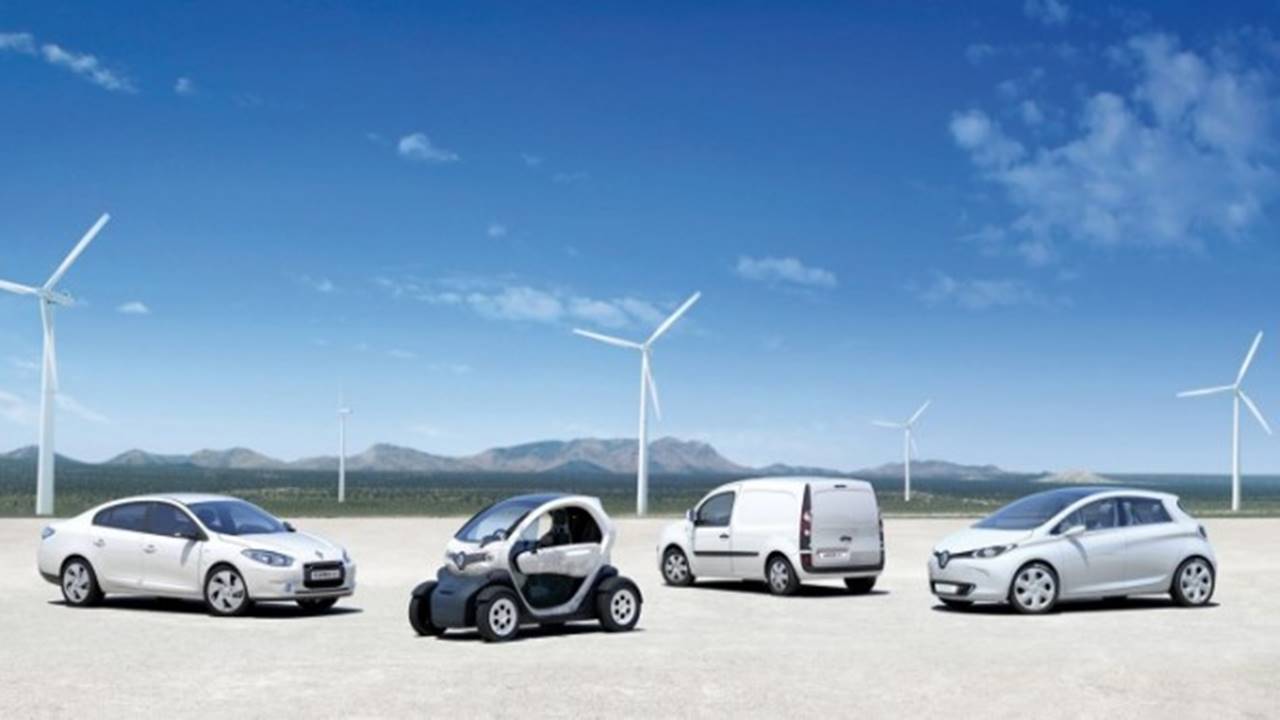

The Importance Of An Energy Matrix Less Dependent On Oil Became Evident To Many Companies That Depend On This Commodity
Last month, LeasePlan International organized a webinar to analyze the issue of commodities, which includes the automotive market, consumer behavior, and global supply development. The intention was to show suppliers and fleet professionals what the future of the global economy looks like, where renewable energy and fleet electrification can help them prepare for it. Check below for more about everything that was discussed:
Inflation is a concern not only for the Brazilian market but also for European and North American markets. Along with this, the supply chain is experiencing turbulence, with prices for raw materials like aluminum, nickel, and palladium soaring.
The Biggest Impact Is On The Automotive Market
There is also a lack of labor to complete services in the transportation sector. Therefore, the availability of components for vehicles continues to be a worrying issue, as in addition to semiconductors, the distribution of wiring harnesses is also affected.
-
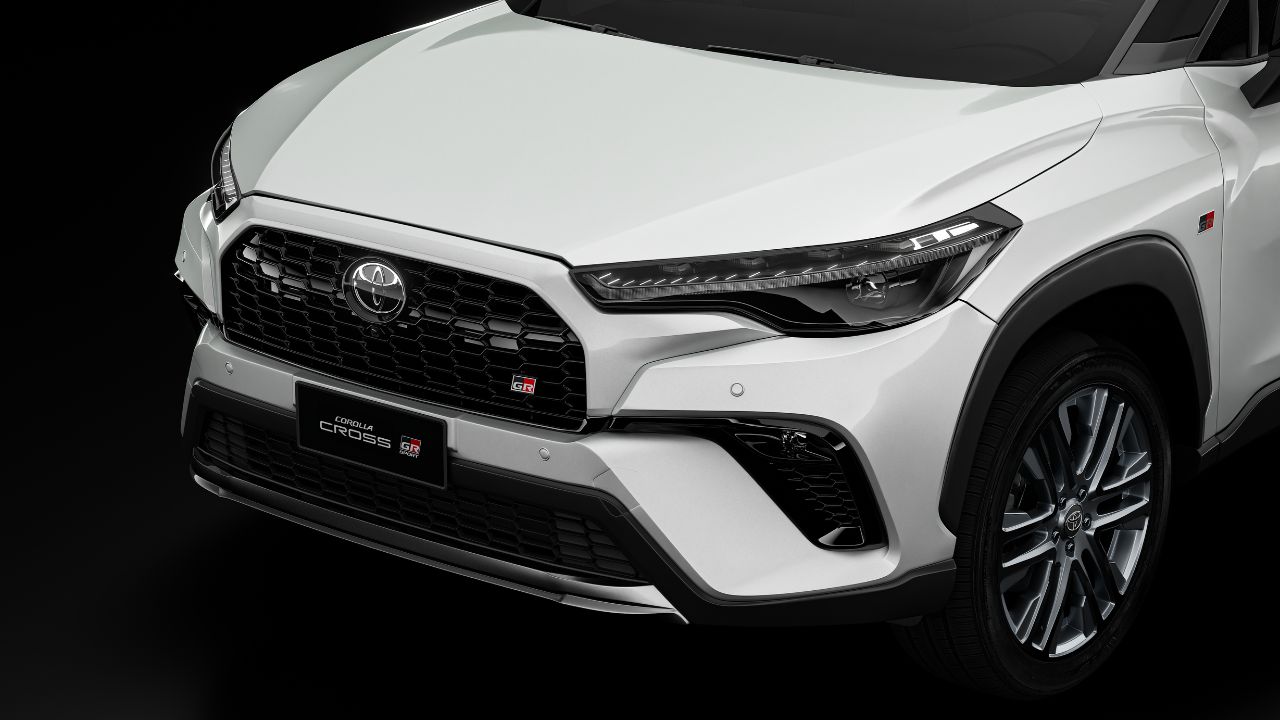
2027 Toyota Corolla Cross Unveiled: New Design, Enhanced Fuel Efficiency, Reduced Maintenance Costs, Advanced Technology, Connected Services, and Up to 10-Year Warranty

-
Fiat Cronos Precision 2018: Affordable Sedan with Spacious Trunk and Reliable Maintenance
-
Volkswagen to Cut Production by 1 Million Cars by 2030, Reducing Jobs and Platforms, Focusing on More Profitable Models

-
Toyota Launches First 100% Electric Car in Brazil: bZ4X with 343 HP, All-Wheel Drive, 361 km Range, Priced at $419,990 BRL, Limited to 99 Units





How Countries Are Affected By Commodities At This Level
The increase in commodity prices signifies a higher risk of recession in many countries where interest rates remain high. The rising costs of vehicle parts and materials, combined with the demand for new vehicles, are leading to an increase in the prices of both new and used cars.
Moreover, the prices of oil and gas have skyrocketed, prompting the market and consumers to seek renewable energy. Thus, in Europe and North America, governments and private companies are looking for clean energy as the solution. This could provide the stimulus the market needs to accelerate the electrification of the vehicle fleet.
Consumer behavior has changed. Demand for services has fallen while demand for goods has increased in some parts of the world. This change has occurred due to supply chain issues and significant increases in energy and food prices, which have pushed inflation to higher levels.
Therefore, it is necessary to envision a scenario where fuel prices remain high for at least two years and to plan for the transition to renewable energy sources; that is, to electrify the fleet.
Source: evcom.com.br and LeasePlan Brazil








