Portuguese
  Spanish


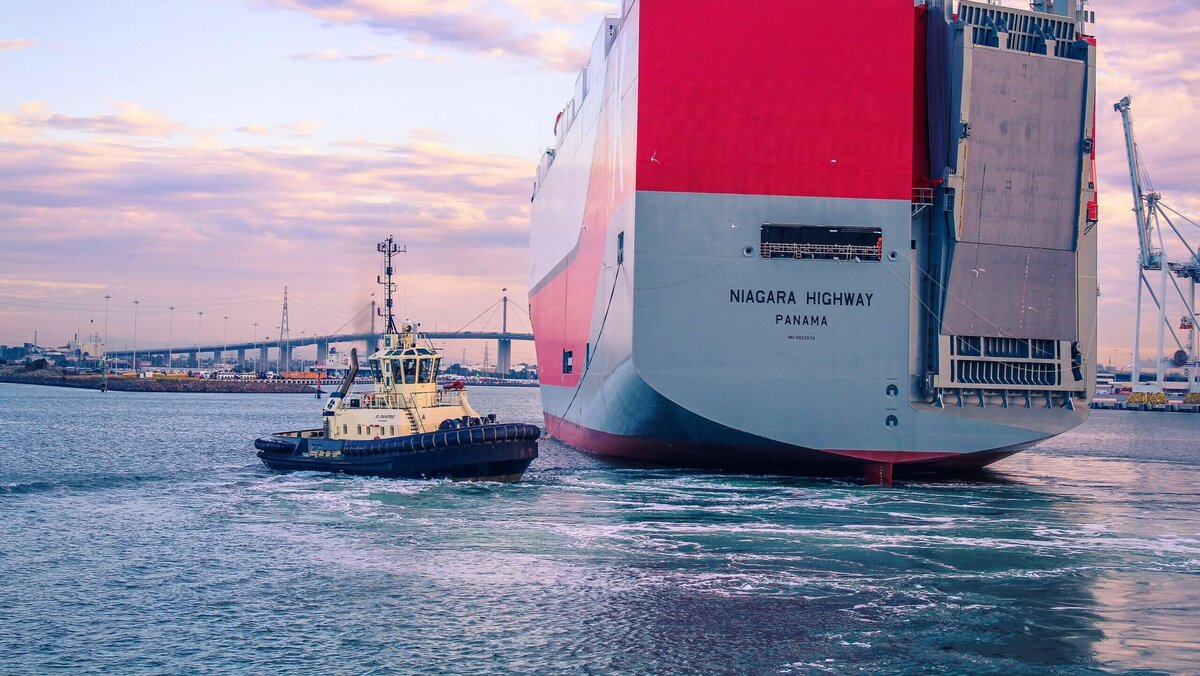

Following the Environmental Agenda and the Need for More Investment in Sustainable Practices, Svitzer Aims to Achieve Carbon Neutrality Across Its Fleet of Tugs by 2040 in Its New Sustainability Plan
The marine transport logistics company Svitzer, which is part of Maersk, announced this past Tuesday (05/31) its latest sustainability plan for the coming years. As part of the project, the company intends to achieve carbon neutrality in its fleet of tugs by 2040, following a gradual reduction list in emissions across all areas of the port transport chain.
Svitzer’s New Sustainability Plan for 2040 Includes Carbon Emission Reduction Initiatives and Sustainable Solutions for Its Fleet of Tugs
Svitzer, a tugboat company that is part of the Maersk group, announced its new sustainability strategy for the next 18 years, which focuses primarily on reducing carbon emissions across its fleet until achieving neutrality by 2040. Thus, the company aims to align with the global environmental agenda regarding the energy transition process and the adoption of ESG practices in cargo transport operations.
In addition, Svitzer revealed that its sustainability plan will consist of two main phases until its completion at the end of 2040. During the project’s first phase, the company aims to reduce carbon emissions from its fleet of tugs by up to 50% by the end of 2030, in order to expedite the neutrality process.
-
The Rio Grande Shipyard receives 11,000 tons of steel from Indonesia and resumes welding the first Handymax vessels for Transpetro after years of inactivity.

-
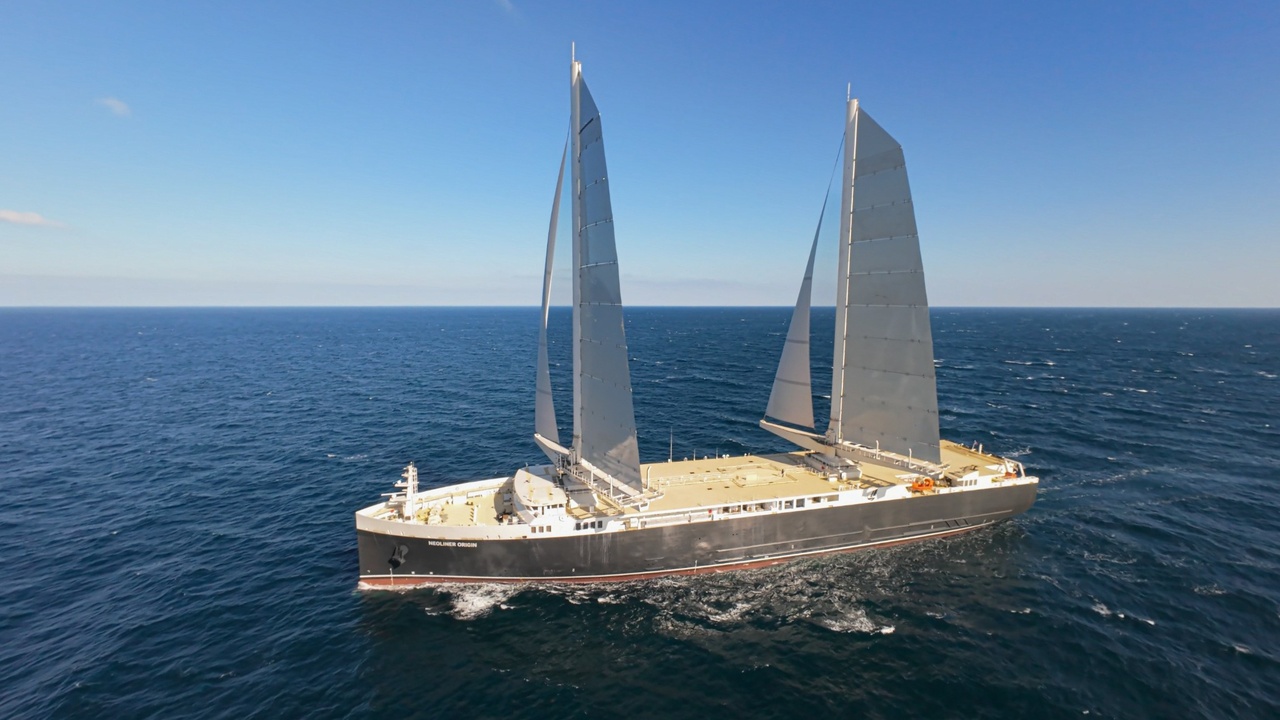
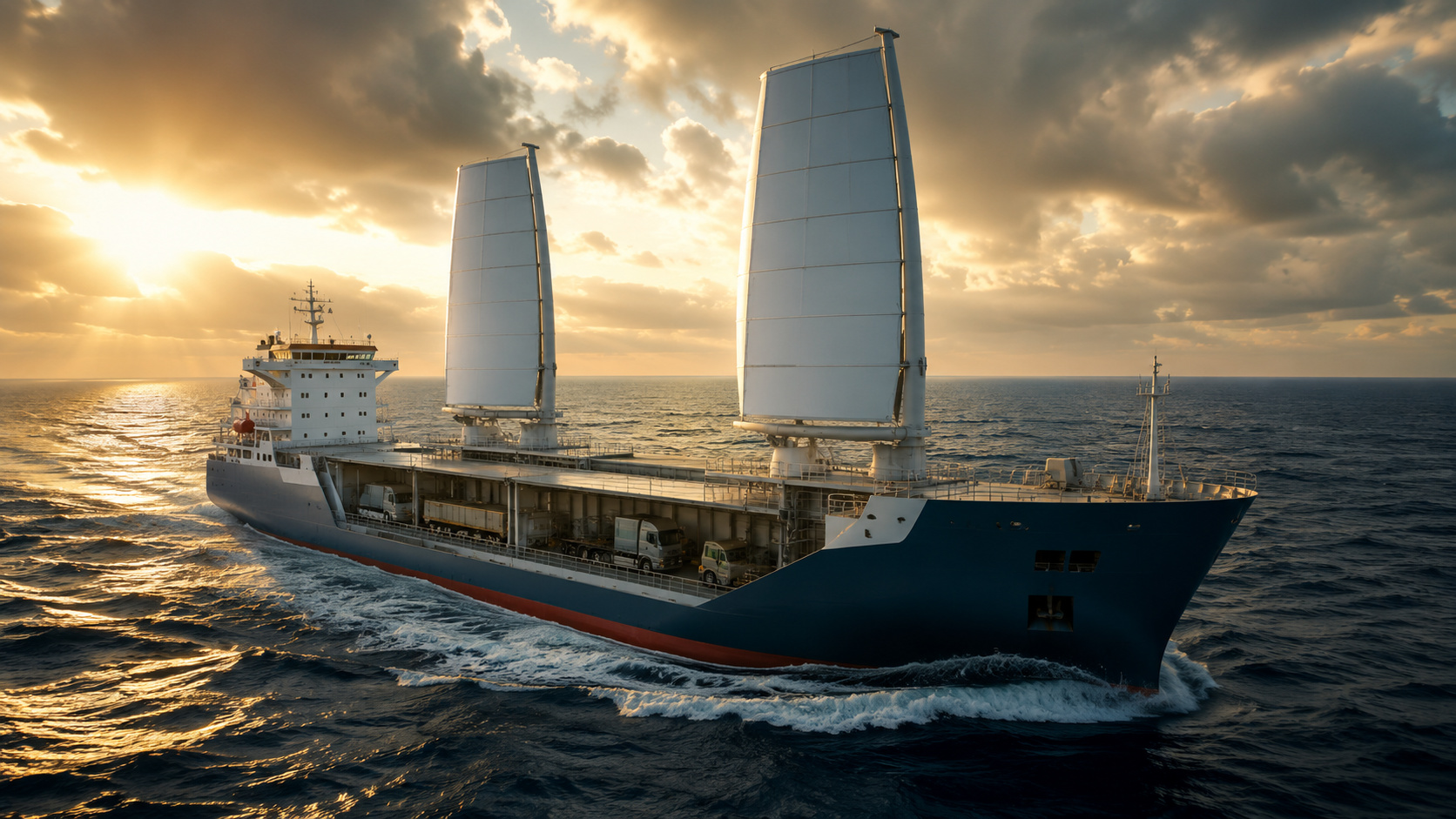
With two giant sails instead of relying solely on the engine, a modern cargo ship crosses the Atlantic carrying cars, forklifts, and goods to test less diesel in maritime transport.
-
They exchanged the idea of a large house for a 35 m² warehouse, spent US$ 12,000 on the structure, and created a tiny house in Colorado with space to live and work.

-
With two giant sails instead of relying solely on the engine, a modern cargo ship crosses the Atlantic carrying cars, forklifts, and goods to test using less diesel in maritime transport.


Therefore, the company will be able to create space for more investments in the plan and ultimately reach 2040 with no emissions from its fleet of tugs. Lastly, Svitzer’s sustainability plan will not be limited to tugs with carbon emission reduction, but will also be implemented across all service stages of the company.
In this way, the tugboat company intends to carry out a series of actions to implement sustainability in everyday operations, in its fleet, in its people and their jobs, and finally, in all types of fuels used by the operator’s vessels, thus ensuring much greater commitment to the environment over the coming years.
Company Will Adopt Measures for Fuel Substitution and Periodic Analyses for Its Carbon Emission Neutralization Plan for the Fleet of Tugs
Following its sustainability plan, Svitzer is already implementing several initiatives to ensure acceleration of the project. Among them is the company’s ‘Aim for 8,’ which requires the crew to optimize speed during the mobilization and demobilization of the tug.
Additionally, there will be a substitution of fuels with a mix of sustainable products so that gradually, the company can eliminate the use of fuels that produce carbon emissions.
Thus, executive Kasper Nilaus, CEO of Svitzer, commented on the plan and said: “We are proud to unveil our strategy to become fully carbon neutral by 2040. We are not committing to these ambitions lightly, and we understand that this will require leadership and collaboration with our customers, suppliers, industry peers, and ports around the world to ensure success. Widespread changes and investments in the way we operate will be necessary.”
Finally, the company highlighted that progress will be measured against a baseline from 2020, when the company’s fleet of approximately 400 vessels emitted 280,000 tons of CO2. Thus, they intend to use this figure as a reference for completing the initiative by 2040.