





 Portuguese
  English
  Spanish
  4 min of reading
  0 comments


Toyota Sells Over 200 Thousand Units Of The bZ3X Electric SUV In China In Just 4 Months. Model Costs R$ 80 Thousand, Has Up To 610 Km Of Range And Challenges BYD And Tesla With Accessible Formula.
Amid the fierce competition that dominates the largest automotive market on the planet, Toyota surprised everyone by achieving a rare feat for foreign brands in China: selling over 200 thousand electric cars in just four months. And it is not a luxury or limited edition model, but a 100% electric entry-level vehicle, priced at around R$ 80 thousand.
The name of the success? Toyota bZ3X, an electric SUV developed in partnership with the local manufacturer GAC — and which quickly became a reference in accessible electric mobility.
Toyota Electric Of R$ 80 Thousand Conquers China
Officially launched in March 2025, the bZ3X was designed especially for the Chinese consumer, who seeks electric vehicles with good range, modern design, and competitive pricing. The simplest model in the lineup, the bZ3X 430 Air, starts from 109,800 yuan, about R$ 80 thousand in direct conversion, and already delivers a surprising package.
-
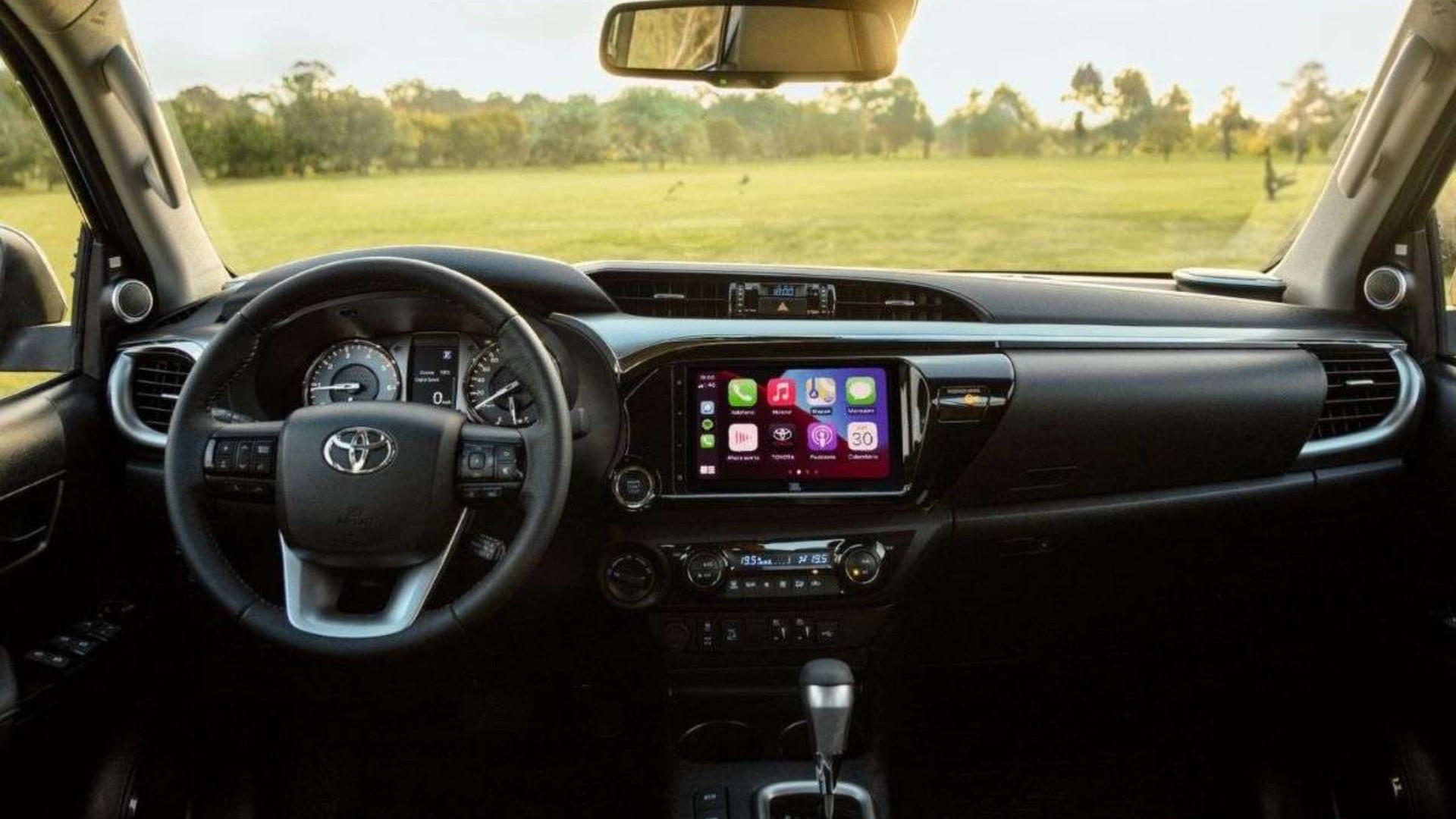
The Toyota Hilux is R$ 75.5 thousand cheaper and bets on the 2.8 turbodiesel engine with up to 204 hp and 50.9 kgfm to catch up with the VW Saveiro, which leads with 4,472 sales.
-
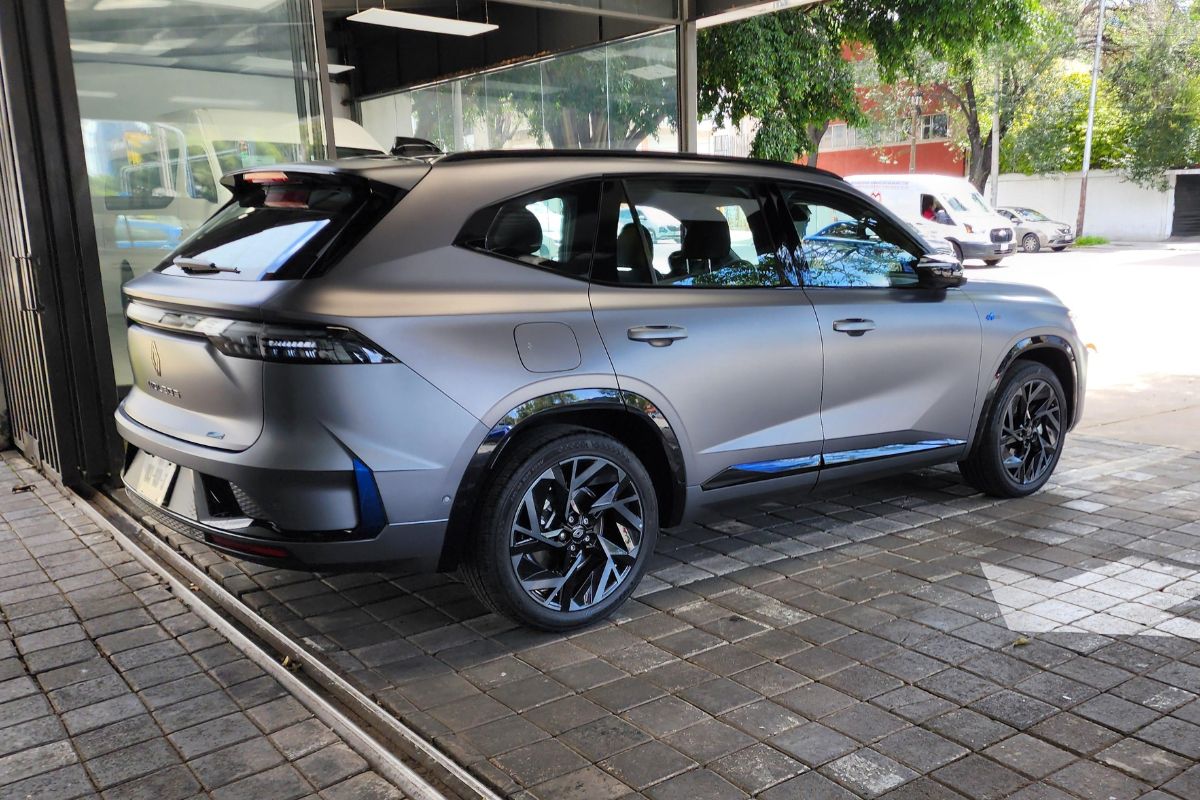
The new Renault Koleos has a screen exclusively for the passenger that is invisible to the driver, heated rear seats, and 29 assistance systems, but its Chinese competitors cost R$ 40,000 less and deliver more power.
-
The car stored for 38 years: when opening the barn door, what appears is breathtaking and looks like a scene from a movie!

-
Fiat works miracles in the Brazilian market, lowers the price of its 0 km hatch to R$ 69,990, reestablishes the model as the cheapest car in the country, and reignites the battle against Kwid and C3.

The entry version comes with a 50 kWh battery, a range of 430 km on the CTLC cycle, and a 201 hp electric motor. In real-world use, this range usually hovers around 320 km — more than enough for urban commuting and short trips.
And the appeal goes beyond the price. The car’s design combines futuristic lines with urban SUV traits, and the interior offers good technological features, such as a digital dashboard, connectivity with Chinese apps, and voice assistants.
The public’s response was immediate. According to GAC Toyota, the joint venture responsible for production, the model has already reached over 200 thousand units delivered in four months, and 30 thousand new orders have been registered recently.
Versions With More Range Remain Accessible
The main advantage of the Toyota bZ3X lies in the variety of versions with good cost-effectiveness, something hard to find even among local brands.
The 430 Air+, 520 Pro, and Pro+ variants increase comfort levels and battery capacity, with 58 kWh and a declared range of 520 km, maintaining the same powertrain of 204 hp. The top of the line, the bZ3X 610 Max, features a 68 kWh battery, 221 hp, and promises a range of up to 610 km, costing the equivalent of R$ 115 thousand.
Even with this performance leap, prices remain well below what is practiced in Western markets, where models with similar specifications can cost twice as much.
In summary: what Toyota has done is deliver what the Chinese consumer really wants — decent range, reliable technology, and fair pricing.
As Rivals Lose Ground, Toyota Grows
Toyota’s performance in China stands out even more when compared to the landscape of its direct competitors. Volkswagen, Mercedes, Audi, BMW, and even Tesla are struggling to maintain relevance in an increasingly competitive market dominated by Chinese startups like BYD, Nio, XPeng, and Li Auto.
In contrast, GAC Toyota sold 364,218 vehicles in the first six months of 2025, an increase of 5.6% — even in a challenging and competitive environment.
The Toyota Camry, for example, grew 66% in sales just in the month of June, while the minivan Saina saw a rise of 16% for the year-to-date. This shows that the Japanese brand has managed to align tradition and innovation, creating a product line that not only withstands local pressure but gains traction among Chinese consumers.
Why Doesn’t This Model Come To Brazil?
Given the resounding success of the Toyota electric of R$ 80 thousand in China, it is natural for Brazilians to wonder: why don’t we have access to this type of car here?
The answer involves trade barriers, lack of incentives, and high logistical costs. Brazil still heavily taxes imported vehicles, especially electric models produced outside Mercosur, making competitive pricing unviable. Moreover, the national charging chain and electric infrastructure are still in their infancy, making the market less attractive for entry-level electric cars.
Moreover, Toyota has not launched any 100% electric car in Brazil — opting instead to invest in flexible hybrids like the Corolla and Corolla Cross. This reflects a cautious strategy amid regulatory uncertainties and low demand for EVs outside premium niches.
But the brand’s performance in China could influence future decisions, especially as the pressure for global electrification intensifies.
The Toyota Formula: Simplicity, Trust, And Local Partnership
The case of the bZ3X perfectly illustrates how Toyota found a unique path to grow in Chinese territory, while other automakers struggle.
The secret seems to lie in the triple formula:
- Local partnership with GAC, ensuring adaptation to the cultural and technical demands of the Chinese market;
- Project totally focused on the local consumer, without adaptations of Western models;
- Balance between accessible pricing and reliable performance, without exaggerated promises or complex solutions.
This shows that Toyota does not try to compete directly with BYD and Nio in extreme innovation or flashy design — but offers a solid and well-priced experience that speaks the language of the average Chinese consumer.









-

2 pessoas reagiram a isso.