





 Portuguese
  English
  Spanish
  5 min of reading
  4 comments


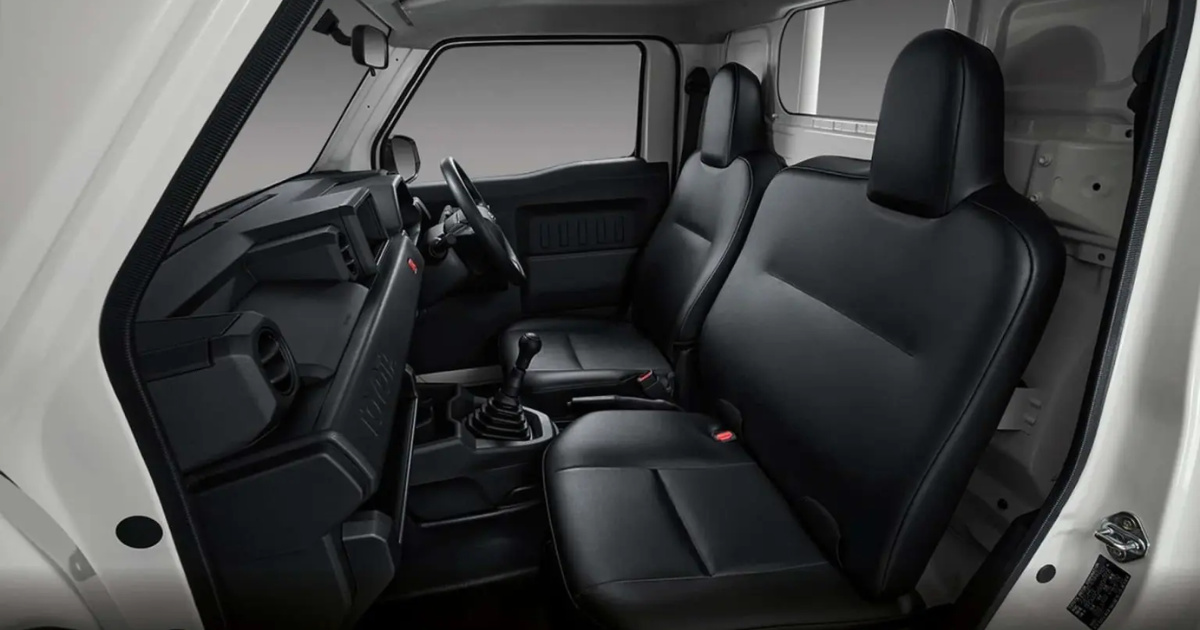


New Toyota Pickup Truck Registered in Brazil and Set to Arrive as a Simpler, More Robust, and Affordable Option, Aimed at Versatility for Entrepreneurs, Fleet Operators, and Small Producers. Model Already Successful in Asian Countries.
Toyota has officially registered the Hilux Champ with the National Institute of Industrial Property (INPI), marking a new step for the automaker in the utility vehicle segment in Brazil.
The model, which is already successful in Asian markets like Thailand, offers a simplified and robust proposal, primarily aimed at work and small businesses, and may hit the Brazilian market as an accessible alternative in the pickup segment.
The brand’s strategy is to fill a market gap, offering a resilient, functional product at a competitive price compared to established models.
-
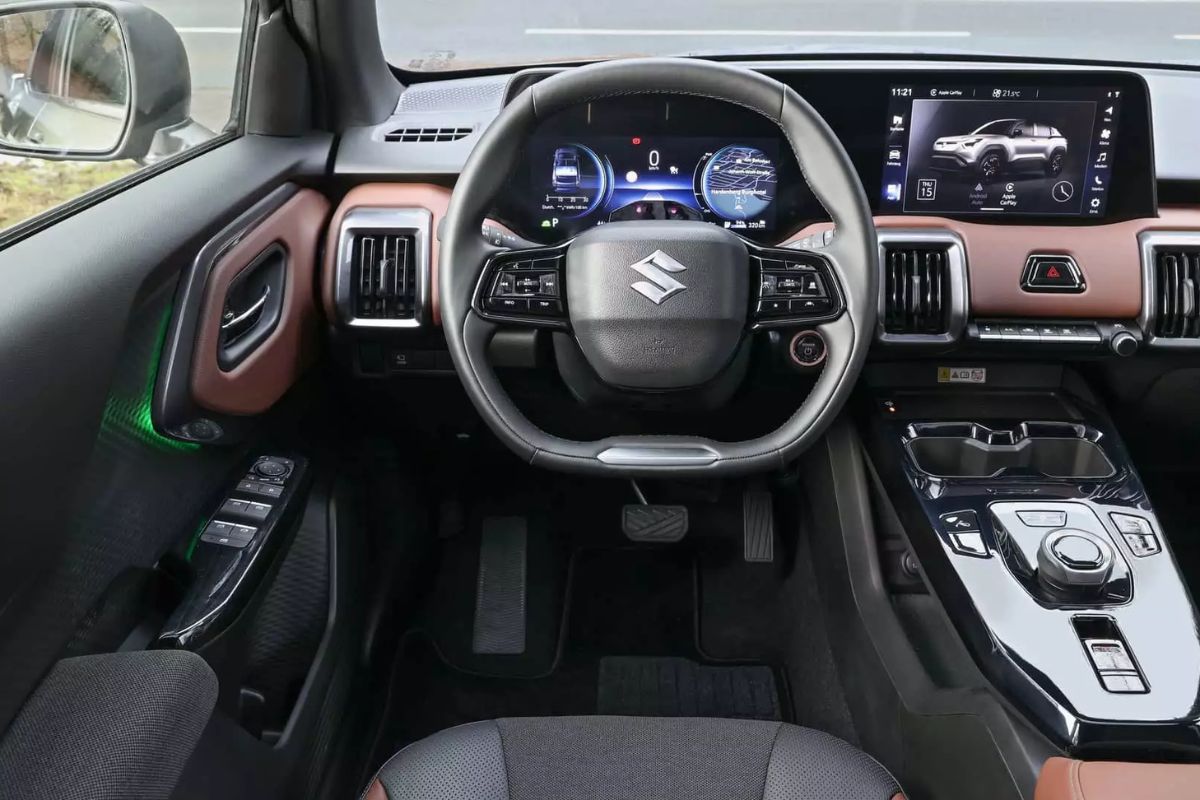
The 2026 electric Vitara arrives in Brazil and proves that Suzuki is not leaving: 4×4 traction, 184 hp, 61 kWh LFP battery, 293 km range, R$ 259,000, and a trunk capacity of 224 L.
-
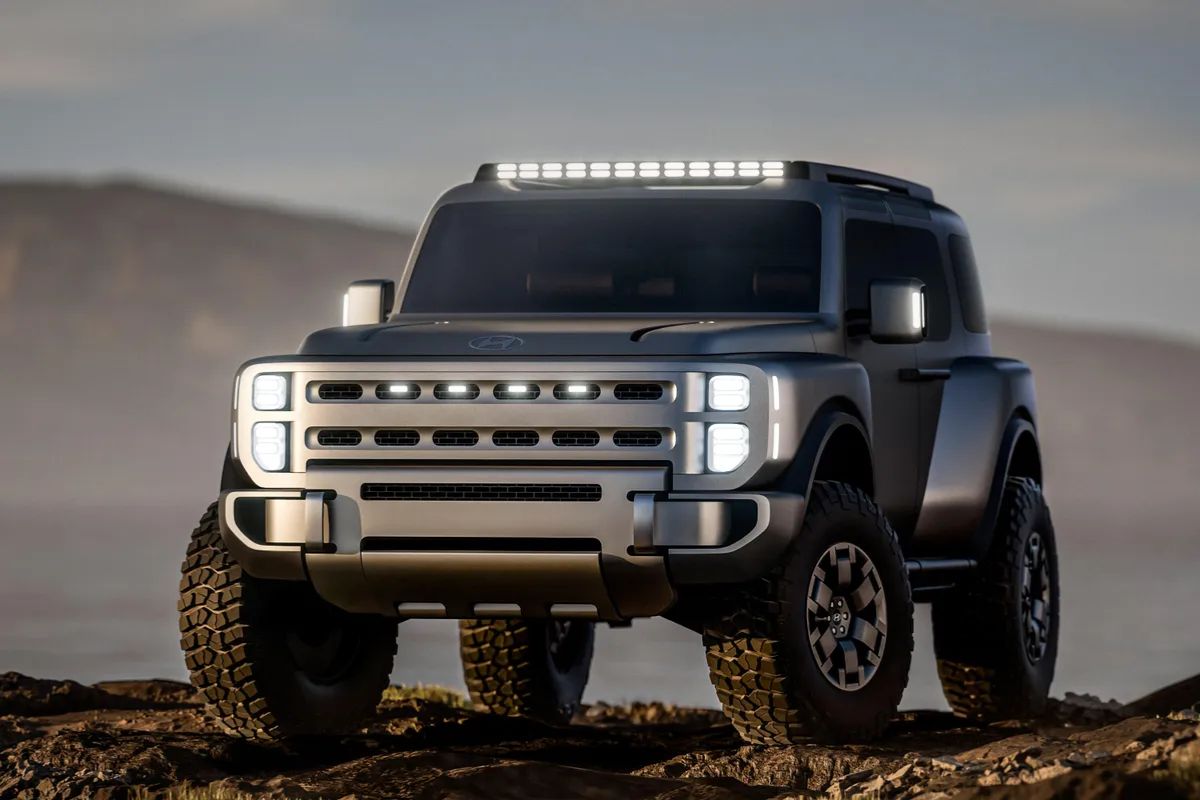
Hyundai has unveiled the Boulder, a square SUV with a body-on-frame design, 37-inch mud tires, and carriage-style doors that seems to be made to take on the Ford Bronco and the Scout Traveller in the United States.
-
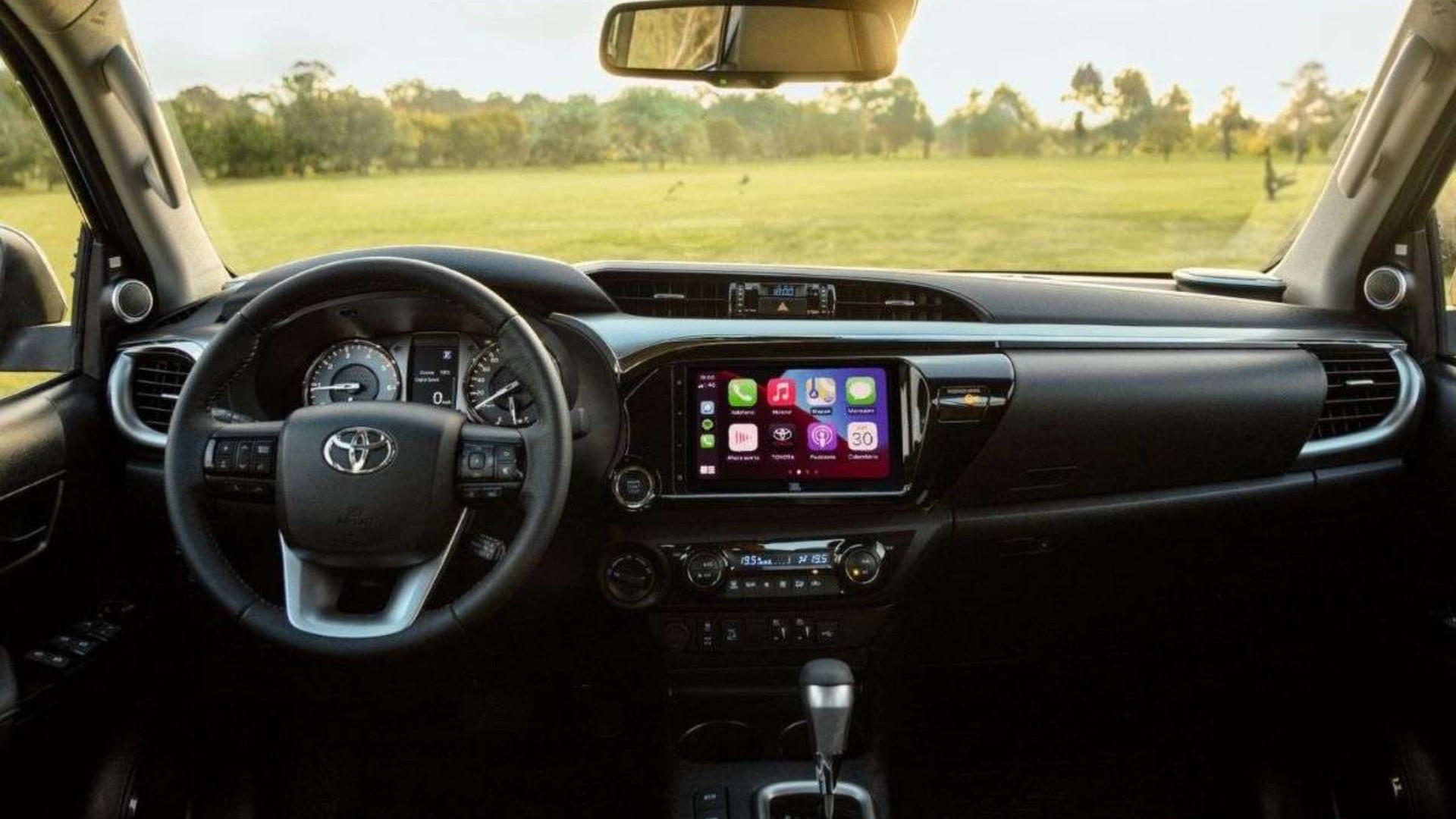
The Toyota Hilux is R$ 75.5 thousand cheaper and bets on the 2.8 turbodiesel engine with up to 204 hp and 50.9 kgfm to catch up with the VW Saveiro, which leads with 4,472 sales.
-
The new Renault Koleos has a screen exclusively for the passenger that is invisible to the driver, heated rear seats, and 29 assistance systems, but its Chinese competitors cost R$ 40,000 less and deliver more power.

Over the years, the Toyota Hilux has become a reference among national utilities, recognized for its durability, performance, and reliability.
Now, the arrival of the Hilux Champ promises to expand the brand’s portfolio, bringing a smaller pickup with characteristics aimed at daily use in commercial, rural, and urban activities.
The model targets small entrepreneurs to large fleet operators, as well as rural producers and consumers looking for a more versatile and affordable solution for heavy-duty work.

Versatile Platform and Utility Proposal
Developed on the IMV platform, the same base used in other models from the brand, the Toyota Hilux Champ was globally presented during the 2023 Japan Mobility Show.
With a length of 5.30 meters and a wheelbase of 3.08 meters, the model offers a payload capacity of up to 1,000 kg and emphasizes a functional design.
The cargo bed, a central element in the utility proposal, features holes for accessory attachment and sides that open, allowing for various configurations according to the user’s needs.

This concept of customization is reinforced by collaboration with over 100 accessory companies in Asia, expanding the possibilities for adapting the vehicle to different professional functions.
Toyota emphasizes that the Hilux Champ meets the growing demand for light utility vehicles, especially in emerging countries, where versatility and low maintenance costs are essential differentials.
In the Thai market, for instance, the pickup quickly gained traction by offering practical solutions for those seeking efficiency in cargo transport, whether in urban areas or the countryside.

Engine, Versions, and Work Technology
The Hilux Champ is sold in Asia with three engine options:
- 2.4 Turbo Diesel with 150 hp,
- 2.0 Gasoline with 130 hp
- 2.7 Gasoline with 166 hp.
All versions come with a five-speed manual transmission, but there are variants with a six-speed automatic transmission, depending on the chosen configuration.
For Brazil, the expectation is that the model will arrive with a standard six-speed manual transmission, and the possibility of an automatic version is still under evaluation.
Additionally, the pickup may be available in single and double cab versions, broadening options for consumers who need to transport both cargo and passengers.
The focus remains on simplicity, robustness, and cost-effectiveness, without compromising the recognized quality of the Toyota brand.
Regional Production and Impact on the Brazilian Market

The arrival of the Toyota Hilux Champ in Brazil depends on strategic factors, including the cost of regional production.
Initially, manufacturing was planned for the plant in Zárate, Argentina, but the project has been temporarily delayed due to the high cost of nationalizing components, which could raise the vehicle’s price by up to 25% compared to direct imports from Asia.
Recent economic and political changes in Argentina, however, have reignited discussions about the feasibility of local production.
If the assembly of the model in Argentina materializes, the logistics of importing to Brazil will be facilitated, allowing for a more aggressive pricing policy.
Toyota’s aim is to position the Hilux Champ below the current single cab Hilux, sold starting at R$ 249,390 in June 2025.
In the Thai market, the pickup costs the equivalent of R$ 100,900, but prices in Brazil may vary due to tax burdens and adaptations required by the national market.
Bandeirante Heritage and Simplicity Proposal
The launch of the Hilux Champ has attracted the attention of experts and enthusiasts who see the model as a kind of spiritual successor to the classic Toyota Bandeirante.
Produced in Brazil for decades, the Bandeirante became famous for its durability and for being a reliable work tool in the countryside and on rural roads.
The new pickup revives this “Bandeirante spirit” by prioritizing functionality and strength, attributes increasingly valued by small entrepreneurs, farmers, and transporters in general.
The Brazilian market, currently lacking accessible and robust options, could find in the Hilux Champ an efficient solution for light transport demands, whether for urban deliveries or services in rural areas.
The model’s proposal is not to compete directly with luxury mid-size pickups but rather to occupy the entry-level space, delivering the essentials for those prioritizing cost-effectiveness and reliability.
Market and Expectations for the Launch of the Toyota Hilux Champ
The Toyota has not yet announced the official launch date for the Hilux Champ in Brazil, but the patent registration and advancements in regional production negotiations indicate that the model’s arrival is getting closer.
The automaker’s strategy aims to strengthen its presence in the light utility segment and meet the demand for vehicles adapted to the Brazilian context, characterized by logistical challenges, diverse terrains, and the need for simple maintenance.
If it can offer the pickup at a competitive price, the Toyota Hilux Champ could redefine the entry segment, bringing consumers back to vehicles that deliver exactly what they promise: durability, practicality, and low operational costs.
This movement could not only expand the brand’s customer base but also influence other automakers to revisit strategies to serve an audience that values the essence of utility pickups.
Will the arrival of the Toyota Hilux Champ manage to revive interest in simple and accessible utilities, promoting a new era for the work segment in Brazil?








Estou ancioso esperando a chegada no Brasil
Gostei linda de mais
Sim. Vai ser um sucesso se cumprir o que promete: durabilidade e baixo custo.