





 Portuguese
  English
  Spanish
  4 min of reading
  2 comments





Discover How Toyota Is Revolutionizing Combustion Engines With New Compact And Efficient Designs, Promising Greater Power And A Lower Environmental Impact. Learn More About Automotive Innovation
Toyota is set to transform the automotive industry with the introduction of its new combustion engines, which not only promise greater power and efficiency, but also a significant change in vehicle design.
These new engines, including 1.5, 1.5 turbo, and 2.0 turbo versions, were recently announced in collaboration with brands Mazda and Subaru. The initiative aims to extend the lifespan of combustion engines while increasing efficiency and reducing environmental impact.


New Engines: More Power And Efficiency
Toyota is developing these new engines with a multifaceted approach that does not focus exclusively on electrification. The new engines will be capable of operating on both traditional fossil fuels, such as gasoline and diesel, and carbon-neutral fuels, including liquid hydrogen, synthetic fuels, and biofuels. The company firmly believes that the real problem in the automotive industry is not the internal combustion engine, but rather the carbon emitted during the combustion process.
-
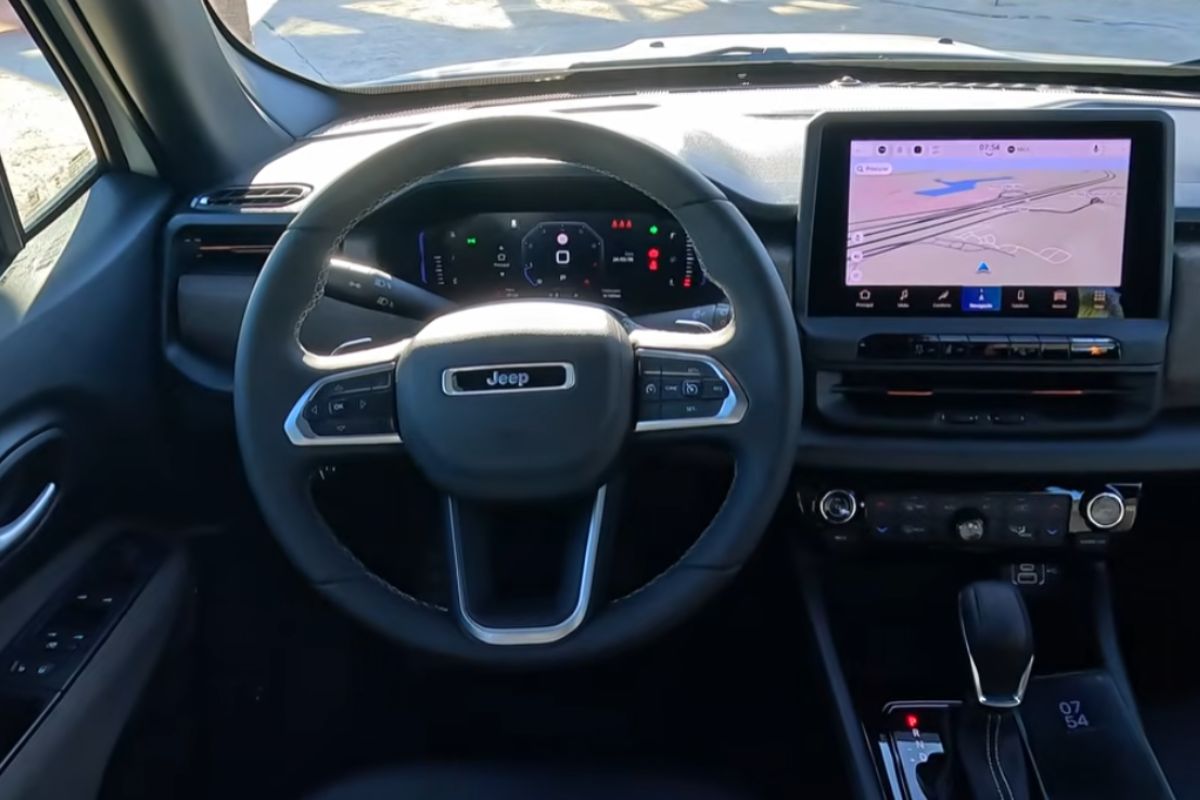
With a mild hybrid system of 48 V, 176 hp and a price of R$ 175,990 in the Sahara version, the new Jeep Renegade changes mostly on the inside, improves slightly in fuel consumption, and remains almost the same car.
-
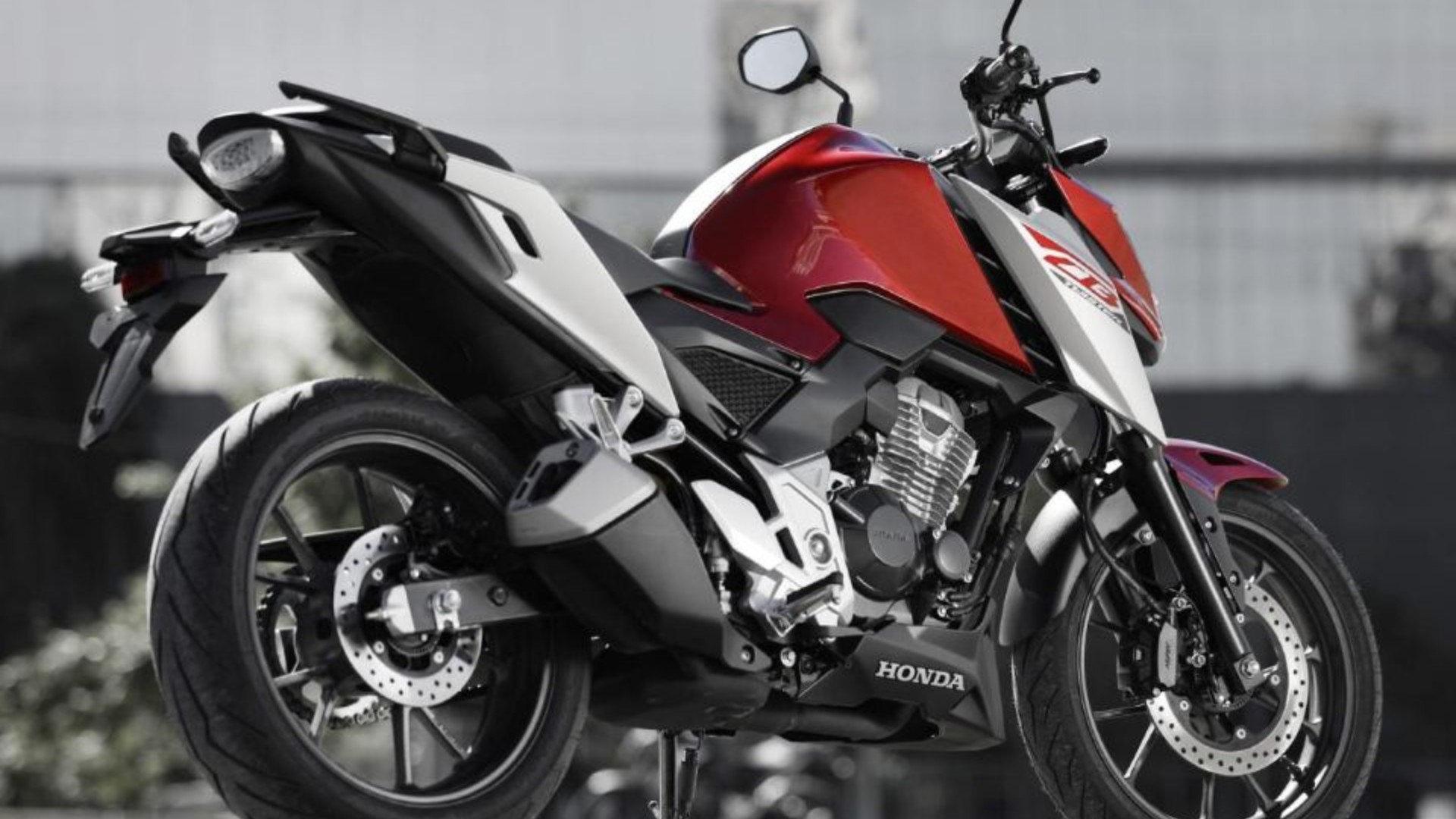
With a 293.5 cm³ engine and a range of up to 400 km with a 14.1-liter tank, the Honda CB 300F Twister 2026 has up to 24.7 hp, an initial price of R$ 25,150, and already exceeds R$ 29,000 in the Fipe Table.
-
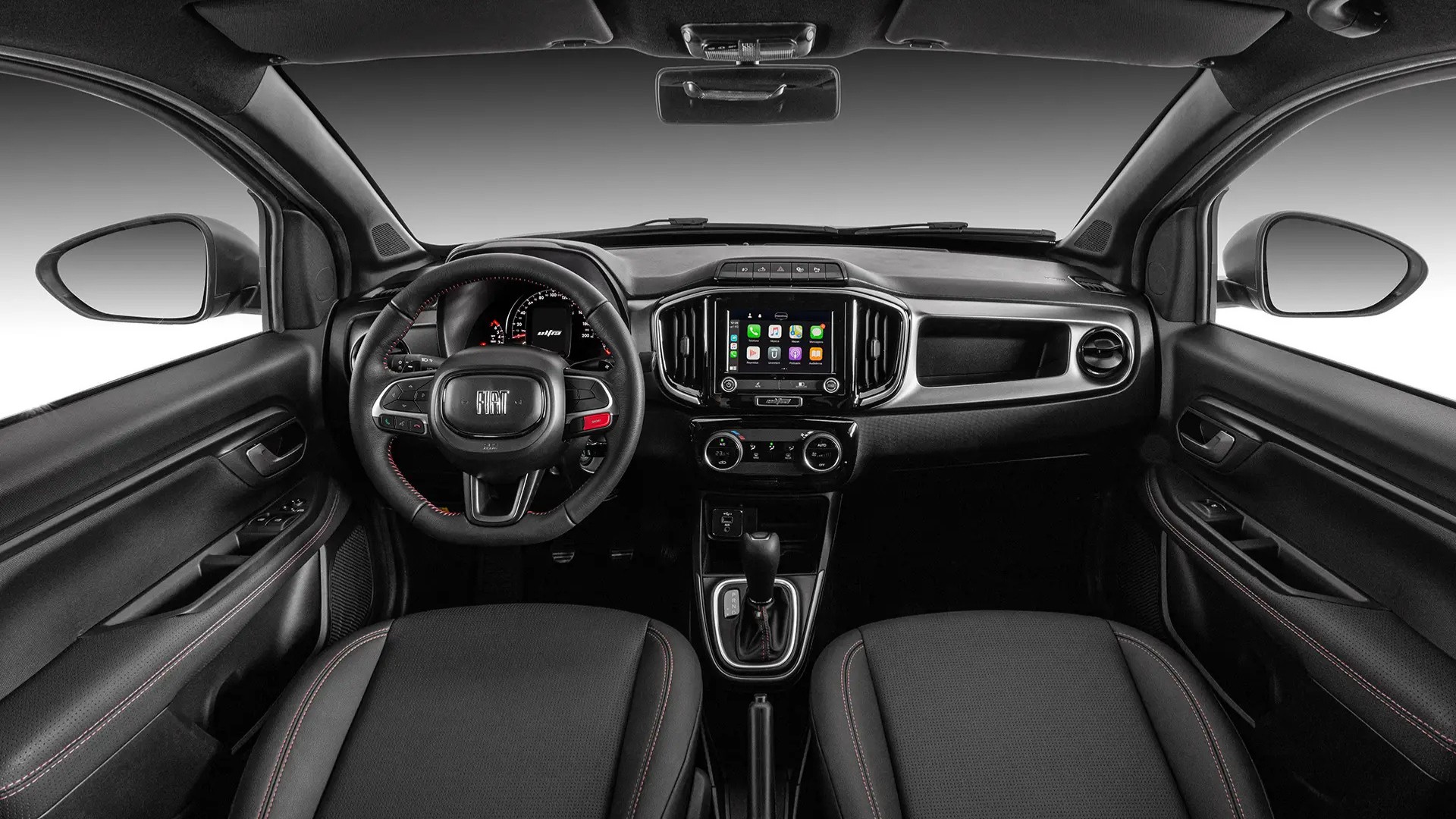
With a 1.3 engine, nearly 700 km of range, and Turbo 200, the Fiat model surpasses Polo, Tera HB20, and Onix, becoming the best-selling car in March; see the numbers for the Fiat Strada and others.
-
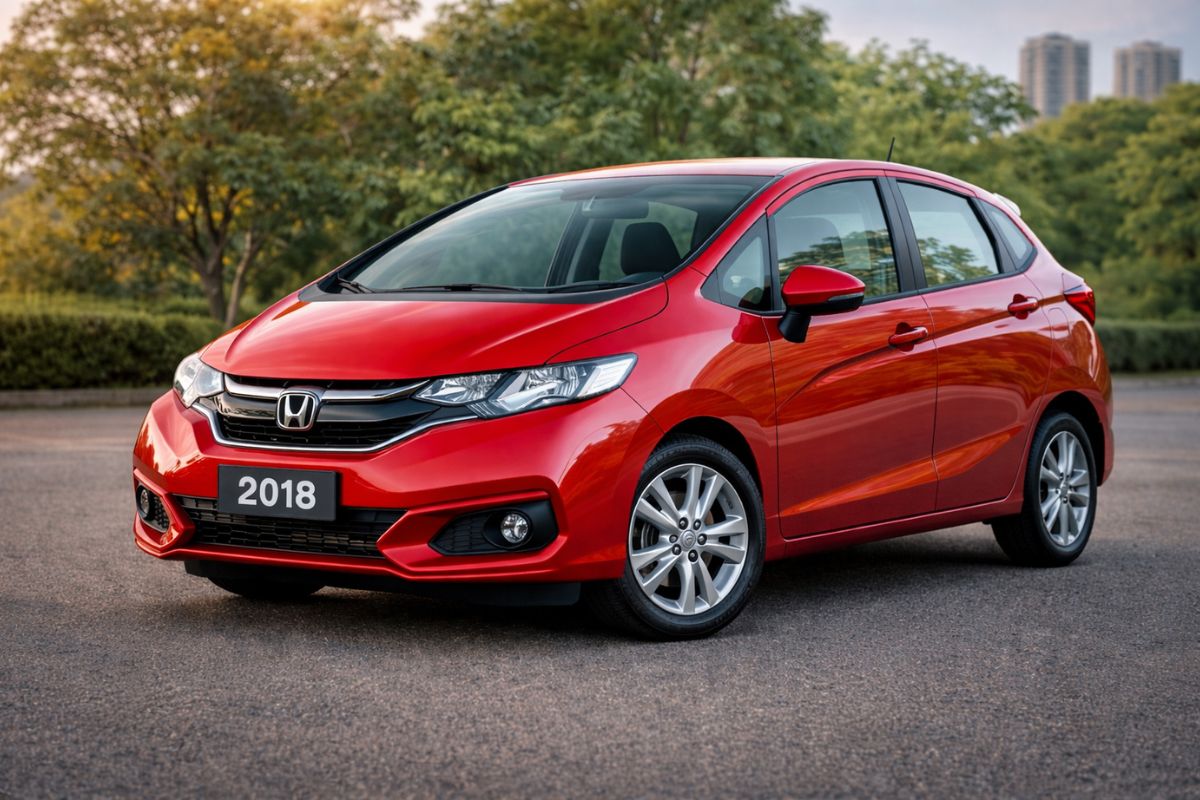
The Honda Fit has been discontinued for years, but the 2018 model is worth more today in the Fipe table than it cost brand new, proving that this used car, valued with a 1.5 i-VTEC engine and Magic Seat, only increases in price.

This innovative vision from Toyota reflects a commitment to sustainability without sacrificing performance. The company anticipates that total electrification will not exceed 30% of the automotive market, leaving a significant demand for traditional and hybrid vehicles in the near future. With this in mind, the company is betting on a new generation of combustion engines that promise to revolutionize vehicle design.
Innovative Approach From Toyota
The new engines will be significantly smaller and more compact, allowing for a more aerodynamic and efficient design. This reduction in engine size will enable Toyota to reposition the hood downwards, resulting in sleeker vehicles with better fuel performance. The idea is that the new engines will not only provide more power but also contribute to better design and efficiency of the vehicles.
The reduction in engine size brings several advantages. Vehicles with smaller engines can be designed with a lower hood, which improves aerodynamics and, consequently, fuel efficiency. Additionally, the decrease in engine weight contributes to better weight distribution in the vehicle, enhancing drivability and stability.
Specifications Of The New Engines
The first engine to be introduced is a naturally aspirated 1.5, which is about 10% smaller in volume and height compared to current engines. In addition to being more powerful, this engine promises to be 10% lighter and more efficient. This 1.5-liter engine is a significant advancement over previous engines, providing an ideal combination of power and fuel economy.
The second engine is a turbo version of the 1.5, which will be 20% smaller in volume than the atmospheric 2.5-liter engines currently in use. This turbo engine will not only maintain the power of larger engines but will also be 30% more efficient, making it a highly viable option for the future. The inclusion of a turbocharger allows the engine to deliver more power without significantly increasing fuel consumption.
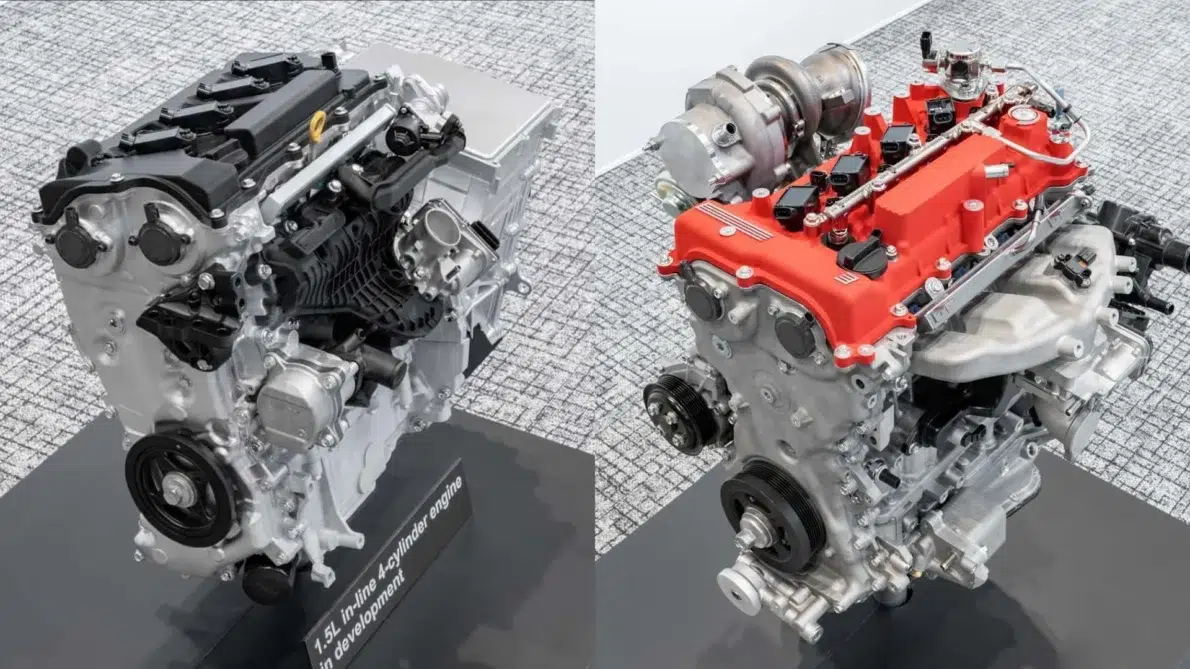
The most powerful in the new line will be a 2.0 turbo, designed to replace the current 2.4 turbo engine used in some models. This new engine will be 10% smaller, significantly more powerful, and up to 30% more efficient. All three engines are inline four-cylinder and will be used in hybrid and plug-in hybrid applications, which are Toyota’s big bet for the coming years. These plug-in hybrid engines promise to offer the best of both worlds: the power and range of a combustion engine combined with the efficiency and low emissions of an electric motor.
Market Arrival
The expectation is that the first vehicles equipped with these new combustion engines will hit the market in 2026. With this new line of engines, Toyota is determined to maintain its leadership position in the automotive industry by offering innovative solutions that combine efficiency, power, and revolutionary design. Consumers can expect vehicles that not only meet their performance needs but also contribute to a more sustainable future.
Toyota’s innovation will not only keep combustion engines alive but also make them more efficient and environmentally friendly. With the introduction of these new engines, the company is prepared to meet market demands and environmental regulations while continuing to provide performance and reliability to its customers. Toyota’s approach demonstrates a continued commitment to innovation and sustainability, staying at the forefront of automotive technology.
The new generation of Toyota engines is a testament to the company’s dedication to creating solutions that meet today’s needs while preparing for tomorrow’s challenges. With a clear focus on reducing emissions and improving efficiency, Toyota is ready to lead the way in a future where combustion engines still have a crucial role to play.
This strategy of developing hybrid and alternative fuel engines reinforces Toyota’s position as an innovative leader committed to sustainability and engineering excellence. By investing in technologies that balance performance and environmental impact, Toyota continues to set the standard in the global automotive industry.









Ao contrário do que um abecula de nome PCC ladrinchava a algum tempo a Toyota não é uma equipa qualquer. Será mesmo a maior e melhor marca a nível mundial. Por isso é que está sempre evoluindo quer tecnologicamente quer em design.
A Toyota na vanguarda do desenvolvimento tecnológico. Estes novos motores vão tornar os automóveis muito mais competitivos em relação aos seus congéneres e tornar a condução muito mais eficaz e agradável. A Toyota está de parabéns.