





 Portuguese
  English
  Spanish
  4 min of reading
  22 comments


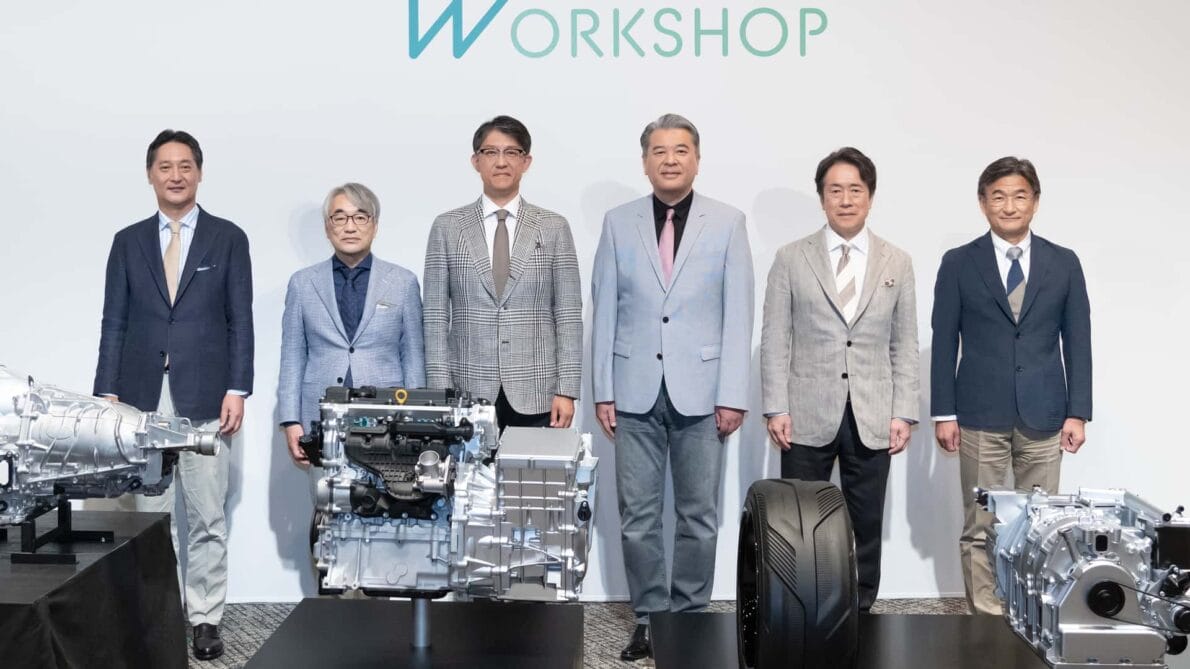

Strategic Partnership Between Automotive Giants for Cleaner and More Efficient Propulsion Amid Environmental Pressures!
The Japanese automotive giants Toyota, Mazda, and Subaru are joining forces in an ambitious project: to develop the next generation of combustion engines. In a joint announcement, the three brands revealed their commitment to preserving traditional engines, making them more sustainable and aligned with global decarbonization demands. But how will this collaboration actually work? Let’s explore the details of this innovative partnership, according to motor1.
Toyota: The Vanguard of Combustion Engines
The Toyota is one of the most iconic brands when it comes to combustion engines. With a history dating back to the early 20th century, Toyota has been a pioneer in automotive technologies and, especially, in engines. Their legendary four-cylinder engines, such as the famous 2JZ-GTE, have gained a reputation for their reliability, performance, and modifiability. Toyota has also led the way in fuel efficiency with its hybrids, such as the Prius. Even with the rise of electrification, Toyota continues to invest in research and development of combustion engines, ensuring they remain relevant and efficient.
Mazda: The Charm of Rotary Engines, The Unmistakable Sound
Mazda is known for its passion for rotary engines. The legendary RX-7 and RX-8 are brilliant examples of this tradition. Mazda’s rotary engines have a unique characteristic: the unmistakable sound that echoes when the throttle is pressed. These engines, while less fuel-efficient, captivate enthusiasts with their smooth power and quick response. Mazda continues to explore this technology, and fans eagerly await a worthy successor to the RX-7.
-
A 250cc motorcycle that can reach 560 km with a 14-liter tank, features disc brakes on both wheels and is among the most well-known in Brazil.

-
Man finds over 200 rare cars abandoned on a lot and tries to do the impossible in 8 hours with a surprise at the end.

-
An irregular parking case gains attention after a Mercedes Classe A was removed in such a strange way that it even raised doubts about damage to the car.

-
Costing R$ 16,000, the new Yamaha features a 125 cc hybrid engine with electric assistance, delivers 8.3 hp, includes ABS, optimized fuel consumption, Y-Connect connectivity, 25 liters of storage space, and a surprising 4-year warranty in the urban segment.



Subaru: All-Wheel Drive and Boxer Engines
Subaru is synonymous with all-wheel drive and boxer engines. Their flat four-cylinder engines offer a low center of gravity, improving vehicle stability and handling. Boxer engines also have a uniform weight distribution, making Subaru cars agile and fun to drive. Furthermore, Subaru is known for its passion for rally and adventure. Their combustion engines power the iconic WRX and WRX STI, which have captured the hearts of speed and adrenaline enthusiasts. Subaru continues to enhance its boxer engines, combining performance and reliability to tackle any terrain.
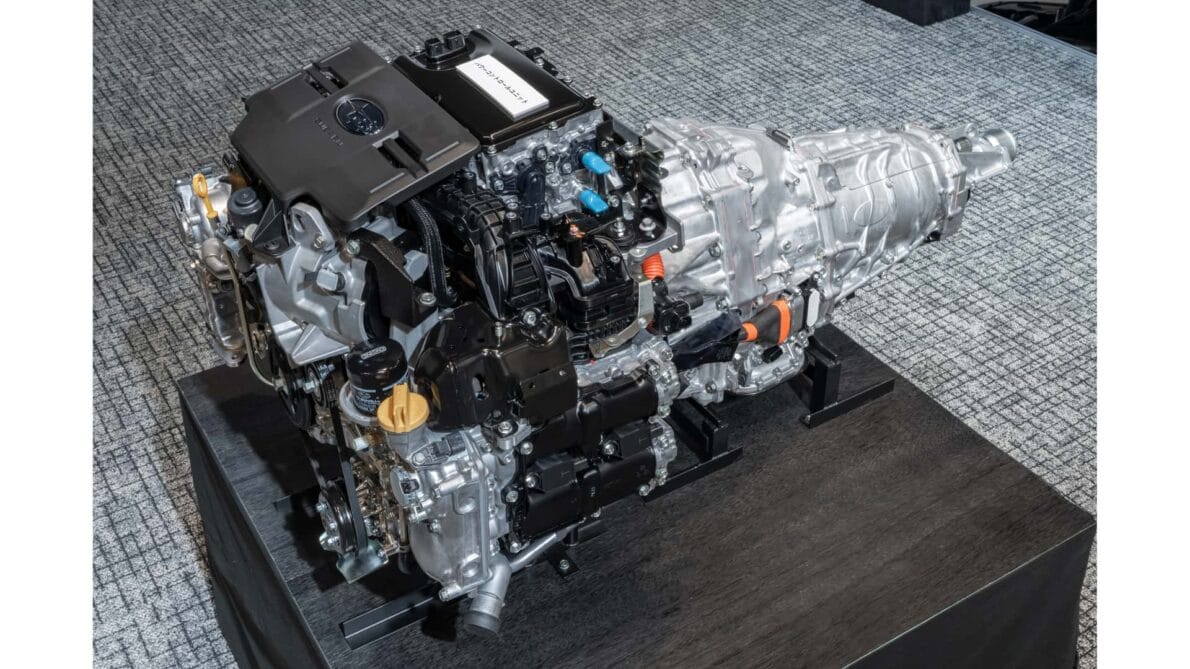
The Context of Electrification and the Persistence of Combustion Engines
With the advancement of electrification and the growing popularity of electric vehicles, many have speculated about the future of combustion engines. However, the reality is that these engines still have an important role to play. The partnership between Toyota, Mazda, and Subaru recognizes this reality and seeks to optimize conventional engines to meet environmental challenges.
The Three Pillars of Collaboration
1. Knowledge and Technology Sharing
The three automakers are committed to sharing their expertise and technology to enhance combustion engines. Thus, Toyota, with its expertise in hybrids and efficiency, Mazda, known for its rotary engines, and Subaru, famous for its boxer engines, form a diverse and complementary team. Together, they can accelerate development and reduce costs.
2. Compact and Adaptable Engines
Therefore, the new generation of engines will be designed to be compact and compatible with various carbon-neutral fuels. This means these engines will be able to run on biofuels, liquid hydrogen, and even synthetic fuels. Flexibility is key to ensuring that combustion engines remain relevant in a constantly changing world.
3. Efficiency and Sustainability
The engines resulting from this collaboration will be more efficient and take up less space under the hood. This will allow for greater design freedom for cars, better aerodynamics, and consequently, greater efficiency. Imagine a compact, powerful, and environmentally friendly engine powering your next vehicle – that is exactly what these automakers are seeking.
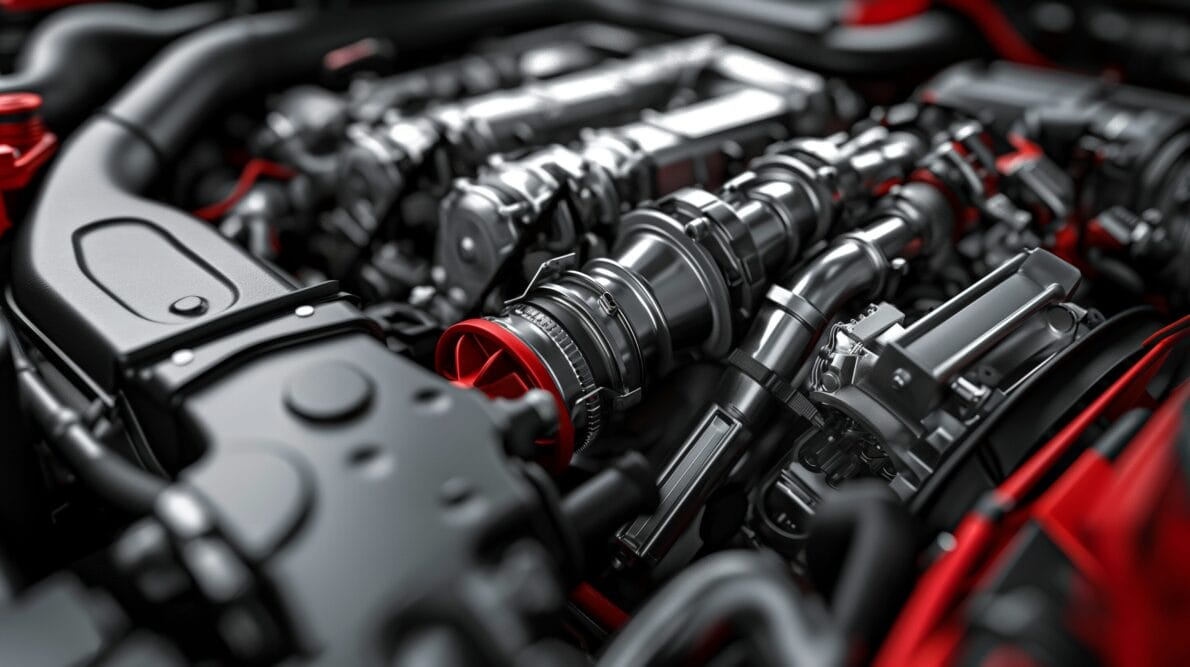
Toyota, Mazda, and Subaru: The Future of Combustion Engines?
However, in a scenario where electric vehicles gain more and more prominence, the partnership between Toyota, Mazda, and Subaru is a bet on the future of combustion engines. These companies are determined to prove that, even in an electrified world, traditional engines still have a lot to offer. Therefore, get ready to see cleaner, more efficient, and adaptable engines on the roads – a perfect combination of tradition and innovation!
So, who would have thought that the good old combustion engines would still play such an important role, huh? Let us know if you are in favor of continuing or ending combustion engines!








Boa, se temos petróleo vamos usar até acabar, e de outro lado capturar o CO2 para outros fins infdustrias, inclusive produzir gasolina..
A decisão destas montadoras está bem assertiva. Elétrico não é para qualquer um (financeiramente falando) e ainda temos o risco que as baterias ainda proporcionam. O mercado do carro a combustão ainda vai continuar existindo por um longo tempo. Na minha humilde opinião, a montadora que abraçar fortemente as bolhas ambientalistas e ir na onda do momento será fadada a desaparecer.
Continuar sem duvida nenhuma, esses motores elétricos que nem um barulho fazem,parece que vc esta dirigindo uma maquina de lavar