





 Portuguese
  English
  Spanish
  3 min of reading


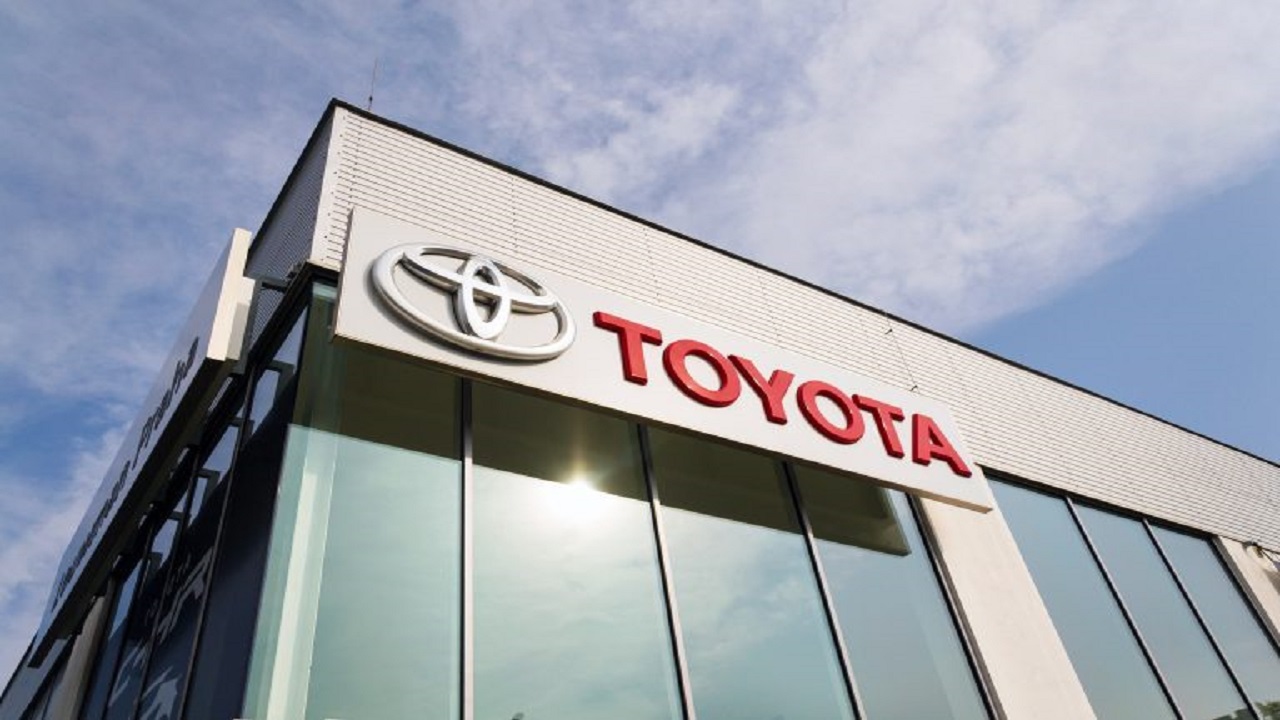
Global Automakers And Tech Companies Are Accelerating The Pace When It Comes To Building Factories And Preparing For What Many Believe Will Be A Rapid Transition From Combustion Engines To Electric Cars.
On Monday, Toyota, Stellantis, Foxconn, Ford, and Volvo made announcements regarding electric vehicle components or plans to raise capital to finance the transition. These moves precede Ford and General Motors’ earlier plans to build five battery factories in the United States in anticipation of the shift to electric cars.
Read Also
Electric Car Market Grows Around The World And Toyota Invests In New Factory
Currently, only 4.8% of the approximately 80 million new vehicles sold globally run exclusively on electricity, according to LMC Automotive. But consulting firm Alix Partners predicts this will increase to 11% by 2025 and 24% by 2030. If plug-in hybrid gas-electric vehicles, which can travel short distances solely on electricity, are included, this number rises to 28% in 10 years.
At the same time, Alix Partners forecasts that global sales of gasoline and diesel vehicles will drop from the current 89% to about 39% by 2030. Gas-electric hybrids, which run on gasoline and electricity simultaneously, will increase from 7% currently to 33% by 2030.
-
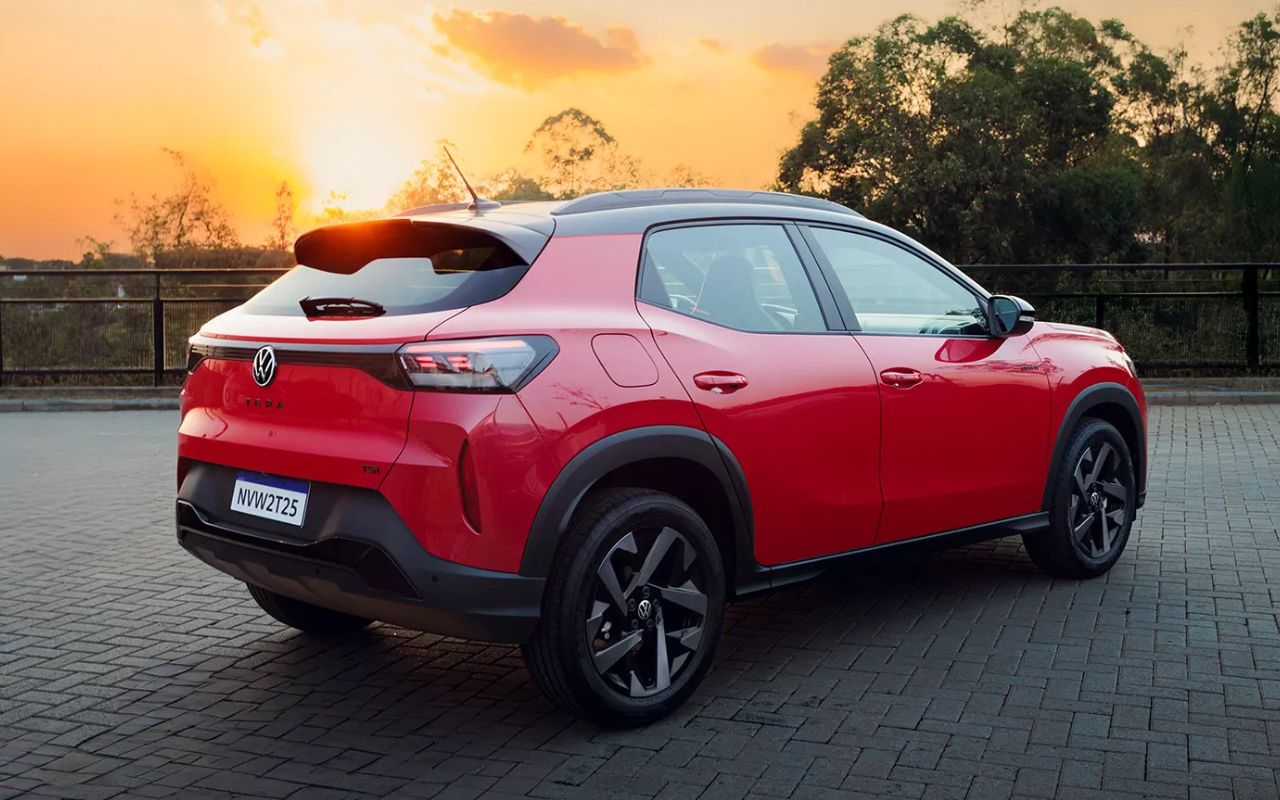
It surpassed the T-Cross, Creta, and Tracker: with nearly 8,000 units sold, the Volkswagen Tera was the best-selling SUV in March 2026.
-
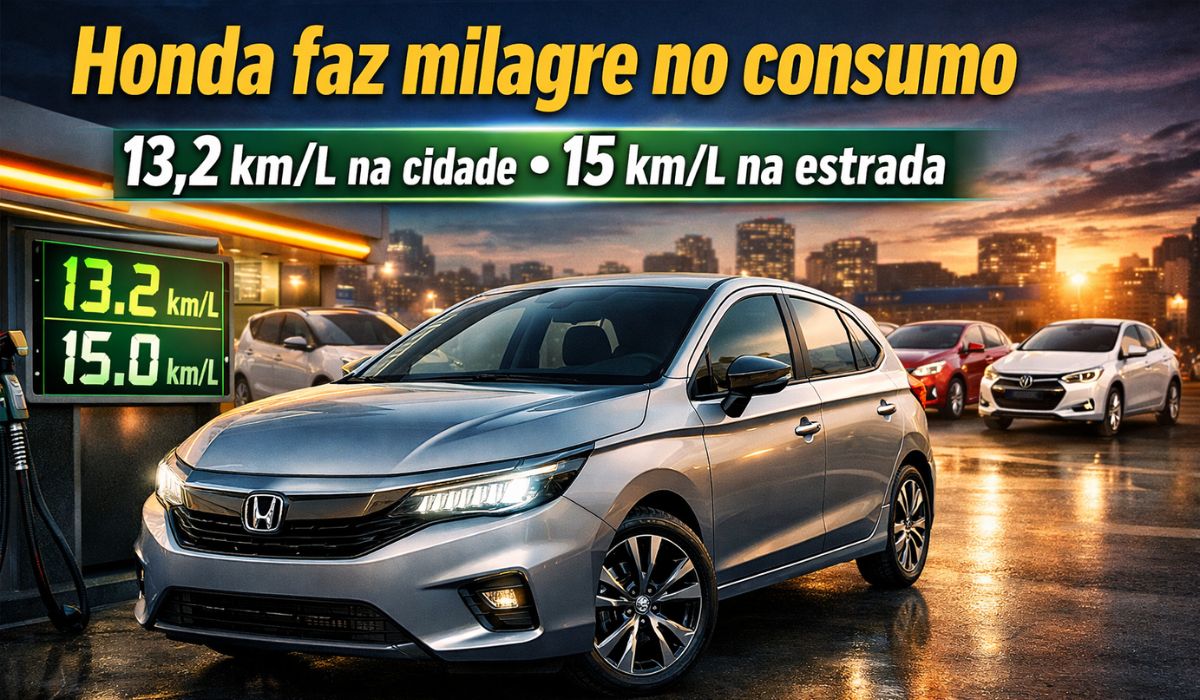
Honda performs miracles in fuel consumption with a hatch that marks 13.2 km/l in the city and 15 km/l on the highway, leaving Polo, HB20, 208, and Onix behind and becoming a reference among compact cars without resorting to turbo or hybrid systems.
-
Six diseases that seem common but can prevent the renewal of the driver’s license for the elderly throughout Brazil and surprise experienced drivers — could any of them affect you without showing clear signs?

-
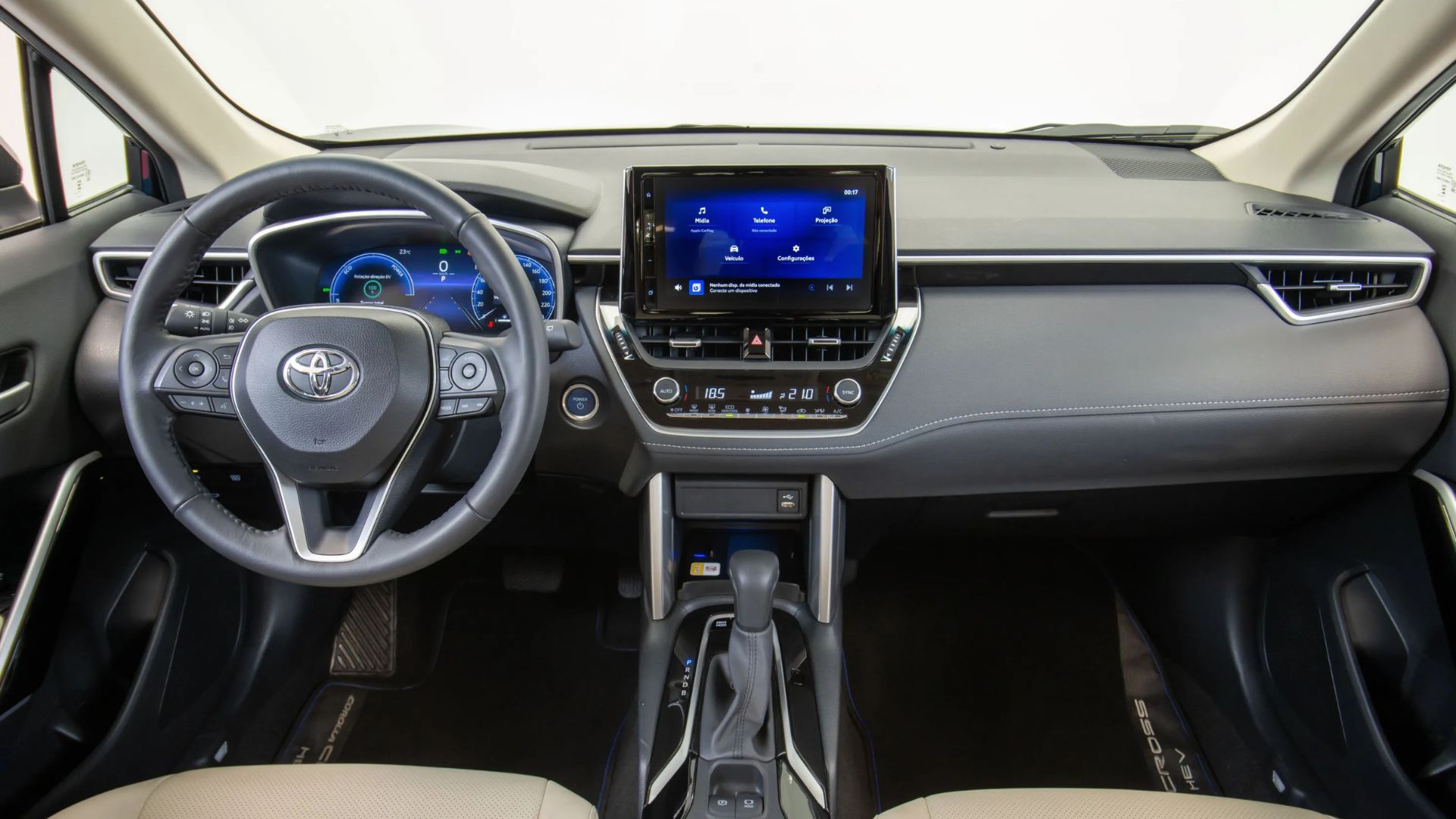
With 122 hp, fuel consumption of up to 17.7 km/l, and a trunk capacity of 440 liters, this hybrid SUV impresses even though it costs up to R$ 47,000 more than the Yaris — meet the Toyota Corolla Cross.

“We are all trying to determine how customers will accept electric vehicles,” said Chris Reynolds, Toyota’s Chief Administrative Officer in North America, in an interview with The Associated Press. “We don’t know for sure, but we have to be ready.”
New Toyota Factory
Toyota said it plans to build a new $1.29 billion factory in the United States to manufacture batteries for hybrid and fully electric vehicles. The location has not been announced, but the company stated it will eventually employ 1,750 people and begin battery production in 2025, gradually expanding until 2031.
The factory is part of the $3.4 billion Toyota plans to spend in the United States on automotive batteries over the next decade. It did not specify where the remaining $2.1 billion would be spent, but part of it is likely to go to another battery factory.
Stellantis and LG Energy Solution highlighted on Monday that they plan to build a battery factory to help the automaker get 40% of its sales in the U.S. from vehicles that run at least partially on electricity by 2030. The automakers did not reveal where the plant will be built.
Also on Monday, the Taiwanese company that manufactures smartphones for Apple and others, Foxconn Technology, emphasized that it would produce electric cars and buses for automotive brands in China, North America, Europe, and other markets.
Automakers Start To Follow The Business Model Of Tesla And Ford
The changes began to emerge shortly after Ford and General Motors recently announced significant investments in battery factories in the United States.
GM plans to build battery factories in Ohio and Tennessee, while Ford has plans for factories in Tennessee and Kentucky. Toyota will form a new company to manage its new electric vehicle battery factory in the United States with Toyota Tsusho, a subsidiary that currently manufactures a range of parts for the automaker.
The company will also help Toyota expand its supply chain in the United States, as well as enhance its knowledge of lithium-ion automotive batteries.








Seja o primeiro a reagir!