





 Portuguese
  English
  Spanish
  3 min of reading


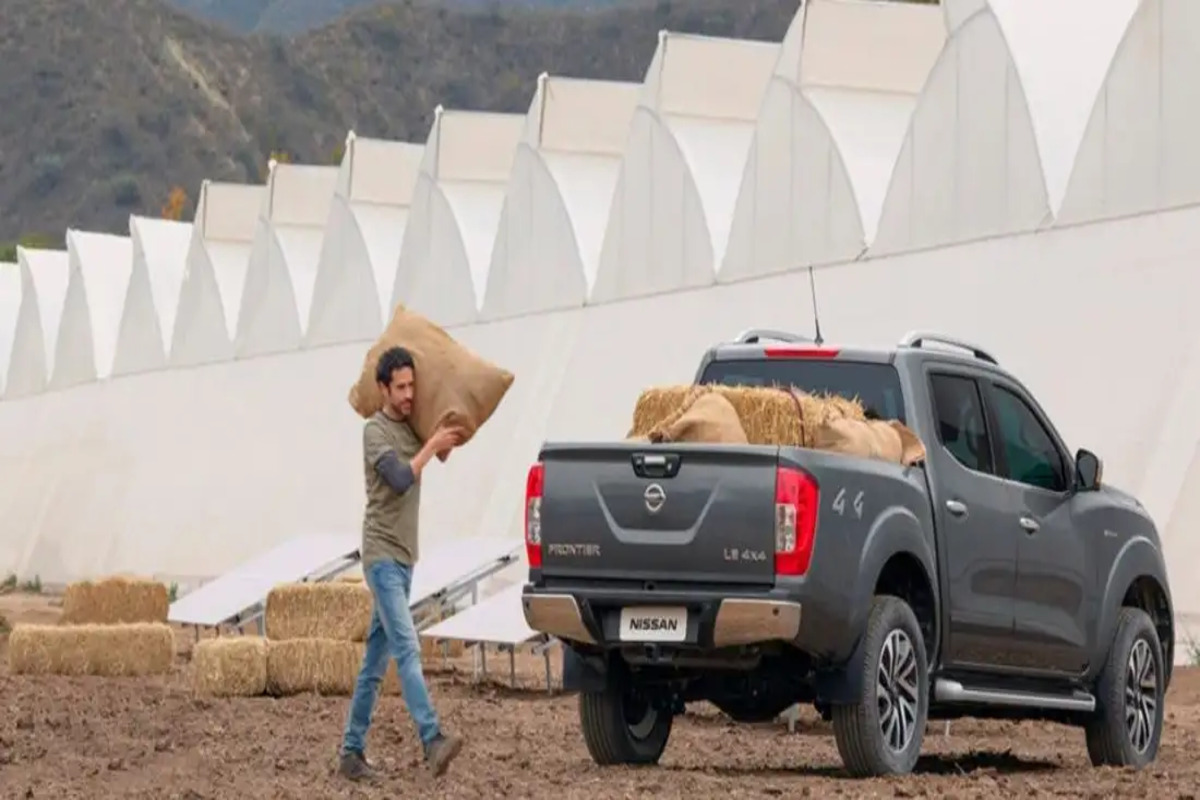
Professionals in the Agricultural and Agro Areas in the States of Brazil Now Have Access to Special Financing for Utility Vehicles. Bill 1280/2019, Authored by Senator Luis Carlos Heinze (PP-RS), Offers Special Conditions for These Professionals Up to a Total Amount of R$ 150 Thousand. Don’t Miss the Opportunity!
The Agriculture and Livestock in Brazil are Driven by Consulting, Technical Assistance, and Rural Extension Activities. According to a Survey Conducted by the Chamber of Deputies, More Than 2856 People Voted in Favor of Approving the Matter, While Only 118 Opposed. If You Want to Contribute to This Important Project, Check the Details of What You Need to Do!
The Extinction of EMBRATER – Brazilian Company for Rural Extension, Created a Significant Gap in the Rural Area, Which Has Been Filled by Professionals and Offices of Agricultural Sciences. These Workers Have Faced Long Hours and Need Utility Vehicles to Perform Their Work, Making Them Indispensable.
The Project Authorizes Professionals from Various Areas, Such as Agricultural Engineering, Forestry, Agronomy, Veterinary Medicine, Animal Science, and Agricultural Techniques, Registered with Their Respective Professional Councils, to Conduct Personal Credit Operations with a Maximum Limit of R$ 150 Thousand. Interest Rates Will Be the Same as Rural Credit (Low or Subsidized), and Payment Can Be Made Over Up to 60 Months.
-
Alone, the producer applies 7,400 hectares with the T100 drone in an optimized structure, replaces the generator with a silent battery, and demonstrates how technology reduces costs, increases productivity, and even challenges the uniport in the field.

-
China banned the export of 22 tons of meat from Argentina.

-
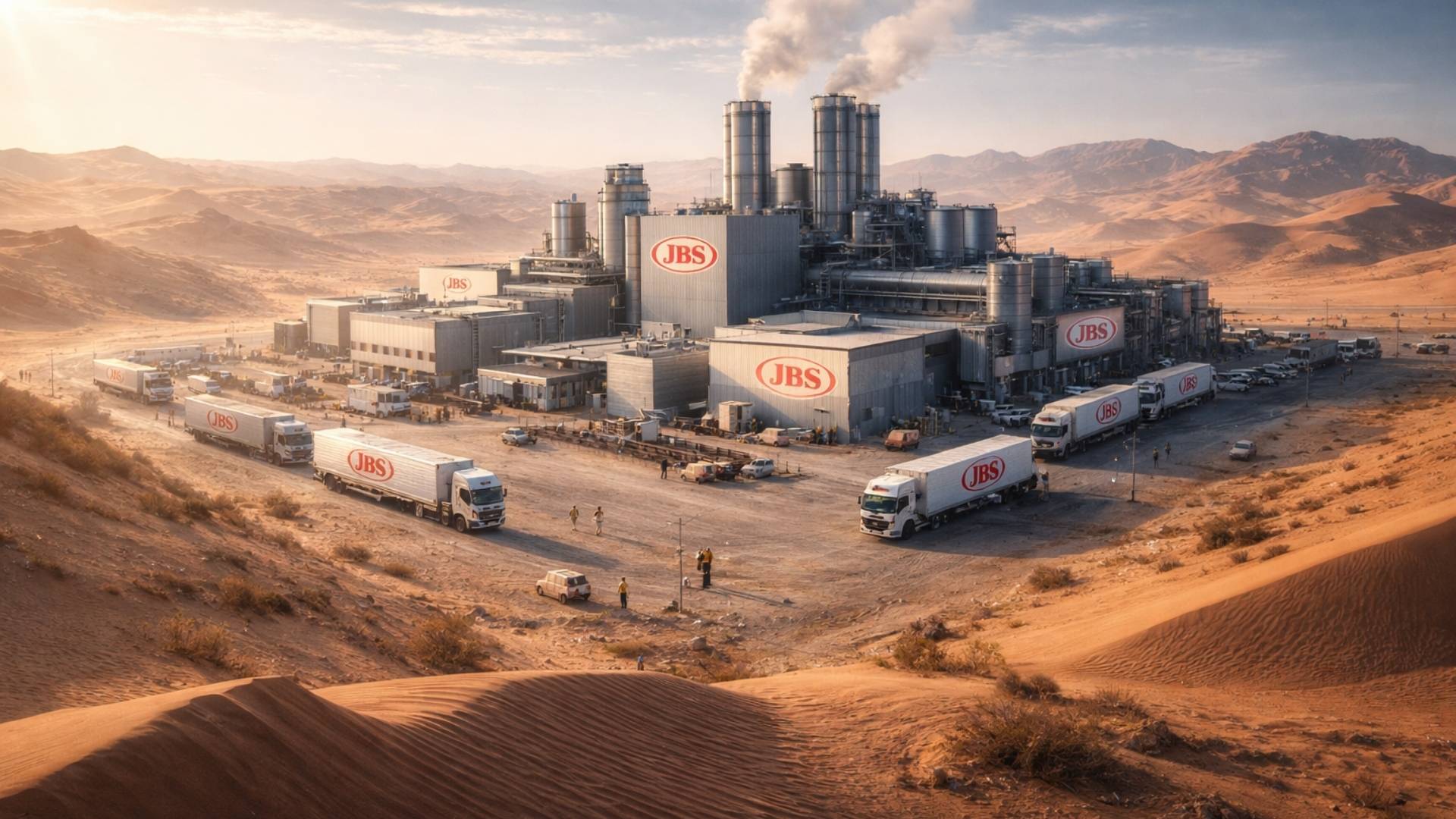
JBS, founded by the Batista brothers, continues to conquer the world: entrepreneurs built a ‘factory in the desert’ creating 3,000 jobs.
-
With only 1% of Brazil’s territory, Santa Catarina has built one of the most competitive industrial parks in the country, with 64,000 companies, nearly 1 million jobs, and a growth rate of 5.3% while the national industry is practically stagnant.


The National Rural Credit System Offers Special Conditions for Acquiring Utility Vehicles by Professionals in Agricultural Sciences, Such as Agronomy Engineers, Forestry Engineers, Veterinarians, and Animal Scientists. Take Advantage of This Great Opportunity to Make Acquiring the Vehicle You Want Easier!
Economy | Financing for the Agricultural Sector


Documents to Participate
Those Interested in Acquiring Utility Vehicles with Financing Need to Present to Financial Institutions Proof of Registration in Professional Councils, Certificates of Completion of Agricultural Science Courses, and Other Essential Documents.
The Resale of the Vehicle is Prohibited, Except in Cases of Transfer to Other Borrowers Who Meet the Requirements and When Total Loss of the Vehicle is Proven, Sold as Scrap. It is Also Established That Every Five Years an Individual Can Only Obtain One Financing.
Processing
The Project is Underway and Has Been Sent to the Economic Affairs Committee for Analysis. The Last Time it Was Discussed by the Chamber Was at the End of Last Year, but It Still Needs to Be Voted on in the Plenary to Be Approved.
Motorcycles of Up to 150 Cubic Centimeters Will Be Able to Benefit from the IPVA Exemption! Starting January 1 of Next Year, the Entire National Territory Can Benefit from This New Law. Don’t Miss This Opportunity and See the Details to Ensure You Won’t Pay IPVA for Your Motorcycle!
Senator Chico Rodrigues (DEM-RR) Justified the IPVA Exemption for Motorcycles by Arguing That 85% of These Buyers Belong to Classes C, D, and E, Who Use These Vehicles as a Daily Means of Transport to Work, Due to the Lack of Safe and Accessible Options. Furthermore, Light Vehicles Do Not Cause Damage to Roads and Paved Surfaces, Making Them a Good Option for the Allocation of Resources Collected by IPVA.
The CAE Rapporteur, Senator Mecias de Jesus (Republicans-RR), Voted in Favor of the Project Establishing a Standardized Rate. According to Him, This Helps Prevent and Deter Possible ‘Fiscal War’ Among States, Since Currently Rates Vary Depending on Location, Resulting in Different Tax Burdens on the Same Product.
Moreover, This Difference Stimulates Taxpayers to Register Their Movable Assets in States with Lower Rates, Which Ends Up Depriving Resources for States and Municipalities Subject to Tax Sharing. For This Reason, the Senator Considers it Important That This Project Be Approved to Standardize the Rate, Ensuring Greater Balance in the Distribution of Taxes.









-

Uma pessoa reagiu a isso.