





 Portuguese
  English
  Spanish
  3 min of reading
  0 comments



Learning How The Brain Works Is More Efficient Than Extending Working Hours And Can Transform Your Routine With Less Effort
The idea that productivity is linked to long work hours is being challenged by neuroscientists and performance specialists. The truth is that productivity does not mean working more hours, but rather understanding how the brain operates and using this to your advantage.
According to studies cited by Fast Company and universities such as Stanford and Waterloo, it is possible to improve performance with simple strategies: respecting brain cycles, prioritizing difficult tasks at the right times, and avoiding multitasking. All this without needing to work longer.
Understanding The Brain Is The New Way To Produce More
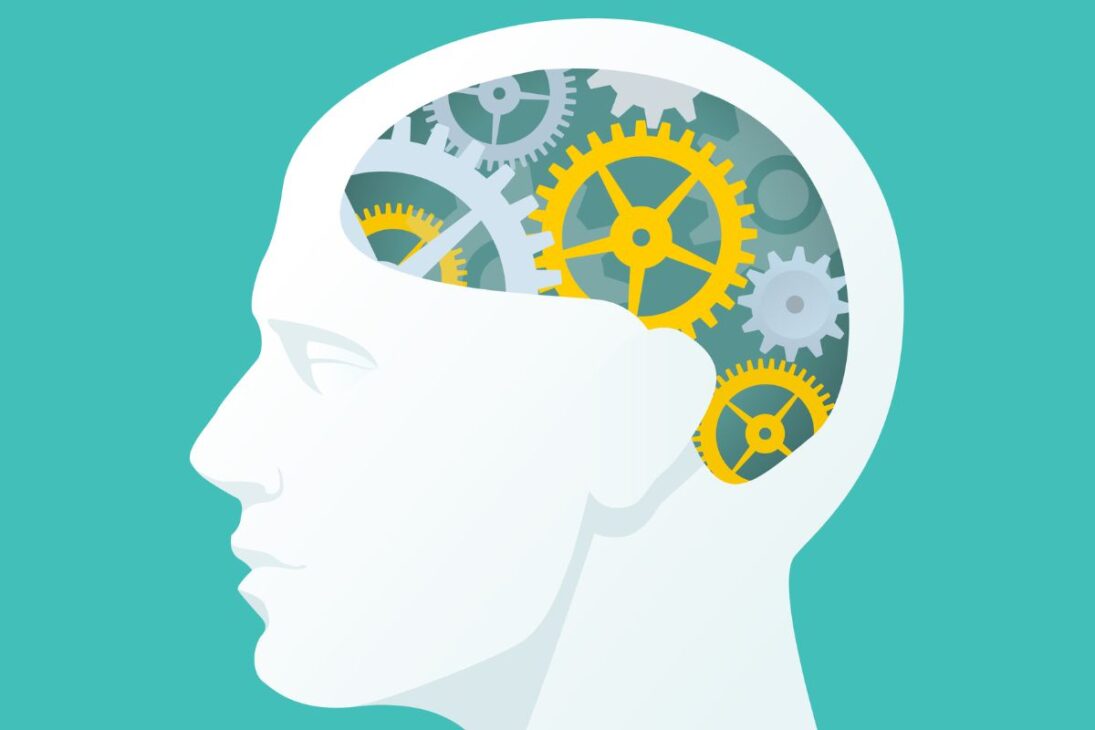
The idea that productivity does not mean working more hours gains strength with scientific evidence. The brain operates in concentration cycles called ultradian rhythms, lasting between 90 and 120 minutes. After this period, the mind needs breaks to maintain efficiency. Working while ignoring these cycles generates fatigue and performance drops.
-
Brazilian fish that lives out of water and hides inside dry logs intrigues scientists and reveals one of the rarest adaptations of mangroves.

-
The Brazilian Navy puts on a show in a complex operation in the Atlantic and rescues an African ship adrift for almost 60 days, with 11 crew members, a rudder failure, no communication, environmental risk, and a mission 1,200 km from the coast.

-
A 68-meter tower, which housed a historic brewery in the heart of Germany’s port, balances on a small base and uses activated core concrete for cooling that reduces the need for air conditioning.

-
For decades, a 50-kilometer ring structure in the middle of the Sahara has puzzled scientists: visible from space, it reveals layers of millions of years and turns the desert in Africa into a geological mystery.


Experts recommend dividing the day into intense focus blocks, with short breaks in between. This improves performance and reduces stress. Instead of working more, the secret lies in working with more awareness.
Cognitive Strategies That Work
Another crucial point is the organization of tasks. In the early hours of the day, the brain is “fully charged” and the prefrontal cortex operates at higher capacity. Therefore, it is important to start with the most challenging and creative activities and leave routine or administrative tasks for later.
Additionally, studies from Stanford University show that the brain is not multitasking. Trying to do several things at once can reduce efficiency by up to 40%. The solution is to compartmentalize tasks, grouping similar activities and focusing on one at a time.
Mental Triggers And Focus Rituals

Creating “triggers” to enter a state of concentration also helps. Research from UCLA indicates that actions such as tidying up your desk or listening to a specific song activate brain areas associated with attention. This reduces the time it takes for the brain to “engage” in a new task.
Using task lists also helps relieve working memory. According to a study from University College London, the mind can only handle about seven elements at a time. Writing down commitments and ideas frees up space for focus and creativity while combating the so-called Zeigarnik Effect, which generates anxiety over unfinished tasks.
Small Rewards, Big Results
Finally, motivation is sustained by frequent rewards. The release of dopamine upon completing a task creates a sense of well-being that encourages continuity. Rather than waiting for success at the end of a large project, it is ideal to create small daily goals and celebrate them.
These strategies prove that productivity does not mean working more hours, but rather adjusting the routine to the functioning of the brain. It is possible to produce more, with less effort and more quality of life.
What else hinders your productivity on a daily basis? Let us know in the comments.








Seja o primeiro a reagir!