





 English
  Francês
  Alemão
  Italiano
  Japonês
  Norueguês
  Portuguese
  Spanish
  4 min of reading
  0 comments


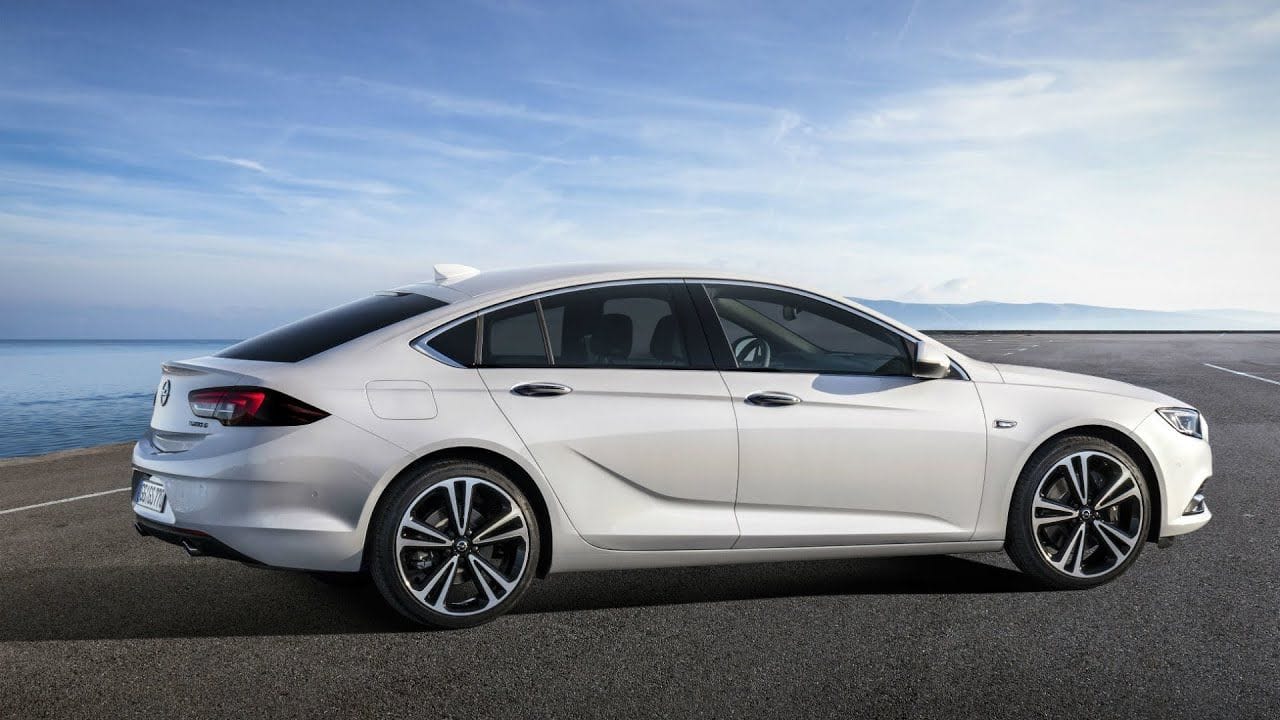
After a Remarkable Trajectory in Brazil, the Chevrolet Vectra, an Icon of Sedans, Finds Its Successor in the Opel Insignia, Promising to Revive the Legacy of Success with Innovations and Modern Design.
The announcement of the launch of the Opel Insignia, successor to the revered Chevrolet Vectra, has stirred a mix of nostalgia and anticipation. The Vectra, which left an unforgettable legacy in Brazil, is remembered as a symbol of status, reliability, and innovative design. Now, under the auspices of Opel in Europe, the Insignia emerges as the modern reincarnation of this classic, promising to bring back the splendor of sedans to the automotive market.
The Chevrolet Vectra won the hearts of Brazilians since its launch in 1993, standing out as a mid-sized sedan that combined elegance, performance, and comfort. Its various versions, including the Quantum and the Executivo, catered to a wide range of consumers, from families seeking space and safety to executives who saw the Vectra as a symbol of professional success.
Engine of the Successor of the Chevrolet Vectra, the Opel Insignia


With engine options including turbocharged 1.5 and 2.0-liter configurations, the Insignia promises performance and efficiency. Its modern setups offer a dynamic driving experience, supported by an extensive list of driver assistance features, including ABS brakes on all four wheels, stability control, collision warning, among other advanced features.
-
Engineers propose a fourth traffic light for intersections – the change promises to affect crossings, queues, and waiting times.

-
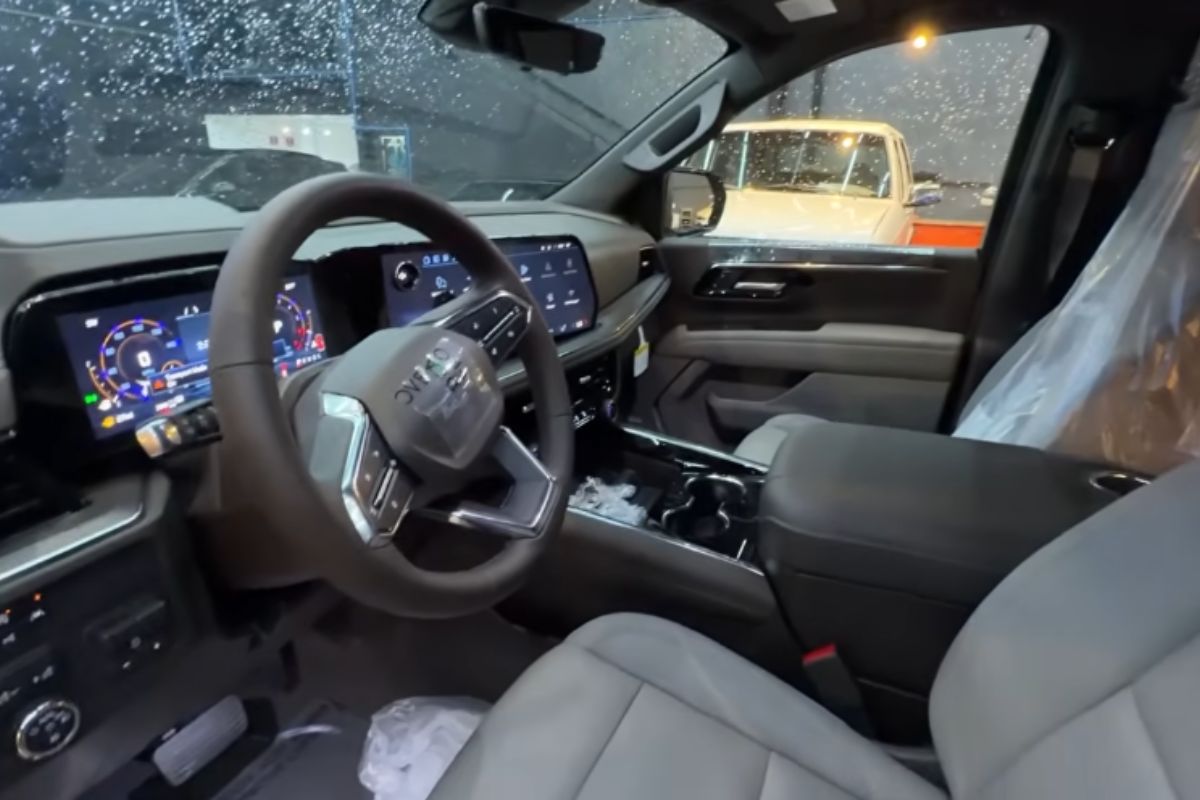
Chevrolet Suburban Z71 lands in Brazil with a V8 engine, off-road design, air suspension, seven seats, and colossal size, a rare version imported for around R$ 1.3 million with luxury and exclusivity.
-
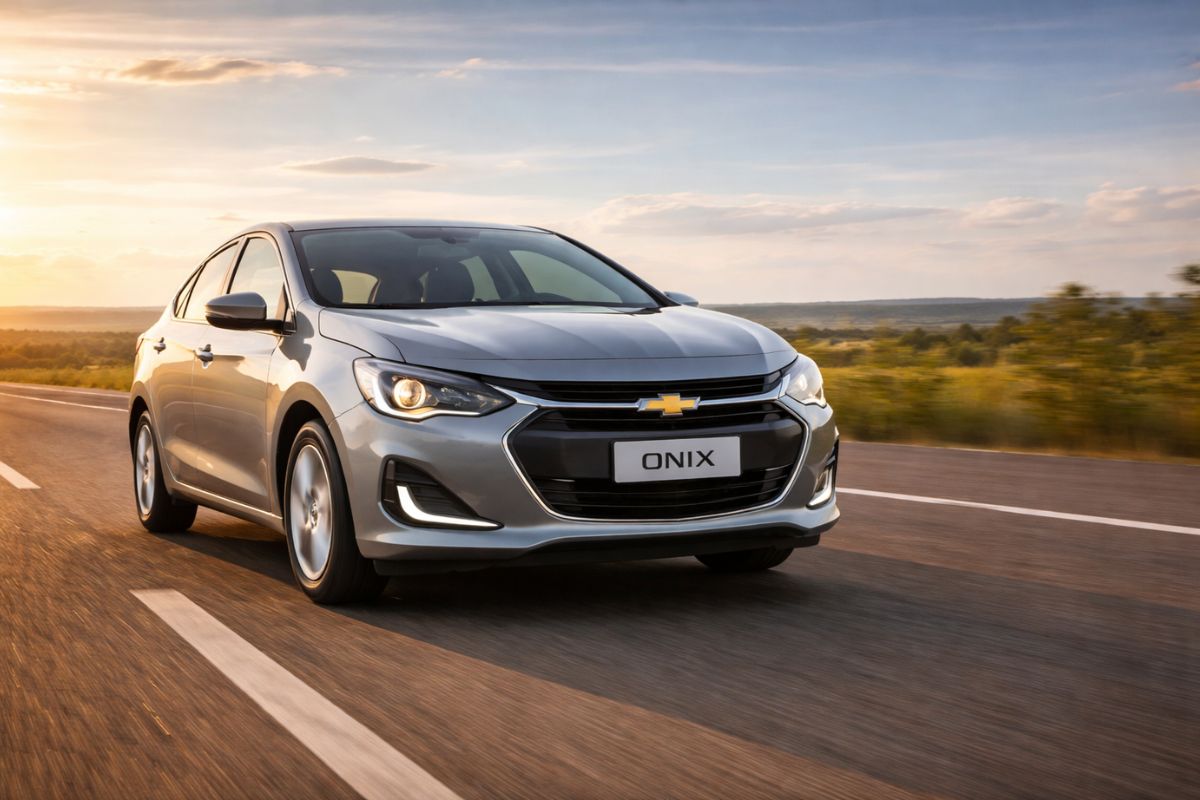
The Chevrolet Onix 1.0 turbo achieves 17.7 km per liter on the highway and ranks among the three most economical cars in Brazil in 2026, alongside two more expensive Toyota hybrids available at dealerships.
-
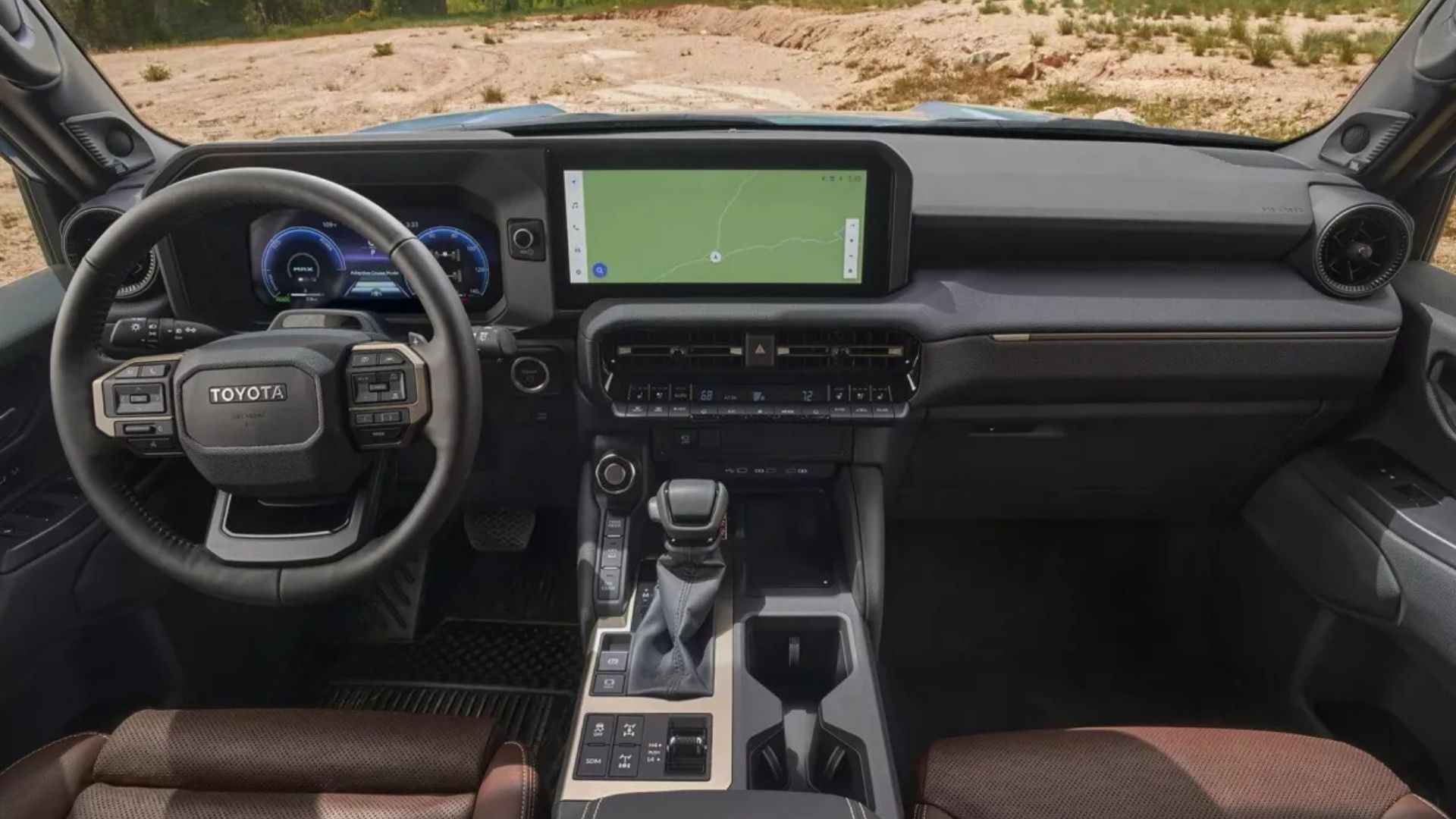
Little sister of the Hilux: Toyota launches Land Cruiser FJ with 4 radical versions, 2.7 engine with 166 hp and 4×4 traction with locking.

The Insignia, known in Europe as the direct successor to the Vectra, promises to revive the prestige of its predecessor with an even bolder design and cutting-edge technologies. The vehicle catches attention for its modern aesthetic, which includes a front grille with chrome accents, LED headlights, and a profile that suggests dynamism and elegance. Internally, the Insignia impresses with meticulous finishing, offering high-quality materials and a range of equipment that ensures comfort and safety.
A Request from Enthusiasts: ‘Bring It to Brazil!’
Although the Brazilian automotive market has evolved, with a growing preference for SUVs and crossovers, the appeal for sophisticated and well-equipped sedans like the Insignia remains strong. The arrival of the Insignia in Brazil, although challenging due to market and import issues, would be a tribute to the legacy of the Vectra and a gift for car enthusiasts who value design, performance, and technology.
The Insignia, as the spiritual successor to the Chevrolet Vectra, not only promises to revive the glory days of sedans in Brazil but also to establish a new standard of sophistication and technology. “Bring it to Brazil!” is not just a request from enthusiasts, but a call to revive an era when the design and performance of sedans were celebrated. With the Insignia, Chevrolet has the opportunity to reconnect with a loyal fan base and introduce a new generation to the unforgettable legacy of the Vectra.
Success of the Chevrolet Vectra in Brazil
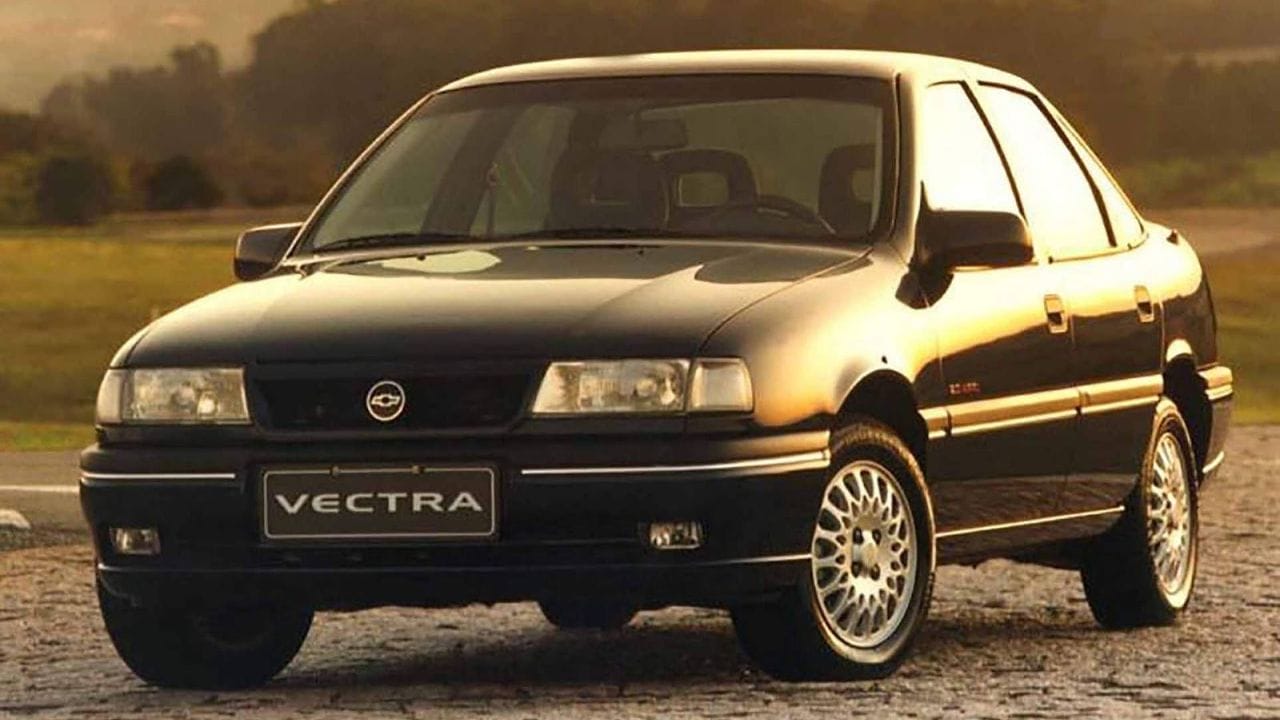
Since its introduction in Brazil in 1993 until the end of its production in 2011, the Chevrolet Vectra represented more than just a car; it was an icon of an era, a landmark of success and innovation in the national market. Emerging in the market to replace the Chevrolet Monza, the Vectra quickly positioned itself as a reference sedan among Brazilian consumers, offering a perfect blend of style, performance, and technology.
The first generation of the Vectra in Brazil stood out by introducing luxury and safety features previously unseen in national vehicles, such as headrests for all occupants and audio controls on the steering wheel, consolidating its status as a sought-after vehicle. The second generation, known as Vectra B and launched in 1996, reinforced this success, leading sales in the sedan segment and introducing powerful 2.2-liter 8 and 16-valve engines that offered a superior driving experience.
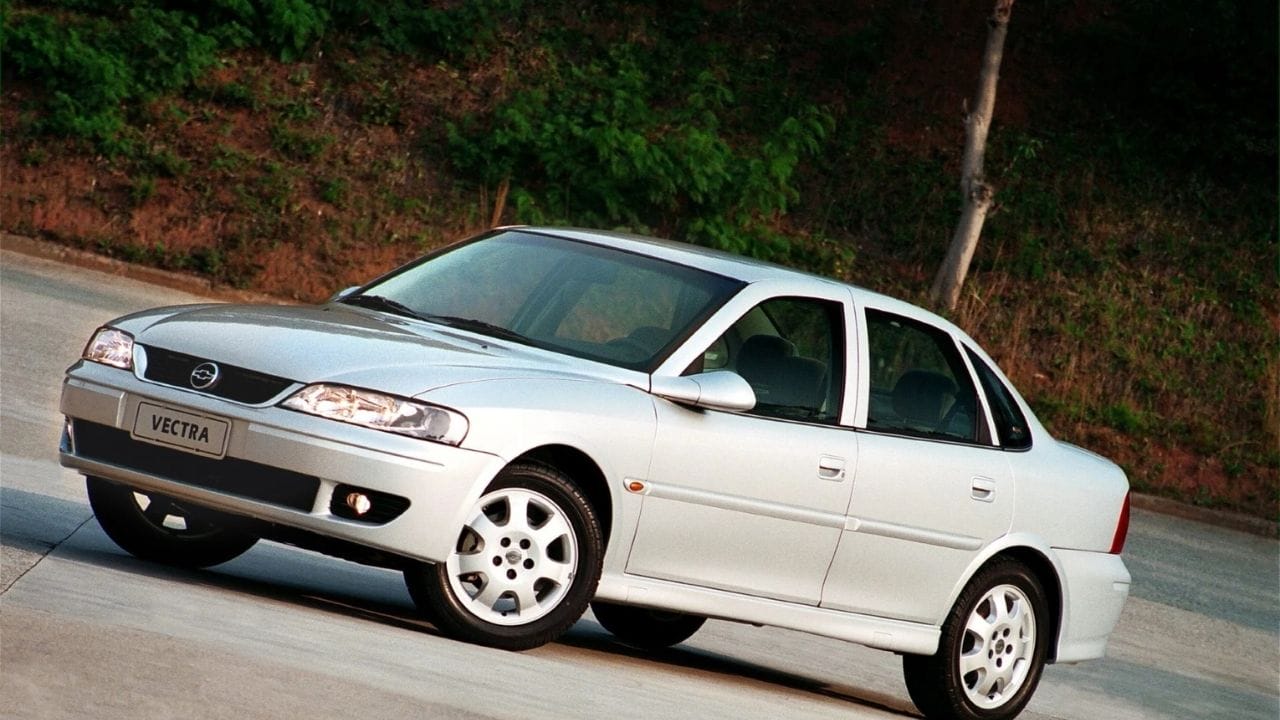
Despite its undeniable success, the Vectra faced significant challenges with the arrival of robust competitors like the Toyota Corolla and Honda Civic, which were consistently updated. In response, Chevrolet launched the third generation of the Vectra in 2005, based on the European Opel Astra, bringing significant improvements and flex-fuel engine options, but failing to meet previous sales expectations.
The production of the Vectra was discontinued in 2011, giving way to the Chevrolet Cruze, a model with a modern look, 6-speed automatic transmission, and turbo engine. However, the legacy of the Vectra remains alive in the memory of Brazilians, symbolizing a golden age for Chevrolet in Brazil.








Seja o primeiro a reagir!