Portuguese
  Spanish


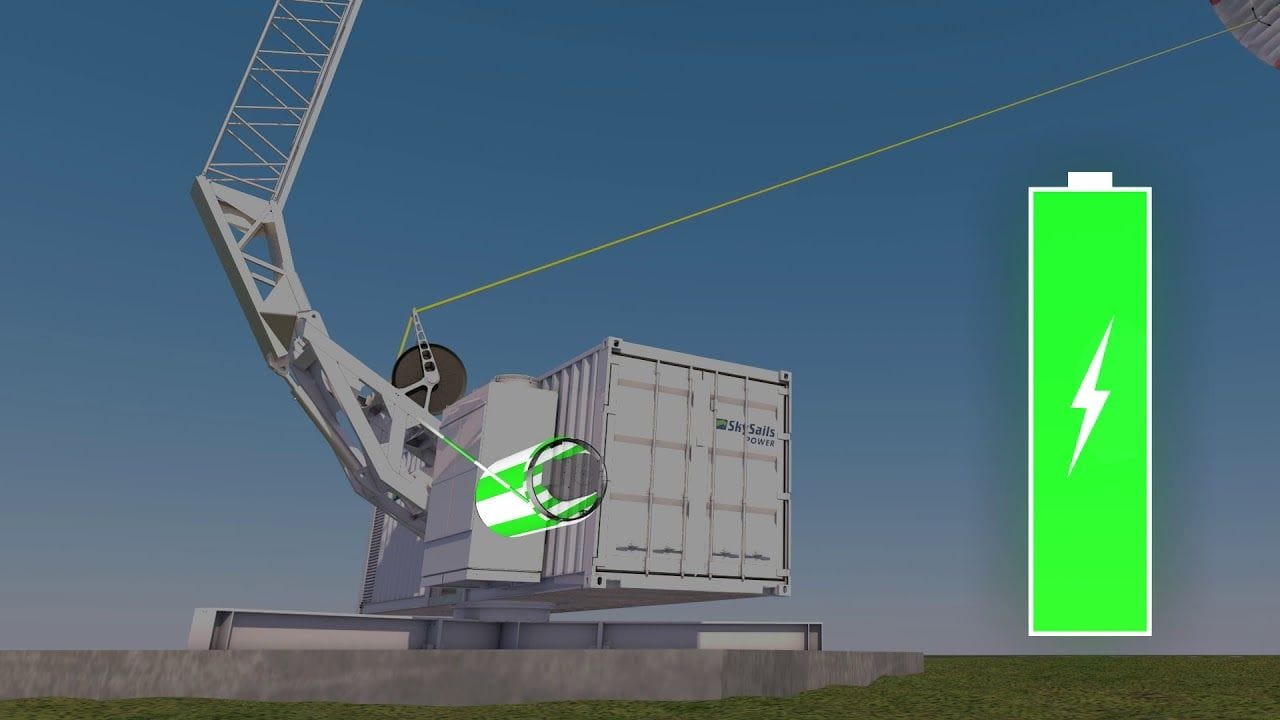

Discover How Innovative Wind Generators Powered by Giant Kites Promise to Transform Energy Generation by Offering Portable, Efficient, and Sustainable Solutions for Remote Locations and Beyond, Marking a New Chapter in the Global Journey for Clean and Affordable Energy.
On the horizon of green innovations, a new proposal promises to revolutionize the way we think about wind energy: wind generator powered by giant kites. This technology, in addition to being portable and efficient, emerges as a fascinating alternative to conventional energy generation methods, promising to take sustainability to new heights. But what is really behind this innovation? And how does it compare to existing alternatives?
How the New Wind Generator Works
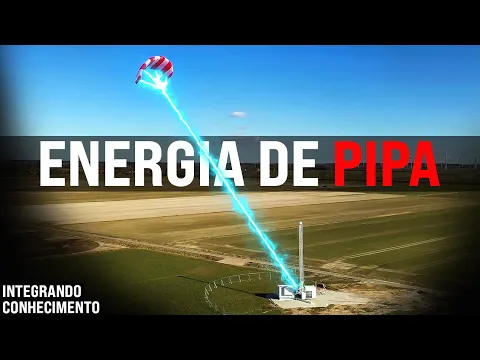

The concept behind this new wind generator is as simple as it is revolutionary. Utilizing a giant kite, or in some cases, aircraft-like devices, these generators harness the wind’s force at high altitudes, where it is stronger and more consistent. Operating at altitudes between 200 and 800 meters, these kites generate power by pulling strings connected to a generator on the ground, transforming the kinetic energy of the wind into electricity.
Airborne wind energy brings a series of impressive advantages. Its portability, for example, allows it to be used in remote locations where other forms of energy generation may not be viable. Moreover, the efficiency increased by operating at high altitudes promises superior energy generation compared to traditional methods.
-
Brazil saved US$ 32.4 billion in 2025 by switching from fossil to renewable energy and only ranked behind China and the United States on the IRENA global podium.

-
Fired during apartheid and with a little borrowed money, an electrician started with a borrowed truck and transformed electrical services into a group connected to energy, real estate, and infrastructure in South Africa.

-
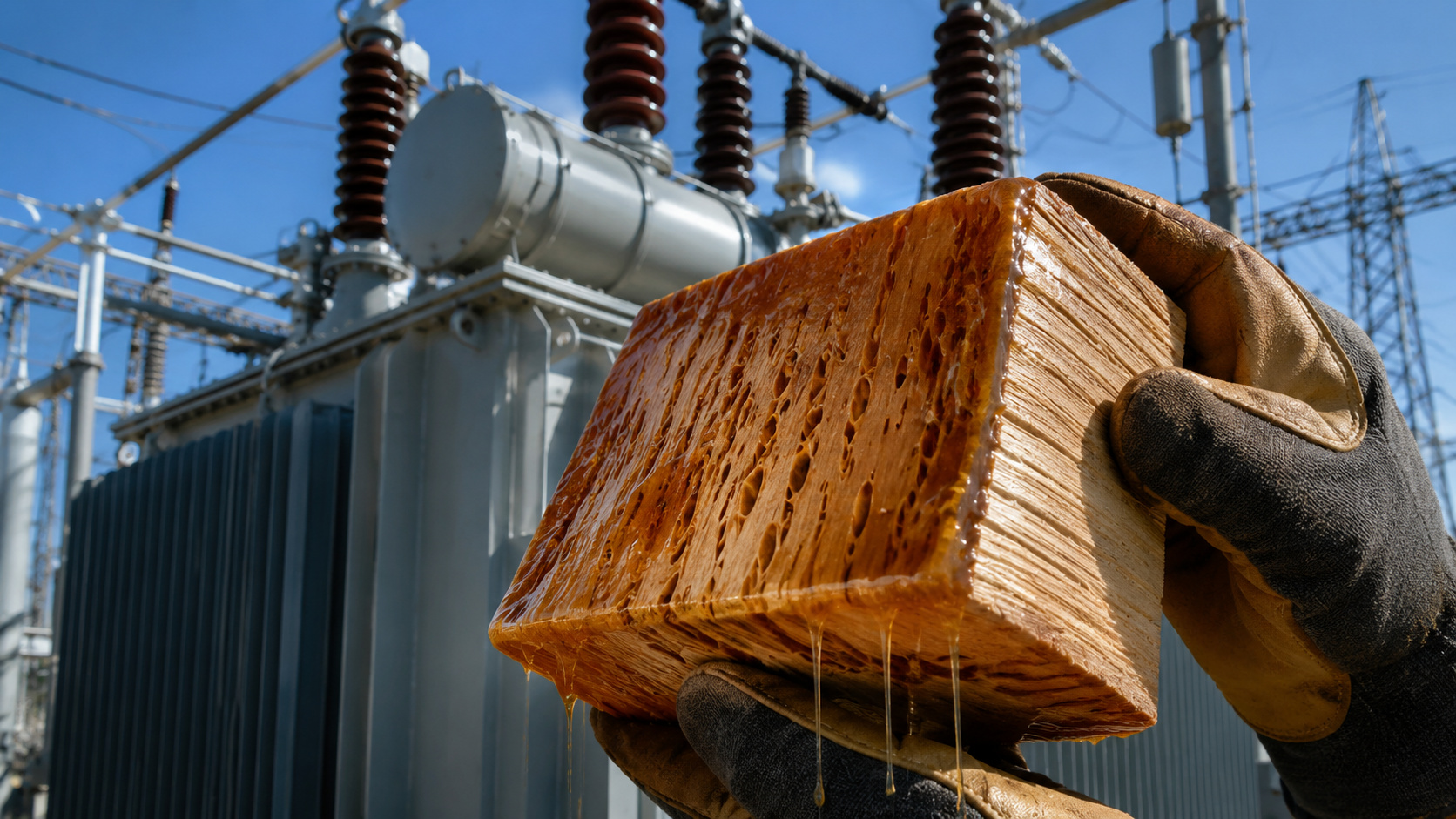
Wood has ceased to be just a construction material in Yale research and has become insulation for electrical transformers that face intense heat, aging, and increasing pressure from the renewable energy-powered grid.
-
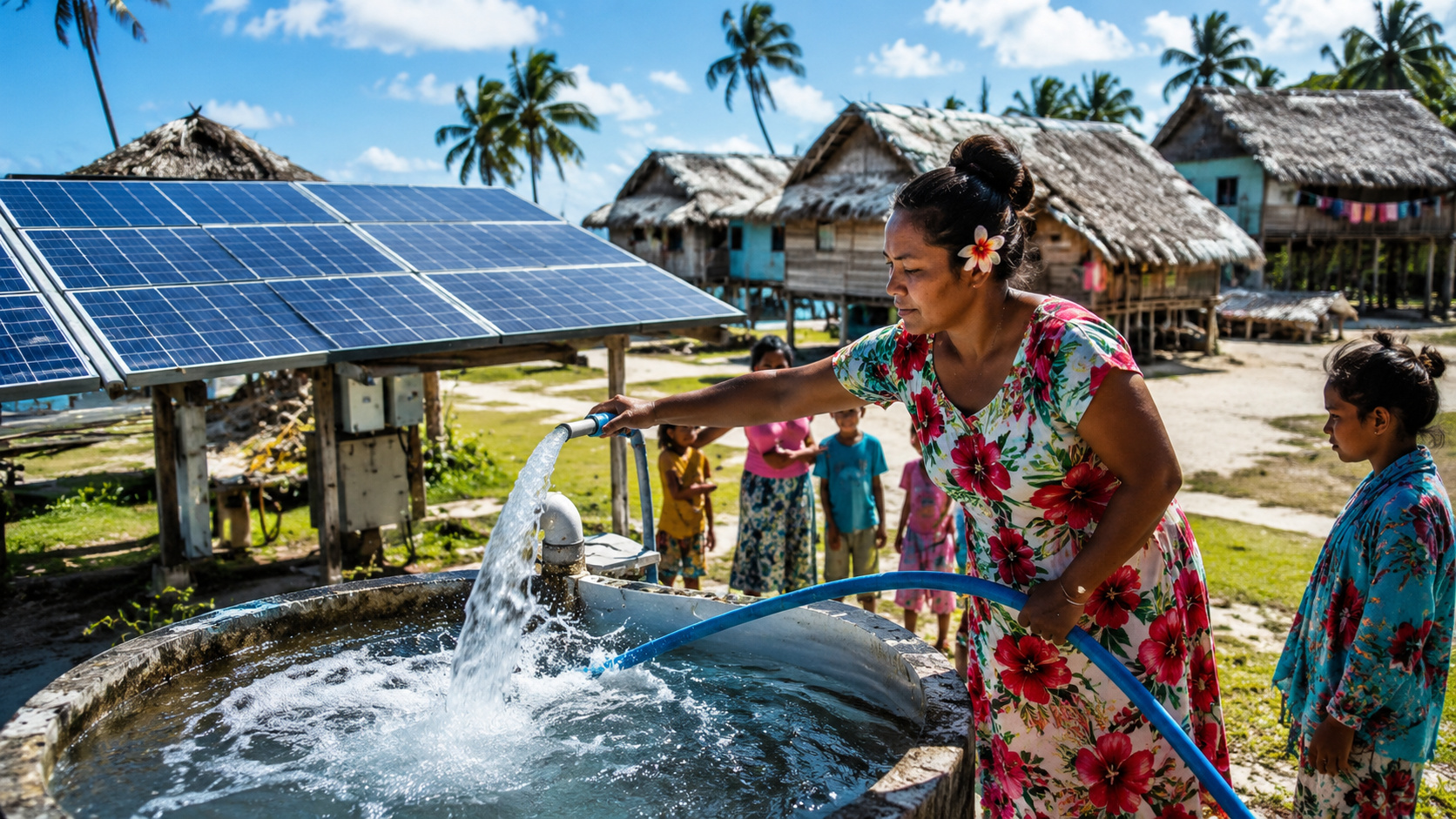
More than 1,000 residents of a remote island in Kiribati now have clean water and electricity with solar systems operated by the community itself.


However, like any innovation, there are challenges to overcome. The maintenance of these generators, for example, can be more complex and frequent, given the exposure to the elements at high altitudes and the mobile nature of the devices. Thus, installation requires special considerations, such as the need for ample space for the kites to fly without interference.
Who Is Involved in the Innovation?
Several companies are actively involved in the research, development, and testing of this technology. Among them, Kitepower and Skysails Power stand out for their innovative efforts in this field. Kitepower, for example, introduced a model installed in a container with an inflatable wing-shaped kite and a fiberglass skeleton, capable of generating 30 kW of power and promising an effective solution for energy generation in remote locations.
Skysails Power, known for its previous experience with kite propulsion for navigation, now focuses on generating electric power, using a similar system that can supply approximately 500 households.
These initiatives reflect a collective effort and a collaborative approach to overcoming the challenges of wind energy generation, bringing innovative solutions that promise to transform the energy sector. Although the specific names of the inventors are not mentioned, it is evident that innovation comes from the collaboration among experts in aerodynamics, engineering, and sustainability, working together to harness the power of winds more efficiently and sustainably.
The Future of Wind Energy
This new approach to wind energy generation, with its giant kites and containerized generators, is not just a promise of technological innovation; it is a glimpse into a future where clean and renewable energy can be more accessible and efficient. With the potential for quick installation in previously unimaginable locations, this technology has the potential to democratize access to wind energy, bringing sustainable solutions to diverse needs.
Thus, airborne wind energy represents more than just an alternative to traditional wind generators; it symbolizes a bold step towards a greener and more sustainable world. As researchers and companies continue to develop and refine this technology, the sky is no longer the limit for the potential of wind energy.