





 Portuguese
  English
  Spanish
  4 min of reading
  2 comments


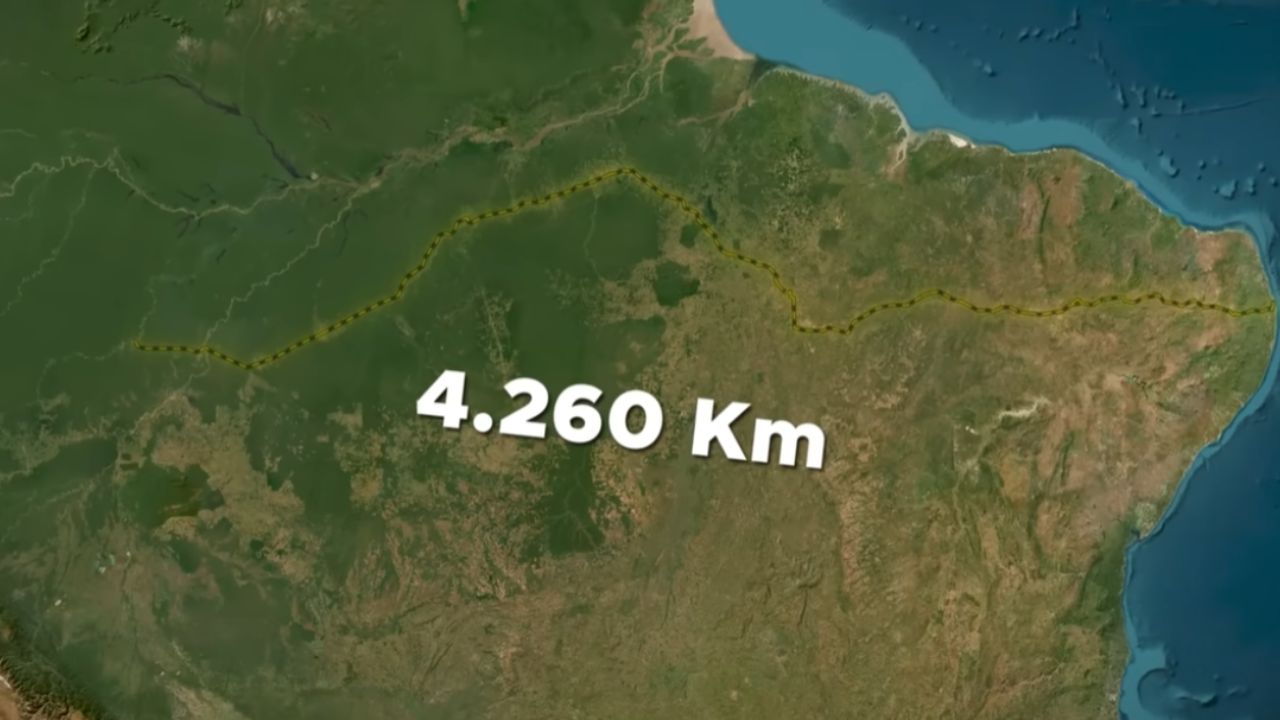


The Transamazon Highway Became an Expensive and Fragmented Engineering Puzzle, Stalled by Difficult Soils, Complex Environmental Permits, and Intense Use Beyond What the Original Project Planned
The Transamazon Highway has reached half a century showing two countries within the same road. In some stretches, a modern lane, duplications, and continuous asphalt. In others, trucks move slowly on dirt road, mud holes, and improvised ferries, as if time had stopped in the 1970s.
Even being strategic for the North and Northeast, the Transamazon Highway remains unfinished because it was born larger than the budget, crosses hostile soils, faces strict environmental licensing, and was occupied before it was ready, accumulating problems that engineering has been trying to solve until today.
One Highway, Two Realities

In practice, the Transamazon Highway is a mosaic. In the Northeast, it serves as an economic backbone, connecting populous areas, urban hubs, and already duplicated sections. In the North region, the road becomes a vital axis for the flow of grains, minerals, and extractive products, even without adequate paving in long segments.
-
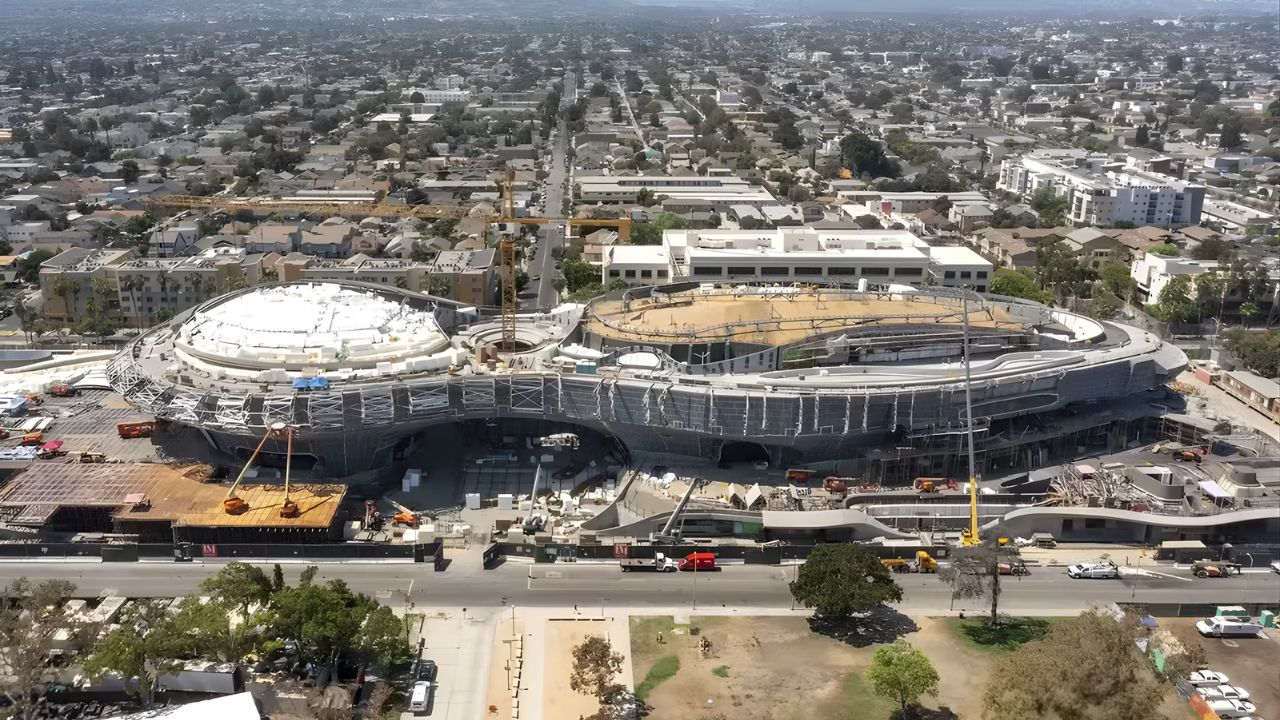
Created by George Lucas with over $1 billion, a futuristic museum in the shape of a spaceship with 1,500 curved panels is about to open in Los Angeles and will house one of the largest private collections of narrative art in the world.
-
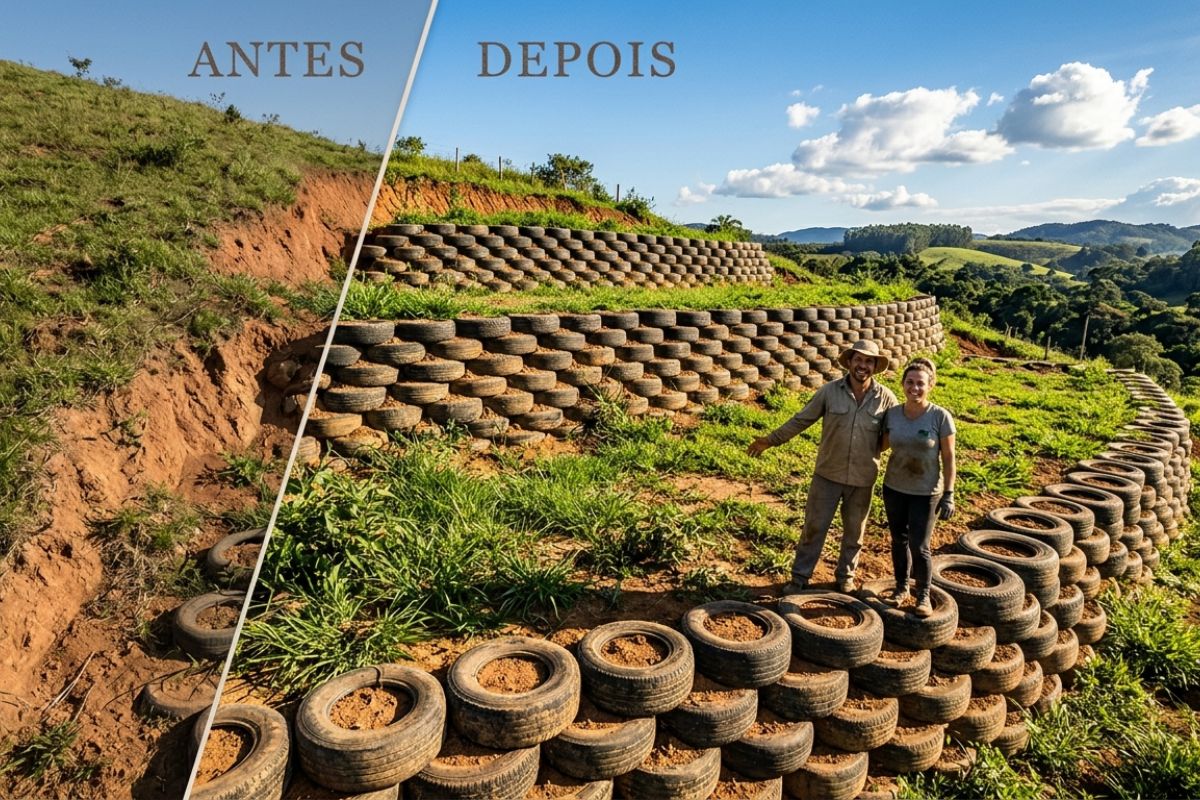
Couple shows how they built a retaining wall on their property using 400 old tires: sloped land turned into plateaus, tires are aligned, filled, and compacted with layers of soil, with grass helping in support and at almost zero cost.
-
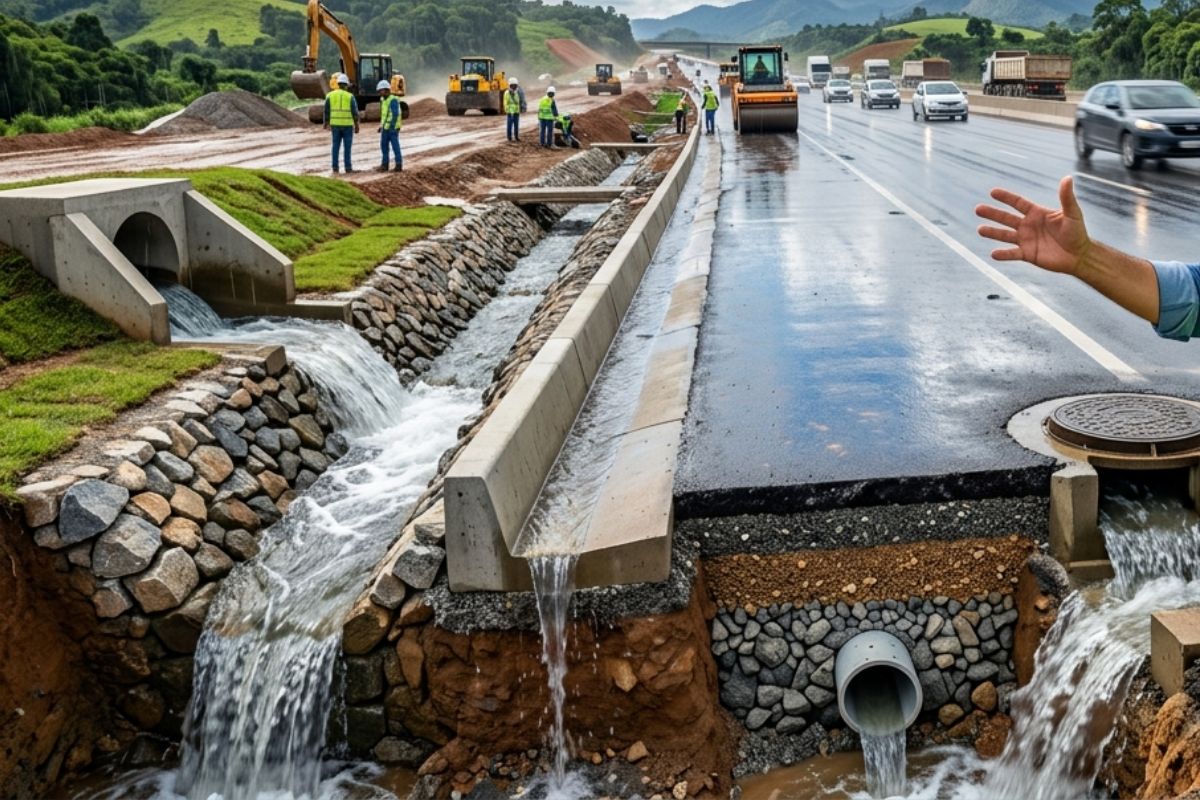
Engineer explains drainage during the rainy season: the difference between surface water and deep water, ditches, gutters, and water outlets on the road, as well as drains and drainage mattresses, to prevent erosion, aquaplaning, and flooding at the construction site today.
-
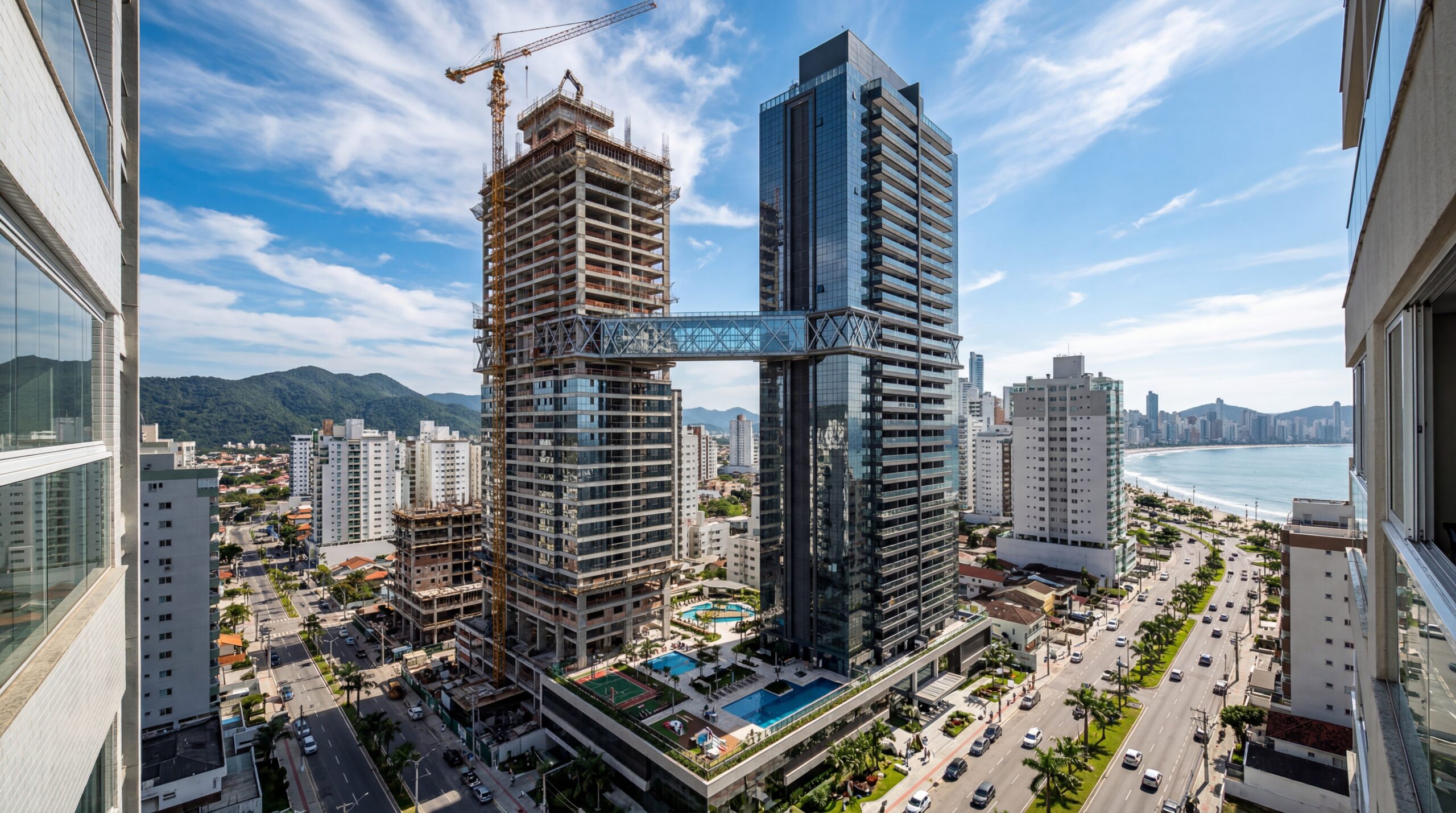
With 55 floors, 177 meters in height, a 15-meter walkway between the twin towers, ventilated facade, and 6,300 m² of leisure space, Ápice Towers already has one tower completed and another nearly at the top.

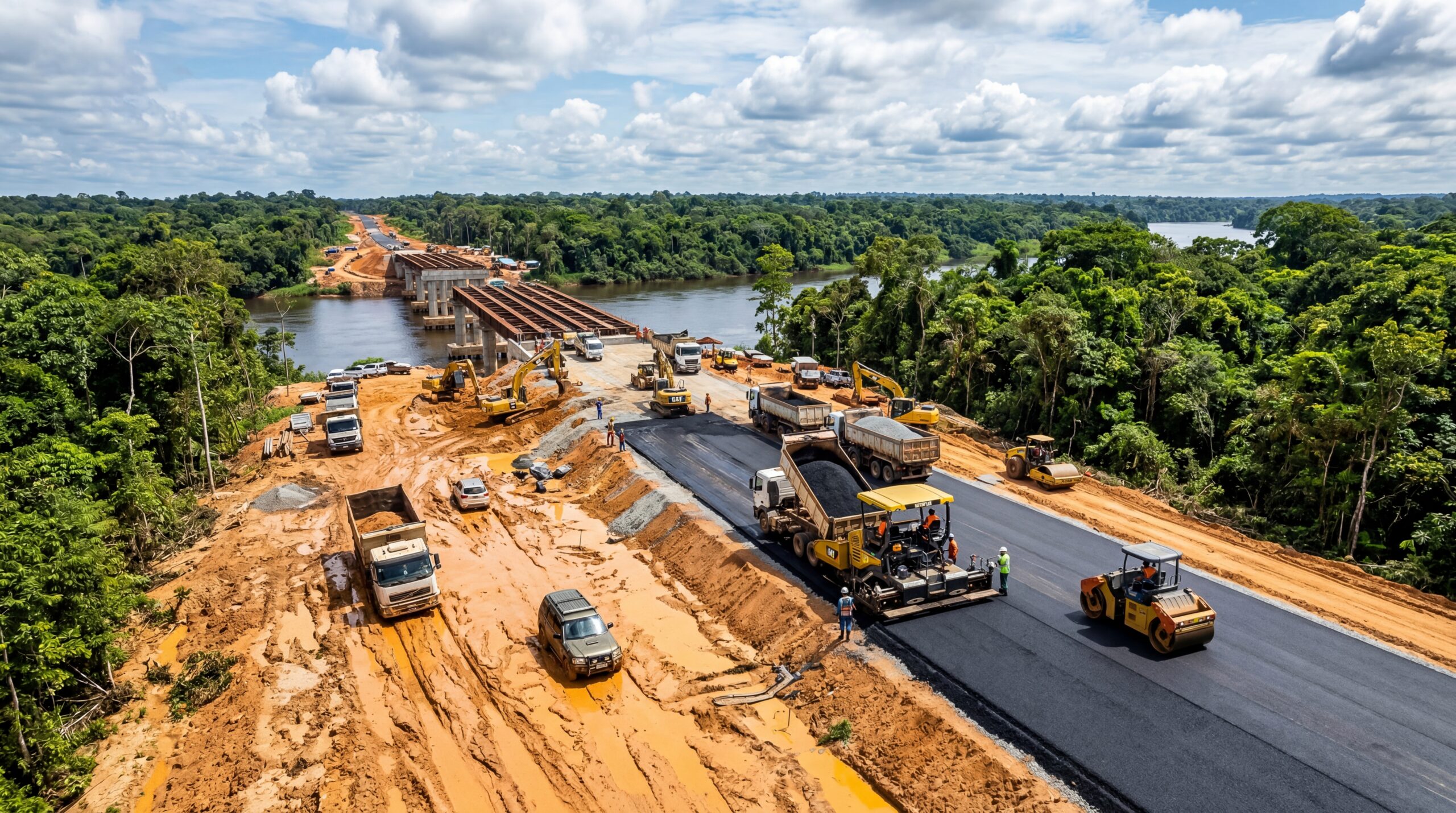
This coexistence of new asphalt with mud and dust reveals how the Transamazon Highway carries very different functions throughout its more than four thousand kilometers, crossing seven states and regions with opposing realities.
A Project Bigger Than the Country’s Budget
When it was conceived, the Transamazon Highway emerged during a time of grand national projects. The logic was to quickly open the bed, ensure territorial connection, and leave complete pavement and drainage for future phases.
With the economic crisis and budget restrictions, priorities shifted. Instead of completing everything, efforts were made to keep the road minimally passable. The result was a used and overloaded highway that was never finished.
The Invisible Challenge of Amazonian Soils
Another decisive factor is geotechnics. A large part of the Transamazon Highway crosses clayey soils with high plasticity, shallow water table, and heavy rains. Maintaining asphalt under these conditions requires deep drainage, thick sub-base, and constant maintenance.
In corridors with heavy traffic, these costs are justifiable. In stretches with few vehicles, the cost per user skyrockets. For this reason, the technical solution adopted in many points is still the primary coating, even at the expense of comfort and safety.
Licensing and Conflicts Stalling Progress


Unlike the past, today every kilometer of the Transamazon Highway depends on environmental licensing, negotiations with local communities, agrarian reform areas, indigenous lands, and conservation units.
This causes the work to progress in blocks. One stretch is licensed, another is under judicial review, another is stalled awaiting additional studies. The result is a fragmented highway with expensive and slow works, even where demand is evident.
Intense Use Before Completion
The Transamazon Highway was occupied during operation. Cities grew along its margins, agricultural colonies settled, and traffic increased before the road was ready to handle this use.
Instead of a large continuous project, what is seen are targeted interventions, bridge reinforcements, deep drainage, restoration of critical segments, and new paving lots whenever technical and environmental conditions allow.
A Permanent Work
Today, the Transamazon Highway is a road in a permanent state of work. In just a few kilometers, travelers go from a modern highway to mud in the rain and dust in the dry season.
This coexistence of different times and technologies makes the Transamazon Highway a unique case among Brazil’s major highways, especially when compared to consolidated axes in densely populated areas.
The Possible Future of the Transamazon Highway
The current debate is no longer about paving everything at any cost. It’s about deciding where to invest first, prioritizing strategic stretches to reduce travel time, freight costs, and operational risks.
The trend is to transform the Transamazon Highway into a viable infrastructure, aligned with actual traffic, the available budget, and the environmental sensitivity of the Amazon, adjusting the original dream to technical and financial limits.
After 50 years, do you think the Transamazon Highway should be fully paved or is the current model the only one possible for the Amazon’s reality?





Conheci a Transamazonica em 1974, quando ainda não era totalmente transitável. Aa esquerda de Estreito e até Marabá era razoável. De Marabá até o encontro com i que seria a Cuiabá/ Santarém ja’ não dava trânsito em dias de chuva e atravessava grandes extensões de matas. Uma vez nossa Rural Willys teve um problema elétrico mais ou menos 150 km de Altamira, sentido Santarém, e ficamos esperando socorro.mais de 20 horas, aa mercê das flechas dos Índios, que queriam receber o “pedágio)….
Quando se quer resolver só basta vontade, aqui no estado do Pará onde são trechos mais críticos eles não tem interesse em fazer nada pois é um trampolim para nossos políticos fazer política em ano de eleição, quando quer não tem solo não tem adversidades , falta é vontade ..