





 Portuguese
  English
  Spanish
  2 min of reading
  0 comments


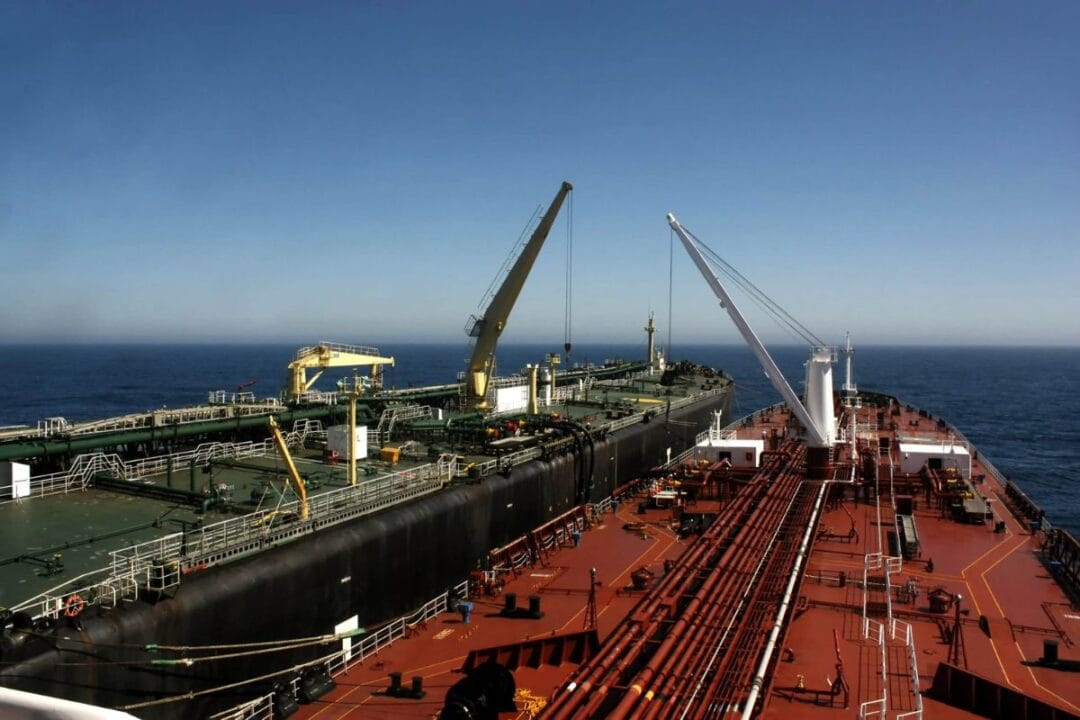
Ship-to-Ship Operations Gain Traction as a Logistic Alternative for Crude Oil Offshore Flow
The transfer of oil cargo directly from one ship to another has gained prominence in the national logistics sector. Known as ship-to-ship (STS) operation, the practice responds to the expansion of national production and the limitations of the country’s port infrastructure.
Understand How the Transfer of Oil Cargo Directly from One Ship to Another Works
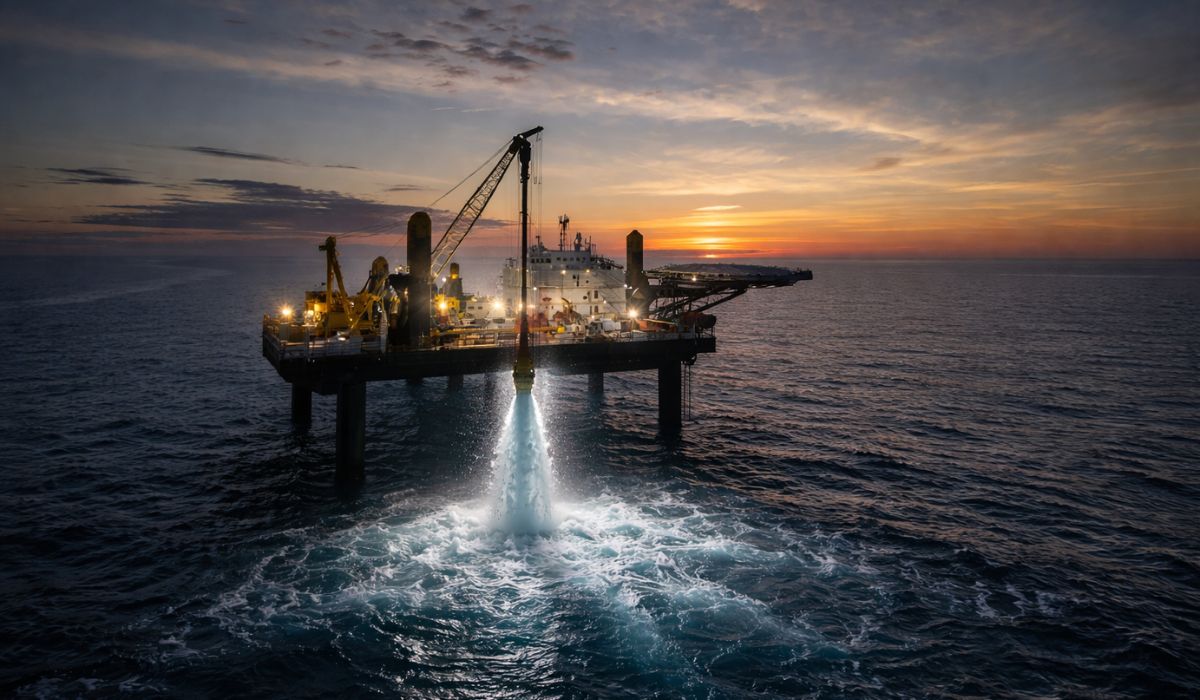
In the ship-to-ship operation, the cargo is moved without the need for terminals on land. The maneuver can occur with ships parked side by side (double banking) or moving at sea (underway), usually in offshore areas.
With the growth of Brazilian crude oil production, direct transfer has become an essential tool to keep export logistics active, especially for destinations in Asia and Europe.
-
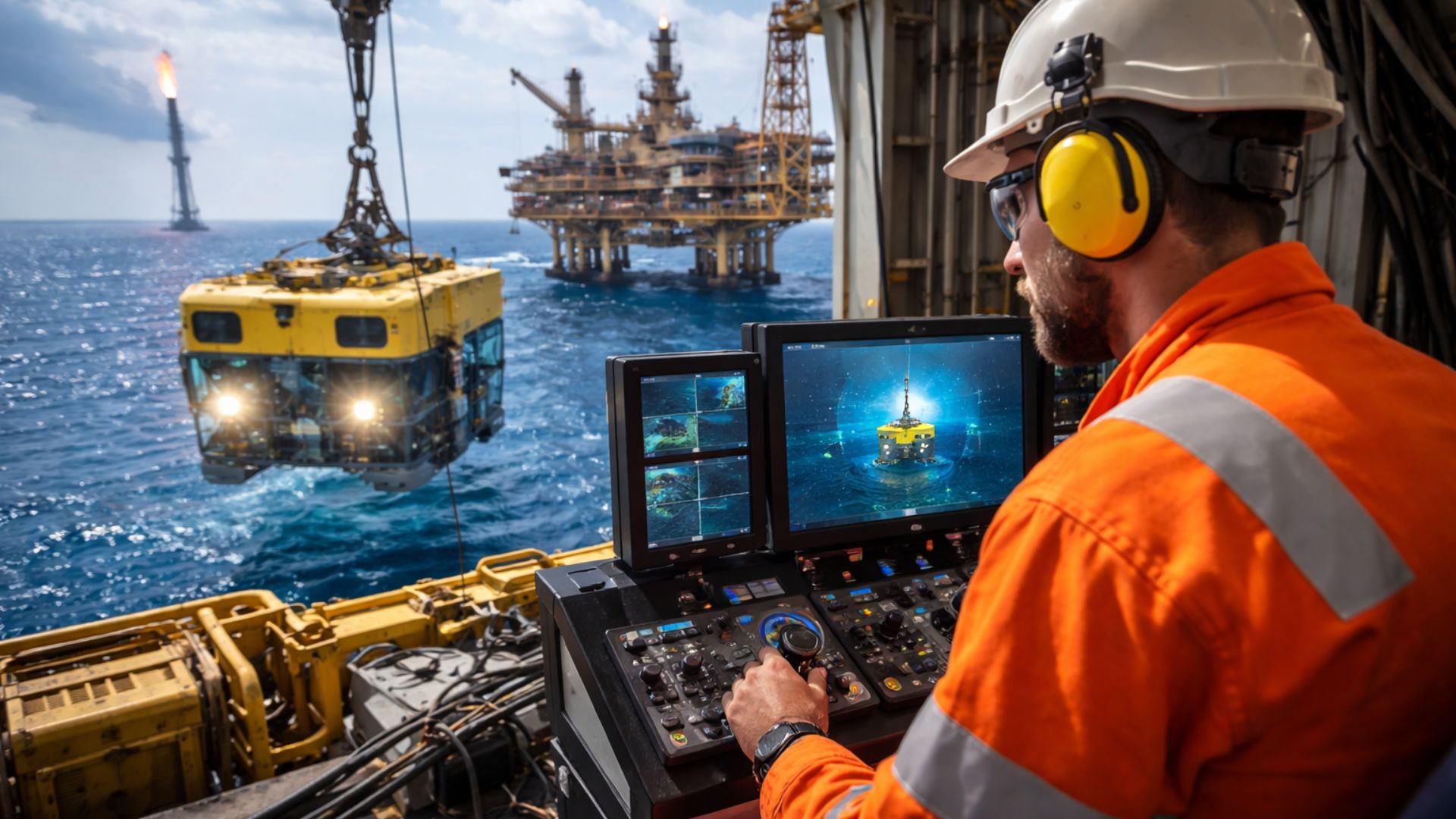
With Announcement for ROV Course in Partnership with Zen, Rio das Ostras Aims to Transform Technical Qualification into Real Jobs in the Competitive Offshore Market
-
Free Offshore Steward Course in São Gonçalo Emerges as a Strategic Opportunity for Those Seeking Qualified Work at Sea

-
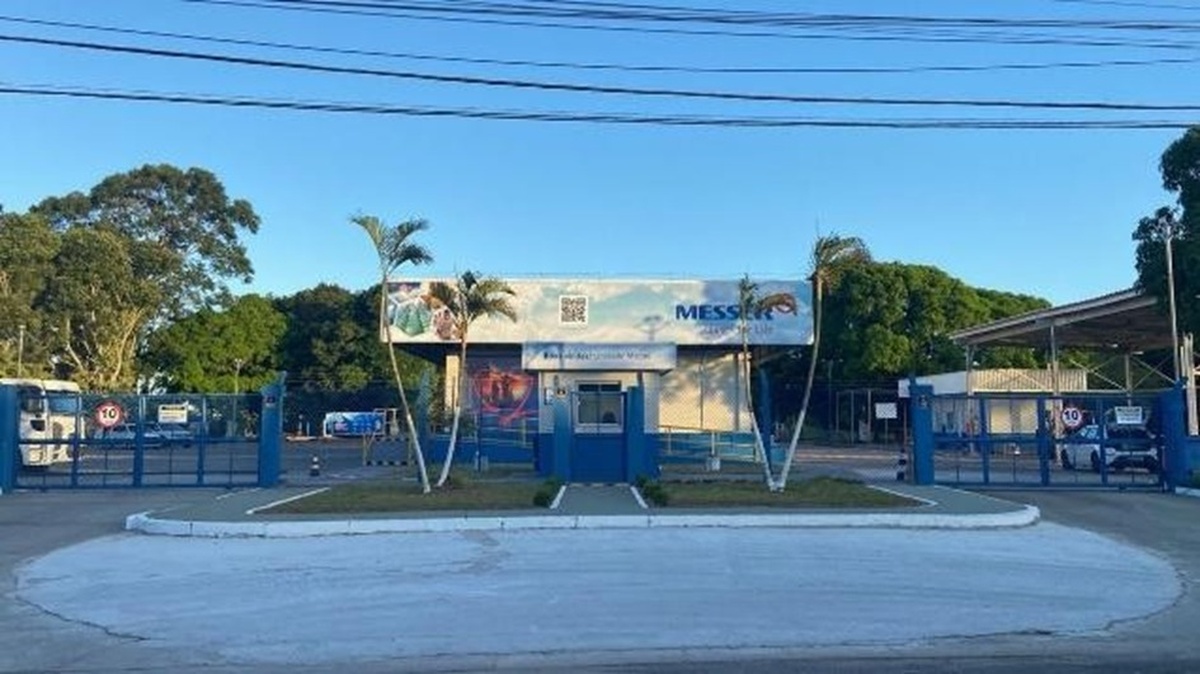
Messer Gases Reopens Branch in Macaé to Serve Offshore Oil and Gas Market in Northern Fluminense with Supply of Oxygen, Argon, and CO₂
-
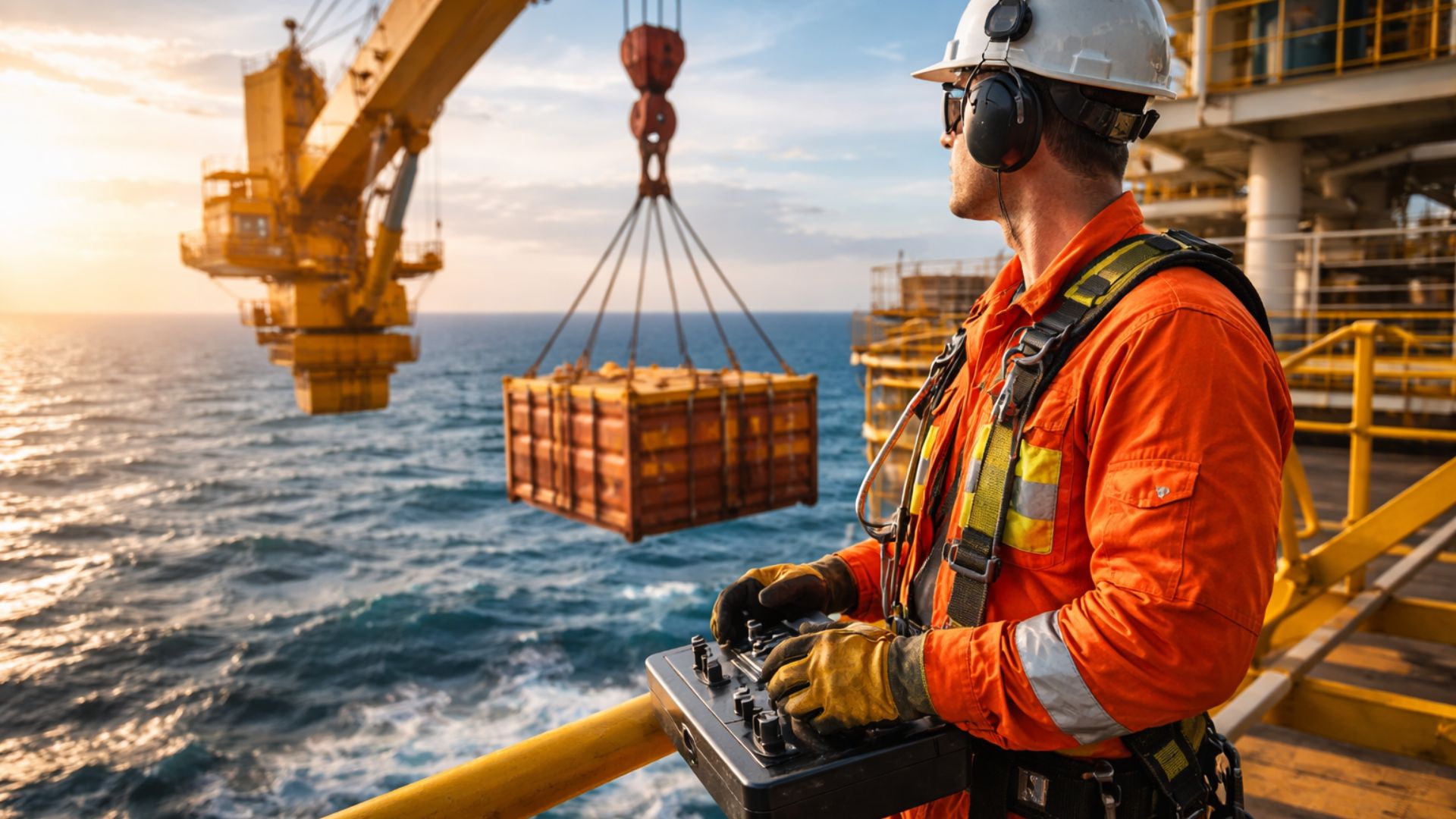
Offshore Profession Simplified: Comprehensive Guide Reveals How to Trade Common Routine for High Salaries and Long Breaks in Life Aboard in the Oil Sector
Why Is the Transfer of Oil Cargo Directly from One Ship to Another on the Rise?
The increase in national production has surpassed current refining and storage capacity. As a result, the volume of oil available for export requires agile logistic solutions.
The transfer of oil cargo directly from one ship to another, especially in the offshore modality, allows continuous flow without overloading ports. The alternative reduces costs, travel time, and avoids logistical bottlenecks.
Safety and Technology Drive Ship-to-Ship Growth in Brazil
The STS operation involves significant risks, such as inaccurate docking, cargo control failures, and environmental leaks. Therefore, safety is a priority.
The Brazilian Navy, ANTAQ, and ANP have created specific regulations and signed cooperation agreements to reinforce control. The use of modern equipment and the technical qualification of operators are mandatory to minimize risks.








Seja o primeiro a reagir!