





 Portuguese
  English
  Spanish
 4 min of reading
  0 comments


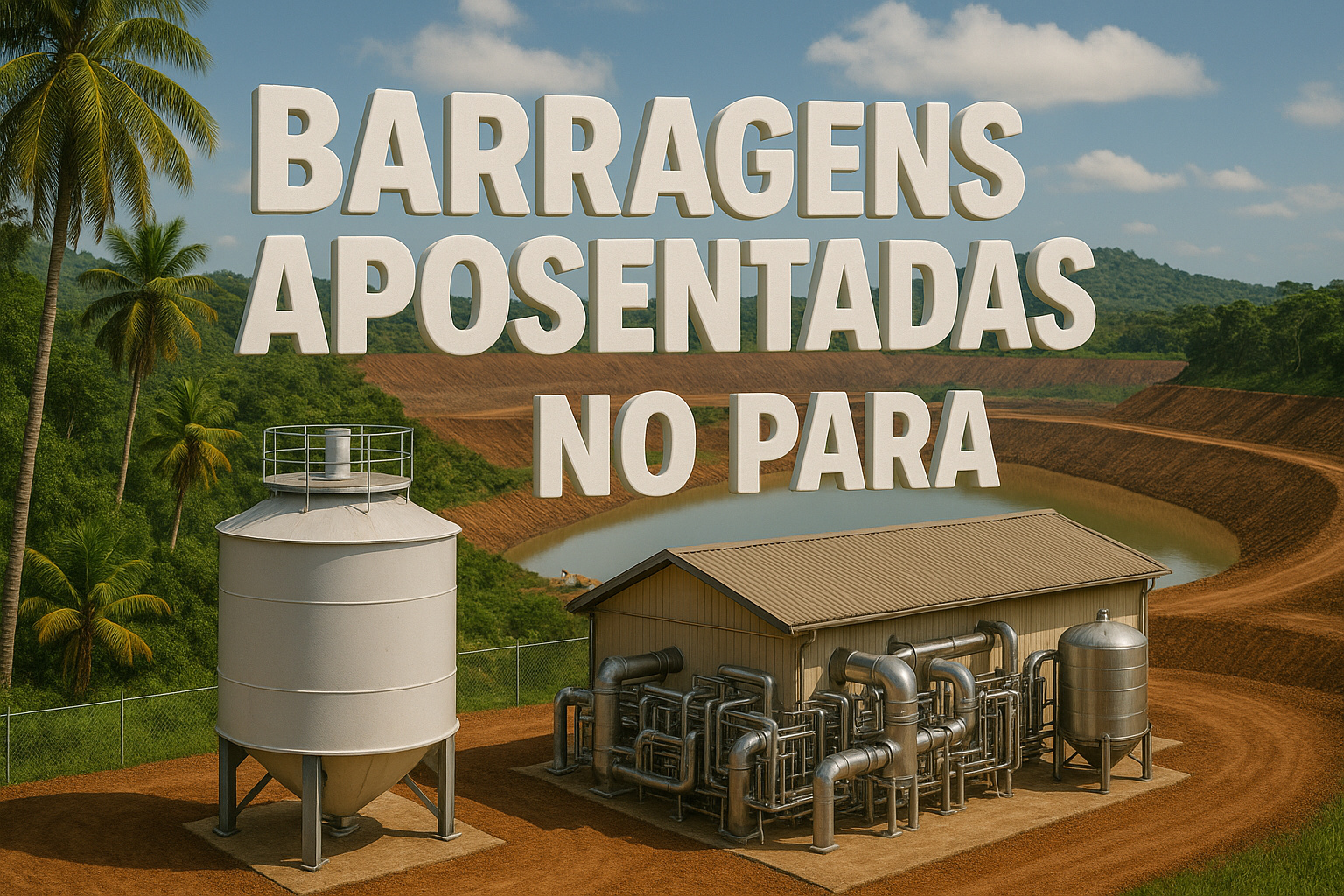
Experimental Project of New Wave Promises to Transform Bauxite Waste into Low Carbon Iron and Thus Inaugurate an Unprecedented Industrial Route in the Sector
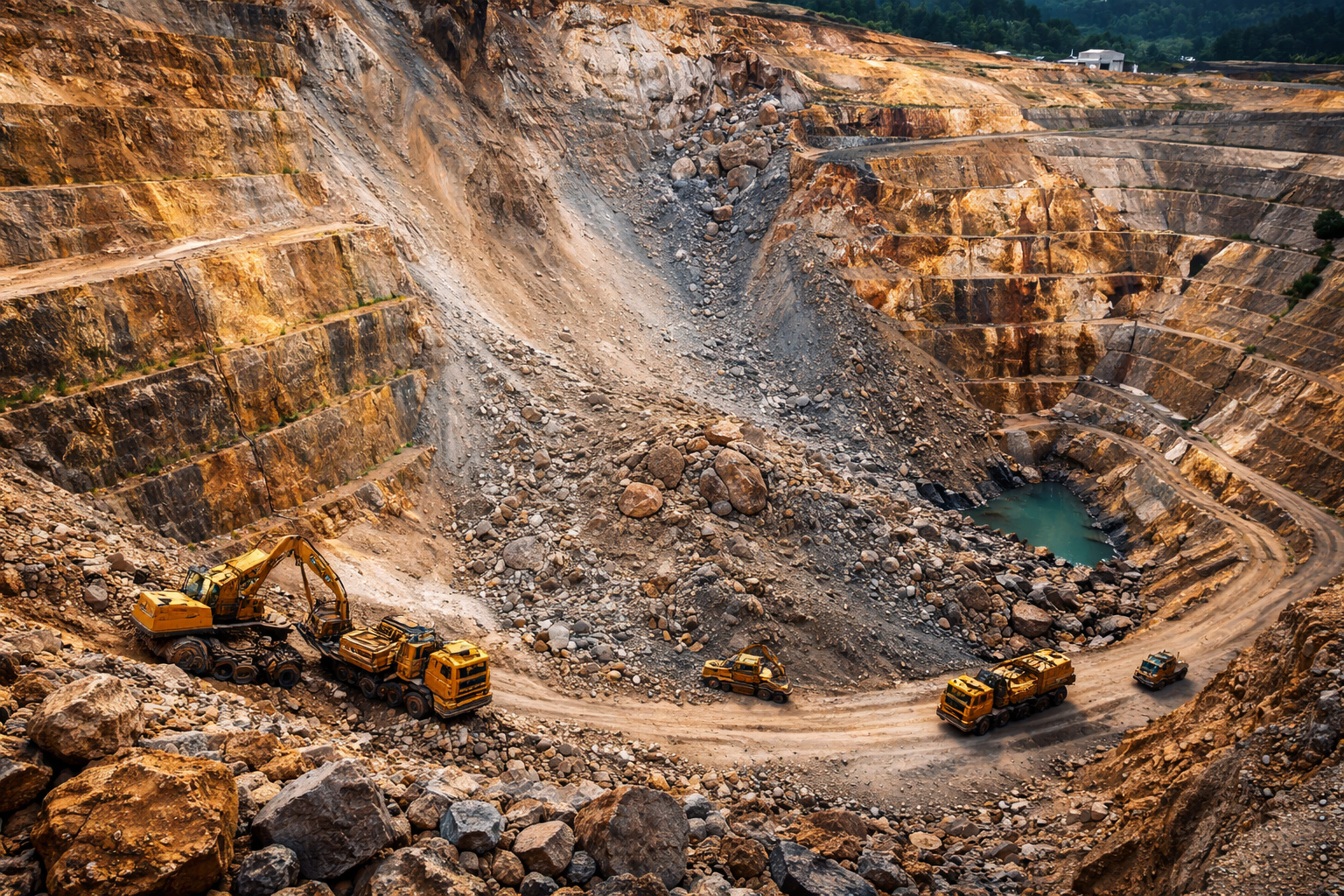
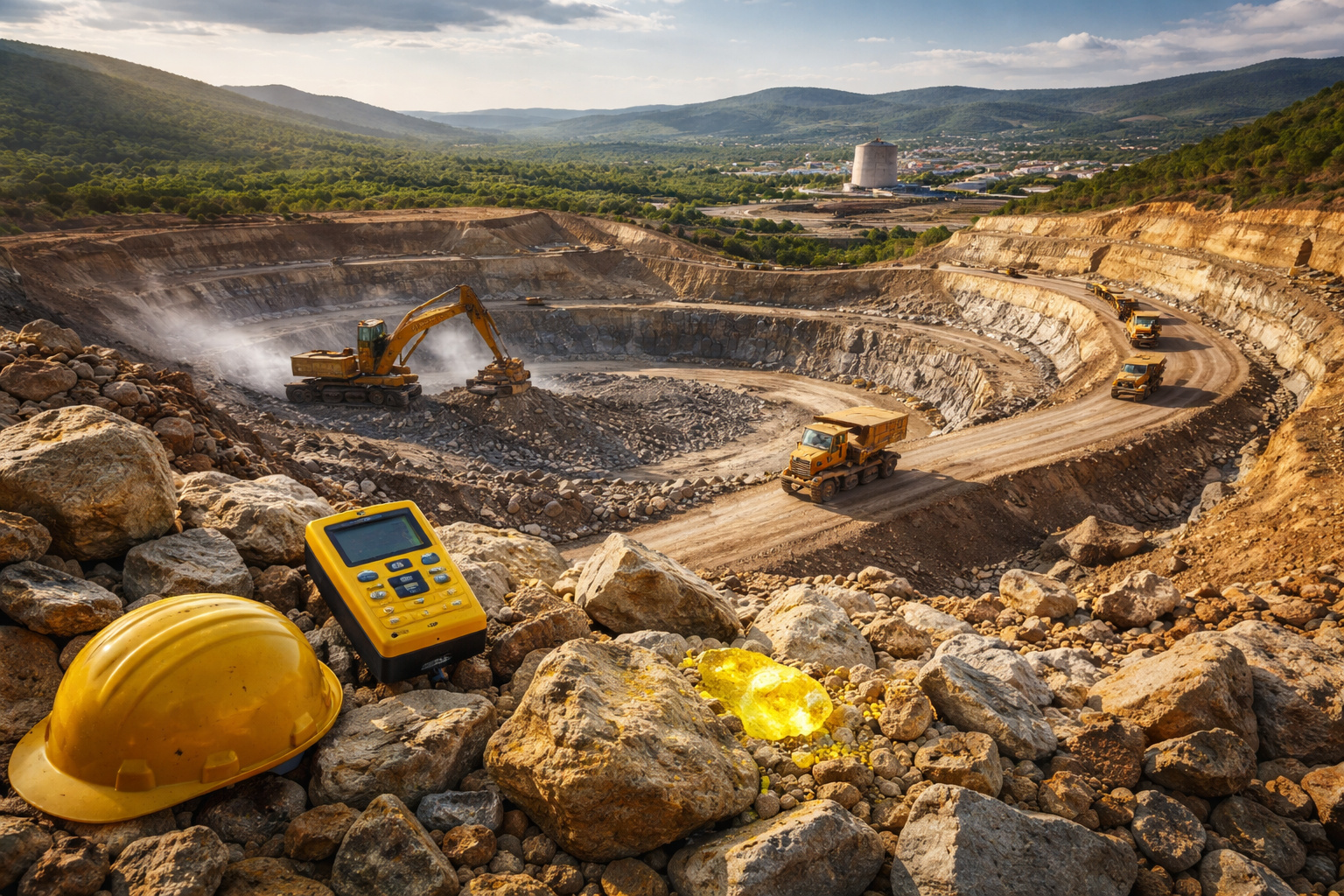
New Wave is conducting a robust investment that seeks to transform mining waste into industrial value, and therefore inaugurates a solution that could alter established practices in the sector. The project is advancing in Barcarena, and thus demonstrates how microwave technology can convert bauxite waste into low carbon iron. The objective is to reduce environmental risks, as waste dams pose significant operational challenges.
The waste generates significant concerns, and therefore motivates initiatives aimed at mitigating impacts on soil and water. The company’s proposal uses a process that dries and converts the residues, and thus creates an alternative to dams. The model demonstrates an experimental character, although it offers potential for technological licensing. Financial returns would come through royalties, and therefore reinforces the company’s strategy.
The initiative includes a demonstration plant, and therefore structures a system that mixes bauxite waste with charcoal or biomass. This combination forms pellets, and thus allows the material to be sent to the microwave reactor. The technology generates low carbon iron, and therefore creates a strategic input for the steel chain.
-
Rare earths are in everything, from cell phones to bullet trains, and what almost no one realizes is why they have become the target of such a delicate global war.
-
Brazil extracts 26.3 million tons of ore from what was previously treated as waste, transforming residues into wealth, producing over 3 million tons of sand, and demonstrating how national mining is relearning to generate value.
-
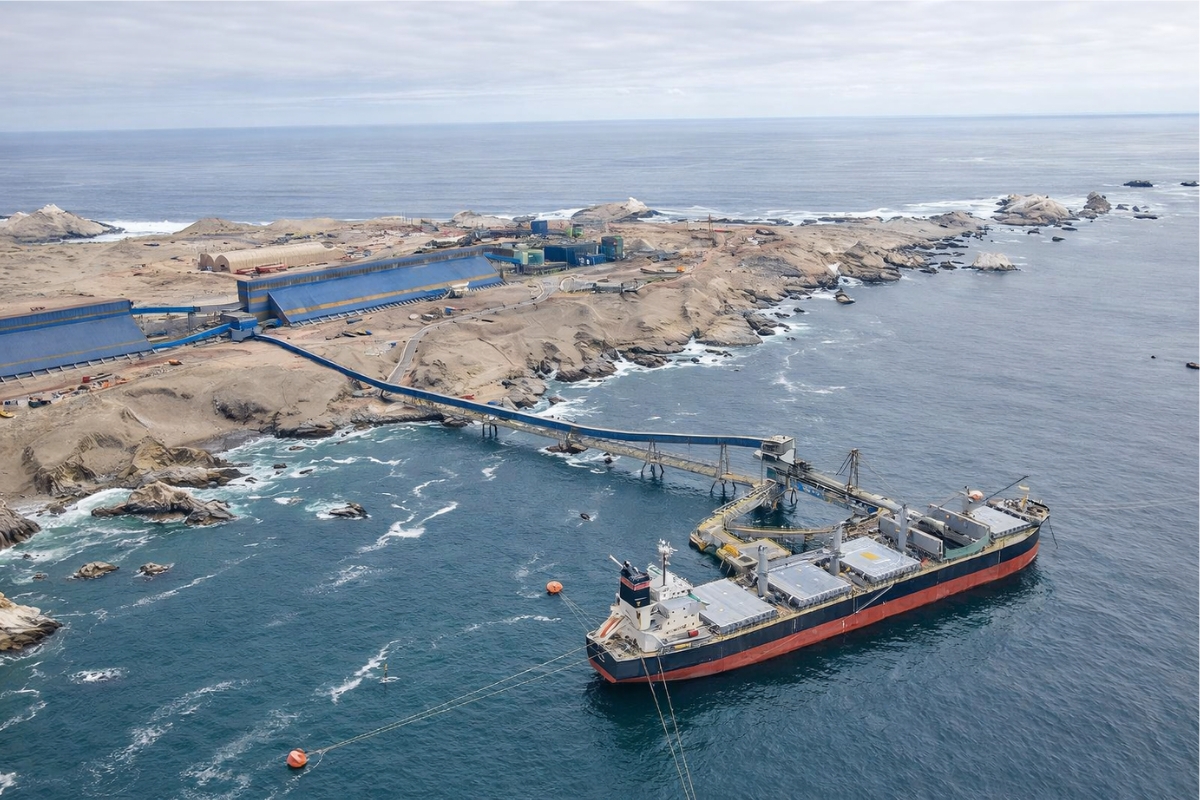
A $3.5 billion megaproject in Latin America pumps desalinated seawater at 1,050 liters per second over 194 km to keep a copper supermine in the Andes operational for another 20 years.
-
A hidden mine in the Andes valued at nearly R$ 1 trillion is starting to attract global attention, containing copper, gold, and silver, and raises an intriguing question: why do Argentina and Chile need to act together to exploit this gigantic wealth?

Technical Process Reveals Industrial Transformation Potential
The experimental operation uses charcoal, and therefore replaces mineral coal. This process reduces emissions, and thus meets growing environmental demands. Low carbon iron serves various industrial chains, as it makes up automotive, domestic, and mechanical structures.
The plant uses waste from Hydro, and therefore utilizes material that is currently compacted by filter-press. The procedure involves the formation of pellets, and thus organizes an essential step before the reactor. The estimate indicates that each ton of waste can generate about 300 kilograms of iron, and therefore reveals the productive potential of the process.
The remainder is converted into co-products and volatile substances, and thus demonstrates almost full utilization of the material. The demonstration plant will be the first in the world to operate the technology at this scale, and therefore reinforces global interest in less carbon-intensive solutions.
The company expresses its intention to completely eliminate waste generation, and therefore reinforces its commitment to innovation and sustainability.
Economic and Strategic Impacts of the Technology
The unit integrates the Wave Aluminum division, and therefore focuses on reusing the waste from the Bayer process. This process generates large volumes of waste per ton of alumina produced, and therefore reinforces the importance of reuse solutions.
Brazil reuses only a small fraction of this material, and therefore keeps a large volume deposited in dams. Drying the waste allows for iron with a reduced footprint, and thus meets the demand for cleaner operations. The energy used comes from the national grid, and therefore reinforces the low energy impact.
The demonstration plant will not have commercial ends, and therefore will serve as a basis for a much larger future industrial plant. The project mobilizes hundreds of professionals, and thus stimulates the economy of Barcarena.
Growth Model and Structural Challenges
New Wave works with a licensing model, and therefore focuses its efforts on technological development. Royalties constitute the main source of revenue, and thus enable faster growth. The model reduces dependence on heavy assets, and therefore accelerates expansion.
The company prioritizes local labor and suppliers, and thus seeks to strengthen the regional economy. Supplying charcoal requires traceability, and therefore requires specialized partners. These partners ensure sustainability throughout the chain, and thus reinforce the company’s environmental commitment.
The company develops other innovative fronts, and therefore reinforces its interest in creating solutions to recover strategic materials. The project demonstrates potential to change the logic of mining, and thus repositions waste as valuable assets.
The Future of Waste Management in Mining
The possibility of transforming waste into low carbon iron reignites the debate on new technologies, and therefore broadens the discussion about the future of dams. The demonstration plant symbolizes a structural change, and thus indicates how innovation can reshape traditional practices.
New Wave seeks to prove the technical and environmental viability of the process, and therefore aims to pave the way for mining with less risk. The challenge will be to transform this innovation into industrial scale, and thus consolidate a solution that promises to benefit companies, communities, and the environment.
Do you believe that Brazilian mining is ready to adopt technologies capable of eliminating waste dams?






-

Uma pessoa reagiu a isso.