





 Portuguese
  English
  Spanish
  3 min of reading


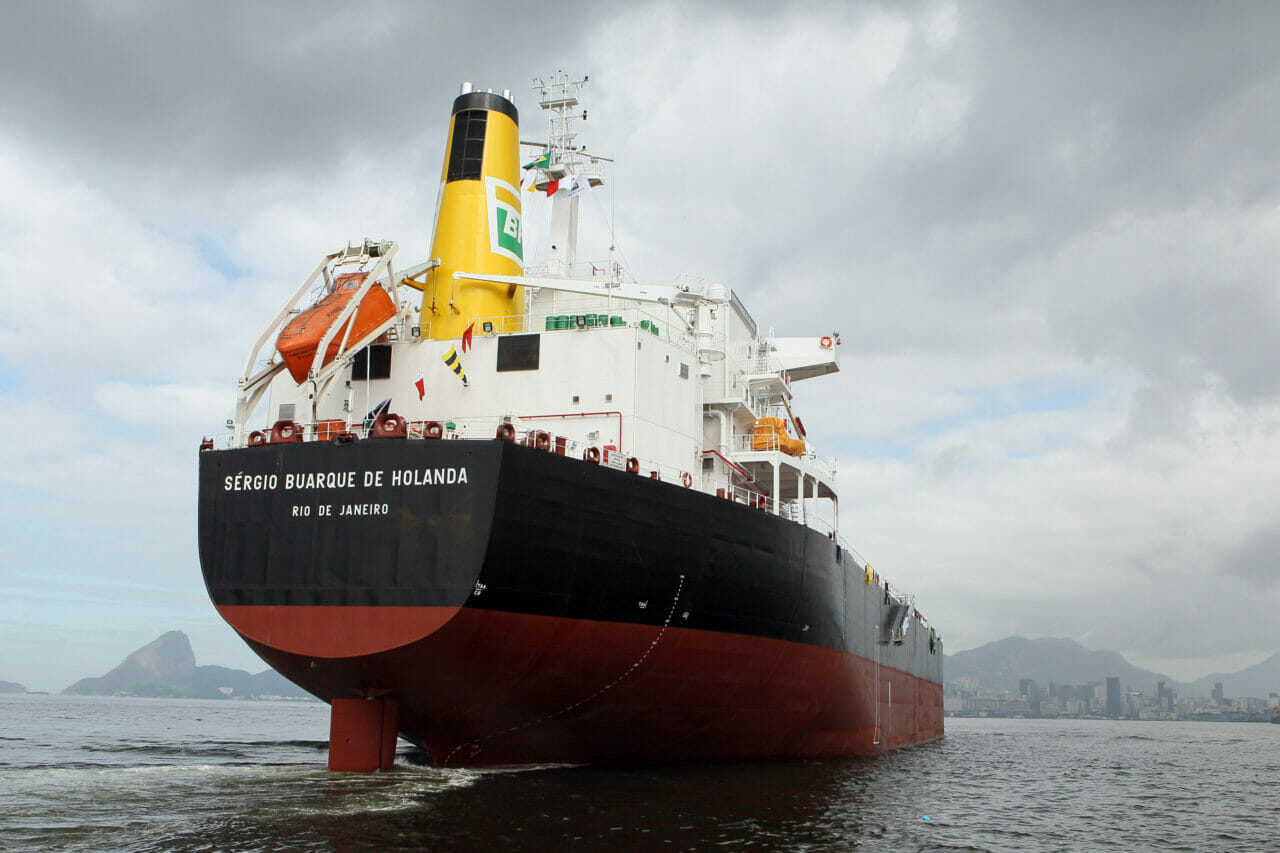
Petrobras’ Subsidiary Prepares to Launch Bidding for Ship Construction Soon. Transpetro’s Investment Will Not Only Boost the Economy but Strengthen Brazil’s Position as a Protagonist in the International Naval Industry.
In an ambitious move to revive the national shipbuilding industry, Transpetro, Petrobras’ transportation subsidiary, revealed plans to invest a significant R$ 12.5 billion in the order of 25 new ships. This strategic initiative emerges as an integral part of the Growth Acceleration Plan (PAC), recently launched by President Luiz Inácio Lula da Silva (PT), and aims to boost the shipbuilding industry in Brazil.
Transpetro’s Strategy within the PAC Seeks to Strengthen the Shipbuilding Industry in the Country
Transpetro’s President, Sergio Bacci, announced that these 25 ships will be divided into three distinct categories, each designated for a specific function.
The order will encompass gas carriers, ships designed for transporting light derivatives, and also those intended for transporting heavy derivatives.
-
With 74% of companies facing difficulties in hiring, technicians and engineers in renewable energy are becoming scarce in Brazil and are essential to support the expansion of solar, wind, and green hydrogen projects.

-
Europe is trying to create an ammonia-powered marine engine without auxiliary fuel, which could unlock the race for giant emission-free ships. The technology aims to eliminate one of the biggest obstacles to clean maritime propulsion.

-
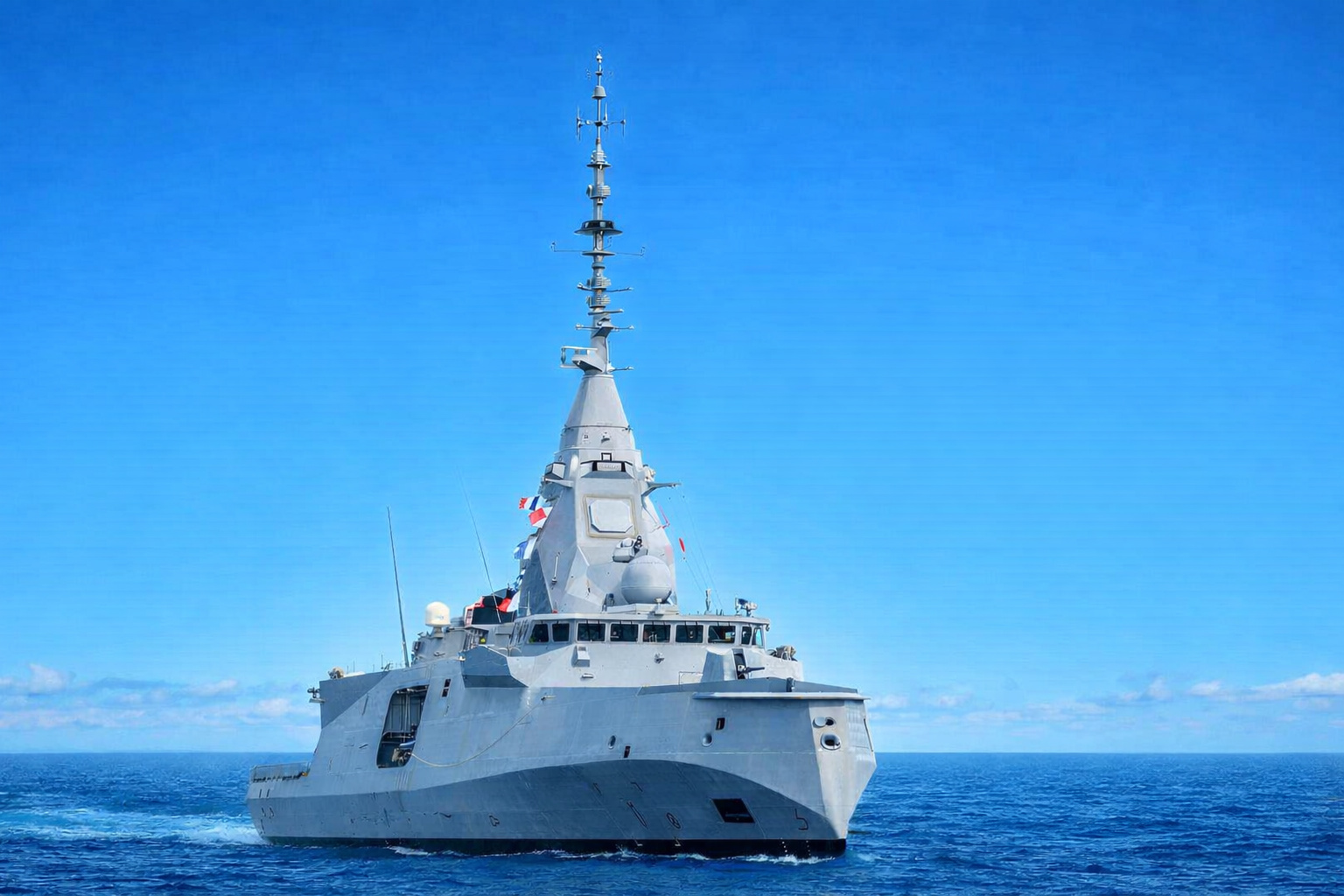
A 4,500-ton frigate with just over 100 crew members, state-of-the-art radar, and cruise missiles is being touted as the new standard of naval warfare in the 21st century.
-
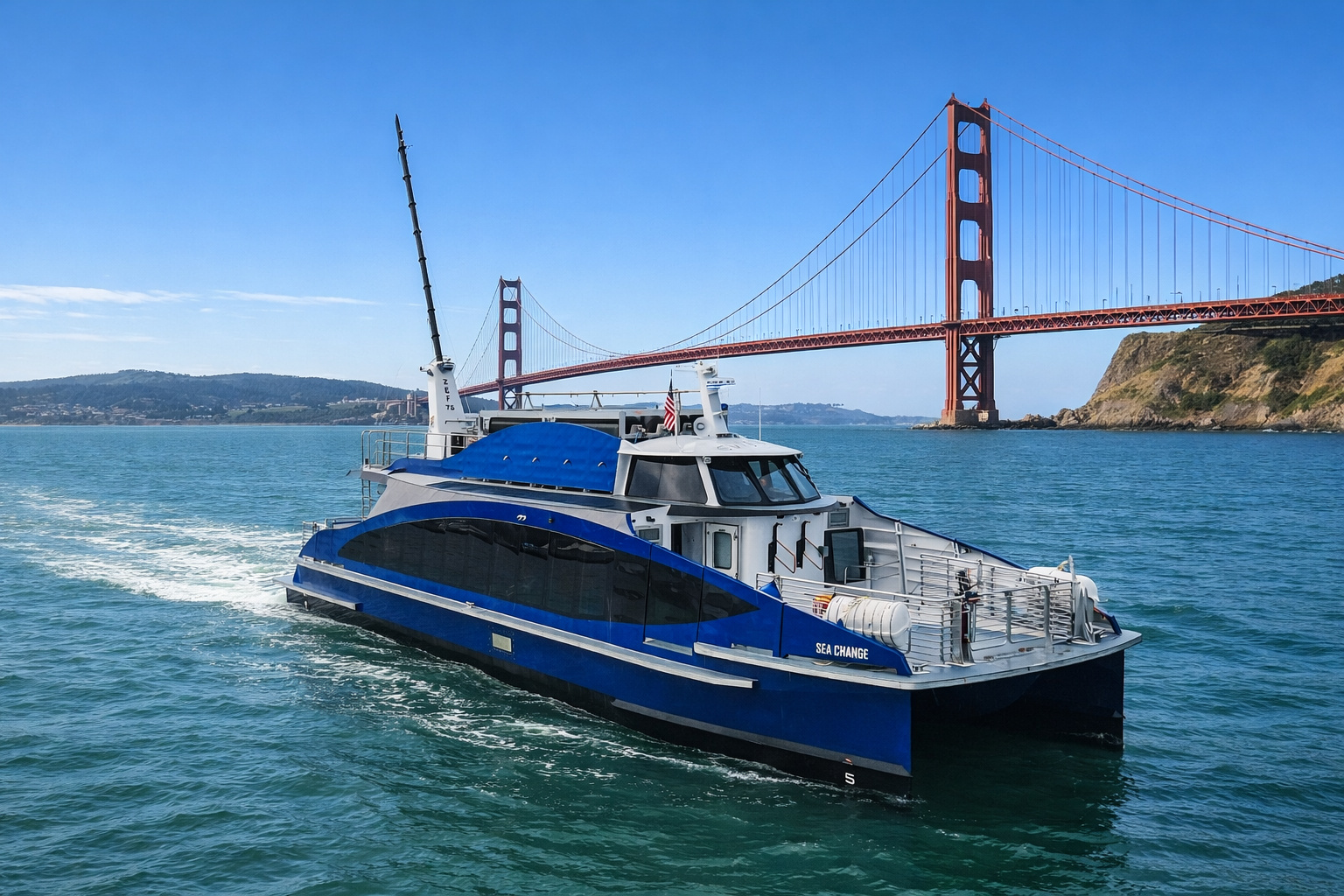
The first commercial hydrogen-powered ferry enters operation in the U.S., eliminates the use of diesel, uses fuel cells to generate clean energy on board, and transforms San Francisco Bay into a landmark of the new era of emission-free navigation.

With a construction timeframe set at eight years, the initiative appears both ambitious and necessary to strengthen the country’s naval infrastructure.
The initial investment forecast, which reaches R$ 12.5 billion, is still considered preliminary by Bacci, as the final amount will depend on the outcomes of the upcoming bids.
According to Transpetro’s president, these bids are scheduled to be launched as early as January, covering three different lots.
This approach aims not only to expedite the process but also to involve various industry actors in the construction of these strategically vital ships.
The memory of previous problems in the Brazilian shipbuilding industry is present in the minds of those involved.
President Bacci emphasized the importance of not repeating past mistakes, especially considering the corruption scandal exposed by Operation Lava Jato.
The pursuit of transparency and efficiency is a central pillar in this endeavor, as indicated by his request to the Brazilian Office of the Comptroller General (CGU) and the Federal Court of Accounts (TCU) to closely monitor the process.
Construction of New Ships Aims to Boost the Economy, Generate Jobs, and Diversify the Fleet of Petrobras’ Subsidiary
Regarding costs, Bacci acknowledged that prices in Brazil cannot compete directly with Chinese values.
However, he argues that a certain markup is justifiable given the capacity of these investments to generate jobs and stimulate the local economy.
The president highlighted: “Am I going to pay more? Yes, I will. There’s no way, everything is more expensive in Brazil than in China. But I won’t pay double.”
In addition to strengthening Petrobras by reducing its exposure to international freight for the transportation of oil derivatives, the fleet expansion of ships also promises to be a source of diversification for Transpetro.
With an existing fleet of 26 ships, the company plans to double this number by the end of the construction period for the new vessels.
Furthermore, the company is exploring new partnerships, targeting potential clients in Suriname and Guyana, where recent discoveries of oil and gas reserves have generated significant interest.
The Brazilian shipbuilding industry, after facing challenges and turbulence in recent years, now envisions a more promising horizon with the announcement of this substantial order.
As Transpetro prepares to launch the bids soon, attention turns to the revival of this vital industry, potentially transforming it into a global force in shipbuilding and maritime transport of oil derivatives.









Seja o primeiro a reagir!