






 Portuguese
  Spanish




Government Studies Implementation of Zero Fare in Public Transport, Estimated Cost of R$ 90 Billion per Year, Involving Review of Subsidies and Changes in Transportation Allowance. Measure Seeks to Expand Access and Rethink Financing of the Sector.
Free public transport in Brazil? Government proposal could cost R$ 90 billion per year and involve review of subsidies, transportation allowance, and technology.
The federal government is studying the feasibility of zero fare in public transport nationwide, a measure that would cover buses, trains, and subways and have an estimated cost of around R$ 90 billion per year.
The figure was presented by the president of the National Transport Confederation (CNT), Vander Costa, in an interview with CNN Brasil, while the Minister of Finance, Fernando Haddad, confirmed that the analysis is being conducted at the request of President Luiz Inácio Lula da Silva.
-
As Brazil Expands Social Welfare, Survey Reveals 40% Blame Poverty on Laziness, While 58% Cite Lack of Opportunities

-
China Tightens Control on Antimony, Driving Prices from $22,000 to Nearly $40,000 per Ton as U.S. Rushes to Bolster Strategic Reserves

-
BlackRock Freezes $1 Billion in Brazilian Renewable Energy, Impacting 1.5 GW of Planned Projects and Highlighting Investor Concerns Over Infrastructure Bottlenecks Cutting Up to 25% of Solar and Wind Generation
-
Labor Shortage: Despite Record Average Salary, 90% of Brazilian Bar and Restaurant Owners Struggle to Hire Key Roles Like Sushi Chefs and Head Cooks


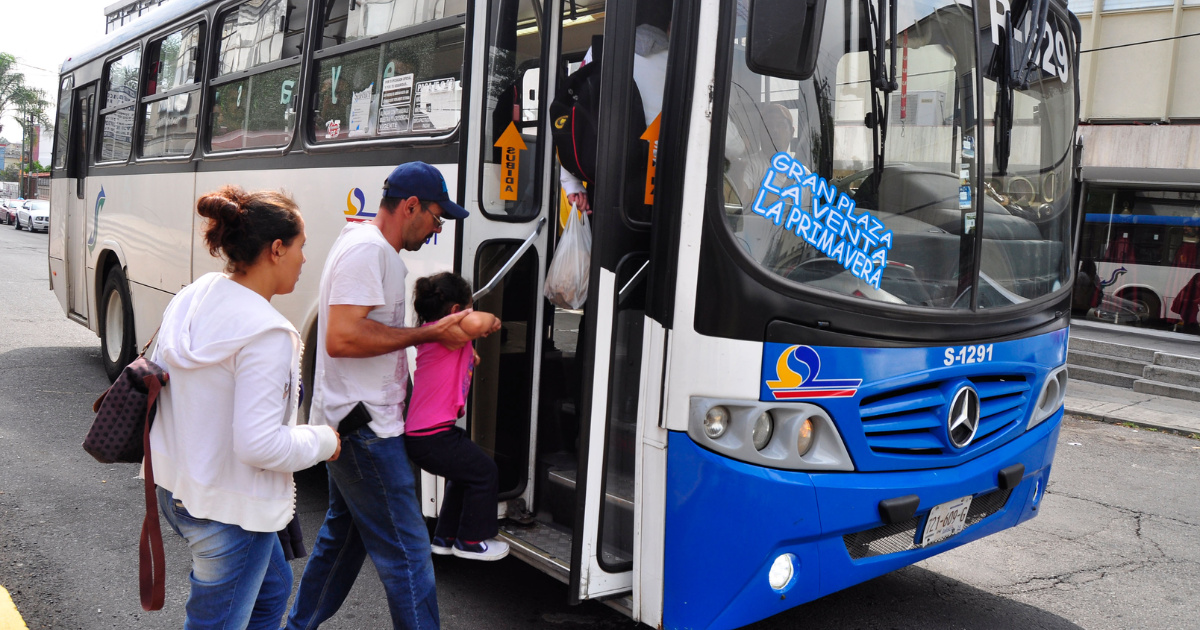
What’s Being Studied in the Government
According to Haddad, the Finance Ministry is conducting a “radiography” of the sector to map how collective transport is financed today and what paths could allow reducing or even eliminating the fare paid by users.
This assessment includes the total cost of the system, the volume of public subsidies, the participation of companies through transportation allowances, direct expenses of workers, and bottlenecks and technological opportunities.
The goal is to organize data and modeling before any political decision.
Although the directive comes from the Palácio do Planalto, the economic team works with the premise of fiscal responsibility and evaluates different sources of financing.
The minister has repeated that the topic is relevant for workers and for urban mobility but depends on a budget design compatible with the current fiscal framework.
Projected Cost and Sector Positions
The estimate of R$ 90 billion annually is based on an approximation by the CNT about the size of the passenger transport network in the country and the subsidies needed to cover operations without fare revenue.
Commenting on the number, Vander Costa stated that there is an essential role for public money in collective transportation, but argued that any change “should be implemented gradually” due to the financial impact.
The leader notes that extensive free access requires review of subsidies and the transportation allowance, in addition to the adoption of technologies that reduce losses and improve fare control.
For him, the combination of sources — between the Federal Government, states, municipalities, and sector contributions — is a central part of the equation.
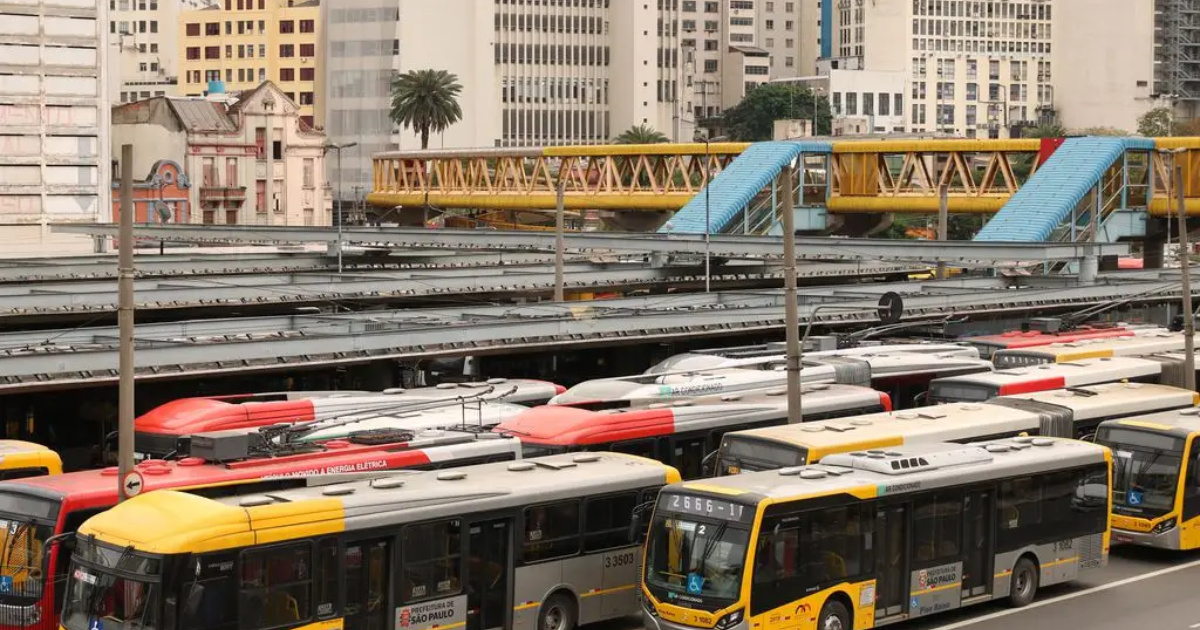
Political Signaling and Timelines
While the Finance Ministry conducts studies, the Chief of Staff has sought to dispel the notion that zero fare would be implemented in the short term.
Chief Minister Rui Costa stated that there are no plans to eliminate fares in 2025 or 2026, and that the president only requested a technical evaluation to support a future decision.
The statement came after Haddad publicly confirmed that the work is underway.
The discussion gained traction after the minister’s statements in interviews this week, when he said that the proposal could integrate the political platform of the government during the election period, if studies indicate viability.
However, the topic has not been formalized as a promise and remains conditioned to technical results and financing capacity.
Possible Sources of Financing
In any design, the financial sustainability of the system is the sensitive point.
Technicians and market agents emphasize that changing the cost base of transport — currently primarily based on the fare — would imply redistributing the costs among public budget, employer contributions, and sectoral mechanisms.
Also on the radar are allocations linked to mobility and the environment, in addition to instruments that capture indirect benefits such as urban decongestion and reduction of emissions.
However, the definition depends on negotiations with Congress and federative entities.
Studies cited by government and private sector members indicate that technological efficiency could reduce part of the cost, with improvements in electronic fare collection, line planning, and demand monitoring.
These measures, in isolation, do not eliminate the fare but help close the budget by decreasing fraud and operational redundancies.
Expected Impacts and Points of Attention
If advanced, free access would have direct effects on access to work and education, as well as potential stimulus to the local economy through increased circulation of people.
On the environmental side, the policy could encourage migration from cars to buses and subways, reducing emissions and congestion in large cities.
Meanwhile, there are fiscal and operational risks, observed by investors and public managers, especially in a context of primary result targets and spending limits.
At the federative level, the arrangement of responsibilities is another challenge.
Municipalities concentrate the operation and daily regulation of the service, while states and the Federal Government participate in financing and infrastructure policies.
Without a clear design for governance and permanent sources, experts warn of the risk of dissonance and disputes over who pays the bill in the event of a drop in revenue or an increase in demand.
How Users and the Transportation Allowance Are Affected
A possible reform of the transportation allowance is part of the options being studied.
The current policy transfers part of the cost to employer companies, which purchase credits for workers.
If the fare for users is eliminated, the rule could be reformulated to redirect resources from employer contributions to the funding pool of the system, focusing on universal access, including for informal workers and unemployed individuals, who are currently not covered by the benefit.
Any change, however, requires legal alterations and agreement with productive sectors.
At the same time, the government is evaluating technological measures to improve passenger flow control, integration among modes, and data transparency.
Such tools are cited as conditions to calibrate supply and avoid excess costs in a scenario without direct charges to the user.
Next Steps and Possible Scenarios
Haddad indicates that the results of this radiography will support scenarios and possible normative proposals.
In the short term, the expectation is to consolidate information on costs, subsidies, and indirect benefits of collective transport to then evaluate financing models.
In parallel, the signaling from the Chief of Staff that there is no immediate implementation seeks to reduce noise in the market and public debate.
Given the size of the estimated costs and the need for coordination among different levels of government, the most cited hypothesis by policymakers is phased implementation, starting with specific segments or regions, combined with efficiency goals and result monitoring.
As summarized by the president of the CNT, “public money in collective transportation is indispensable, but we understand it is more convenient for a gradual implementation.”
Amid studies, estimates, and divergent signals about timelines, what financing — and governance — design would provide predictability for zero fare without further pressuring public accounts?






Tudo que é de graça você é o produto.