





 Portuguese
  English
  Spanish
  5 min of reading
  0 comments


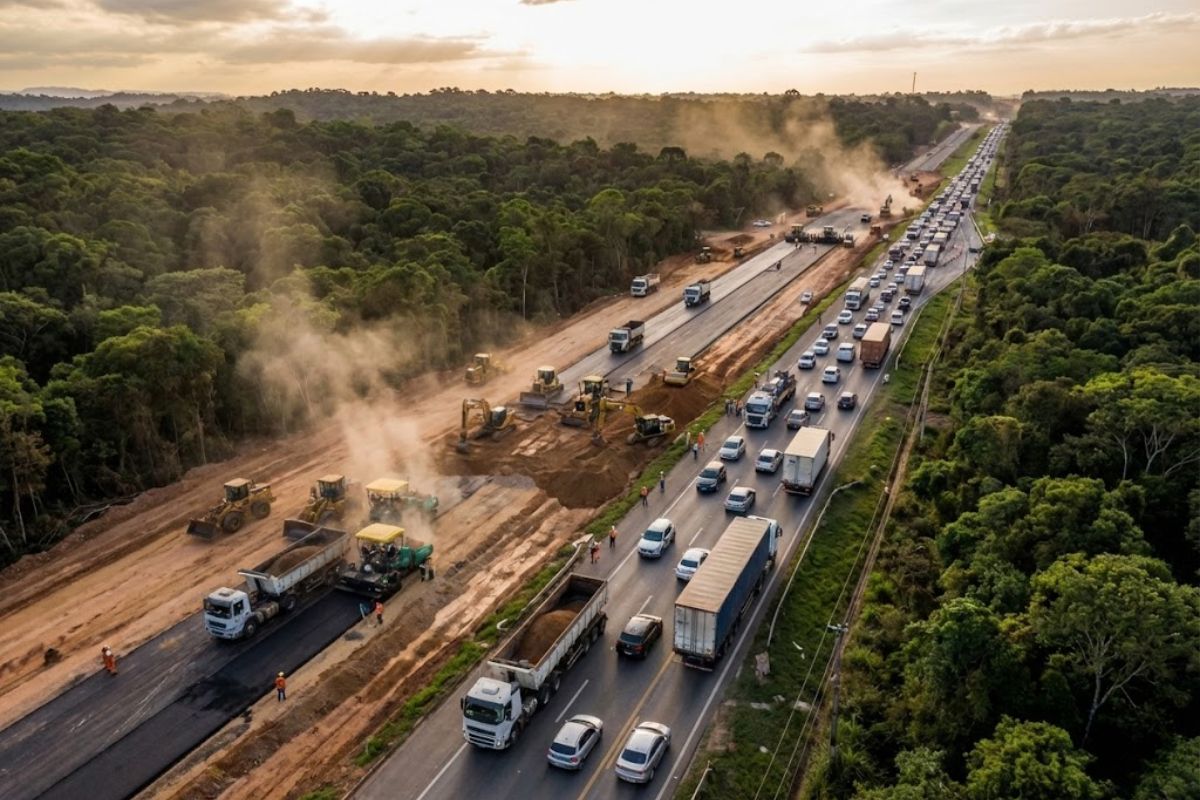
A $1.5 Billion Investment Is At The Center Of An Addendum That Should Enable The Tripling Of BR-101 Until The Northern Section Of The Contorno Viário Of The Greater Florianópolis. The Plan Modernizes The Licensed Project In The Ibama For Three Lanes, But Still Does Not Have A Final Schedule Closed.
The investment of R$ 1.5 billion was included to enable the tripling of BR-101 between the Contorno Viário of Greater Florianópolis and Morro dos Cavalos, in Palhoça, through an addendum to the contract for the execution of the tunnel work. The proposal is to integrate 67 km with another concessionaire, in a move that could change the design of the highway at one of the most critical mobility points in Santa Catarina.
Despite the billion-dollar amount and institutional progress, the investment still faces technical and environmental limitations that prevent a detailed execution schedule. For now, there is no final deadline defined for the completion of the tripling, even with the signal for modernization of the project already licensed in the Ibama, which anticipated two lanes and is being updated to three lanes.
What Is Being Prepared: Addendum And Integration Of 67 Km
The path to bringing the project to fruition involves drafting an addendum to the contract for the Morro dos Cavalos tunnel. This addendum is seen as the piece that ties the tripling of BR-101 to the northern section of the Contorno Viário, creating the contractual conditions for the new design of the highway.
-
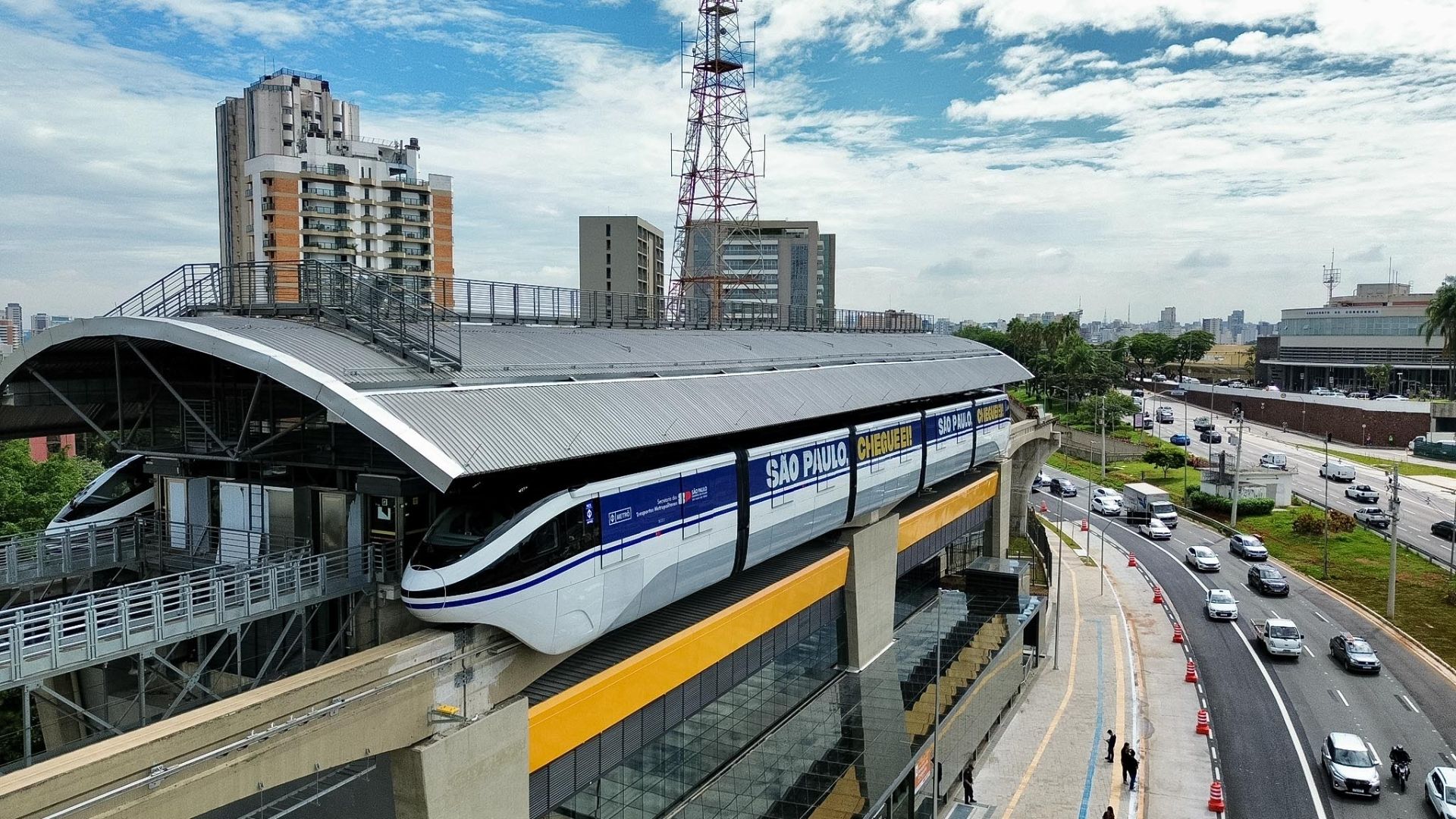
Congonhas receives the monorail promised for the 2014 World Cup after more than a decade of delays and becomes the first airport in Brazil with integrated subway.
-
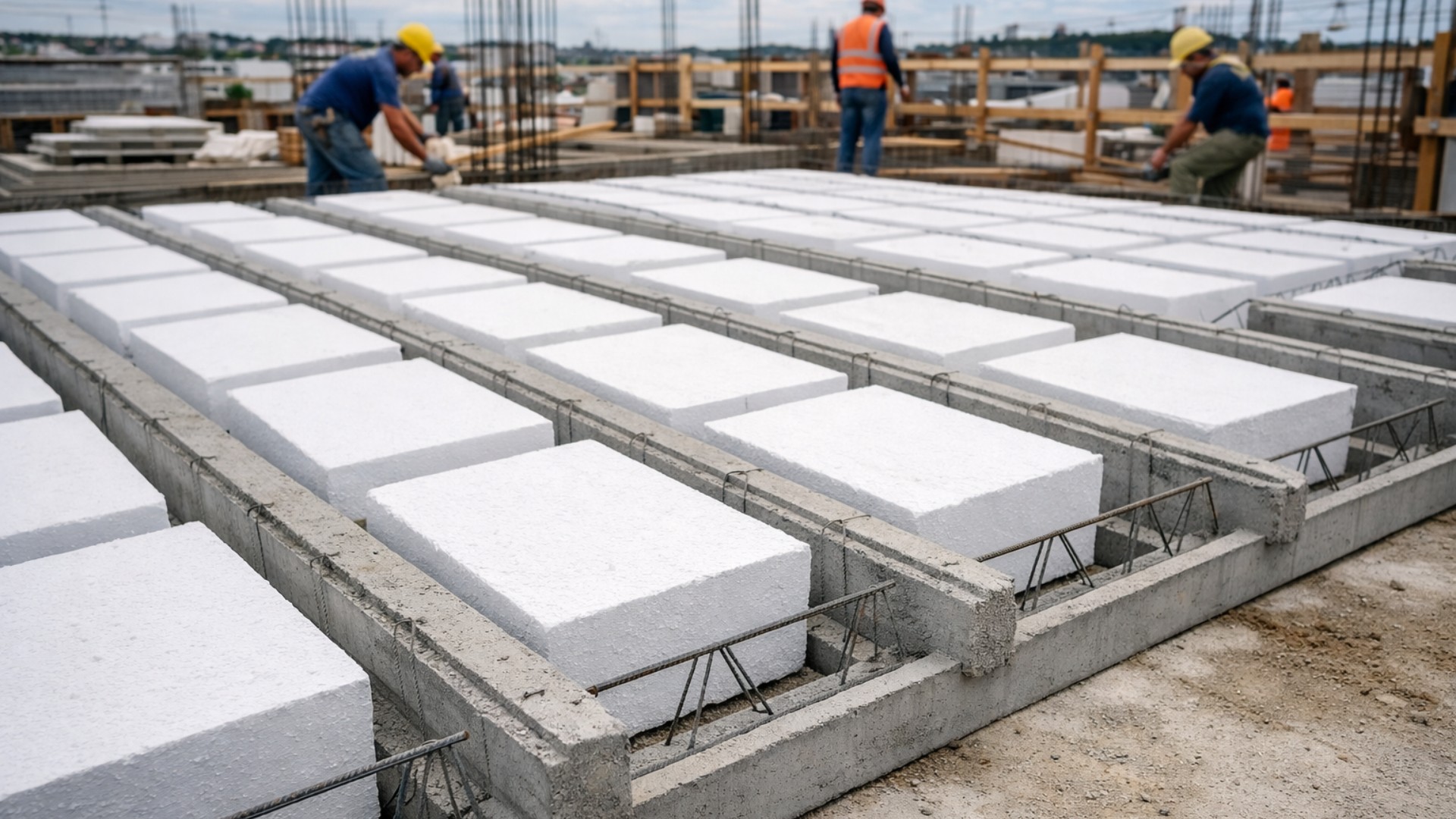
Goodbye, concrete: a new trend in civil construction reduces the weight of the structure by up to 30%, accelerates projects by up to 40%, cuts costs on steel and labor, and improves thermal insulation with EPS.
-
Russian engineers create an innovative propeller blade for aircraft that could completely change the way airplanes and helicopters operate.

-
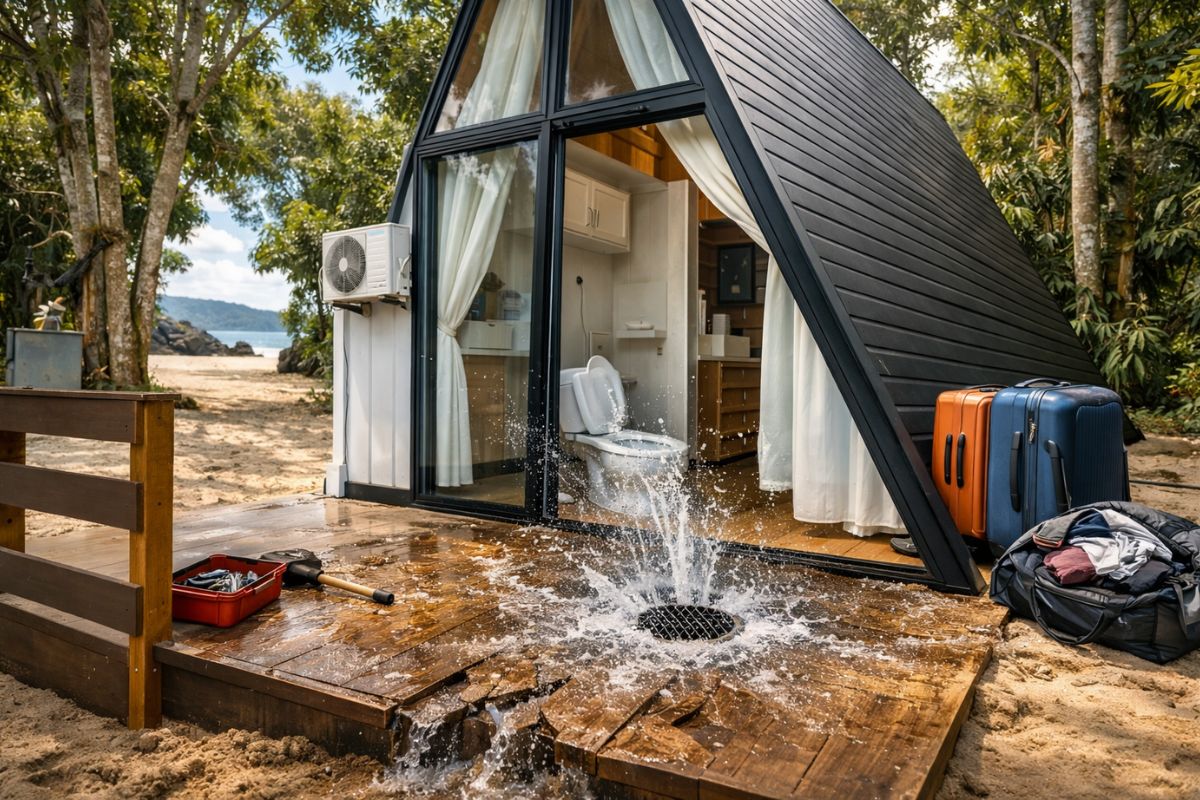
Couple finishes building PVC chalet on the beach on the last day, with air conditioning and curtains, but discovers the bathroom drain is inverted: water escapes from the drain, risking breaking the floor, and the rush continues before the trip.

The logic of the investment is linked to this reorganization: the proposal involves the integration of 67 km with another concessionaire, with the expectation of reorganizing responsibilities and allowing the capacity expansion to happen alongside a strategic intervention considered essential for reducing bottlenecks and congestion.
The Immediate Political Deadline: Mark Of March 8 And Authorization Of The TCU
There is a short-term milestone mentioned for the progress of the process. By March 8, the suppression of authorization from TCU, the Federal Court of Accounts, is expected, as well as the formalization of the addendum contract for the integration of 67 km with another concessionaire.
This point is crucial because, without this transition, the investment remains in the realm of intentions and announcements. It is the stage where the project moves from debate to contractual obligation, with clearer responsibilities for those who execute, oversee, and finance the expansion.
Project Licensed In The Ibama: From Two To Three Lanes
One of the most relevant details is that there is already an environmental license in the Ibama for the original project, which anticipated two traffic lanes. Now, the proposal is to modernize this design to three lanes, which directly aligns with the objective of tripling.
This adjustment is not merely “painting another lane” on paper. It changes the scope of the intervention, affects the expected impact, and influences the planning of the work. Therefore, even with the investment on the radar, technical and environmental issues remain factors that could prolong stages and complicate the definition of fixed deadlines.
Tunnel Of Morro Dos Cavalos: Announced Work And Higher Cost In The Package
Alongside the discussion about tripling, there was the federal announcement of the construction of a tunnel at Morro dos Cavalos, on BR-101, in Palhoça. The promise is that the intervention will address recurring congestion in this segment, which is considered critical for mobility.
The tunnel work was presented with a budget of R$ 2.5 billion, and the project anticipates two tunnels, one for each direction, with three lanes in each tunnel. Within this context, the tripling of 67 km was described as something that would occur about a year after the opening of the structure, linking the capacity expansion to the functioning of the tunnel.
Who Is In Charge Of The Work And How The Money Enters: Toll And Change Of Responsibility
The responsibility for the works was transferred to the company CCR Motiva by decision of ANTT, the National Land Transportation Agency. The format is private work, funded by toll revenues, which defines how the money comes in and how the investment is sustained throughout the contract.
According to the Ministry of Transport, the deadline for completing the tunnel is up to three years. This creates a temporal reference for the main component of the package, even though the tripling still does not have a detailed schedule and remains without a formally established final deadline.
Why It Became A Drama Of More Than 15 Years: Licenses, Contract And Hurdles
The history of Morro dos Cavalos helps explain the caution with promises. According to Fiesc, the tunnel was scheduled to be built over 15 years ago, during the period when the duplication of the south section of BR-101 was progressing and was completed in 2010.
Even with environmental licenses obtained between 2013 and 2014, the work never started. The set of hurdles mentioned involves bureaucracy, financial issues, and the deadline of the contract with Arteris Litoral Sul, which ends in 2033. This scenario reinforces why the investment needs to be accompanied by solid contractual arrangements to avoid becoming another chapter of delay.
The Role Of The Contorno Viário And Why It Changes The Game
After the delivery of the Contorno Viário of Greater Florianópolis in August 2024, the current concessionaire did not anticipate new major structural works. This detail helps to understand why responsibility was transferred: a new arrangement was necessary to enable a larger package of interventions.
In practice, the Contorno Viário changes flows, redistributes traffic, and creates a new reference point for capacity works on BR-101. The tripling between the Contorno and Morro dos Cavalos, supported by the billion-dollar investment, emerges as a direct response to a segment that continues to be a bottleneck even with the delivery of a new route.
What Is Still Undefined And What Is On The Immediate Radar
The current picture mixes progress and uncertainty. On one side, the investment of R$ 1.5 billion appears associated with an addendum that needs to be drafted to enable the tripling, with integration of 67 km and modernization of lanes in the project licensed in the Ibama. On the other side, the technical and environmental conditions themselves prevent the existence of a detailed schedule and a defined final date for the tripling work.
In the short term, what gains weight is the mark of March 8, with the suppression of TCU authorization and the formalization of the addendum. It is this step that tends to define whether the investment moves from discourse to contractual obligation, with execution, supervision, and deadlines increasingly tied together.
Do you think this billion-dollar investment will finally unlock Morro dos Cavalos, or will BR-101 remain trapped in promises and congestion for more years?






-

-

-

-

17 pessoas reagiram a isso.