





 Portuguese
  English
  Spanish
  4 min of reading


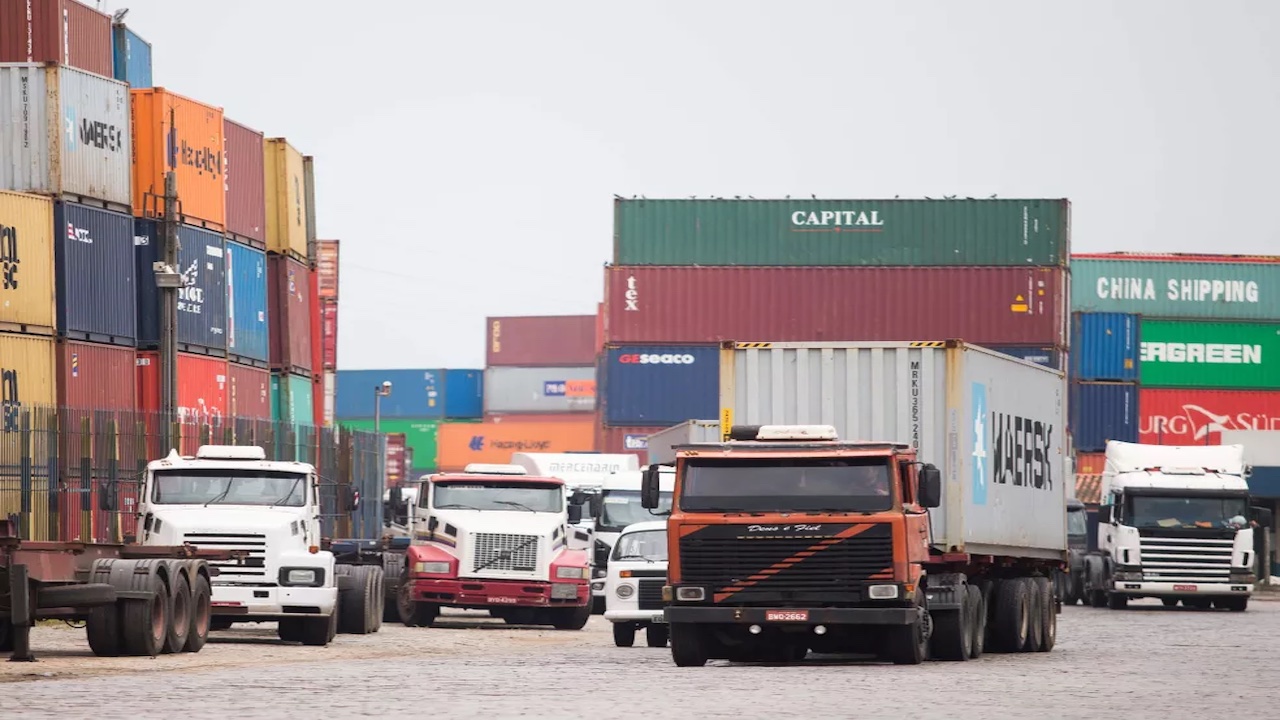
The Training “Formation of Diesel Managers” Addressed Issues Related to Improving Fuel Management in Fleets.
Transporters from all over the country participated in a training session to improve fuel management in their fleets, especially in a year with constant increases in diesel prices. The event titled “Formation of Diesel Managers” took place in the city of Tubarão (SC) at the beginning of December and was promoted by the Union of Logistics and Cargo Transport Companies of the Amurel Region (SETRAM).
Read Also
- Against the Grain of the Crisis, OdontoCompany, the Largest Network of Dental Clinics in the World, Calls for 728 Job Openings in Various Brazilian Regions; Salaries Reach R$ 15 Thousand
- With More Than 1 Million and 700 Thousand Kilometers of Roads and Considered the Fourth Largest Road Network in the World, Brazil Has Obsolete Freight Hiring Processes for Truck Drivers That May Impact Company Growth in the Country
- Helper, Driver, Bricklayer, Supervisor, Operator, and Many More Job Openings to Work on the Interconnection Works of the Transportation Gas Pipeline of ES Gás, on This Day, December 13
- Siemens Gamesa Takes Down Giant General Electric and Celebrates an Incredible Milestone: the Largest and Most Powerful Wind Turbine in the World of 14MW and Rotor of 222 Meters Starts Producing Energy
Course Prepared for the Impact of Diesel Increases on Your Fleet and to Reduce Fuel Acquisition Costs
The event, in-person and online, was led by consultant Flávio Batista, CEO of FB Consult, a company specialized in training and courses for the transport sector. The main objective of the course was to prepare transporters’ teams for the impact of diesel increases on their fleet and to reduce the cost of fuel acquisition based on established best practices in the market.
“We discussed several issues related to diesel management over these two days, as this has been a common dilemma for many professionals in the transport field, because, unfortunately, fuel prices have skyrocketed and the cost is always passed on to the carriers’ customers,” explains Flávio Batista.
-
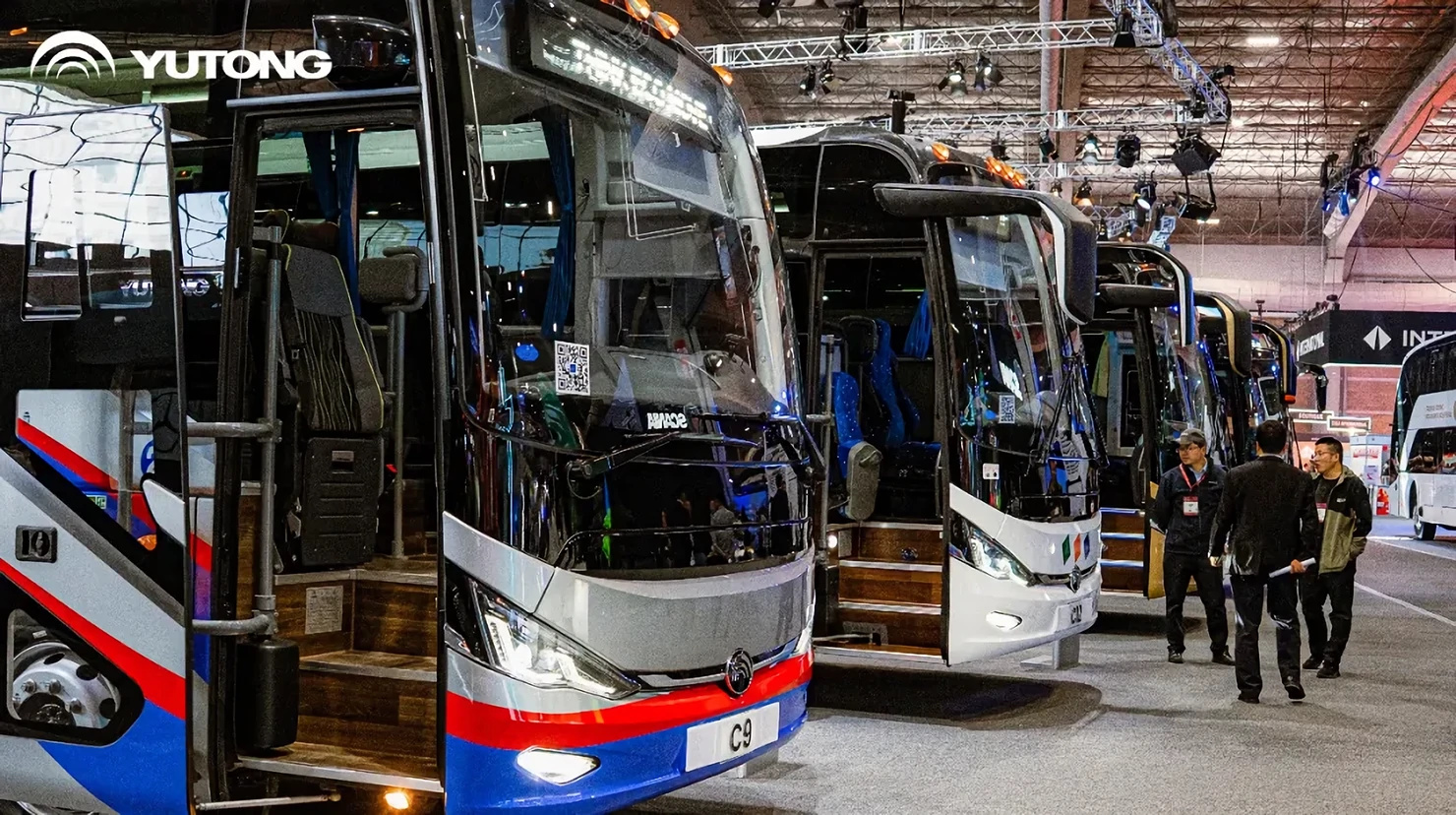
China advances into Mexico’s transportation with an electric bus that has a range of up to 530 km, bringing a complete line to the country in 2026 and transforming its partnership with Yutong into one of the most strategic in Latin American mobility.
-
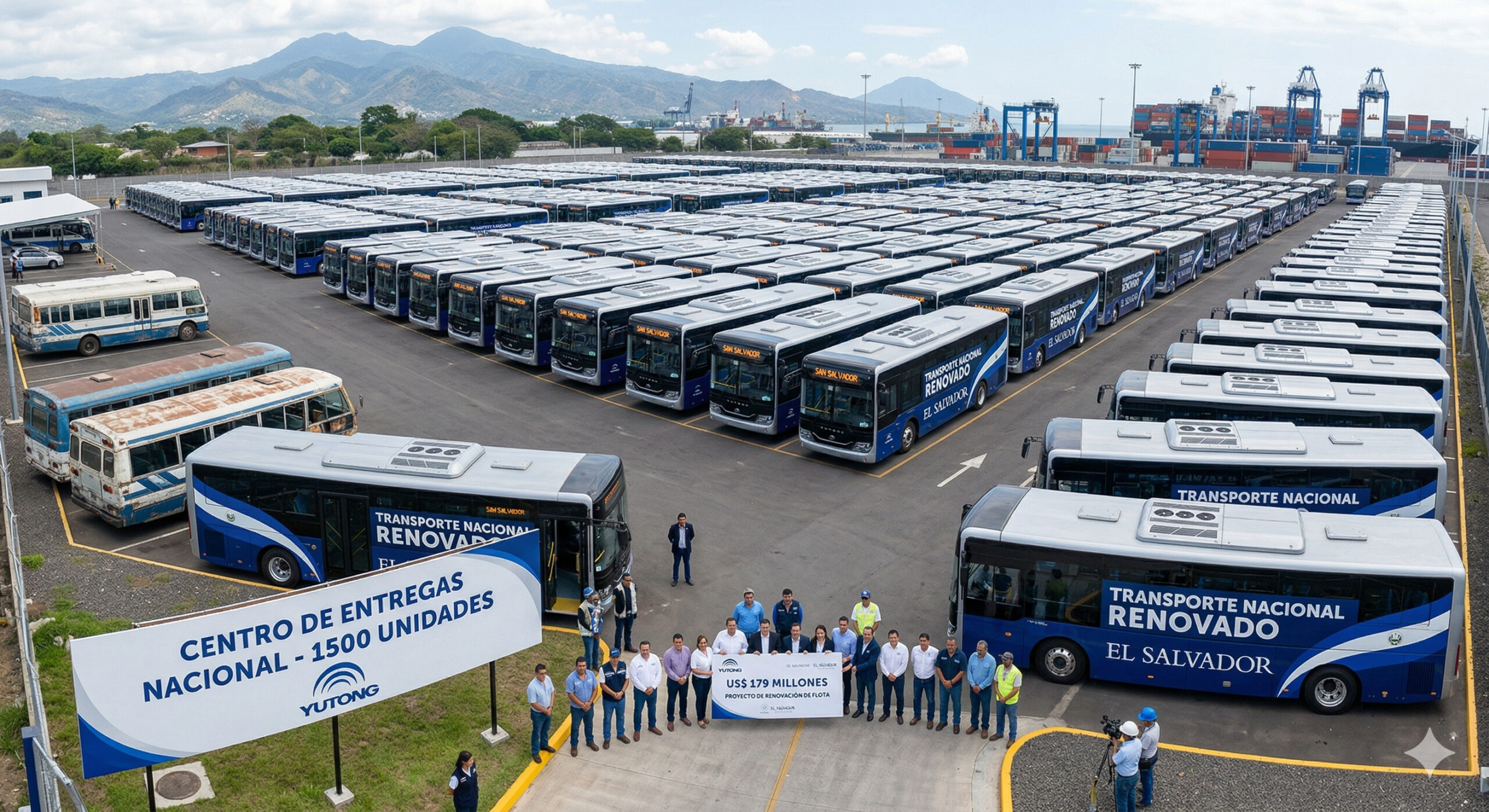
With 1,500 new buses financed by an international agreement, El Salvador is preparing the largest renewal in the history of its public transportation, a plan of $179 million with vehicles from the Chinese company Yutong that could replace practically the entire fleet of the country.
-
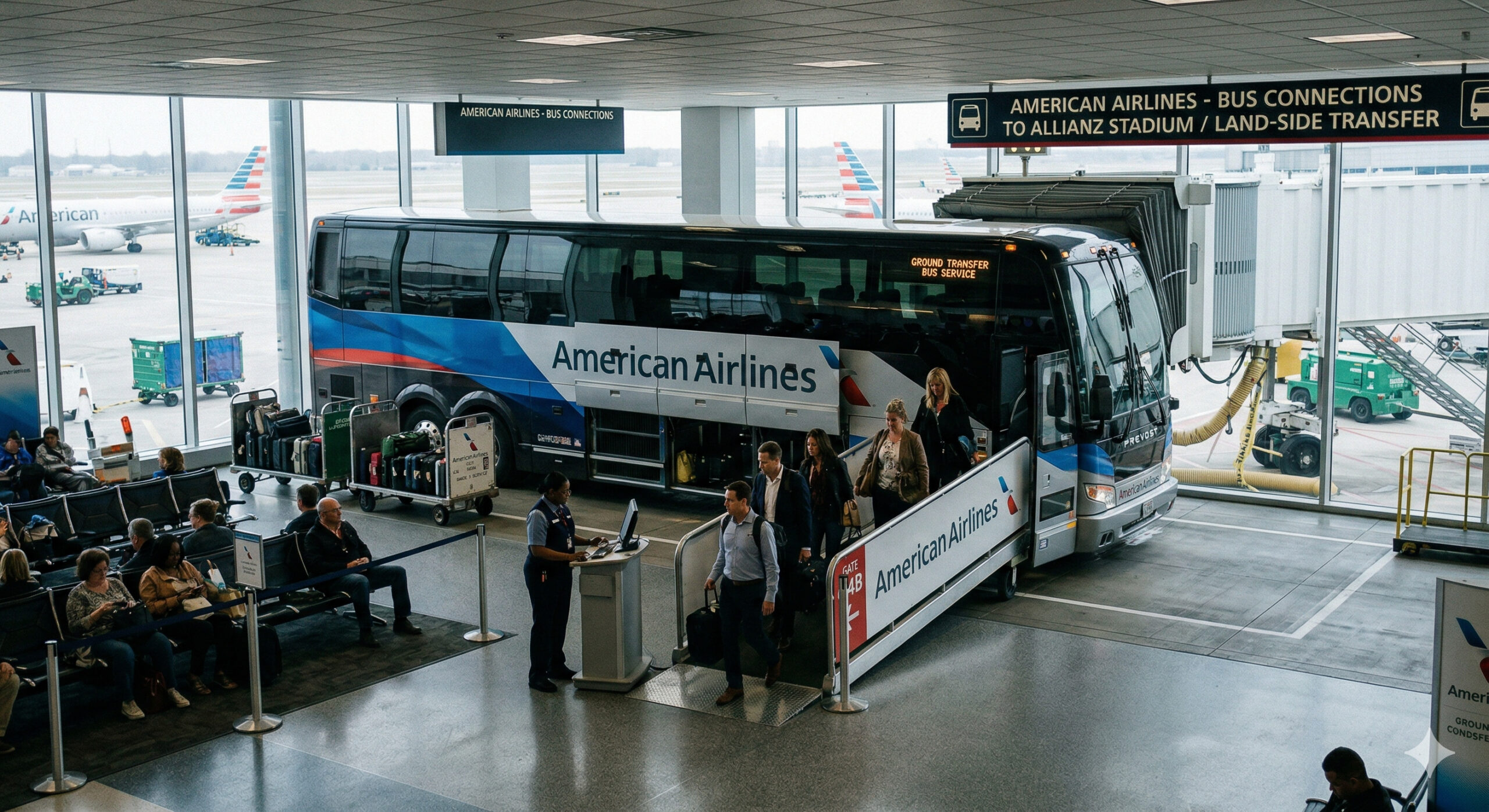
American Airlines starts selling trips as if they were flights, with check-in and baggage check at the airport, but on short routes, passengers board luxury buses connecting cities to major hubs in the U.S.
-
São Paulo surprises the world with a colossal railway network project that promises over 1,000 km of tracks, R$ 194 billion in investments, and 40 projects connecting the capital to the interior with fast and sustainable trains.
The consultant covered some vital points, such as initiatives in diesel purchasing, i.e., how to seek the best prices and the best ways to negotiate, based on fleet storage and consumption management.
Reduction of Fleet Fuel Consumption Through Driver Training
Another important point addressed was how to reduce fleet fuel consumption through driver training, with meetings, training, and improvements focused on diesel and using technology as an ally for transport companies.
Thus, one of the event partners was Gestran, a fleet management company that, through technology, has modules dedicated exclusively to intelligent fuel management and based on the cross-referencing of various data processed by the company’s algorithms.
“The vast majority of companies still work on paper, on ‘feeling’, and at most with spreadsheets. Visualizing results and indicators through a tool that works almost on its own is a significant advantage for making corrections and guiding company staff to always seek the best deal,” says Raphael Aguiar, commercial manager of Gestran.
Gestran’s System Allows Managers to Set Goals for Each Vehicle and Monitor Them Daily
Among the main benefits of Gestran’s system is the ability for managers to set goals for each vehicle and monitor them daily. It also allows for managing supplier prices and integrating internal and external fueling data automatically, without human intervention.
The event’s impact was so positive that some managers reported just days after the event an immediate projection of savings for the upcoming months.
“One of the participants called us and said that, just with the implementation of the practices learned in the course, in management and negotiation, they saw savings of R$ 15 to 20 thousand in the first month alone, using our negotiation practices. For us, the event organizers, this is the best indicator of success,” celebrates Fábio Batista.
Direct Sale of Ethanol from Mills Approved by the Senate Promises to Stimulate Competition and Curb Gasoline Price Increases at Fuel Stations
The Senate approved, last Wednesday (12/8), by a vote of 71 in favor and none against, the permission for the direct sale of ethanol from mills – without going through distributors, to fuel stations. Now the Provisional Measure 1.063/2021 goes for the sanction of President Jair Bolsonaro (PL). The new MP may curb the increase in gasoline and diesel prices and ease the financial burden on Brazilians.
Currently, ethanol taxation occurs in two stages: part at production, another at distribution. The text expected to be edited by the government, still in May, should both equate the tax viability for direct sales and establish it in legislation, preventing the issue from being addressed again through a resolution from the National Agency of Petroleum, Natural Gas, and Biofuels (ANP), which has more volatile effects than a law. Read the full article here.










Seja o primeiro a reagir!