





 Portuguese
  English
  Spanish
 5 min of reading
  2 comments





New High-Speed Train Rio-São Paulo Will Have Only Four Stations, Leaves Aparecida Out of the Route and Reignites the Dispute Between Efficiency, Costs, and The Right of Cities to Participate in The High-Speed Project.
The city of Aparecida, nationally known for the Sanctuary of Our Lady of Aparecida and also as the Capital of Faith, was left out of the latest version of the high-speed train Rio-São Paulo project.
TAV Brasil, the company responsible for the project, confirmed that the 417 km line will have only four stations: Rio de Janeiro, São Paulo, Volta Redonda, and São José dos Campos. The trip is expected to last about 105 minutes, with trains that can reach 320 km/h.
The estimated investment is R$ 60 billion, fully private, with construction expected to start around 2028 and commercial operations projected for 2032. TAV Brasil received federal authorization to operate the service for 99 years under a railway authorization regime, assuming business risks in exchange for the right to operate the line and exploit real estate areas around the stations.
-
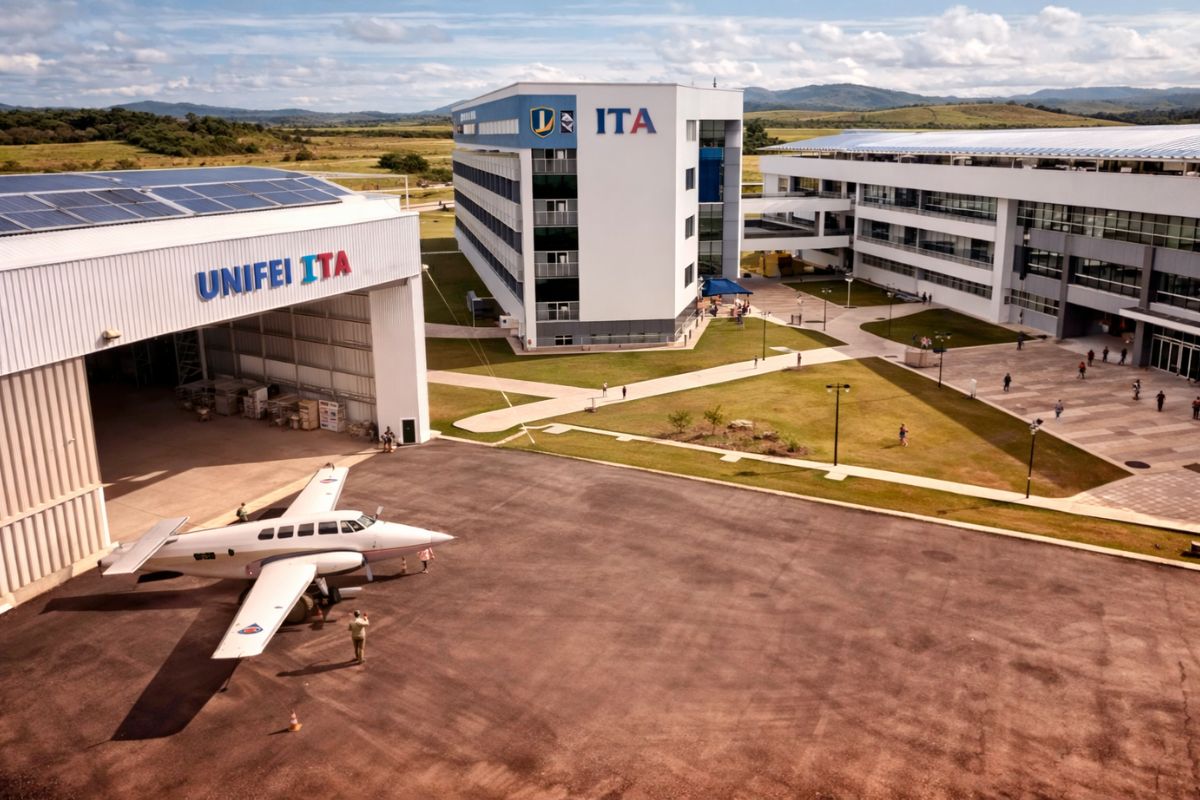
The institute that trained the greatest aerospace engineers in Brazil has just opened its first campus outside São Paulo after 75 years: ITA Ceará will have R$ 445 million, new courses in energy and systems, and classes are expected to start in 2027.
-
Luciano Hang, owner of Havan, goes to Juiz de Fora after the tragedy in February, brings R$ 1 million, hands out R$ 2,000 cards, and donates up to R$ 15,000 to victims in the region.

-
The Brazilian passport allows legal residence in dozens of countries without the need for a prior visa, and most Brazilians are unaware that they can apply for residency directly upon arriving in nations in South America, Africa, and even Europe.

-
Petrobras sends a message to Brazilian truck drivers after fuel collapse and reveals plan to have 100% domestic diesel.


The frustration in Aparecida is greater because the city was included in previous versions of the project. In 2024, a report by the Melhores Destinos website showed a route with nine stations, including Guarulhos, Jacareí, Taubaté, Aparecida, and Resende, in addition to the capitals, all indicated by the company based on demand studies. Jornal Correio da Manhã also listed Aparecida among the planned intermediate stops.
With the revision announced in 2025, the high-speed train returns to a more streamlined design, with only two intermediate stops. The implicit justification is to reduce costs, simplify construction, and ensure a higher average speed, enhancing the project’s appeal to investors. For cities that lost their station, however, the feeling is that they have been removed from the high-speed map without broad public debate.
Aparecida Loses The Station and Fears Being Left Out of The New Axis of Development
In Aparecida, the exclusion is seen by political and business leaders as a loss of a historic opportunity. The city receives millions of pilgrims each year, coming from various states, on long journeys by highway.
A high-speed train station could shorten routes, diversify access, and attract new visitors, including foreigners arriving through airports in São Paulo and Rio.
Tourism experts consulted by regional media assess that the high-speed train could consolidate Aparecida as a religious and tourist hub integrated with other routes in the Southeast. Without a stop, the city remains dependent on buses and cars, in a context of high tolls and congestion in the Paraíba Valley, especially during religious holidays.
Local business owners fear losing competitiveness to other destinations that will gain a station and new developments in the vicinity.
How The New Route of The High-Speed Train Rio-São Paulo Looks
The current route connects São Paulo to the central region of Rio through the Paraíba Valley, with stops only in São José dos Campos and Volta Redonda. Reports from outlets such as Exame, Correio da Manhã, and Melhores Destinos show that the choice favors industrial, logistical, and technological hubs, with a large concentration of business and daily commuting travel between the two metropolitan areas.
With fewer stations, the train reduces travel time and decreases the number of complex works in densely populated urban areas, such as tunnels, viaducts, and access roads.
For private investors, this means a more controllable budget, lower risk of delays, and legal disputes.
In contrast, cities that were included in previous versions now depend on road connections or regional systems to access the service, losing their status as a direct stop.
Tickets Priced at R$ 500 and Promise of Billion-Dollar Impact on The Economy
TAV Brasil is working with a ticket price predicted to be around R$ 500 per segment between Rio and São Paulo, a value considered competitive compared to the air bridge, especially if the passenger saves time traveling to airports and boarding lines. For intermediate segments, such as São José dos Campos or Volta Redonda, estimates reported by the press indicate prices around half of that, still under study.
Studies presented by the company and reproduced in outlets like Diário do Comércio, ND Mais, and others estimate that the high-speed train could add up to R$ 168 billion to Brazil’s GDP by 2055, generate about 130,000 direct and indirect jobs, and increase tax revenue by tens of billions of reais during the same period.
A significant part of this gain would come from real estate appreciation, commercial centers, and services that are expected to emerge around the four stations.
Legal Framework for Railways and The Weight of Private Capital
The possibility of an entirely private high-speed train became concrete only after the Legal Framework for Railways, sanctioned in 2021 by Law 14.273. The regulation allows companies to obtain permits to build and operate railways on their own, without bidding, as long as they assume all investment risks and meet technical and environmental requirements. For the federal government, the goal is to unlock a new wave of projects with private capital.
In the case of TAV Brasil, the authorization is valid for 99 years and gives the company the right to explore the line and strategic areas around the stations, including real estate projects.
In exchange, the company must obtain environmental licenses, prove financial capacity, and negotiate with foreign investors, particularly from China, Spain, and Arab funds, as reported by economic and infrastructure outlets.
The final design of the route, therefore, also reflects these funders’ views on where the points of greatest return are.
Who Wins and Who Loses With The Exclusion of Aparecida
With the confirmation that Aparecida will not have a station on the high-speed train, the controversy has moved from technical backrooms to social media, municipal chambers, and religious tourism entities.
Proponents of the more streamlined route argue that fewer stops mean faster journeys, less risky construction, and a greater chance of the project finally getting off the ground after decades of promises.
Critics argue that an investment of R$ 60 billion should not bypass the religious tourism corridor of the Paraíba Valley without stopping in the city that houses Brazil’s patroness.
For you, is the exclusion of Aparecida an inevitable technical decision or a mistake that concentrates gains too heavily in a few cities? Share your opinion in the comments, agree or disagree, and help broaden the debate on how the country should plan its major mobility projects.










Quem está pagando que opte pelo melhor jeito, aparecida só quer aparecer.
Um trem de alta velocidade com muitas paradas não faz sentido, deixaria de ser de alta velocidade pois não conseguiria desenvolver a velocidade maxima por causa da distância entre as paradas intermediárias, independente de ser uma cidade religiosa, aparecida não tem o mesmo peso econômico que são José dos campos e volta redonda que são as duas maiores cidades do meio do trajeto com demanda certa e sao os polos econômicos do vale do paraiba.