





 Portuguese
  English
  Spanish
 3 min of reading


One Of The Largest Trains In Latin America Will Start Operating In Brazil And Is 2 Kilometers Long
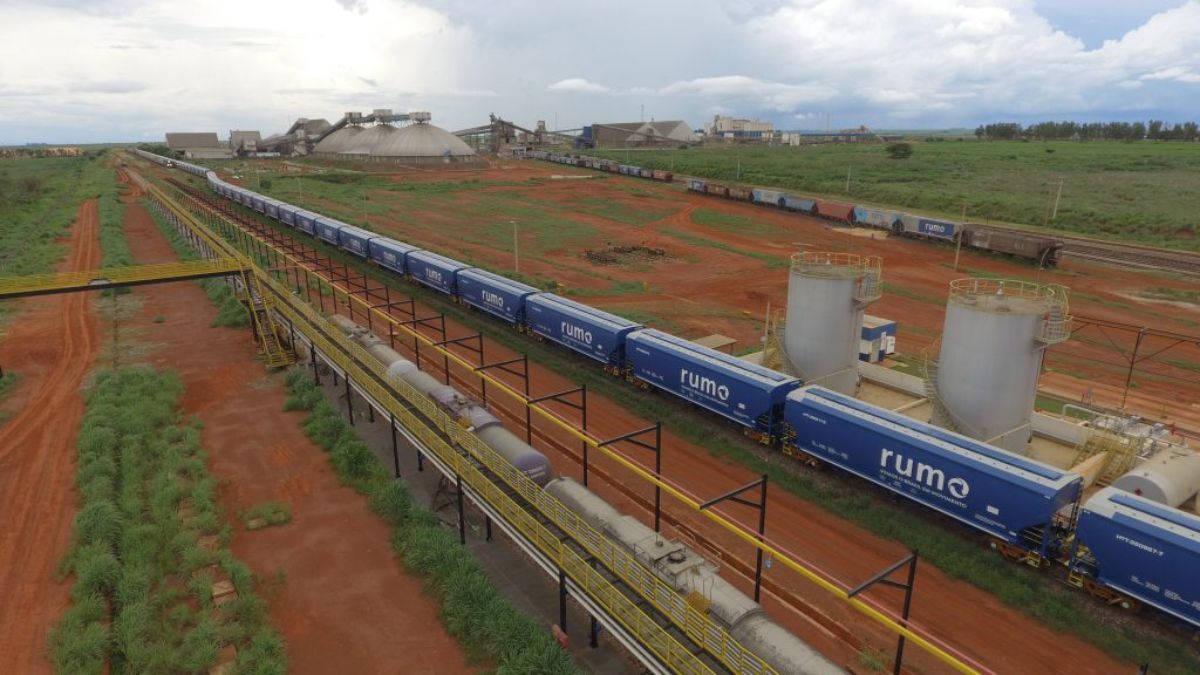
The railways in Brazil have been neglected for some time, but now it seems that this will change. In the first quarter of 2022, the initial operations of one of the, if not the largest, train in Latin America began, featuring 120 cars. It promises to assist agribusiness in transporting supplies. Rumo is the company responsible for this new railway transport that is bringing regional development to the Southeast and Midwest.
The massive train draws attention for its 2 kilometers in length and capacity to connect the Port of Santos in São Paulo with the municipality of Rondonópolis in Mato Grosso. This train model has 50% more capacity than the original, which only had 80 cars. Thus, it will be able to carry 11,500 tons in each composition. As a result, the initial operations conducted with the model have already set records in March, reaching over 5 billion tons per kilometer of usable load. Learn more about this new train in today’s article.
Learn More About This Incredible Train Over 2 Km Long In The Video Below


Rumo Company Makes History With 120-Car Train By Transporting Between Mato Grosso And The Port Of Santos
Although operations with the new 120-car train gained momentum only in 2022, Rumo has already preserved other historical values regarding cargo. In 2021, it achieved the highest cargo volume in history, reaching a level of 64 billion Ton-Miles (TM). However, this figure resulted from improved transportation in the Mato Grosso region, which increased cargo movement by 20 million tons. This corresponds to a market share of 43% of the total volume of exported grains.
-
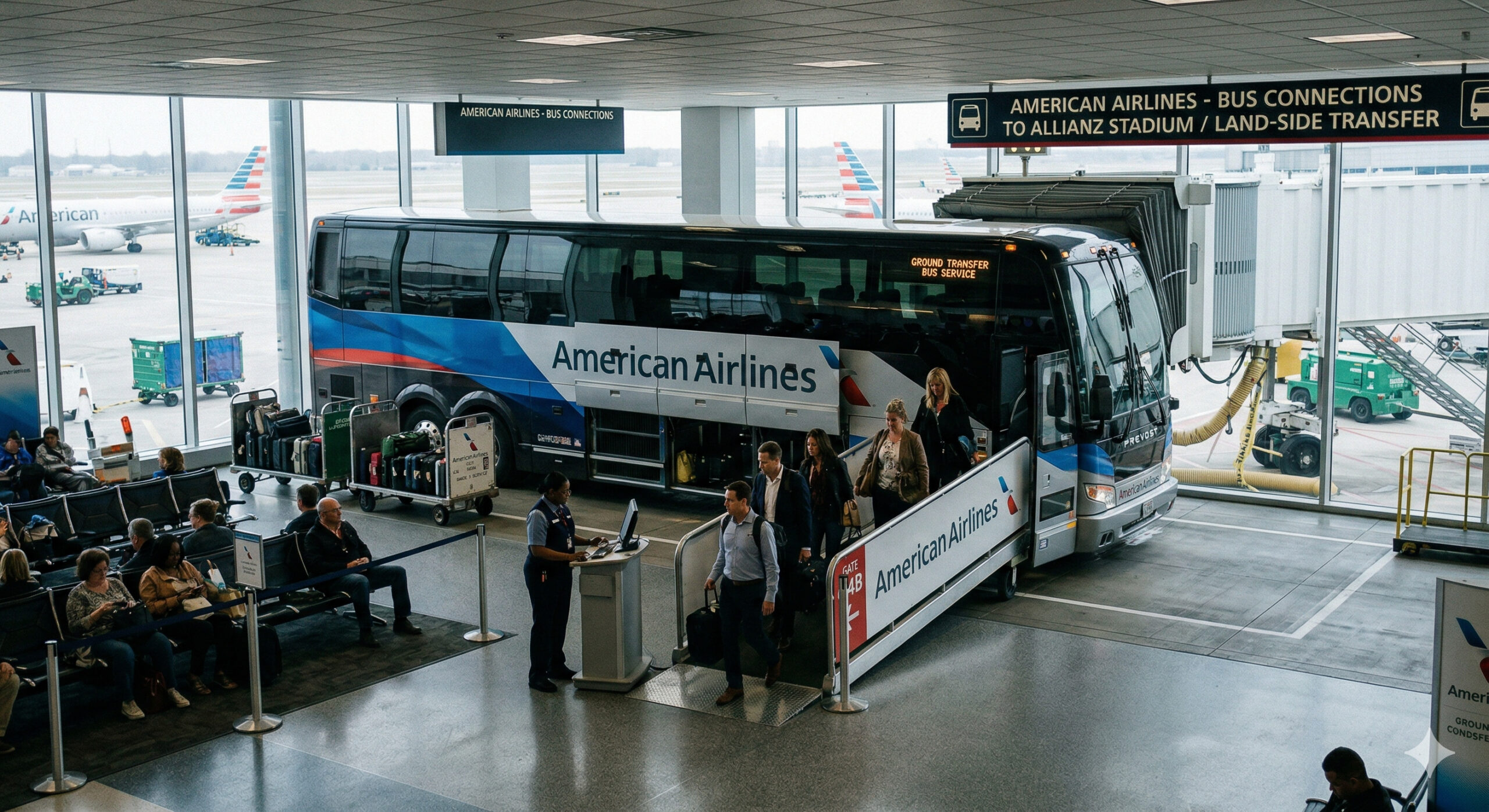
American Airlines starts selling trips as if they were flights, with check-in and baggage check at the airport, but on short routes, passengers board luxury buses connecting cities to major hubs in the U.S.
-
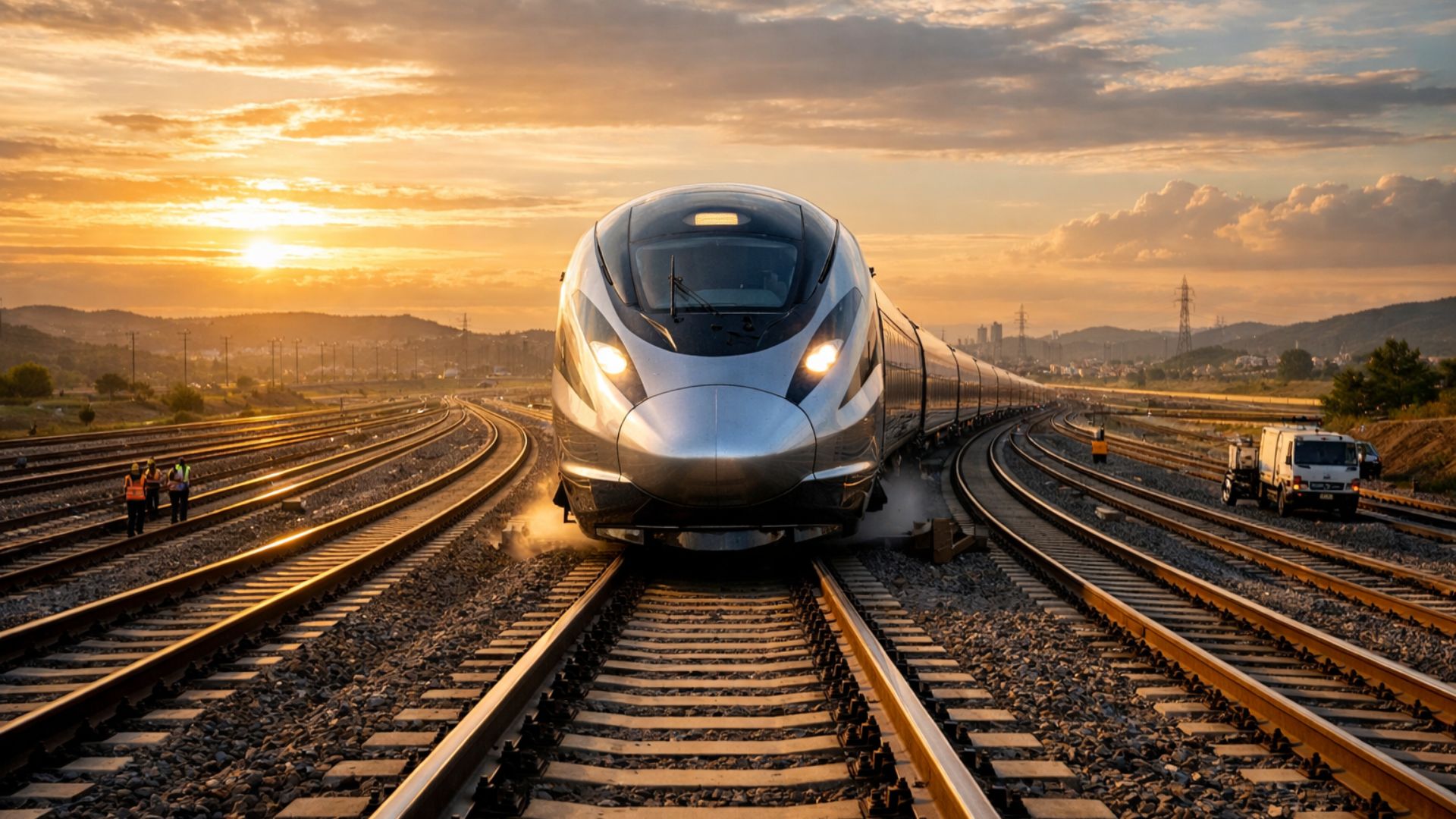
São Paulo surprises the world with a colossal railway network project that promises over 1,000 km of tracks, R$ 194 billion in investments, and 40 projects connecting the capital to the interior with fast and sustainable trains.
-
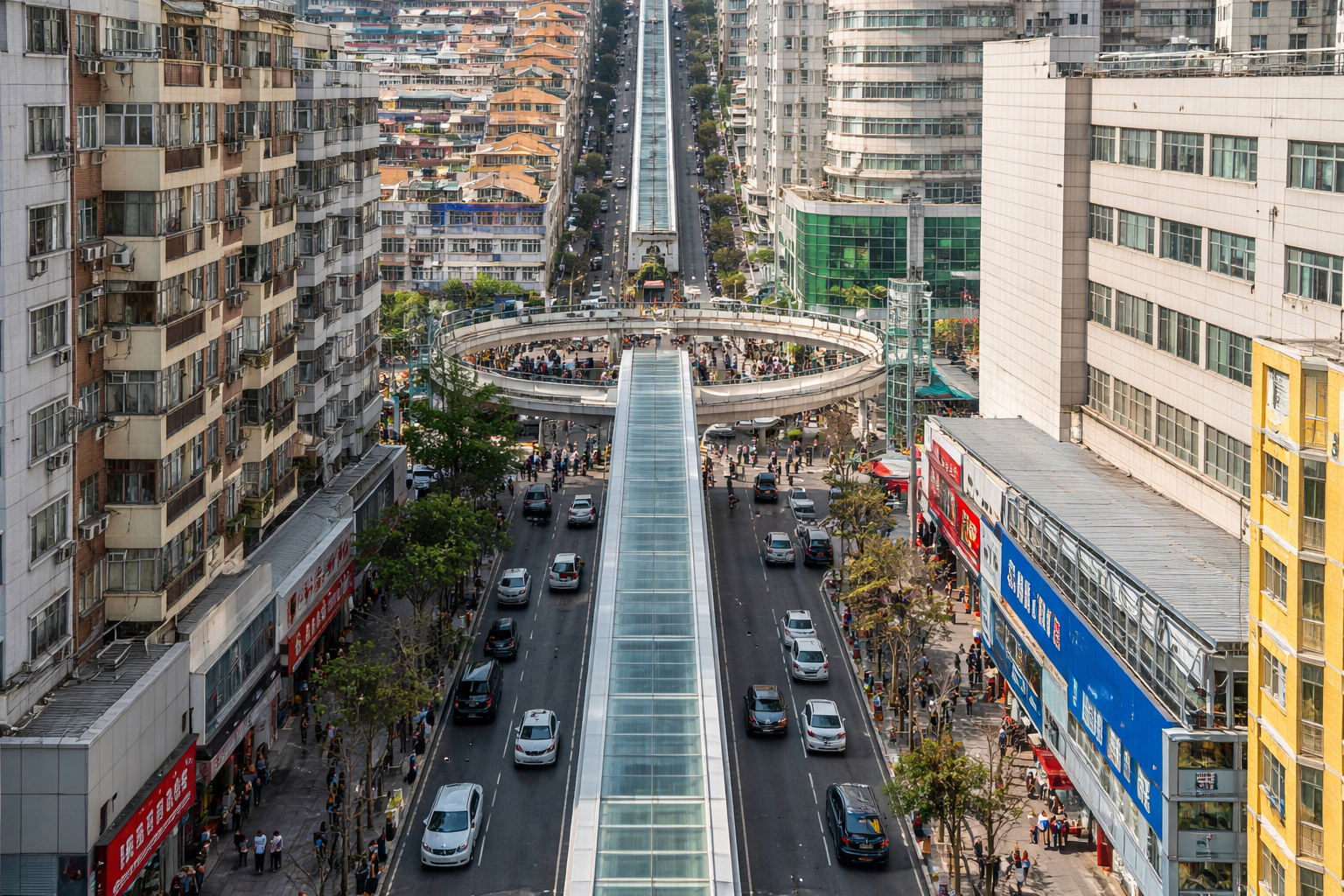
The world’s largest escalator, measuring 905 meters in China, reduces urban travel time from 1 hour to about 20 minutes and transforms mobility in mountainous regions with an engineering solution adapted to the terrain.
-
A R$ 300 million logistics giant is taking shape in Serra with over 100,000 m² and raises a question: how can this transform e-commerce and distribution in the state?

“It is an operation that has already brought significant operational gains, and the expectations are even greater for 2022 and the coming years.”
Thiago Alvarenga, Executive Planning Manager at Rumo (2022)
In 2021, Rumo accounted for 1,585 trips with the 120-car model, which is powered by only 4 locomotives. However, if this transported load had been carried out using the old model of 80 cars, it would have required 792 additional trips, totaling 2,377 trips. This achievement brings various benefits, such as increased regional development, movement of agribusiness via train, and connection across long distances.
Rumo Train Allows Soy Crop Transportation With Lower Greenhouse Gas Emissions And Optimizes Loads
You may be wondering, but what is the main advantage of having such a large train transport? Although it may seem like a retro mode of transport, railways play an important role in transporting soy crops and other agribusiness products. After all, they connect long distances and can carry millions of tons annually with low greenhouse gas emissions.
“For every 10,000 tons transported by rail compared to roads, it is possible to avoid the emission of approximately 1,500 tons of CO², a compensation equivalent to planting more than 10,000 trees in the Atlantic Forest.”
Thiago Alvarenga, Executive Planning Manager at Rumo (2022)
Experts from the Mato Grosso Institute of Agricultural Economy (Imea) point to a historic harvest of nearly 40 million tons of soy in the state for 2022. This surpasses the last record from 2021 by 36.05 million tons. Today, Rumo can transport 74,000 tons of soy per day between the Port of Santos and Rondonópolis. This amounts to an average of 6.5 trains of 120 cars daily.
However, the company has already recorded intense flow days with 11 trips, with 7 departing from Rondonópolis, moving over 126,000 tons per day. It is worth remembering that the incredible train also connects to the Central Network, from the terminals of São Simão (GO) and Rio Verde (GO), which contribute to the large delivered loads.







-

Uma pessoa reagiu a isso.