





 Portuguese
  English
  Spanish
  3 min of reading
  0 comments


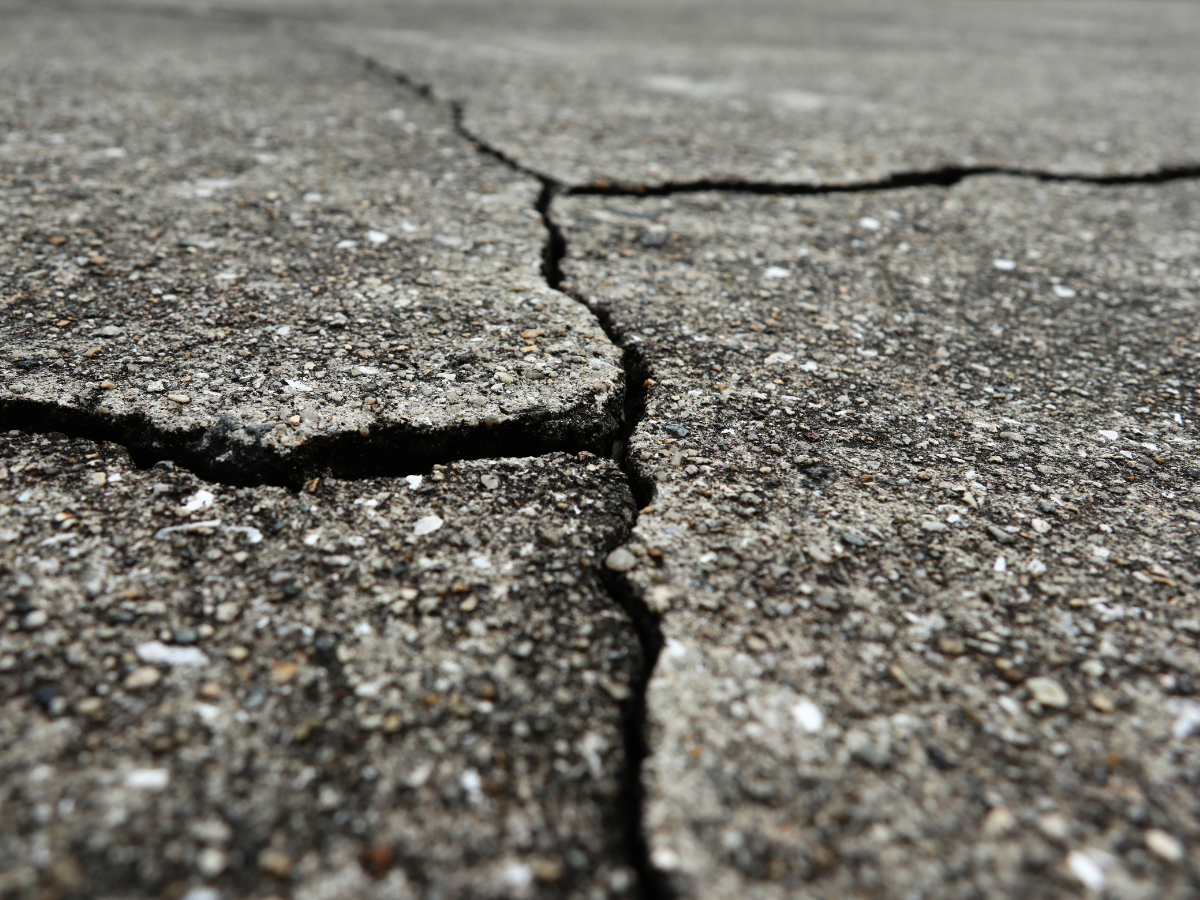
Avoiding Cracks And Fissures In Concrete Is Essential For Preserving Strength And Durability Of Constructions. Simple Techniques, Applied From Preparation To Curing, Make All The Difference In The Integrity Of Structures.
Cracks and fissures in concrete are not just a visual problem. They can indicate serious structural failures, compromising the safety of the work. Often, these damages appear within the first few hours after pouring concrete, due to factors such as excessive heat, rapid loss of water, or material shrinkage.
Therefore, understanding how to avoid cracks and fissures in concrete from the start of the construction process is essential to ensure the quality of the structure over the years.
Heat And Water Loss: The Main Causes Of Fissures
Two factors deserve special attention in the emergence of fissures:
-
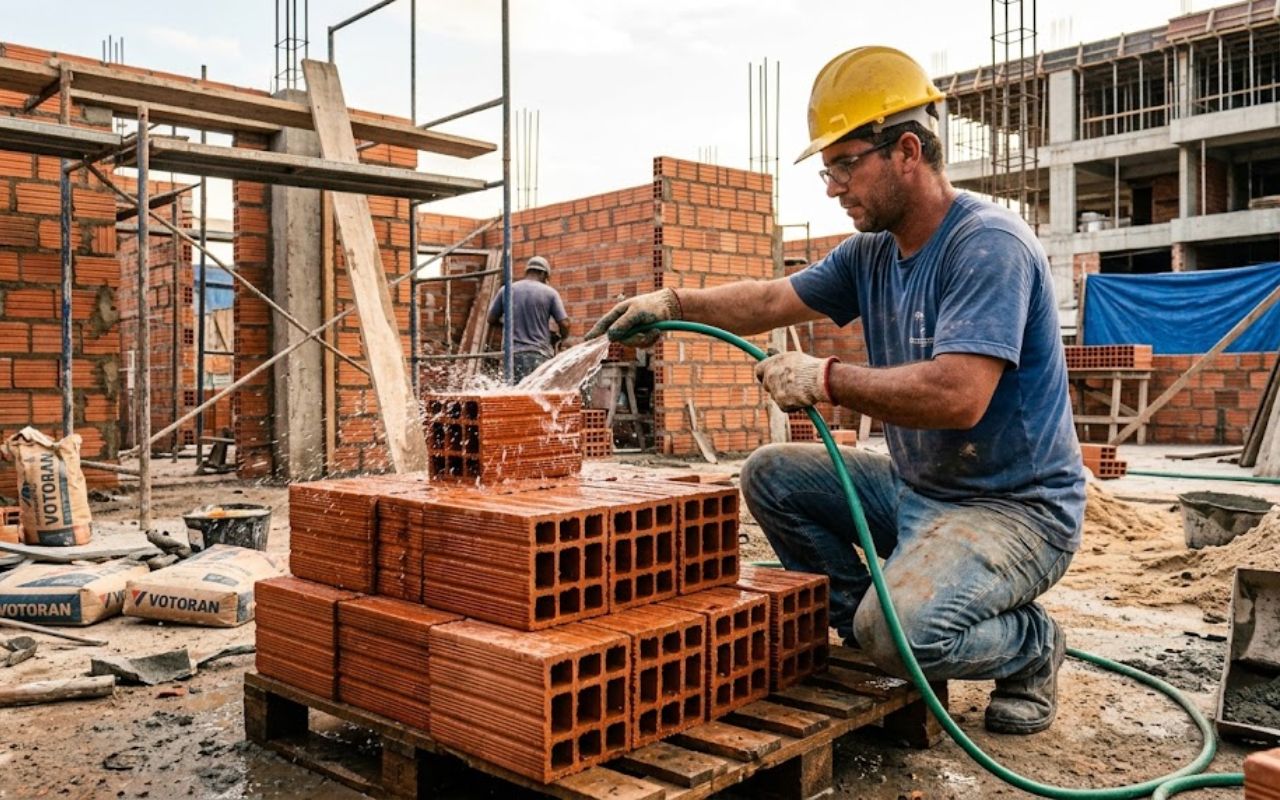
A simple technique of wetting the brick before laying it prevents cracks, improves the adhesion of the mortar, reduces fissures, and ensures stronger walls and more durable constructions.
-
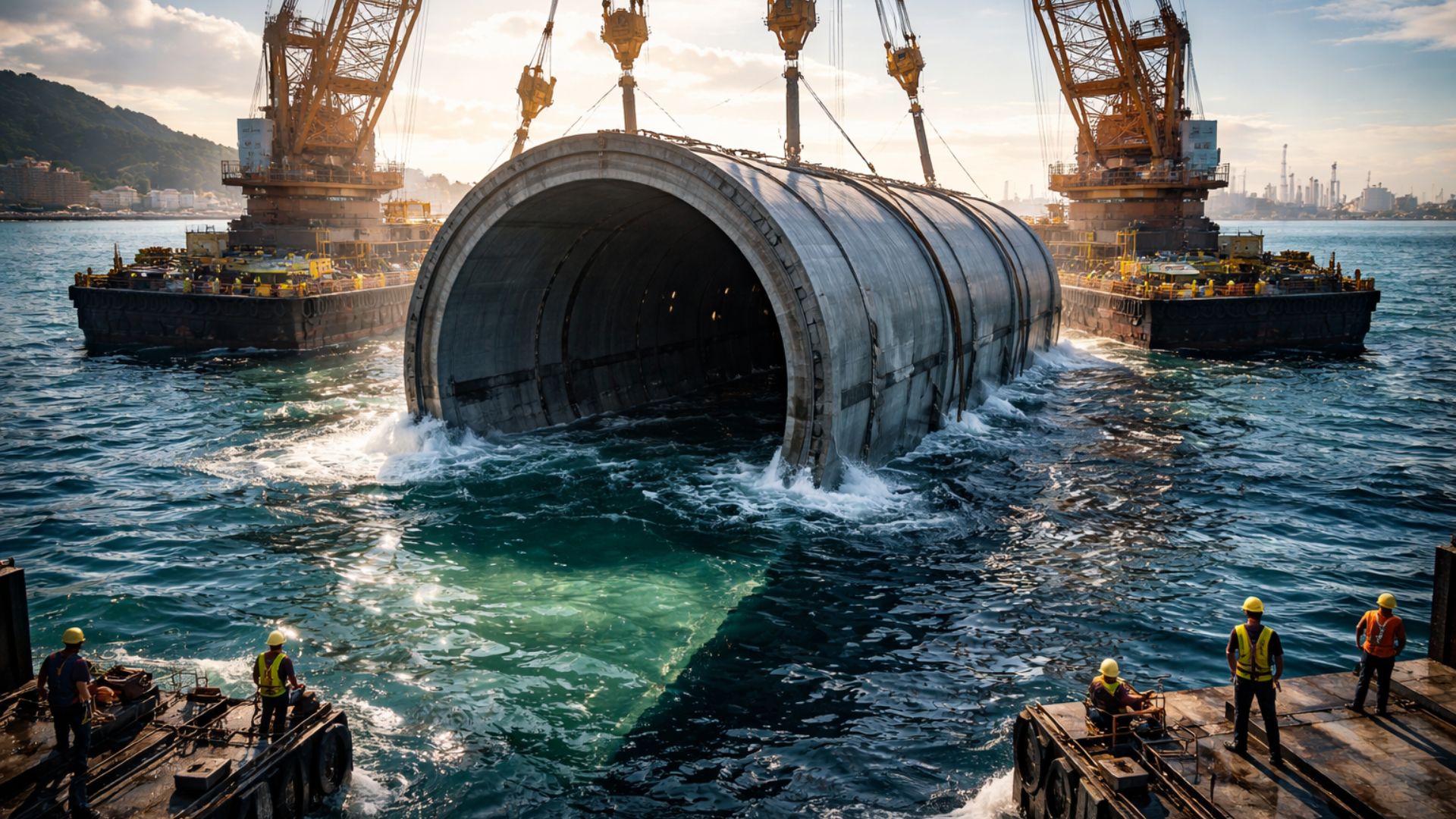
The government opens the vault and deposits R$ 2.6 billion for the construction of Brazil’s first underwater tunnel, with a length of 1.5 km, 870 m under the sea, a total project cost of R$ 6.8 billion, and a 30-year concession.
-
Only 46 meters remain for Brazil and Paraguay to connect via the Bioceanic Route bridge, the project that will link the Atlantic to the Pacific by land and change the logistical map of four countries in South America.

-
The bridge that holds the largest stone railway arch in the world: built over 100 years ago, destroyed in the war, and rebuilt to continue operating to this day, it still carries trains over the Soča River in Slovenia.


- Hydration Reaction: When cement begins to harden, a chemical reaction occurs that generates heat. This thermal expansion, common in large volume elements, can cause internal stresses that result in cracks if not controlled.
- Accelerated Moisture Loss: On very hot days or with low humidity, concrete can lose water faster than it should. This causes shrinkage and favors the appearance of fissures, especially because concrete has low tensile strength.
How To Avoid Cracks And Fissures In Concrete?
There are practical and accessible measures to avoid this type of problem. Here are the main ones:
1. Add Plasticizers To The Mix
Volumetric shrinkage is one of the biggest villains of structures. An effective solution is the use of plasticizing additives, which reduce the need for water and cement in the composition. This way, concrete undergoes fewer volume variations and decreases the risk of cracks.
2. Moisten The Forms Before Pouring
Moistening the forms that will receive the concrete is a simple action, but it yields good results. It helps to reduce the temperature of the material after setting and improves the bond between the concrete and the form. As a result, the possibility of fissures decreases.
Curing In The First Days Is Crucial
Proper curing of concrete in the first seven days is decisive for the resistance of the structure. According to experts, “wetting the concrete elements at least twice a day helps control the temperature and minimize volume variations,” preventing the formation of cracks and fissures.
Extra Tips To Keep Concrete Protected
In addition to the practices mentioned, it is also possible to protect concrete by covering the elements with materials that retain moisture, such as:
- Wet Sand
- Cardboard Soaked In Water
These techniques help maintain a stable temperature and ensure more efficient curing.
Prevention Is The Best Route
Investing in care from the preparation of concrete to the curing stage is the safest way to avoid cracks and fissures.
By following good practices, it is possible to ensure greater durability, structural performance, and savings on future maintenance.
Whether in small projects or large undertakings, applying appropriate techniques is essential to deliver solid, safe, and durable results.
Fissure, Crack Or Fissure? Understand The Difference!


Source: Grupo CMP.







Seja o primeiro a reagir!