





 Portuguese
  English
  Spanish
  4 min of reading
  0 comments


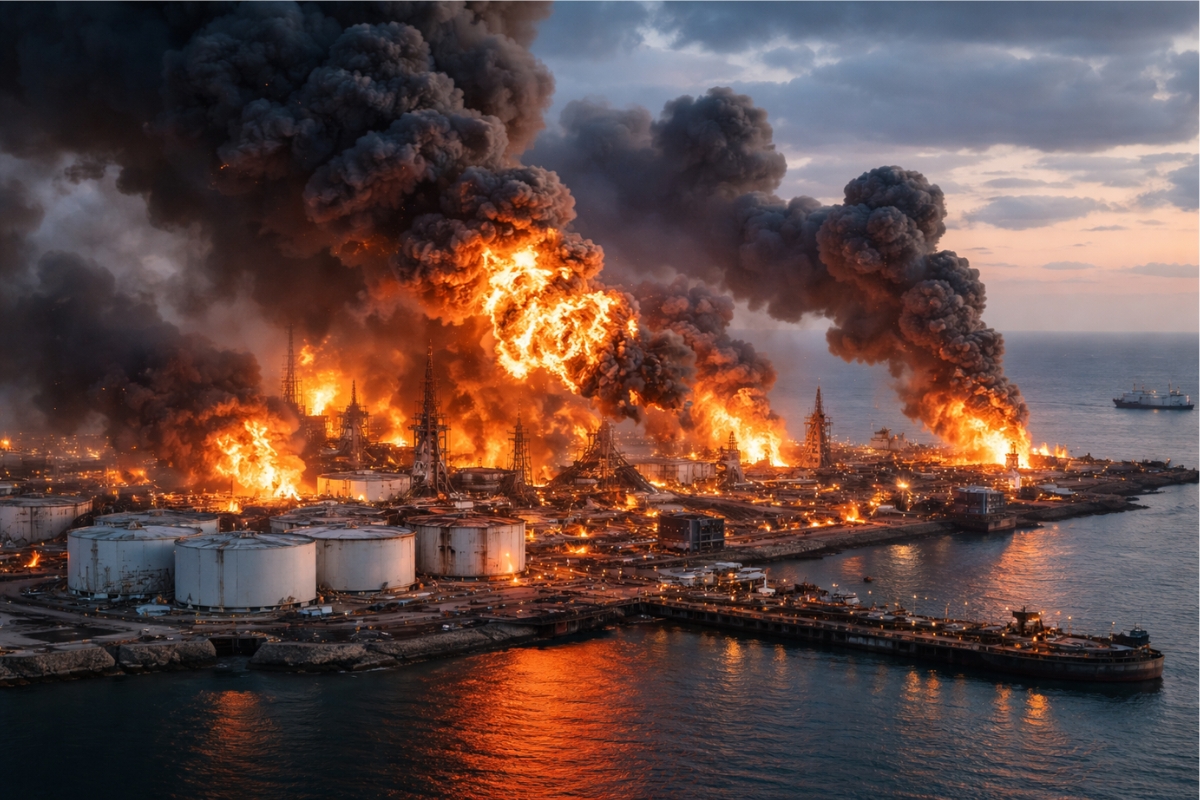
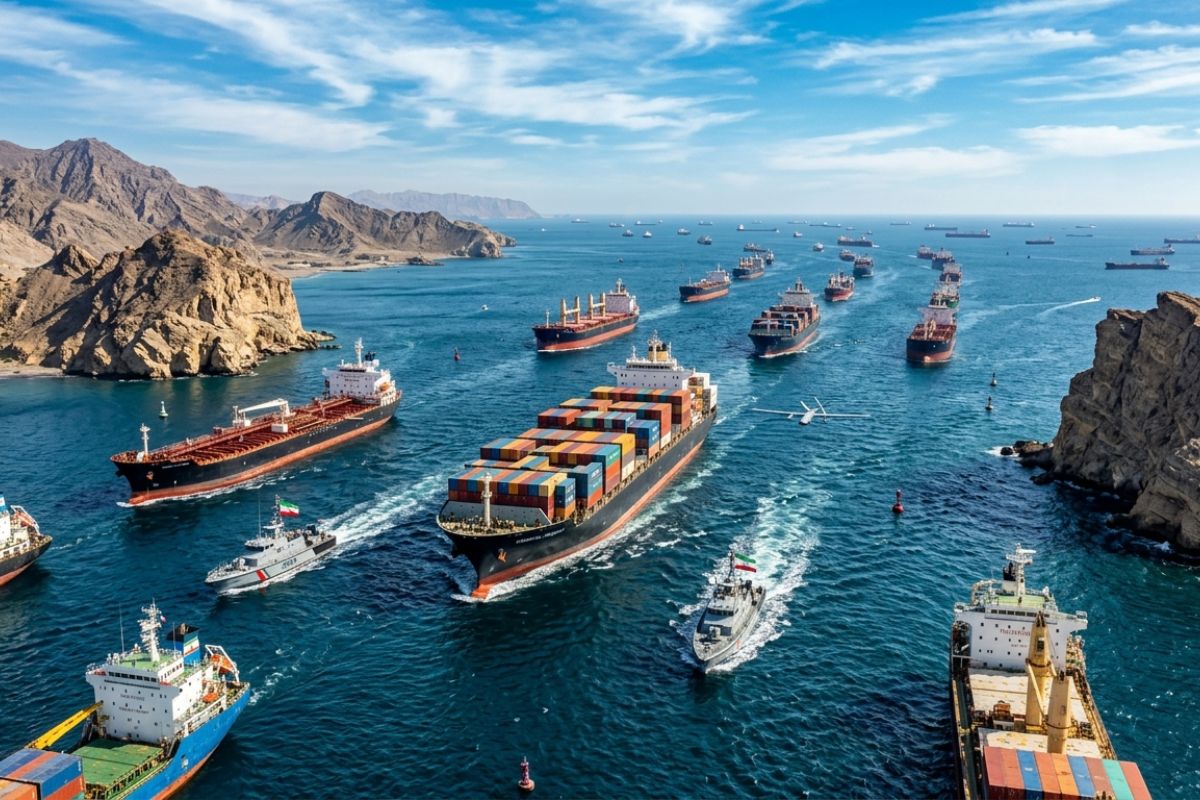
With a tight military deadline and tension in the Strait of Hormuz, the crisis between the United States and Iran has gained new weight after bombings in Kharg, reactions from allies, warnings from Qatar, and a sharp rise in oil prices, amplifying fears of global impact.
Donald Trump further escalated tensions in the Middle East by posting a message with the phrase “A whole civilization will die tonight, never to return” regarding the future of Iran. The statement appeared on the morning of April 7, 2026, just hours before the deadline set for the reopening of the Strait of Hormuz.
The effect was immediate in the political and economic fields. The statement heightened fears of a deeper military escalation and reinforced the perception that the crisis is already affecting energy security and international markets.
The phrase “A whole civilization will die tonight, never to return” placed the crisis on a new level of severity. By associating the deadlock with Iran to large-scale destruction, Trump gave the message much greater symbolic and strategic weight.
-
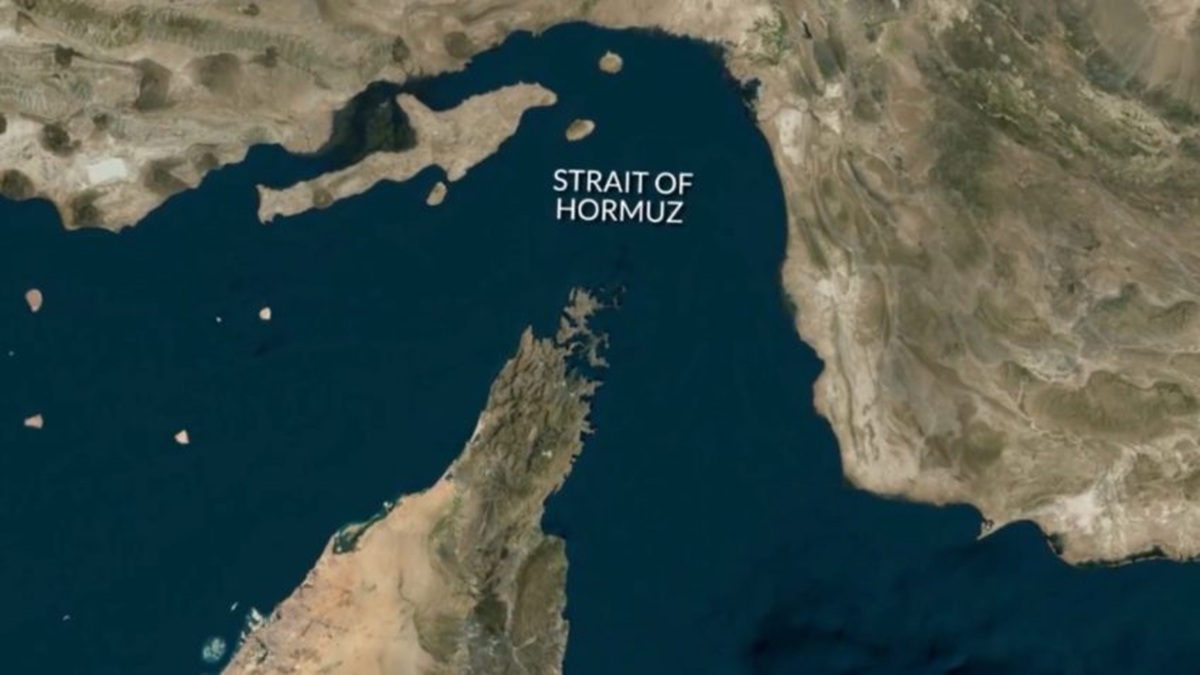
An independent Wall Street research firm claims to have sent an analyst to the Strait of Hormuz – and this is what he discovered.
-
China signs unprecedented trade agreement with Kenya, paving the way for 98% of the country’s exports to enter tariff-free, a move that could reshape the economic axis of the largest economy in East Africa.
-
What is behind China’s silence on Iran? An expert shows how chaos in the Middle East could raise oil prices, benefit Putin, and give Beijing the perfect opportunity to grow without direct confrontation.
-
Iran authorizes the passage of ships with essential goods in the Strait of Hormuz, requires coordination and protocols; UN postpones resolution to reopen the oil route, while China, France, and Russia reject the use of force.
In practice, the message increased pressure on Tehran and raised the risk of new military actions. It also heightened international attention on the upcoming hours of the conflict.
Deadline of 8 PM pressures reopening of the Strait of Hormuz
The publication came less than 12 hours before the 8 PM deadline, Eastern Time. The U.S. government had been demanding that Iran reopen the Strait of Hormuz, a central passage for global oil transport.
This deadline reinforced the sense of urgency and made the scenario more unstable. Any delay or refusal began to be seen as a factor capable of triggering an even harsher reaction.
Attacks in Kharg hit strategic center of Iranian oil

The escalation gained momentum after more than 50 attacks by the United States against military targets on Kharg Island in the early hours of Tuesday. The area is Iran’s main oil export center.
According to Wall Street Journal, the offensive hit a strategic zone for the energy flow of a country linked to about 20 percent of the world’s oil in transit. This explains why the crisis has moved beyond military concerns to worry the entire global economy.
Trump speaks of total regime change in Iran
In the same message, Trump suggested that the Iranian regime may have already collapsed. He also stated that a new political configuration could emerge with leadership he described as more intelligent and less radicalized.
With this, the statement ceased to be merely a military threat. The speech began to point towards a complete transformation in the country’s leadership, with significant diplomatic and geopolitical impact.
Power plants and bridges increase fears about civil infrastructure
Among the targets cited as threatened were power plants and bridges. These structures are essential to keep hospitals, water networks, and food storage functioning.
A collapse of this kind would affect around 90 million people. In addition to the humanitarian tragedy, the shutdown of basic services could trigger a regional economic shock of large proportions.
Allies, vice president, and Qatar react to escalation
Vice President J. D. Vance, during an agenda in Budapest with Viktor Orbán, stated that the military objectives of the United States had already been achieved. According to him, the next response now depends on Tehran.
Trump’s statement also caused discomfort among close allies. Senator Ron Johnson expressed hope that the president was just bluffing. Meanwhile, the government of Qatar called for moderation and warned of the risk of an uncontrollable situation.
Iran calls young people and threatens oil and gas sector
Iranian authorities called on young people to form human chains around power plants and bridges to try to hinder new airstrikes. The gesture showed that the crisis has already directly reached civil infrastructure.
At the same time, the Revolutionary Guard warned Gulf countries that their moderation was coming to an end. The warning included the possibility of attacks against oil and gas facilities linked to the United States, with effects that could last for years.
Oil rises to 116 dollars and market reacts immediately
The economic reaction came quickly. U.S. oil rose 3.2 percent and reached 116 dollars per barrel. The VIX increased by more than 6 percent, while the S&P 500 opened lower.
This movement shows that the crisis is no longer limited to the direct confrontation between Washington and Tehran. When the main energy route on the planet enters the center of the clash, the impact spreads rapidly.
The statement with the phrase “A whole civilization will die tonight, never to return” became the strongest point of an escalation that combines military pressure, energy risk, and diplomatic fear. The episode is already affecting prices, decisions, and expectations on various fronts.
If tensions continue to rise, the cost may exceed the borders of the Middle East and affect global equilibrium. The scenario pressures the region and changes the strategic reading.







Seja o primeiro a reagir!