





 Portuguese
  English
  Spanish
  4 min of reading
  0 comments


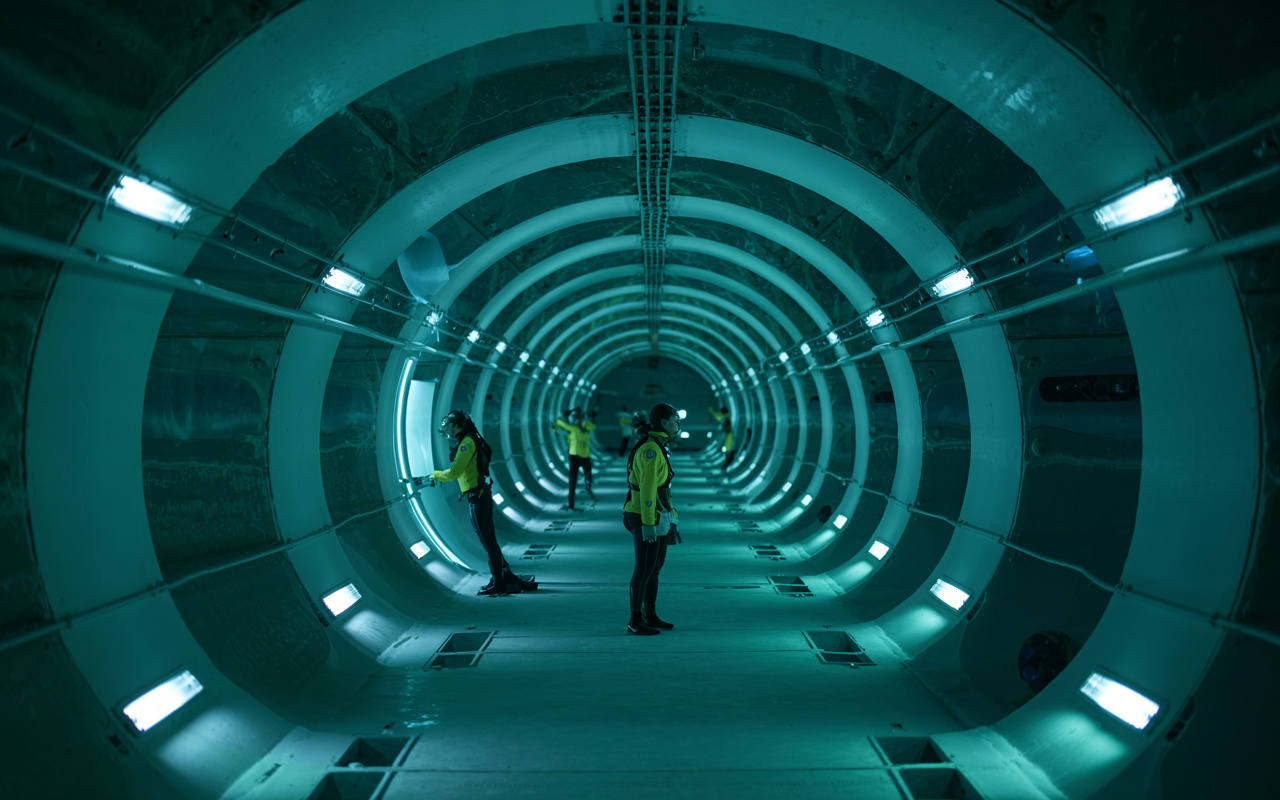
Underwater Tunnel Between Itajaí and Navegantes Will Use the Same Technology as the Megaproject That Links Denmark and Germany. Learn How the Work Will Be and the Plans to Complete It by 2032.
The project for the underwater tunnel that will connect Itajaí and Navegantes in Santa Catarina is getting closer to becoming a reality — and it draws attention for choosing an advanced construction technology, the same being used in the megaproject that will connect Denmark and Germany. The work is part of Promobis, an ambitious urban mobility program that also includes a BRT (Bus Rapid Transit) system and new roads in the region, with an expected completion by 2032.
With financing of US$ 90 million from the World Bank and a matching contribution of US$ 30 million from the municipalities involved, the tunnel promises to revolutionize the infrastructure of the North Coast of Santa Catarina, integrating public transport, private vehicles, and even space for pedestrians and cyclists in a single submerged corridor.
Underwater Tunnel SC: Why This Solution Won Over the Bridge and the Excavated Tunnel
According to Rafael Albuquerque, coordinator of UCP/Promobis, the choice for the immersed tunnel was the result of a rigorous technical analysis. Three options were considered:
-
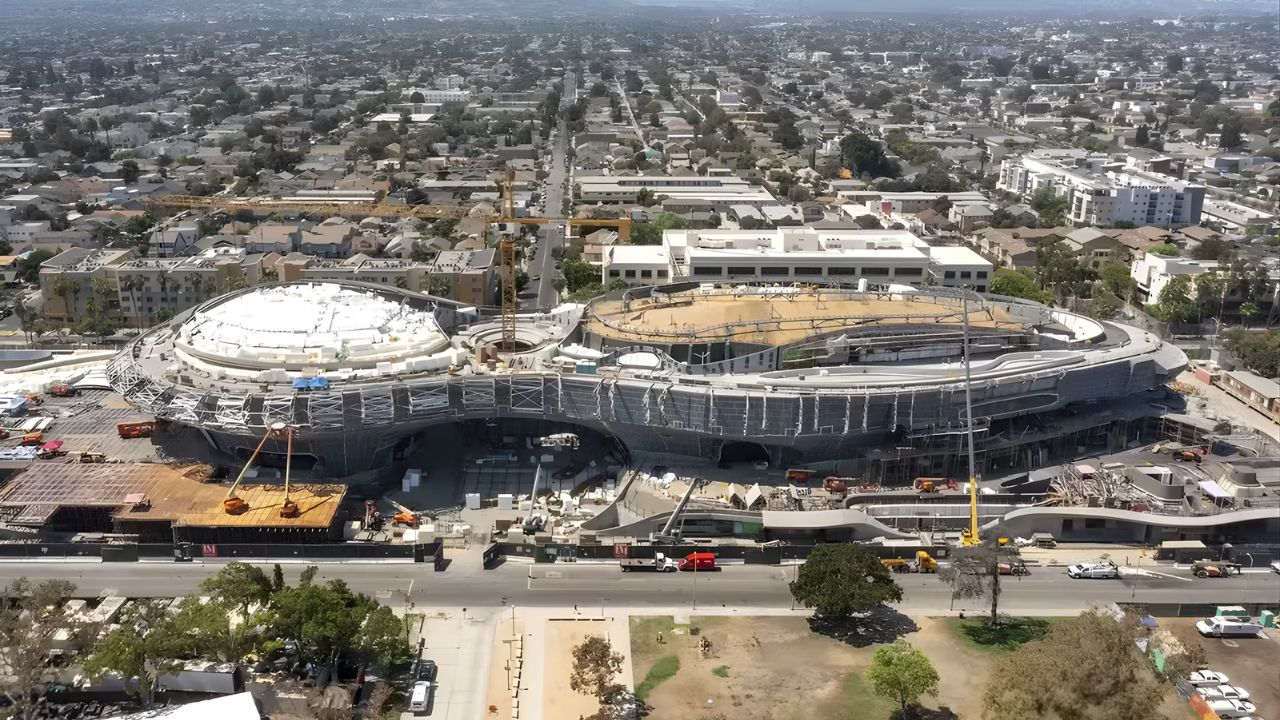
Created by George Lucas with over $1 billion, a futuristic museum in the shape of a spaceship with 1,500 curved panels is about to open in Los Angeles and will house one of the largest private collections of narrative art in the world.
-
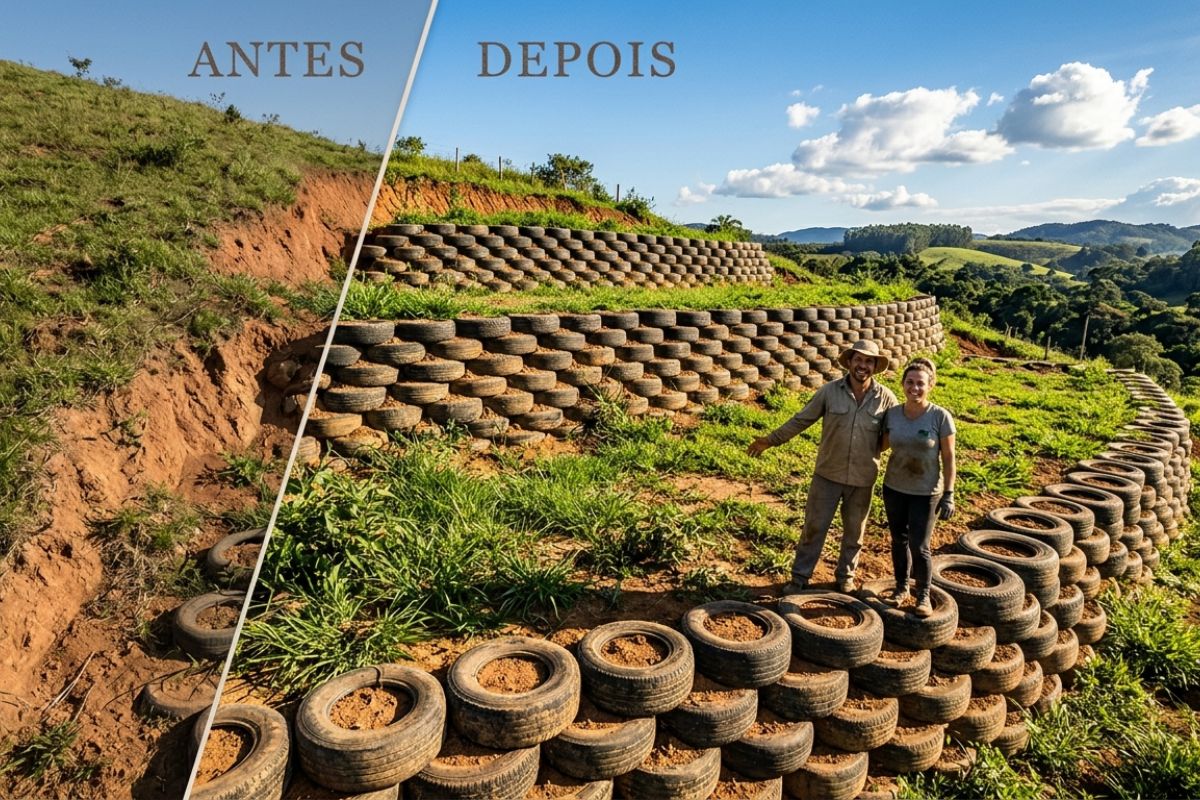
Couple shows how they built a retaining wall on their property using 400 old tires: sloped land turned into plateaus, tires are aligned, filled, and compacted with layers of soil, with grass helping in support and at almost zero cost.
-
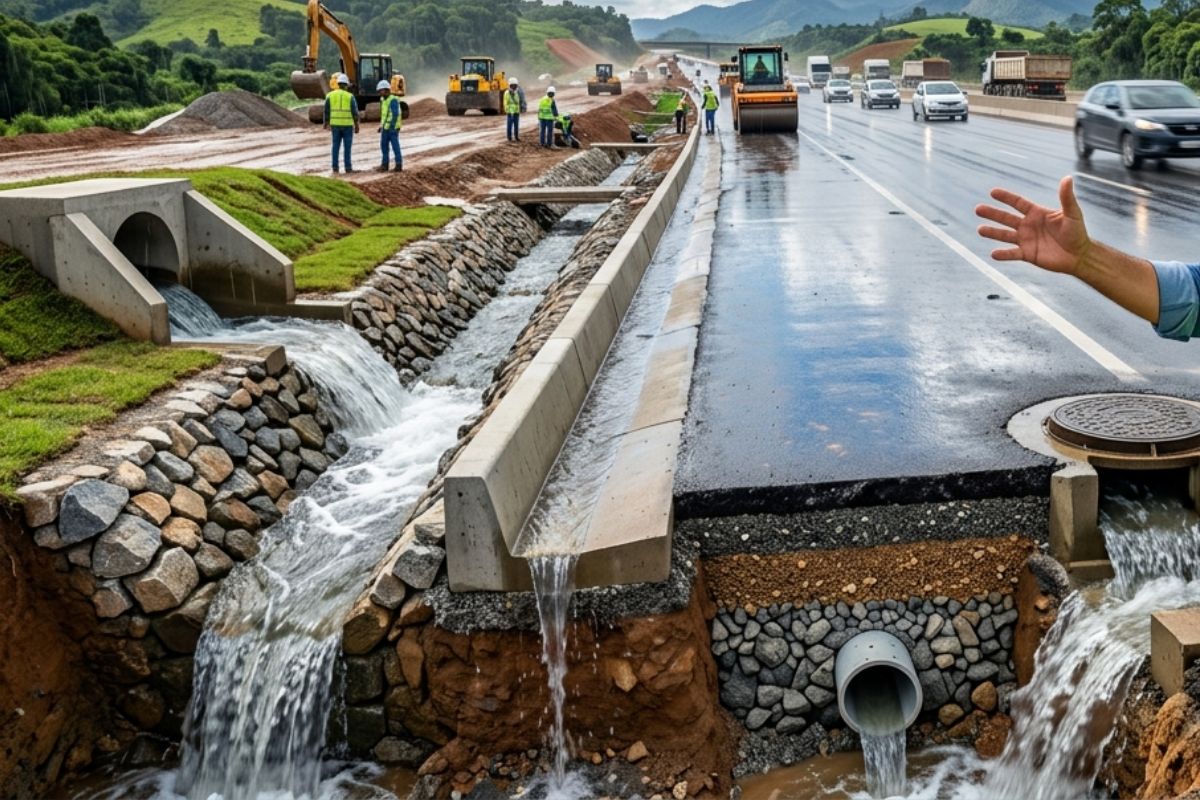
Engineer explains drainage during the rainy season: the difference between surface water and deep water, ditches, gutters, and water outlets on the road, as well as drains and drainage mattresses, to prevent erosion, aquaplaning, and flooding at the construction site today.
-
With 55 floors, 177 meters in height, a 15-meter walkway between the twin towers, ventilated facade, and 6,300 m² of leisure space, Ápice Towers already has one tower completed and another nearly at the top.

- A bridge — discarded because it would need to have a huge height to allow the passage of large ships, which would conflict with the Navegantes International Airport, located a few kilometers away.
- An excavated tunnel — also discarded, as it would require deep drilling and long access ramps, increasing the cost of the work and requiring large expropriations.
- An immersed tunnel — considered the most viable, economical, and functional model.
“It is an interesting technology where you do not excavate down below, but use the riverbed. So, you basically scrape the riverbed, lay the precast pieces, and then cover it again,” Albuquerque explains.
Technology Tunnel Denmark-Germany: How the Immersion Method Works
The chosen system is the so-called immersed tunnel, used in more than 150 projects around the world. The same technology is being applied in the Fehmarnbelt Tunnel, which will connect Denmark to Germany — one of the most impressive engineering works today.
The method is considered efficient because it dispenses with deep excavations. Instead, giant concrete sections are manufactured in dry docks near the site, transported by barges, sunk into the riverbed, and carefully aligned.
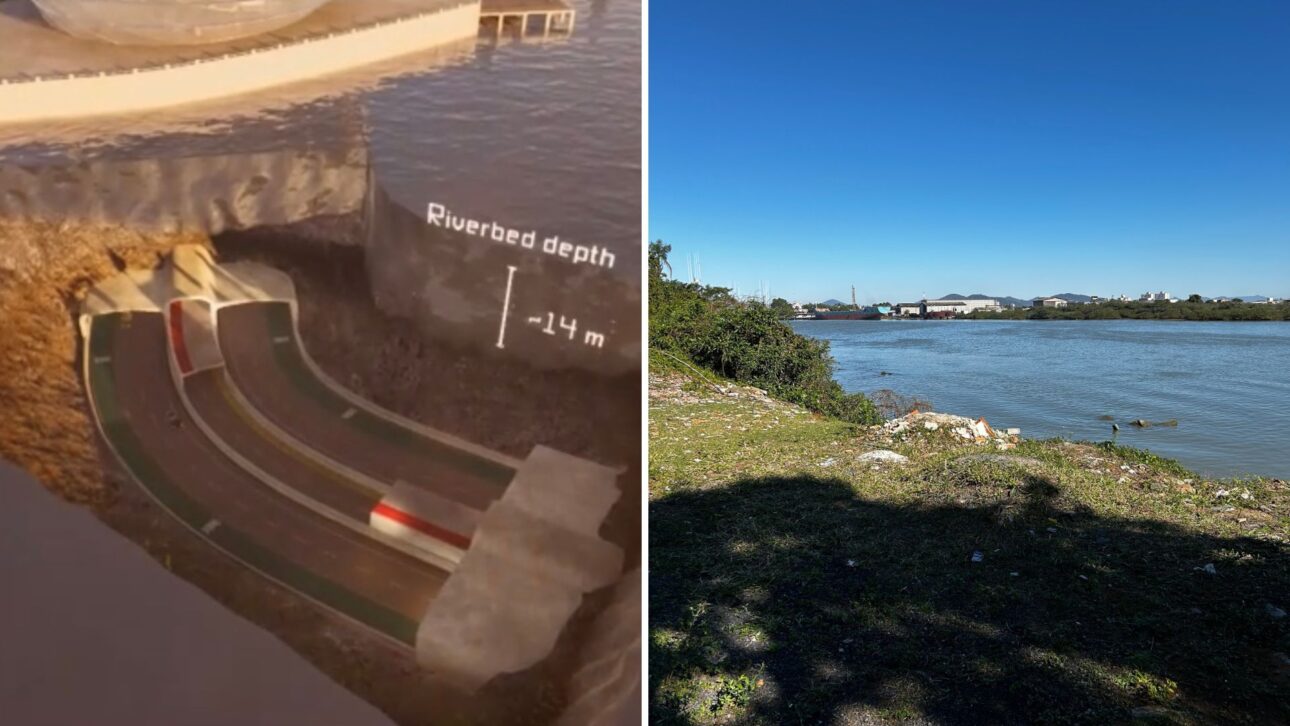
Then, the joints receive high-tech rubber seals, ensuring watertightness. Finally, everything is covered with sediments to restore stability to the riverbed.
Infrastructure SC: How the Internal Structure of the Tunnel Will Be
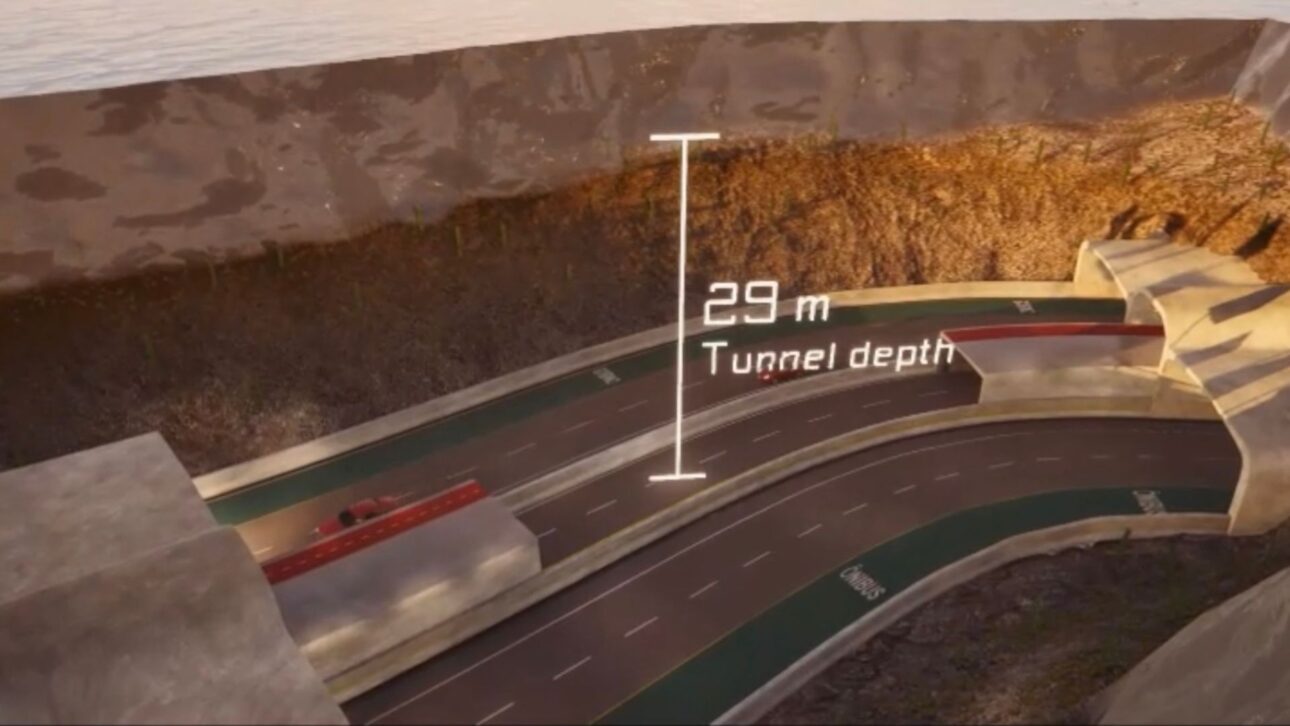
The tunnel will be divided into three “cells”:
- A dedicated lane for the BRT of Promobis, ensuring priority for public transport;
- Two lanes for private vehicle traffic, which will facilitate the connection between the cities;
- Lower space for pedestrians and cyclists, encouraging active mobility;
- Technical area in the upper section, designated for electrical installations, telecommunications cables, and pipelines.
This configuration makes the tunnel more than just a simple traffic corridor: it will be a multimodal axis that should reorganize the urban logistics of the region.
Mega Underwater Work: Financing and Execution Model
The construction will be carried out in a Public-Private Partnership (PPP) model, in which the private sector will be responsible for building, operating, and maintaining the tunnel for a set period.
The project also makes history as the first loan from the World Bank for a consortium of municipalities — Itajaí, Navegantes, and Balneário Camboriú. This union guarantees financial strength to make the work feasible, which has a total budget of US$ 120 million just for the infrastructure part.
Deadline and Timetable: When Will the Tunnel Be Ready?
The planning anticipates that all stages of Promobis will progress in parallel, but the tunnel will be the last work to be completed. The expectation is:
- 2025: signing of the contract with the World Bank and modeling of the PPP.
- 2028: start of tunnel construction.
- 2032: completion of the project and full operation of the system.
Mayors Highlight the Importance of the Tunnel for the Region
The mayor of Itajaí, Robinson Coelho, emphasizes the importance of the tunnel: “We are currently the region that is growing the most in the country regarding economic and population aspects, and mobility works are necessary.”
Meanwhile, Liba Fronza, mayor of Navegantes, highlights that the city is already preparing to accommodate the tunnel: “It will have a huge impact on mobility within the city. We need to show that this is not just a real estate speculation, it is a project for advancement in our region.”
A Tunnel With Potential to Change the Logistics of the Santa Catarina Coast
In addition to facilitating the lives of thousands of workers who cross the Itajaí-Açu River daily, the tunnel is expected to impact economic development, real estate value, and the integration of the port and airport systems in the region.
The submerged link promises to alleviate traffic and allow a smoother connection between both sides of the river, benefiting companies, tourists, and residents.
The choice to use the same technology as the Denmark-Germany tunnel places the Itajaí and Navegantes project on a benchmark level. With a completion deadline by 2032, Santa Catarina’s underwater tunnel promises to be a watershed — not only for urban mobility but also for economic development and Brazil’s image of innovation in infrastructure works.








Seja o primeiro a reagir!