





 Portuguese
  English
  Spanish
  5 min of reading
  0 comments


Argentinian Tourist Loses Vacation Money After Pix Scam in Copacabana, Prompting Reinforcement of Praia Legal Operation Along Rio’s Coast
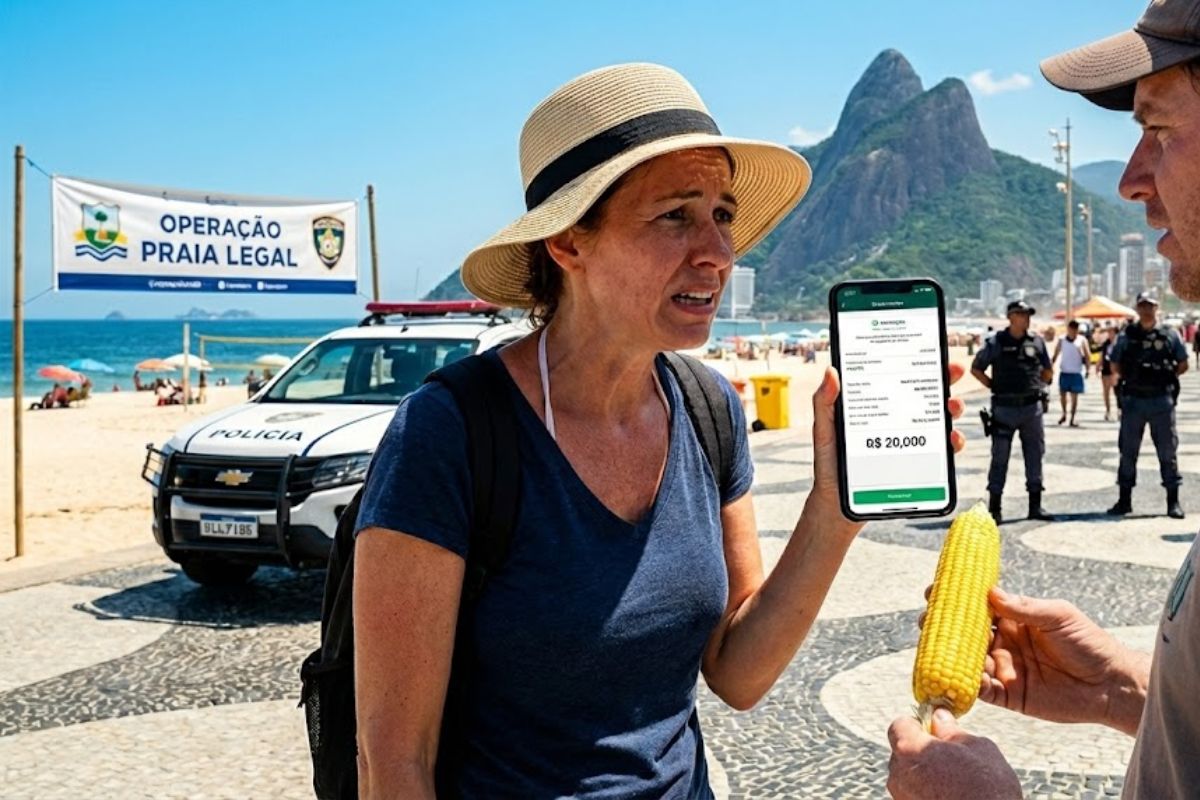
The vacation days of an argentinian tourist in Rio de Janeiro turned into a headache after a scam that was simple and silent on Copacabana Beach. Instead of paying R$ 20 for a corn on the cob, she ended up transferring R$ 20,000 via Pix to the street vendor, without realizing the amount typed on her cellphone screen at the time.
The sequence was quick: corn in hand, a request for help to make the payment, and trust in the seller. The street vendor took the device, entered the amount, and completed the transaction. Only later, while leaving the sand of Copacabana, did the tourist notice that the supposed cheap snack had consumed practically all the money she had saved to enjoy her vacation in Brazil, turning a beach day into an example of the danger of this type of scam on Rio’s coasts.
How the Pix Scam Was Applied in the Middle of the Beach
In a typical summer scene in Copacabana, with tourists milling about and vendors offering everything, the argentinian tourist decided to buy a simple corn on the cob. The agreed price was R$ 20.
-
“No one will make us change the Pix,” says Lula after the US report.

-
Lula responds directly to Trump and says that Pix is from Brazil and will not change under pressure from anyone, after a report from the United States pointed out the Brazilian payment system as an American trade barrier.

-
Amazon has just announced a new fee on all deliveries, and your online purchases will become more expensive starting April 17, including for those buying from the United States here in Brazil.

-
He sold his share for R$ 4 thousand, saw the company become a giant worth R$ 19 trillion, and missed the opportunity of a lifetime.

Lacking familiarity with the banking app and Brazil’s instant payment system, she asked the seller for assistance to complete the transfer.
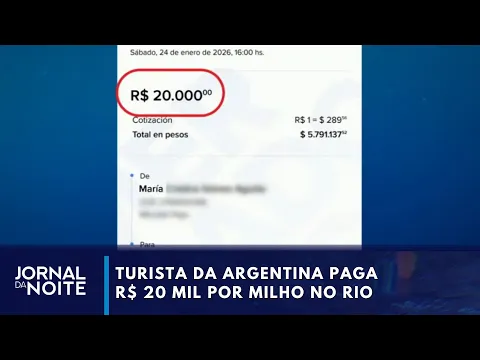
When typing the amount in Pix, the street vendor entered R$ 20,000.99 instead of R$ 20. The tourist, not noticing the sequence of numbers on the screen, confirmed the money transfer right there on the sand, thinking she was just paying for the snack.
This type of scam exploits haste, the heat of the moment, and, mainly, the trust of those who hand their cellphones to others.
In a matter of seconds, an everyday payment transforms into a huge loss, difficult to reverse and capable of ruining an entire travel plan.
Vacation Money Disappears in a Tap
According to the victim’s account, the transferred amount was practically all she had set aside to enjoy her vacation in Rio de Janeiro.
The impact was immediate: instead of thinking about tours, experiences, and memories of the trip, the tourist had to deal with bureaucracy, frustration, and a sense of insecurity.
Upon realizing the mistake, she went straight from the beach to the police station to file a report and try to reverse the damage.
The case illustrates how an apparently simple scam can compromise an entire experience for a tourist in just a few moments, especially when it involves a technology with which they are not fully familiar, like Pix.
Praia Legal Operation and Reinforcement of Coastline Oversight

Cases like this have led authorities to reinforce oversight along the carioca coastline. From Leme to Pontal, protecting tourists and residents has become a priority during peak times.
The Civil Police has intensified their presence with the Praia Legal Operation, which works to curb abuses, frauds, and scams across the entire strip of sand.
This action complements the work of monitoring vendors on the beach, specifically to avoid situations such as overcharging, abusive prices, or manipulation of amounts in machines and apps.
In other recent incidents, there have already been reports of arrests of street vendors for irregular practices in selling corn on the cob, reinforcing the perception that part of this trade exploits loopholes and distractions of those relaxing by the sea.
Scam on the Beach: Trust, Distraction, and Tourist Vulnerability
The scam applied on the argentinian tourist is a classic example of how trust and distraction create opportunities for fraud.
Those on vacation tend to let their guard down, enjoy the moment, take photos, and live the experience, making it easier to hand their cellphone to a stranger for “help with Pix.”
Additionally, many foreign visitors do not dominate the language, do not know the Brazilian banks’ interface well, and may not immediately notice the difference between 20 and 20,000 on the screen.
It is precisely in this gap between good faith and lack of attention that the scam finds space to occur.
For security agencies, this type of case reinforces the importance of advising tourists to never hand their cellphone to others for payment, always check the amount carefully before confirming, and, in case of suspicion, seek assistance from official agents present on the beach.
How to Protect Yourself from Scams on the Beaches Without Ruining Your Vacation
Even without turning the piece into a manual, the story of the argentinian tourist leaves some clear messages for those looking to enjoy the carioca coast without falling for a scam:
Always check the amount on the screen before confirming any Pix, even in simple situations.
Avoid handing your cellphone or card to the vendor to type passwords or amounts.
Prefer to do all the transaction steps yourself, only asking for the QR Code or Pix key to copy and paste.
Be suspicious of any pressure for haste or agitation when it’s time to pay.
Know that there are operations like Praia Legal active along the coast to curb abusive practices, and that you can seek help from the authorities whenever you feel wronged.
A R$ 20 Corn That Became a Symbol of a Bigger Problem
The case of the R$ 20 corn that turned into R$ 20,000 through Pix has become a symbol of how a simple scam can expose flaws in trust, oversight, and guidance in highly trafficked tourist destinations.
For those who depend on tourism, such episodes damage the city’s image. For visitors, they leave a sense of insecurity that can mark memories of the trip. In the end, everyone loses when a scam like this happens by the seaside.
And you, have you seen or experienced any scam situation involving Pix or abusive charges at the beach or while traveling?








-

Uma pessoa reagiu a isso.