





 Portuguese
  English
  Spanish
 4 min of reading
  0 comments


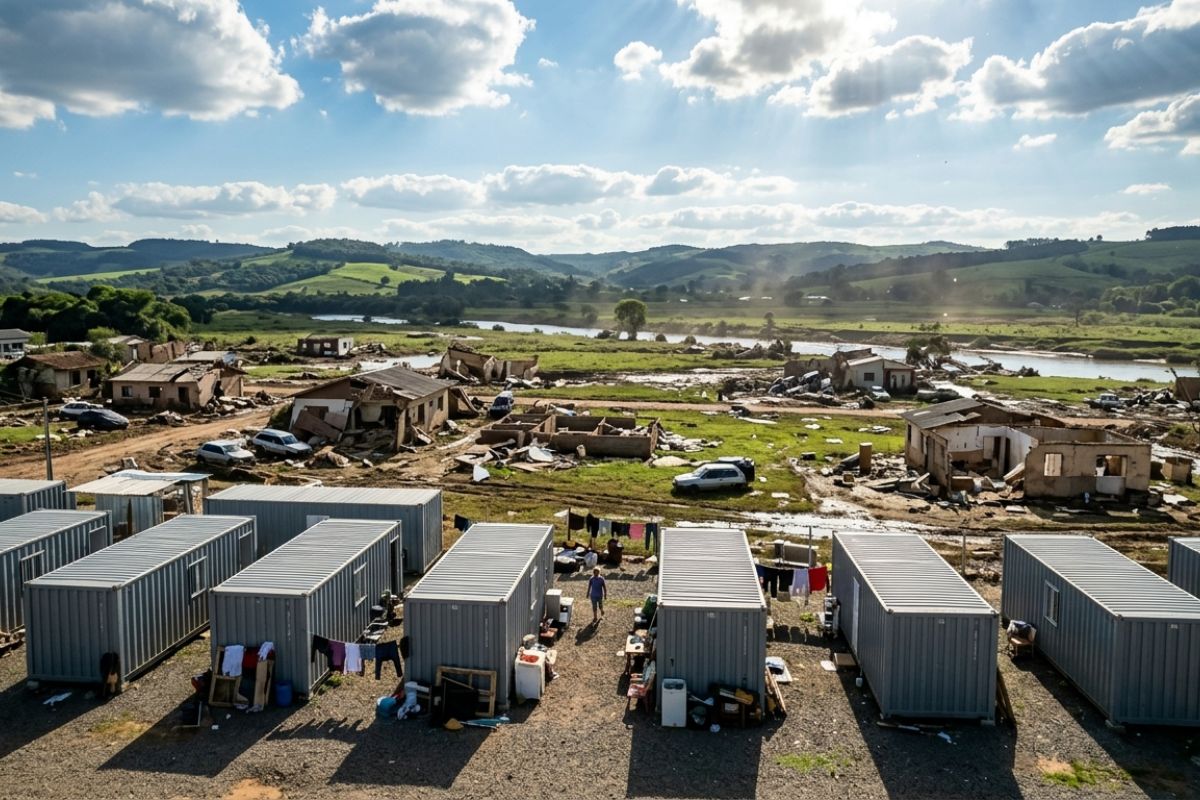
Two years later, the villages still seem like the scene of a recent tragedy, with entire neighborhoods empty, watermarks on the walls, and residents trapped by promises that did not turn into solutions
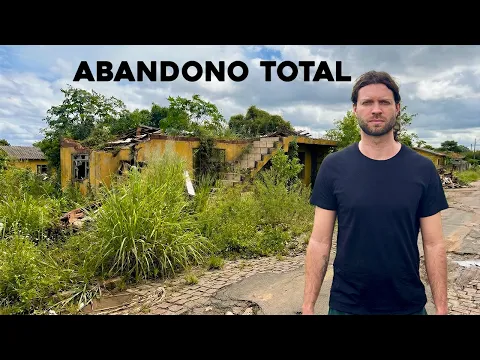
In the interior and in the capital, the villages most affected by the floods continue to show signs of abandonment that shock even those who return with the expectation of “seeing progress.” What appears is the opposite: streets that once had complete neighborhoods are now just weeds, hardened mud, and lots where not even the foundations of the houses remain.
Two years after the water redrew maps and routines, many people remain in a provisional condition that has become permanent. There are families in containers, with heat, little space, and complaints about sewage, while others pay mortgages and rent without being able to return to their own homes because they are in areas considered at risk.
The return to the villages and the shock of finding everything the same
The feeling described by those who visit the most affected areas is straightforward: it feels like the flood happened “a week ago”. Along the way, there are still demolished houses, sections without reconstruction, and streets where there used to be markets, churches, and daily life.
-
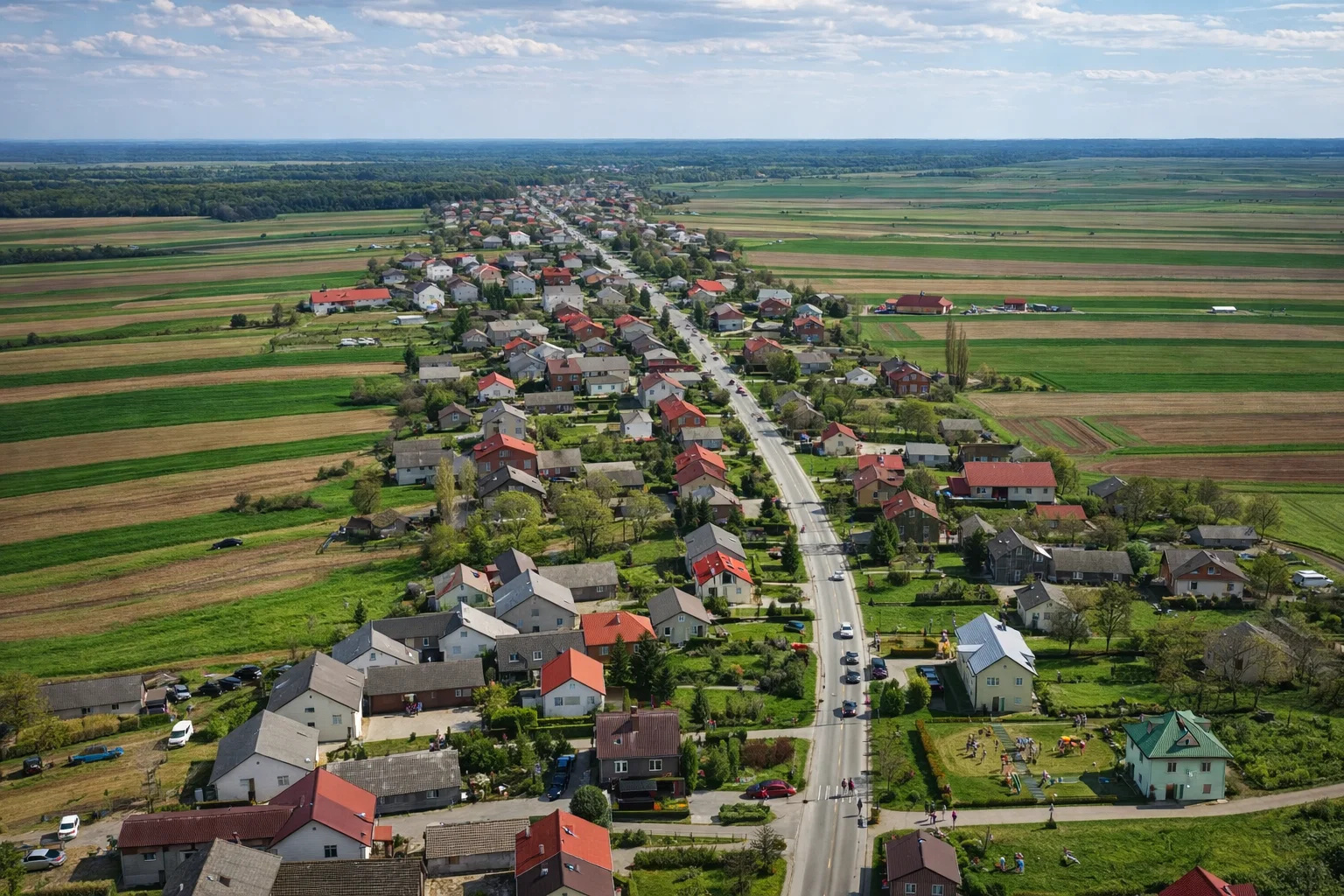
With around 6,000 residents on a single 9 km street, a village in Poland maintains a strong sense of community, cultivates strawberries and potatoes, and becomes the target of a false image created by artificial intelligence.
-
Sleeping at different times each day can be a bomb for your heart and even double your risk of having a heart attack.

-
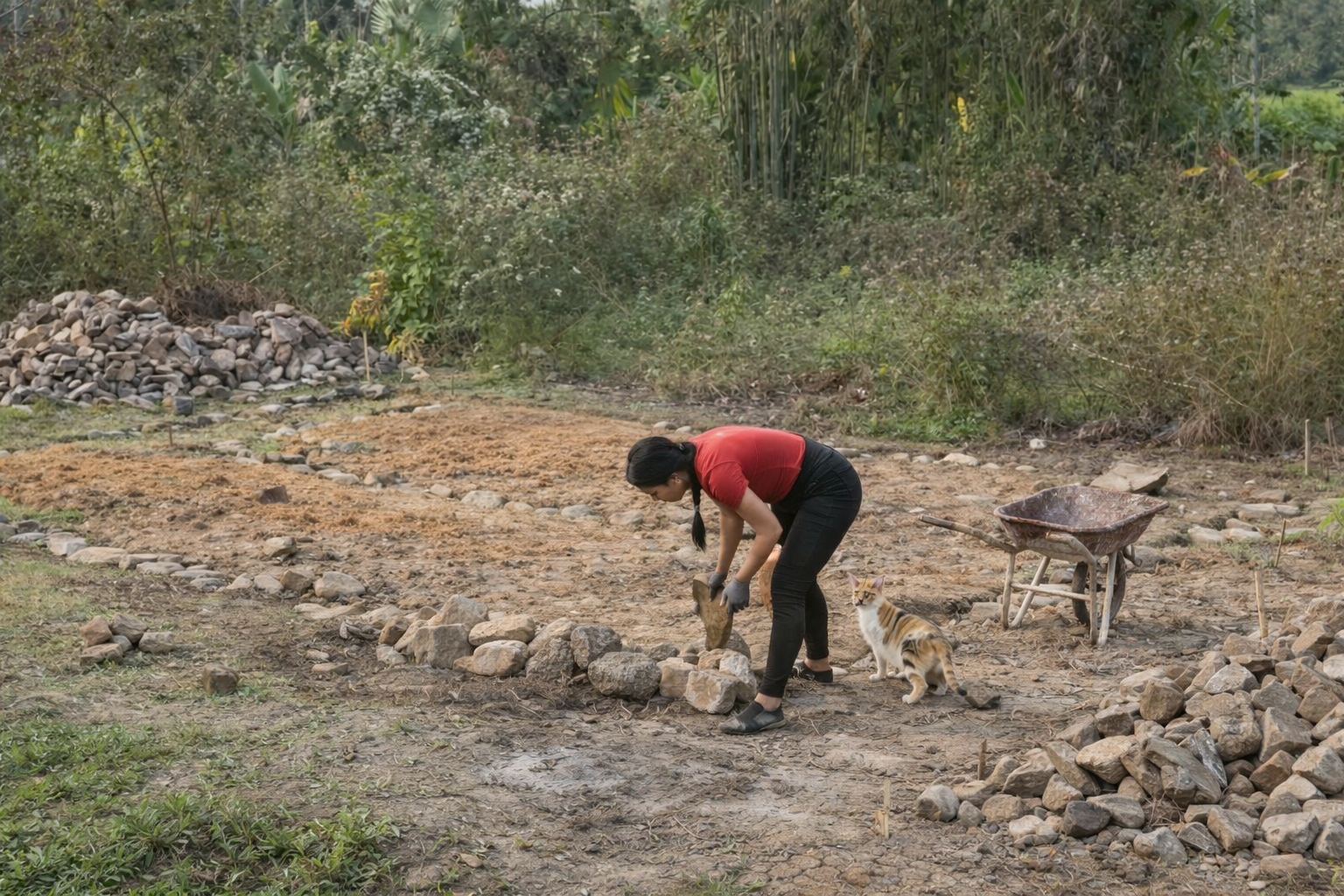
Without help and without heavy machinery, a woman builds a house from scratch with stone, wood, and cement, erects a chimney, creates a complete leisure area, and transforms an empty lot into her dream home.
-
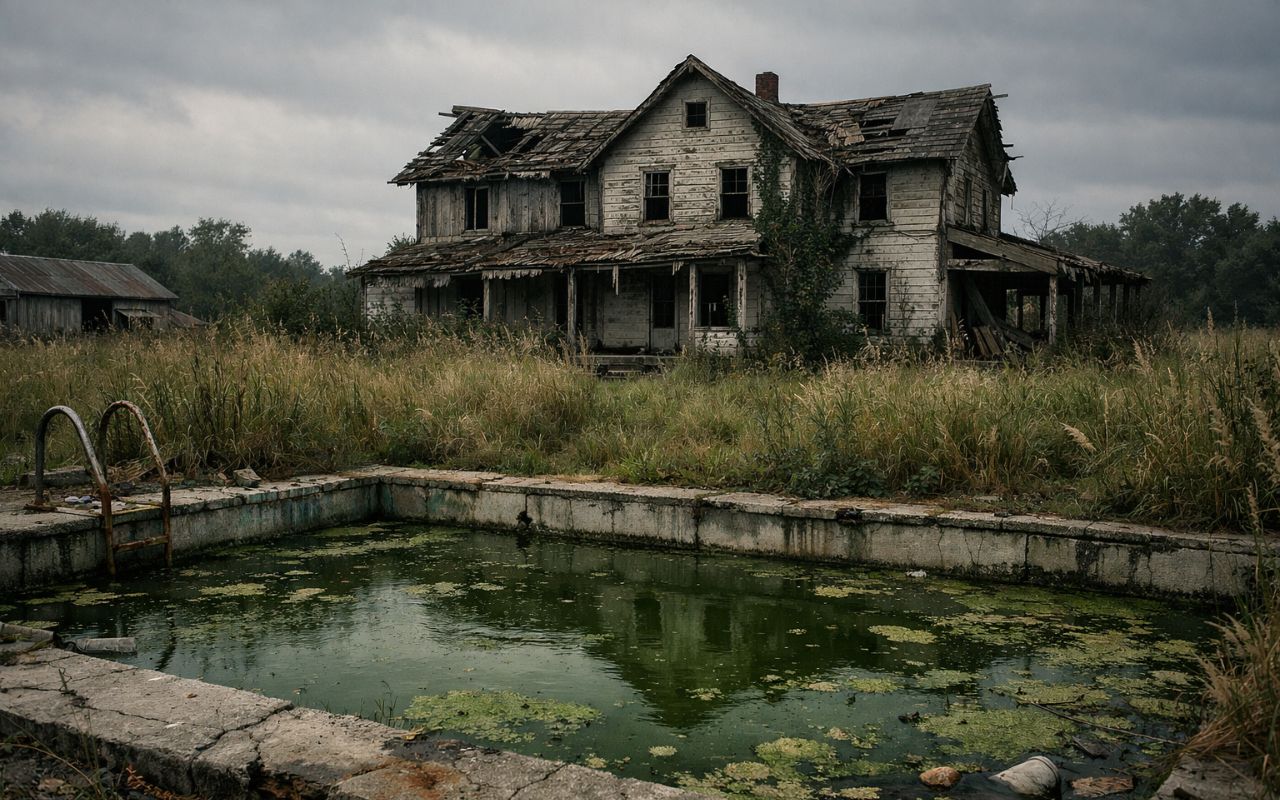
Couple transforms abandoned house after years of being closed; residence was overgrown with weeds, had a green pool, and a deteriorated structure in the interior of Rio de Janeiro.

In one account, the visit passes through an area where the river, during the flood, did not follow its natural curve and advanced straight, tearing everything away. The result is villages erased from the physical map, with references that only make sense when someone compares them to old images from before the disaster.
Ghost villages where nature took over
In the most devastated villages, the image is of a ghost neighborhood: weeds grow where sidewalks and gates used to be, and there are places with signs indicating no entry. In certain stretches, what used to be a street has turned into a corridor of vegetation, and what were houses has become silence.
Even when it is not about poor areas, abandonment appears. In high-end condominiums, there are houses marked by water, empty structures, and the fear of reinvesting. When insecurity becomes the norm, no one wants to start over in the same place.
Unsanitary containers: the provisional that lasts years

One of the harshest realities is that of people who lost their homes and moved to containers designed as a transition of a few months. However, in the account, two years have already passed and the transition has become routine.
Inside, it is basic: small kitchen, living room, fan on, one room to accommodate a family. Outside, complaints arise about the lack of dignity. There are complaints about sewage odor, leaking boxes, and cleaning done without solving the problem, leaving the system vulnerable when it rains and water pools.
The wait without answers and the burden of paying for what cannot be used
Among the interviewed residents, a pattern emerges: people who lost their homes, did not qualify for benefits, and live in a sequence of “wait, wait, wait.” Some continue paying loans and mortgages for a property that cannot be used because it is in a risk area, without authorization to connect water and electricity or to rebuild.
In parallel, there is the collateral effect of the post-flood: higher rents, unstable income, and bureaucracy that consumes what remains of emotional strength. One resident reports having lost her home and job, facing blockages and collections, and still needing to “prove” need to get basic help.
Reconstruction exists, but it is punctual and depends on donations

In the midst of the harsh scenario, examples of reconstruction appear that did not come from the government as a central response, but rather from initiatives financed by donors and local partners. A housing project is described as organized, with simple but functional units, and the intention to raise more housing as fundraising allows.
This contrast amplifies the feeling of imbalance: where donations arrive, life begins to move again; where they do not arrive, time seems frozen on the day of the flood.
Collective trauma: children, families, and the fear of repeating it all
The post-flood situation is not just material. The account of a teacher highlights that young children associate rain with danger, repeat the fear in play, and panic when they see adults also unable to control the situation. In regions that experienced floods in consecutive years, the idea of “returning to normal” becomes difficult because normal now includes risk.
And this also shapes the villages: half of the houses inhabited, half abandoned. Life tries to go on, but the past remains visible in every unrecognizable street.
What is missing for the villages to stop being news and return to being home
Two years later, the central demand is not for momentary commotion, but for response and continuity. Villages cannot be rebuilt just with cleaning and promises. They are rebuilt with transparency, a timeline, dignified resettlement, constant social support, and clear rules for those who lost everything.
While that does not arrive, donations and local networks become the last chance to restart for those still trapped among rubble, containers, and uncertainty.
Do you think the villages in Rio Grande do Sul will be able to truly rise again without a clear official response, with deadlines and deliveries?






Seja o primeiro a reagir!