





 Portuguese
  English
  Spanish
 3 min of reading


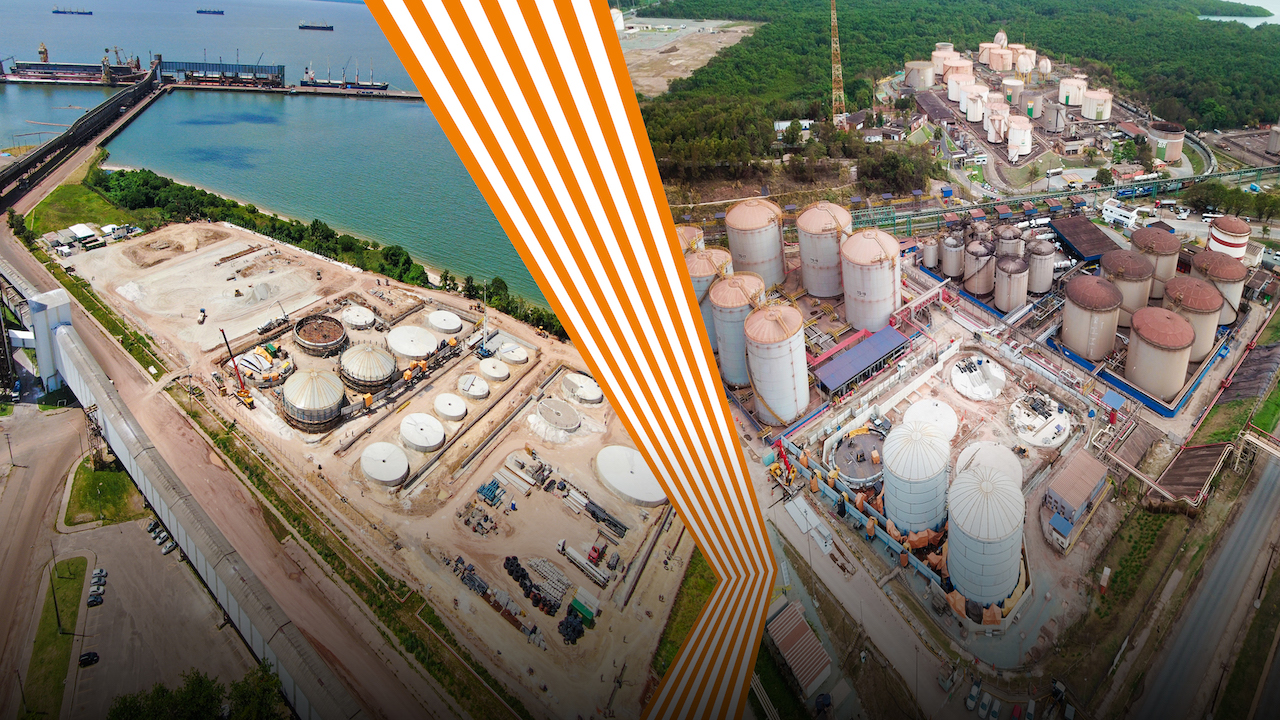
Operations Will Contribute to Local Development and Reinforce the Company’s Commitment to the Evolution of Brazilian Port Logistics
Ultracargo, the largest independent liquid bulk storage company in Brazil, has arrived in the Northern region of the country with the inauguration of a terminal in the Port of Vila do Conde (PA). This movement will contribute to local development and reinforces the company’s commitment to the evolution of Brazilian port logistics. Initially scheduled for the end of 2022, the start of operations was brought forward by 1 year, a result of planning and excellence in execution.
Also Read
- 130,000 Free Scholarships for Online Courses (EAD) with Certificates in Technology; Secure Your Spot Now!
- Job Openings Available Today (04/01) to Work at an Ethanol Plant
- China is Hoarding More Than Half of the World’s Food, Becoming Responsible for Price Increases and a Surge in Global Inflation
- Energisa, the Largest Private Group in the Electric Sector with National Capital, Wins a Lot in an Aneel Auction and Will Generate 461 Direct Jobs to Carry Out Construction Works for the Substations
According to Ultracargo’s President, Décio Amaral, the arrival in Pará is important to expand the company’s reach and presence in regions with growth potential, such as the so-called Northern Arc, formed by the seven ports of the North and Northeast. “The Port of Vila do Conde is an efficient link for the region with other territories, as well as serving as an entry point for fuels. The new terminal will collaborate in the development of the liquid bulk storage sector in Pará,” he emphasizes.
Ultracargo’s Total Storage Capacity Will Be Expanded to 1 Million m³, Representing Over 30% of the Liquid Bulk Port Market in Brazil
With a high level of automation, the Vila do Conde terminal has 17 tanks, totaling 110,000 m³. Thus, Ultracargo’s total storage capacity will be increased by about 14%, rising from 883,000 m³ to 1 million m³. This number already represents over 30% of the liquid bulk port market in Brazil, which currently includes 17 companies. Together, these players account for a static capacity of 3.3 million m³.
-
Europe is trying to create an ammonia-powered marine engine without auxiliary fuel, which could unlock the race for giant emission-free ships. The technology aims to eliminate one of the biggest obstacles to clean maritime propulsion.

-
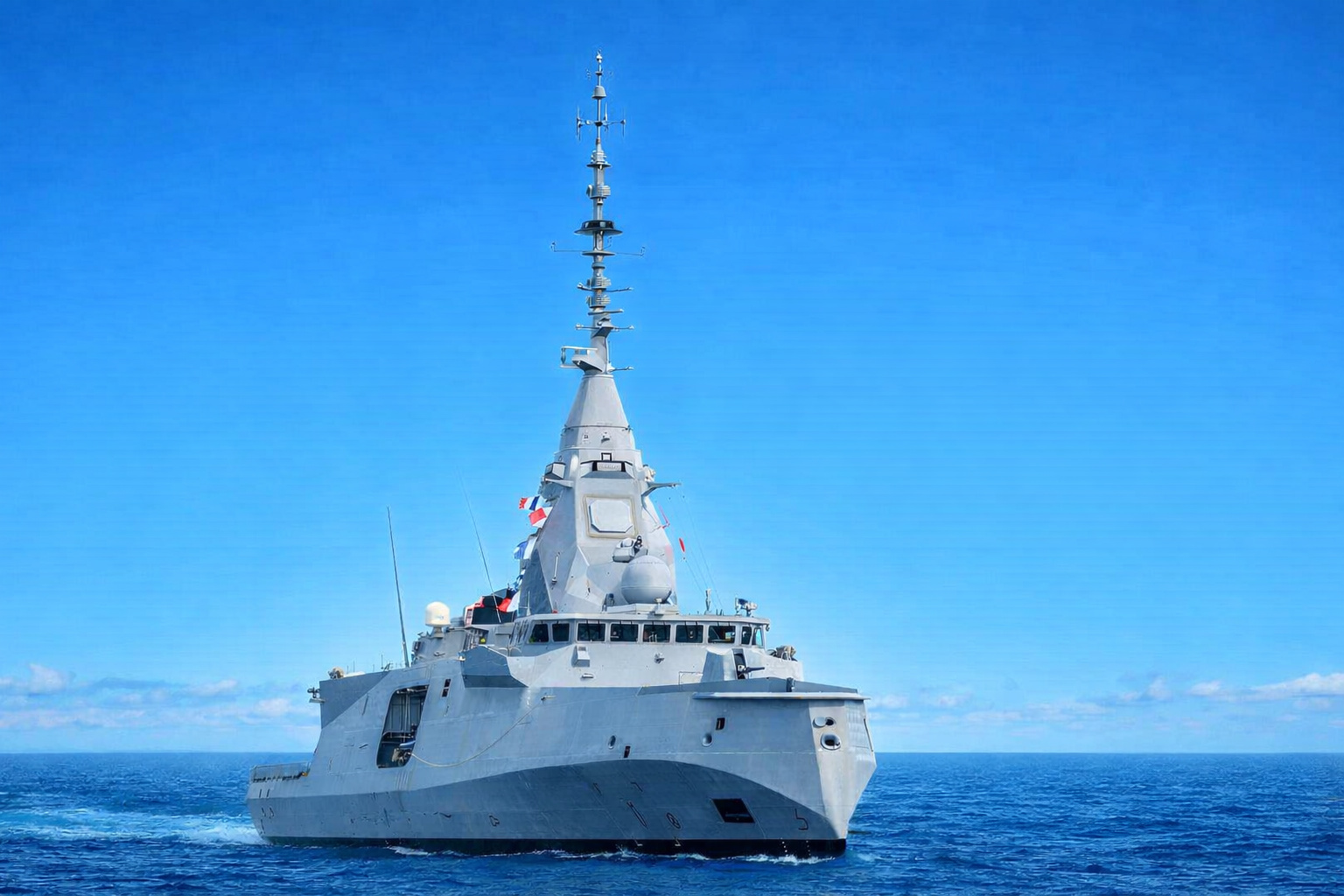
A 4,500-ton frigate with just over 100 crew members, state-of-the-art radar, and cruise missiles is being touted as the new standard of naval warfare in the 21st century.
-
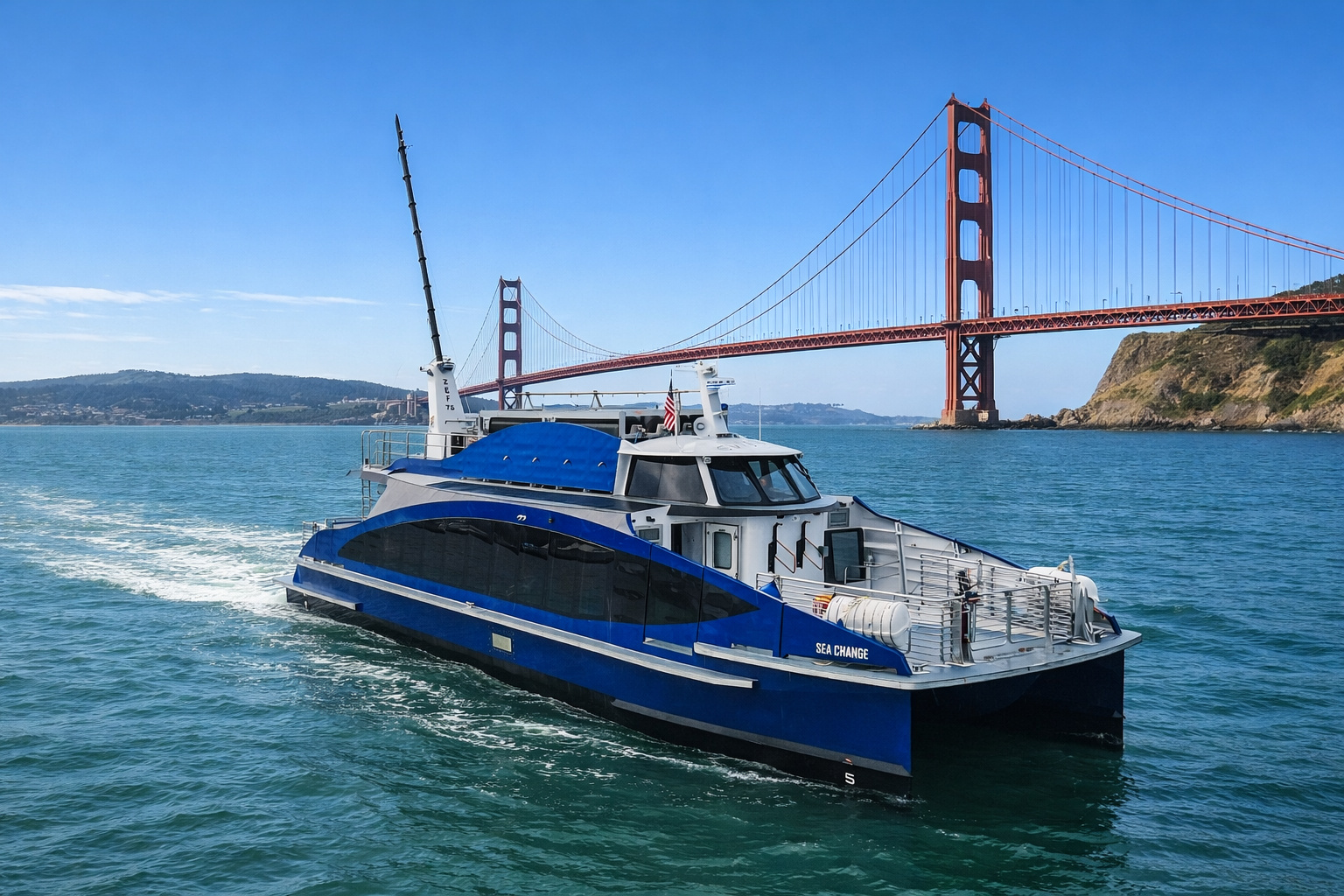
The first commercial hydrogen-powered ferry enters operation in the U.S., eliminates the use of diesel, uses fuel cells to generate clean energy on board, and transforms San Francisco Bay into a landmark of the new era of emission-free navigation.
-
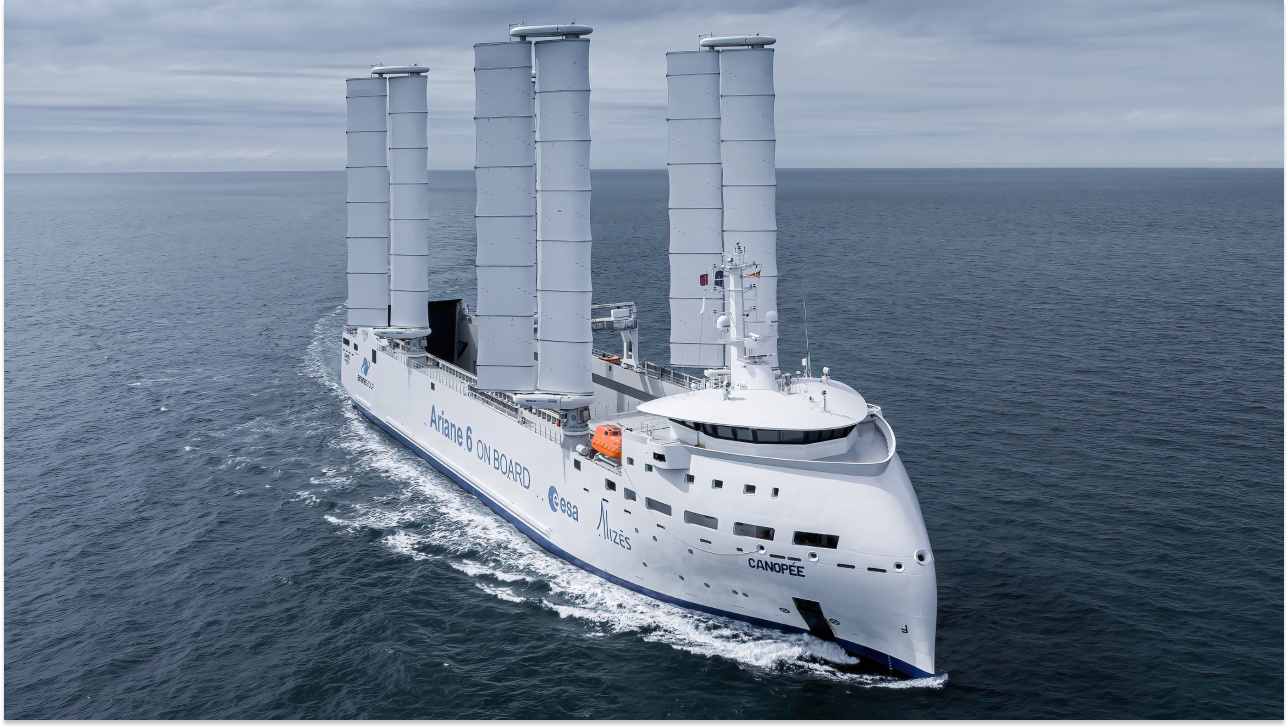
With a length of 121 meters and four rigid sails of 36 meters that automatically rotate to capture the wind, Canopée is the world’s first hybrid industrial cargo ship powered by wind, used to transport rockets and reduce fuel consumption by up to 30% on transoceanic routes.

The terminal’s infrastructure includes features that provide flexibility and operational efficiency for customers. Among them is a pier for the movement of liquid bulk, with a draft of 16 meters, prepared to accommodate large vessels and barges, through two separate berths. In addition, the operations of the maritime and road modes are independent, allowing them to be conducted simultaneously.
To meet the demand for fuel storage, the terminal was designed to operate with a high level of productivity and efficiency. Furthermore, following the safety principles that have made the company a reference in the sector, the terminal will also have a fire prevention and fighting system, with additional safety barriers beyond regulatory requirements.







Seja o primeiro a reagir!