





 Portuguese
  English
  Spanish
  8 min of reading
  7 comments


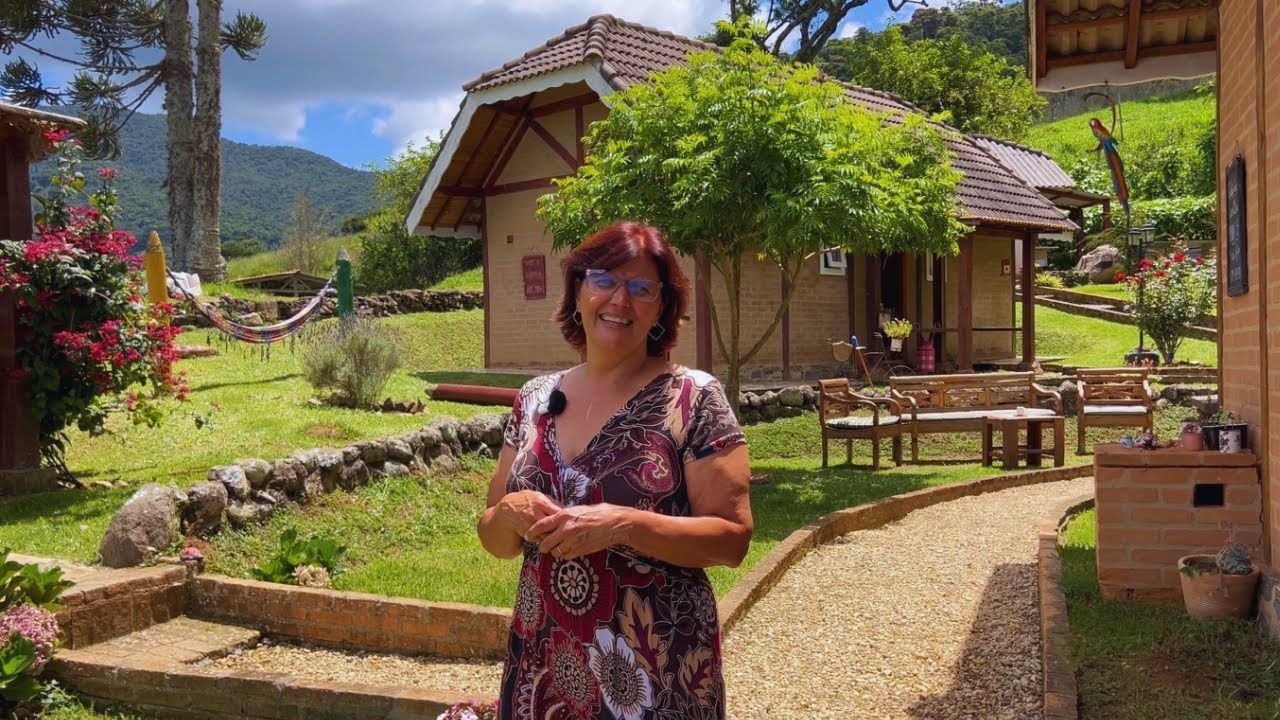


At 1,630 Meters Above Sea Level, the Organic Farm in Mantiqueira Became a Refuge for Rural Tourism, with Life in the Countryside Surrounding a House Built from Scratch with Clay.
What started as a house built from scratch with clay, wattle, manure, and wood became the heart of a farm in Delfim Moreira, in the Rosário neighborhood, where green dominates, the air is thin, and life revolves around the land, the harvests, and welcoming those who venture up the difficult road to this little piece of heaven.
They came from the South, used to urban life, commitments, and rush. She, a physical education teacher. He, a businessman. After looking at 33 properties over nine months, it was on the 34th farm that the husband made the decision without his wife even having seen the place. When she arrived for the first time, she found the little clay house at the entrance, the Mantiqueira mountains surrounding it, and the silent certainty that this would be the turning point for the family.
From Urban Apartment to Life in the Countryside

The couple left Curitiba and Paraná carrying with them a “normal” city life and arrived in Mantiqueira without ever having lived in the countryside. At most, they had a small bed of basil and mint on the porch. Suddenly, they found themselves in Delfim Moreira, in Minas Gerais, surrounded by araucarias, steep hills, and a scary access road for any unsuspecting driver.
-
The project that was supposed to be ready for the 2014 World Cup in Brazil debuted with a 12-year delay and nearly R$ 6 billion invested: the Line 17-Gold of the São Paulo monorail opened with reduced hours and is only expected to operate fully in October.

-
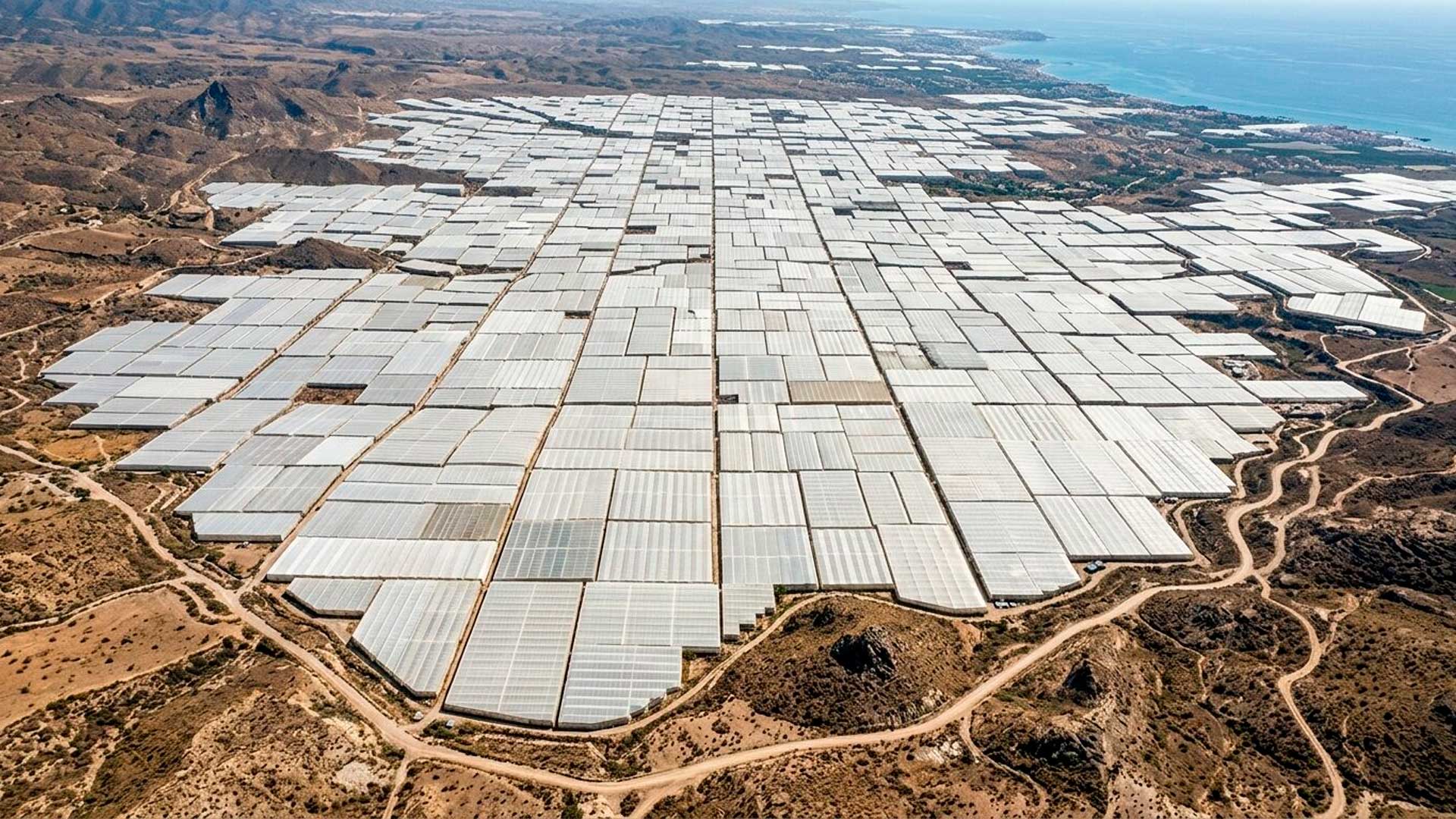
Neither the Pyramids nor the Great Wall of China, this gigantic construction in Spain is the human mark on planet Earth that intrigues the most when seen in images from space.
-
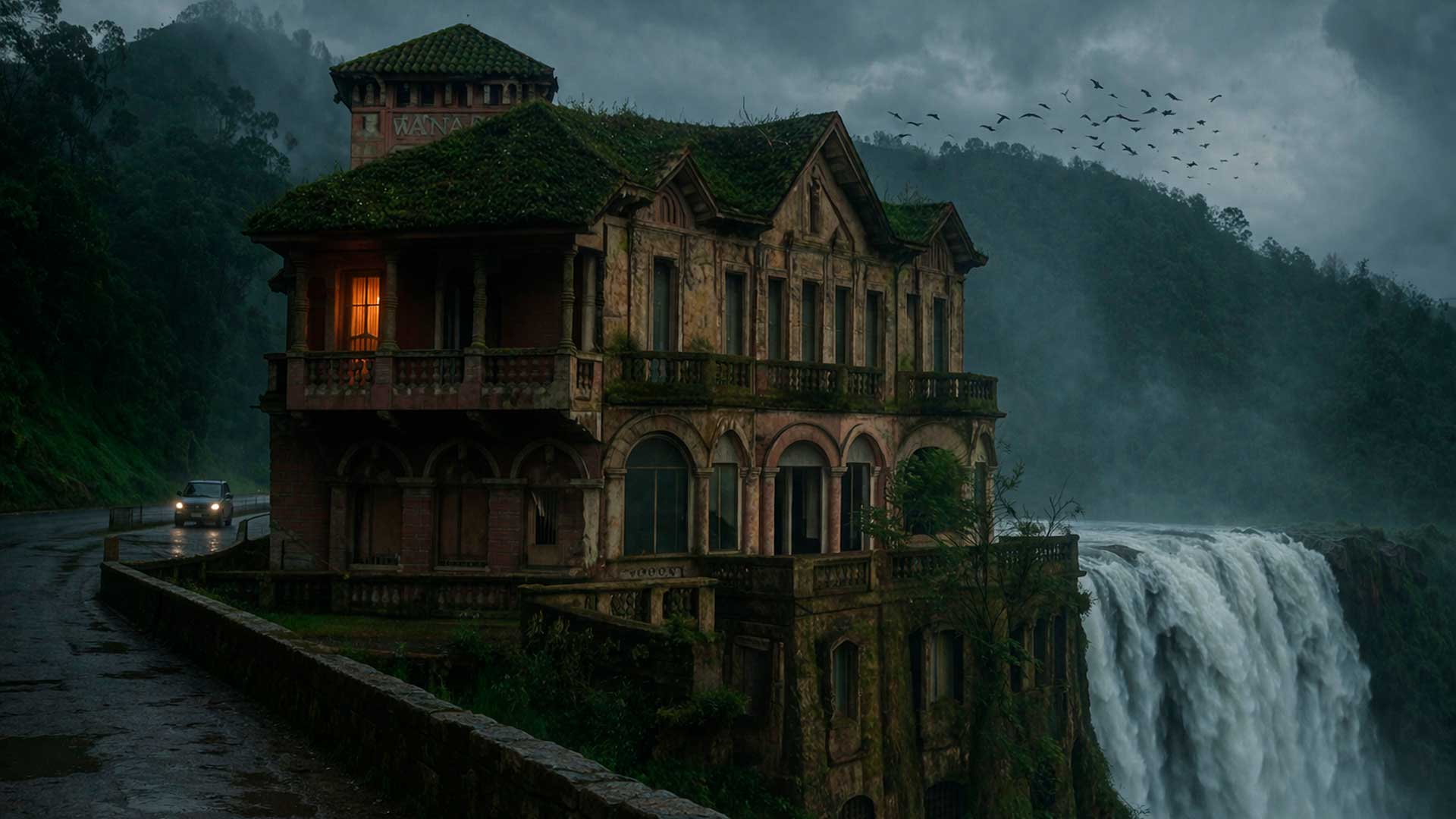
Surrounded by cliffs, mist, and chilling stories, the ancient Hotel del Salto has been reborn as a museum while still unable to shake off its reputation as a haunted place.
-
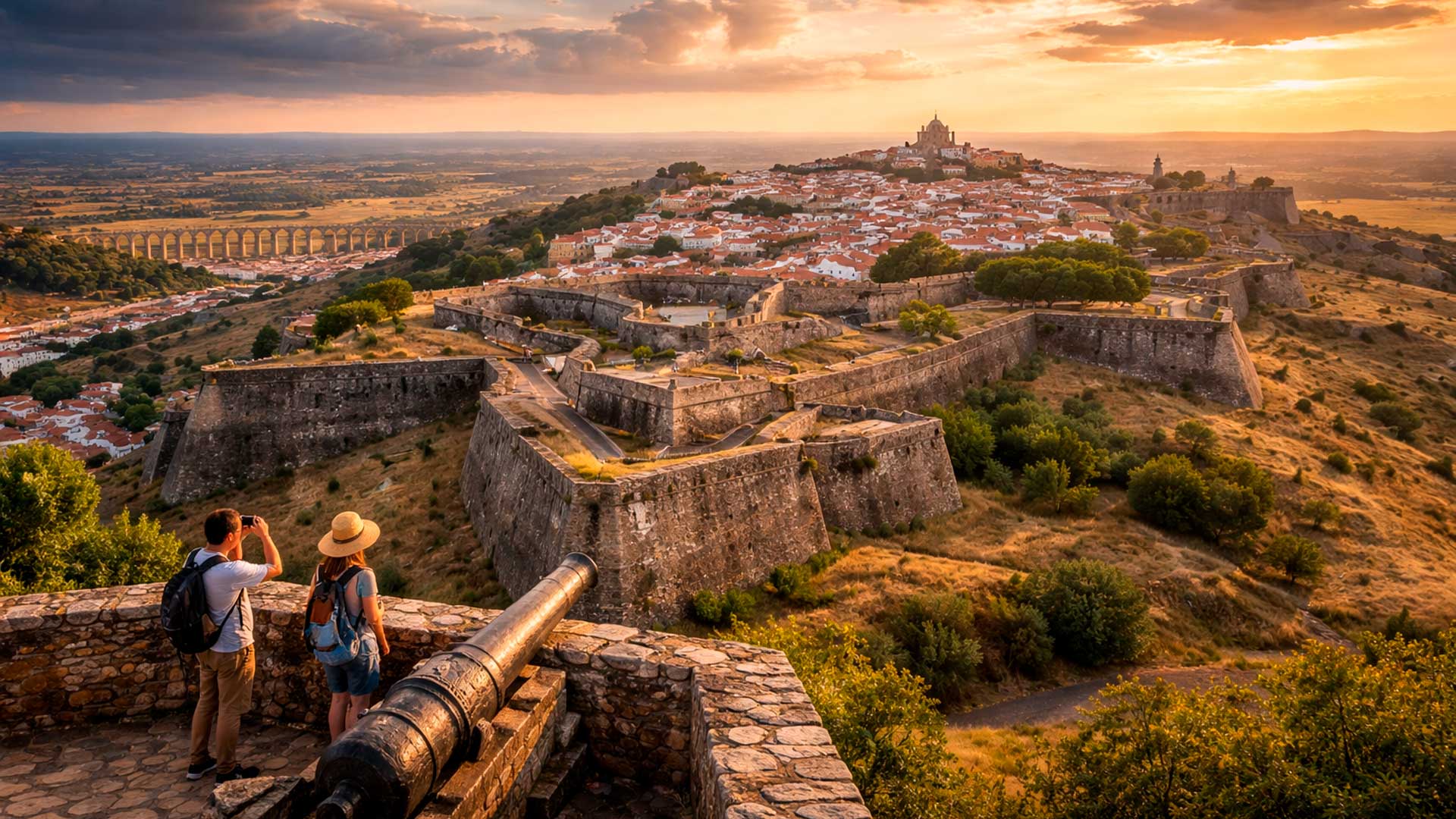
This star-shaped fortified construction, hidden near the border of Spain, may be the largest fortress on the planet.

The change was not impulsive. They spent almost ten years building their story in the South, raised their children, moved from city to city, and reorganized their lives several times. Until the desire for something different emerged. They wanted to plant, live more simply, and be in real contact with nature.
When the farm finally appeared, the scene was almost cinematic. At the entrance, a house built from scratch with clay, manure, and straw, the typical mineiro wattle house, told the region’s story even before anyone uttered a word.
The former owner used the space only during the day, never lived there. The land had been taken over by brachiaria for seven years, with tall grass dominating everything.
This “resting earth” ended up becoming an advantage. As soon as the couple took over the property, they quickly obtained certification for organic production since the soil had been free of poison for years.
The Symbolic Strength of the House Built from Scratch with Clay

Today, that first little crooked house, with cracked walls, is still an emotional point on the farm.
It was carefully remodeled, received flooring, a small walkway, and became the family’s headquarters while the new house was planned. Tools, a coffee stove, weekend sleepovers, and many plans were kept there.
The structure is simple and ingenious. Clay mixed with manure and straw is kneaded and applied to a framework of bamboo and wood, creating walls that insulate the cold and preserve the heat. In some places, the plaster has already given way, exposing the bamboo skeleton, almost a lesson in vernacular architecture in the open air.
Over time, the place took on another role. The farm owner has always loved children, and the teacher she once was never left the scene. The house built from scratch with clay became a corner for play, supplementary education, snacks, and environmental education for the neighborhood children.
For ten years, she maintained a selective waste collection project, teaching kids to separate trash, create compost, collect waste from neighbors, and sell recyclables to fund children’s parties.
Around that rustic little house, bonds, memories, and a sense of community were born that goes far beyond the physical construction.
Organic Farm at 1,630 Meters: Strawberries, Tomatoes, and Lots of Work

Heading up to Sítio Serra Dourada is a task for a brave car, but those who arrive understand why they decided to stay. At 1,600 and even 1,630 meters above sea level, the view of Mantiqueira is breathtaking, and the fertile land has become the ground for an organic farm that functions as a business, school of life, and laboratory of resilience.
The production is diverse. Strawberries are the main crop, available practically all year round. They once cultivated 25,000 seedlings and now maintain about 3,000, enough to serve their organic basket customers.
The process is meticulous. Preparing the soil with tractors and bed makers, installing irrigation hoses, covering everything with special plastic to protect the land, and opening and closing the greenhouses daily to let the sun sweeten the fruits and prevent the cold from burning the leaves.
Besides strawberries, the farm produces table tomatoes and cherry tomatoes, smooth and curly lettuce, carrots, beets, corn, beans, leeks, pumpkins, peppers, and a variety of wild edible plants (PANCs) like peixinho, azedinha, and ora-pro-nóbis. The strategy is to plant in a staggered manner, creating “waves” of harvest that ensure a continuous and fresh supply.
With the growth of the business, the couple brought in a planting manager, a dedicated worker who took over the daily routine of the fields while she divided her time between home, recipes, and customer service, and he handled the accounts, suppliers, and seeds.
Learning came through practice, with courses, videos, research, and, above all, with the generosity of local farmers, who taught them techniques and secrets from a lifetime in the countryside.
Crises, Solidarity, and Life Sustained in Community

Not everything was beautiful scenery and abundant harvests. In one of their toughest moments, the couple’s truck was stopped for six months, and organic basket deliveries had to be made by tractor, facing sun and rain, going down the hill with the load covered in tarpaulin to avoid interrupting work.
It was then that a customer became a symbol of solidarity. About to have a baby, with a truck for her and another for her husband, she lent them an entire Hilux for a month so that the farm wouldn’t stop. The gesture touched the hearts of the producers and illustrated something that neighbors had been noticing for a while.
The couple has always helped those in need: giving rides to take animals to the veterinarian, transporting seedlings, corn, products, and supporting daily tasks. The logic of the countryside remains alive on the organic farm, with a spirit of cooperation where one helps the other, without much formality and with lots of reciprocity.
This support network doesn’t just involve neighbors. City customers go up the mountain to get to know who grows the food that reaches their tables, revisiting childhood memories and sharing family stories, like the woman who returned to the neighborhood just to see the land where her father grew peas 40 years ago.
Affective Tourism, Coffee in the Countryside, and Legends of the Royal Road
Over time, the farm also opened up to those who do not live in the countryside but dream of a few hours of respite in Mantiqueira. The couple transformed part of the property into simple and charming lodging, with chalets, a wide-view porch, a wood stove that also heats the shower water, and a colonial coffee served usually once a month.
Guests arrive, stroll through the farm, see the strawberry tunnels up close, and smell the corn, herbs, and flowers. Later, they sit on the porch to taste cheese bread, cakes, sweets, organic apple cider vinegar, and other products made right there with what the land offers.
In the carefully set up grocery store, colorful baskets display tomatoes, braided onions, honey from a local partner, decorated tins that came from the project with children, embroidered bags, and small souvenirs for those who want to take a piece of the farm home.
And, like any old place in Minas, there are plenty of stories. The region lies on the route of the Royal Road, a path of explorers, mining, and royal family transit in other centuries.
The legend circulates that, on a huge stone nearby, with a crack occupied by a beehive, there is a hidden treasure. Behind the couple’s chalet, there is exactly such a stone, with bees living inside. They joke that when they need it the most, they might open the “mountain vault” to see if the story is real.
Refuge, Learning, and Inner Transformation
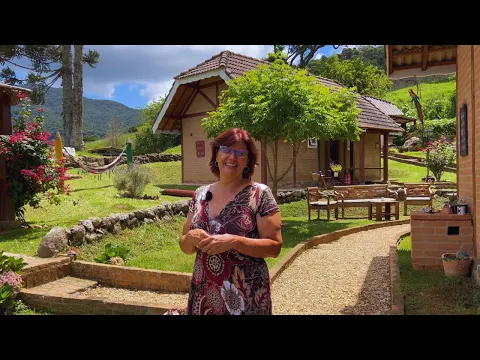

More than beautiful scenery or a profitable business, the farm has become a mirror of the couple’s internal transformation.
She says she has always been in a hurry, wanting everything yesterday, and it was nature that taught her to wait, to accept the rain on laundry day, the corn that takes months to ripen, the harvest that comes at the right time, not on the clock’s schedule.
Living around a house built from scratch with clay, in a farm that demands daily patience, has lowered the size of human ego and increased the awareness that the planet is much bigger than any individual anxiety. The phrase “we are what we eat” has become a mantra.
Valuing real food, the kind that comes from the earth and not from a store package, has become a mission guiding their work, conversations with customers, and a model for their daughters.
On the porch, with organic strawberry juice with no sugar, they like to summarize the meaning of everything. The true pleasures of life, they say, should be good food, beautiful landscapes, simple travel, and health for all. The rest is accessory.
At the end of the day, while dogs Lira and Gaia lie down looking at the landscape and the sun hides behind the mountains, there is a feeling that the difficult road was worth every curve.
The organic farm that was born around a house built from scratch with clay is a refuge, a school, a business, a meeting point, and living proof that it is possible to start over at any stage of life, even at 1,630 meters above sea level.
And you, would you dare to drive on a dirt road in Mantiqueira to live (or at least spend a weekend) in a place like this, surrounded by organic produce, stories, and a view that changes the way you see the world?






Maravilhoso eu deixaria tudo para traz se pudesse ir pra um lugar desse meu Deus!!!!
Amaria passar uma vida toda, fugir da poluição da cidade do barulho enfim ter paz.
Acho lindo quem tem essa disponibilidade interna de sair do 8 para o 80 …com certeza vivem melhor