





 Portuguese
  English
  Spanish
  3 min of reading
  0 comments


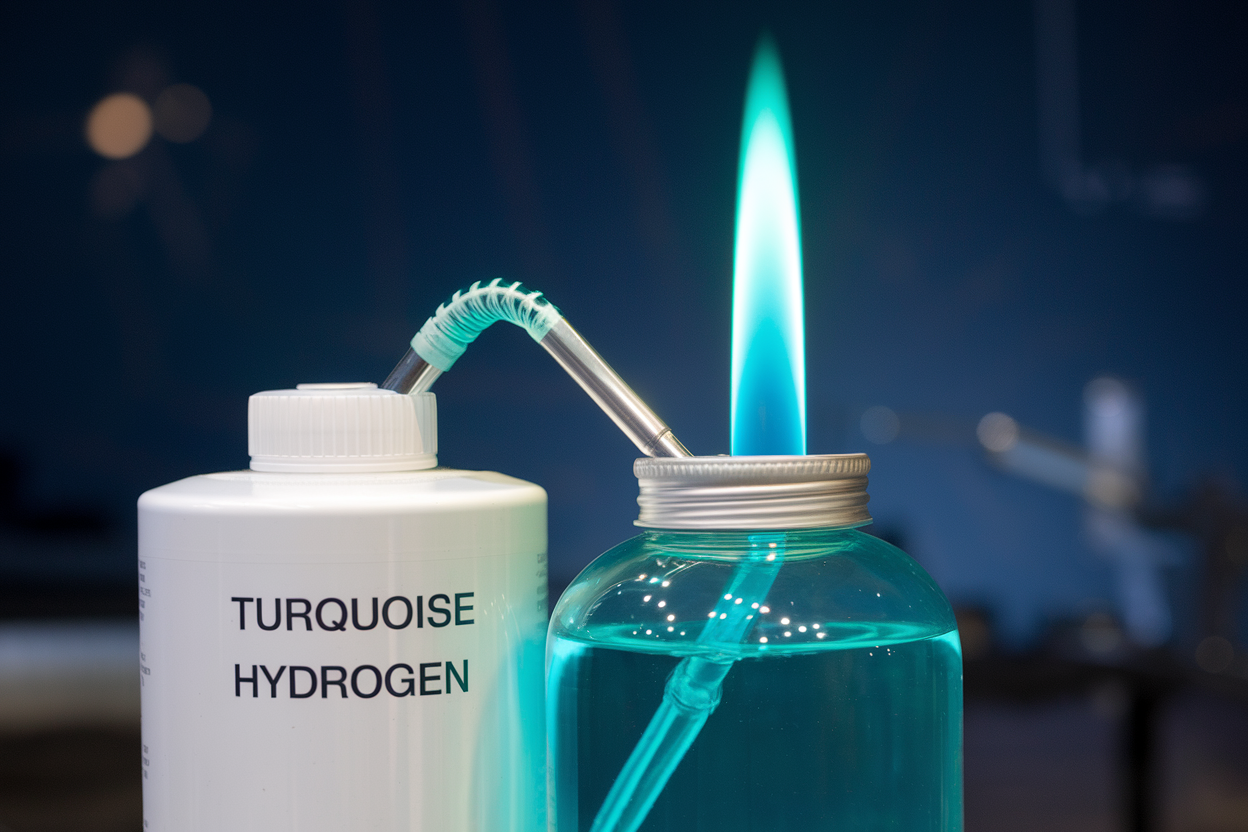
Discover Turquoise Fuel, Sustainably Produced from Methane. This Economic and Clean Alternative to Hydrogen Could Be the Key to Driving Global Decarbonization
In the energy transition that the world is undergoing, hydrogen is taking on a leading role. However, there is a turquoise fuel vying for your attention.
It is a liquid metal produced underground. When we talk about hydrogen in general, we can say it is a clean fuel. When consumed in a fuel cell, it only generates water. It can be used to store, transport, and provide energy. It is generated from various energy resources, such as natural gas, nuclear energy, biomass, wind energy, and solar energy.
These qualities make H an attractive fuel for different applications, such as transportation and electricity generation. Depending on how it is obtained, it can be of one type or another, and each type of hydrogen is determined by colors, according to its degree of sustainability.
-
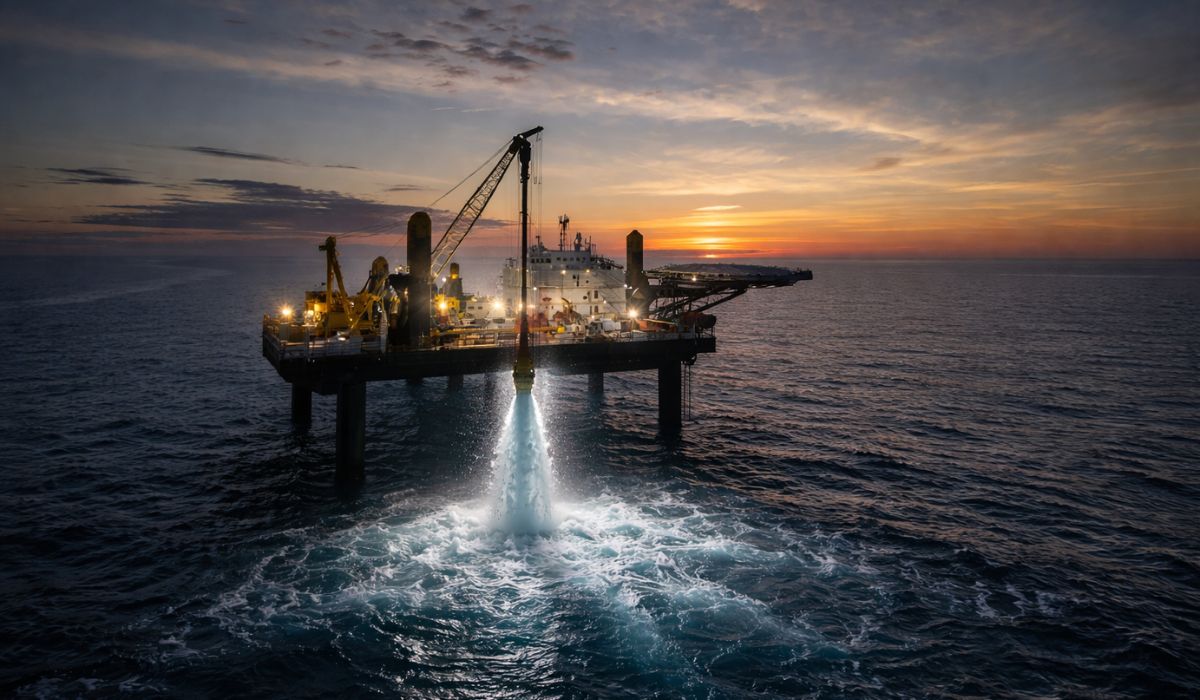
Expedition 501: Scientists drill into the ocean floor and discover a giant reserve of fresh water hidden beneath the sea, extracting nearly 50,000 liters and revealing an invisible system that could reshape the map of water scarcity.
-
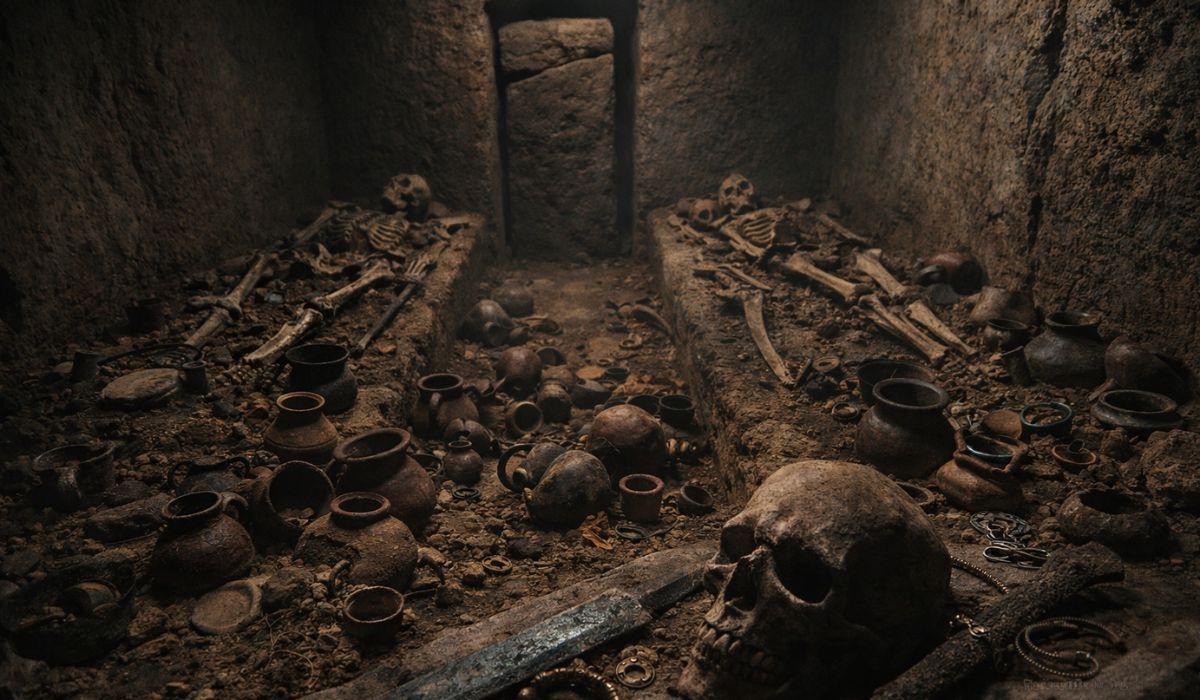
Archaeologists find an intact tomb over 2,500 years old, with more than 100 preserved objects, weapons, jewelry, and human remains never touched.
-
Volcanic lava transforms into threads as fine as human hair that travel over 30 kilometers by wind and fall like cutting rain on roofs and backyards in Hawaii and Iceland.

-
NASA issues a warning for the feared Godzilla El Niño that could change the planet’s climate in 2026 with extreme warming of the Pacific capable of causing devastating droughts in some regions and historic floods in others simultaneously.


Turquoise Hydrogen: No One Expected It
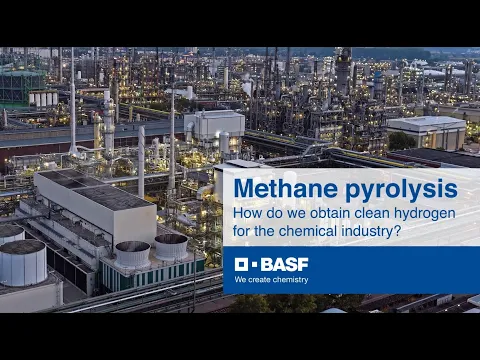
Thus, we arrive at the fuel that some consider better than hydrogen: turquoise hydrogen. In fact, the Japanese industrial machinery manufacturer Ebara is working on a new system to generate turquoise hydrogen. Its goal is to be able to commercialize it by 2026, leveraging the global momentum established in the industry: decarbonization.
Most of the H generated is extracted from fossil fuel sources through an extremely carbon-intensive process. However, turquoise hydrogen is obtained from the methane contained in natural gas and biogas.
The process by which it is ‘born’ is called pyrolysis. In this procedure, the generated carbon is in solid state, which means it is not released into the atmosphere. The company, based in Tokyo, has partnered with the National Institute for Materials Science, Shizuoka University, and material manufacturer Taiyo Koko.

This New Liquid Fuel Is Produced Underground and Overthrows Hydrogen
This initiative was commissioned by the New Energy and Industrial Technology Development Organization, supported by the Japanese government. The current system extracts both hydrogen and carbon in the same reactor. Ebara aims to extract them separately, so it can obtain different types of solid carbon without compromising hydrogen generation.
Solid carbon can be used for various purposes. It can be carbon black to make tires stronger or carbon fibers intended for vehicles and airplanes, among other applications.
“We are considering the possibility of partnering with carbon manufacturers, as our goal is to start selling high-quality solid carbon”, stated Shinya Yoshihama, marketing head at Ebara.
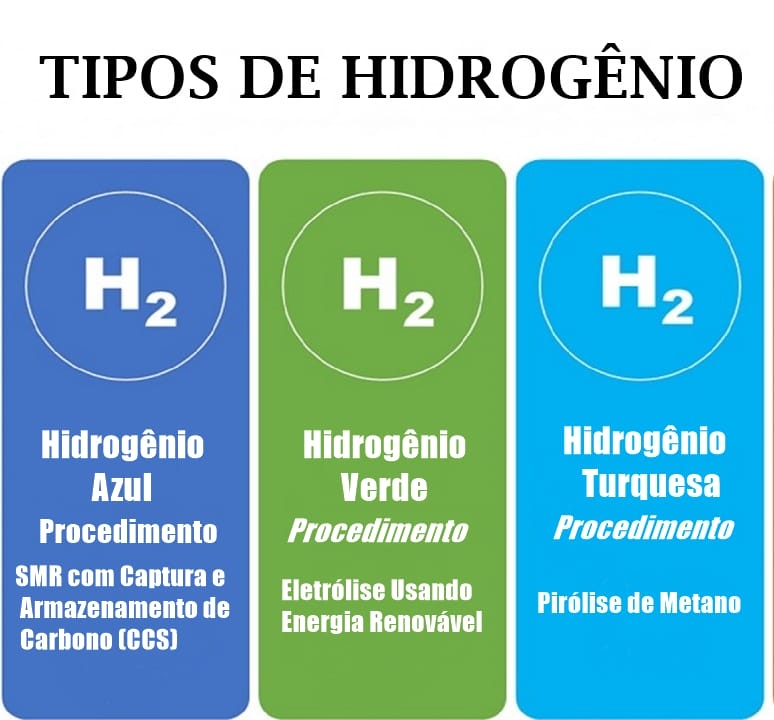
The production of hydrogen can also be classified as ‘green’, producing fuel using renewable energy sources, or ‘blue‘, when referring to extraction from fossil fuels and using carbon capture and storage technology to mitigate emissions.
Charting a New Path for Decarbonization
The production of green hydrogen does not result in carbon dioxide generation, but is expensive due to the amount of energy required. On the other hand, complicated carbon facilities remain a fierce obstacle for blue hydrogen.
In this context, turquoise hydrogen draws significant attention as a more economical alternative for producing clean fuel (without carbon emissions), which depends on the source of electricity used to heat the methane. Ebara warns that this turquoise fuel is crucial for achieving a “sustainable society”.






-

-

-

-

-

-

42 pessoas reagiram a isso.