





 Portuguese
  English
  Spanish
  3 min of reading
  0 comments


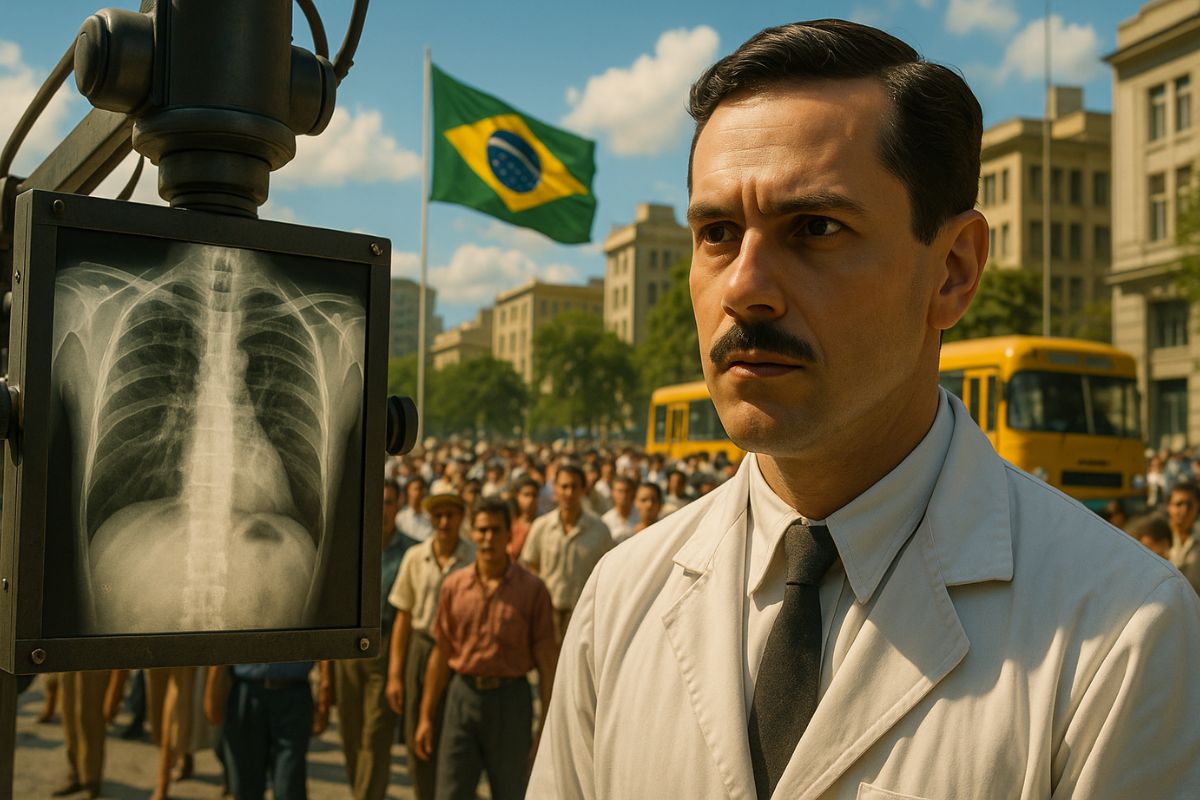
Invented by a Brazilian doctor in 1936, the cheap lung X-ray method known as abreugraphy allowed the mass diagnosis of tuberculosis and was adopted by dozens of countries, becoming one of the greatest contributions of Brazil to world medicine.
The Brazilian doctor Manuel Dias de Abreu was born in 1891 in São Paulo and dedicated his life to research in radiology and pulmonology, areas still embryonic in the early 20th century. Working between Brazil and France, he became one of the pioneers in applying X-rays for large-scale diagnostic purposes.
In the 1930s, Abreu realized that tuberculosis was one of the deadliest diseases in the world and that the lack of accessible exams hindered early treatment. In 1936, he developed a simple, quick, and low-cost method to photograph the lungs—the technique that would become known as abreugraphy, named in his honor.
The Invention That Democratized X-Rays
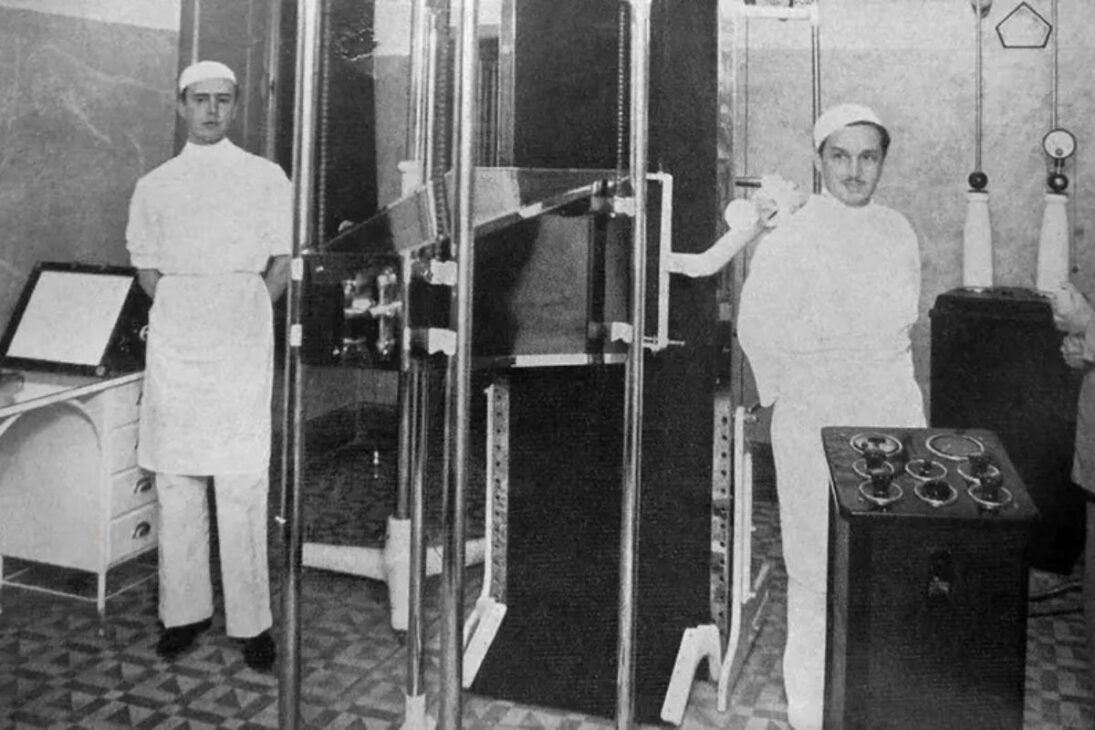
Abreu’s great innovation was to combine radiology with photography.
-
Attracting around 250,000 people a year, a lighthouse 200 meters from the sea, on a 60-meter high cliff, on the North Sea coast in Denmark, becomes one of the most impressive examples of how nature can threaten historical buildings.

-
The narrowest house in the world is only 63 centimeters wide, but inside it can accommodate a bathroom, kitchen, bedroom, office, and even two staircases.

-
In the middle of the sea, these enormous concrete and steel structures, built by the British Navy to protect strategic maritime routes, look like they came straight out of a Star Wars movie.

-
For years, no one could cross a neighborhood in Tokyo because of the tracks, but an impressive solution changed mobility and completely transformed the local routine.


While conventional exams required large and expensive plates, his technique used 35-millimeter films, capturing small and efficient images.
This drastically reduced the cost per patient and made it possible to examine thousands of people per day.
The functioning was ingenious and practical.
The machine emitted X-rays onto the patient’s chest, projecting the image onto a fluorescent screen. A camera recorded this miniature projection.
The result was quick, portable, and accessible, allowing the method to be used in adapted trucks to travel through cities and rural areas.
The Tool That Saved Thousands of Lives
With abreugraphy, governments were able to create mass screening campaigns.
Brazil became a global reference in the fight against tuberculosis, which until then was the leading cause of death from infectious disease in the country.
In no time, the method was adopted by Japan, the United States, and several European countries, consolidating Abreu’s recognition as a global innovator.
During the 1940s and 1950s, millions of Brazilians were examined annually.
The exam became mandatory for obtaining a work permit and school enrollment, helping to detect tuberculosis cases early and reduce community transmission.
In 1946, Manuel de Abreu was nominated for the Nobel Prize in Medicine for the impact of his discovery.
Recognition and Discontinuation of the Method
Abreugraphy remained in use for nearly forty years, being considered one of the most important technologies in public health history.
However, over time, concern about radiation exposure led to its replacement by safer and more precise methods.
In 1974, the World Health Organization recommended that the examination be discontinued for mass application, suggesting the use of digital radiographs and bacteriological tests, such as the search for Koch’s bacillus in sputum.
Even so, abreugraphy was crucial in structuring the first screening and epidemiological control policies in Brazil.
The Legacy of the Brazilian Doctor Who Brought Science to the People
More than a technical invention, Manuel de Abreu’s work represents a milestone for universal access to health.
He managed to transform a complex and expensive technology into a practical tool, capable of saving lives and reducing inequalities.
His creation proved that science can be a powerful ally of public policy when put to the service of society.
Today, even without active use, the concept of abreugraphy remains alive in screening campaigns and in the philosophy of preventive medicine.
The invention of the Brazilian doctor has become a symbol of creativity and humanity applied to science, reinforcing Brazil’s role in the history of global medical innovation.







-

-

5 pessoas reagiram a isso.