





 Portuguese
  English
  Spanish
  3 min of reading
  0 comments



A truck driver starred in a high-cost accident by colliding with a bridge while transporting a luxury helicopter in his truck. The impact caused significant damage to the aircraft and resulted in a million-dollar loss
In 2023, a truck driver in the United States caused a million-dollar loss by colliding with a bridge while transporting a helicopter. The accident occurred in Louisiana and involved a Sikorsky S-92, a model used for civil and military transport.
The Driver’s Error in the Truck
The helicopter was being transported when the main rotor struck the bridge structure.
The impact tore the unit from the rest of the aircraft, spreading hydraulic fluid throughout the area.
-
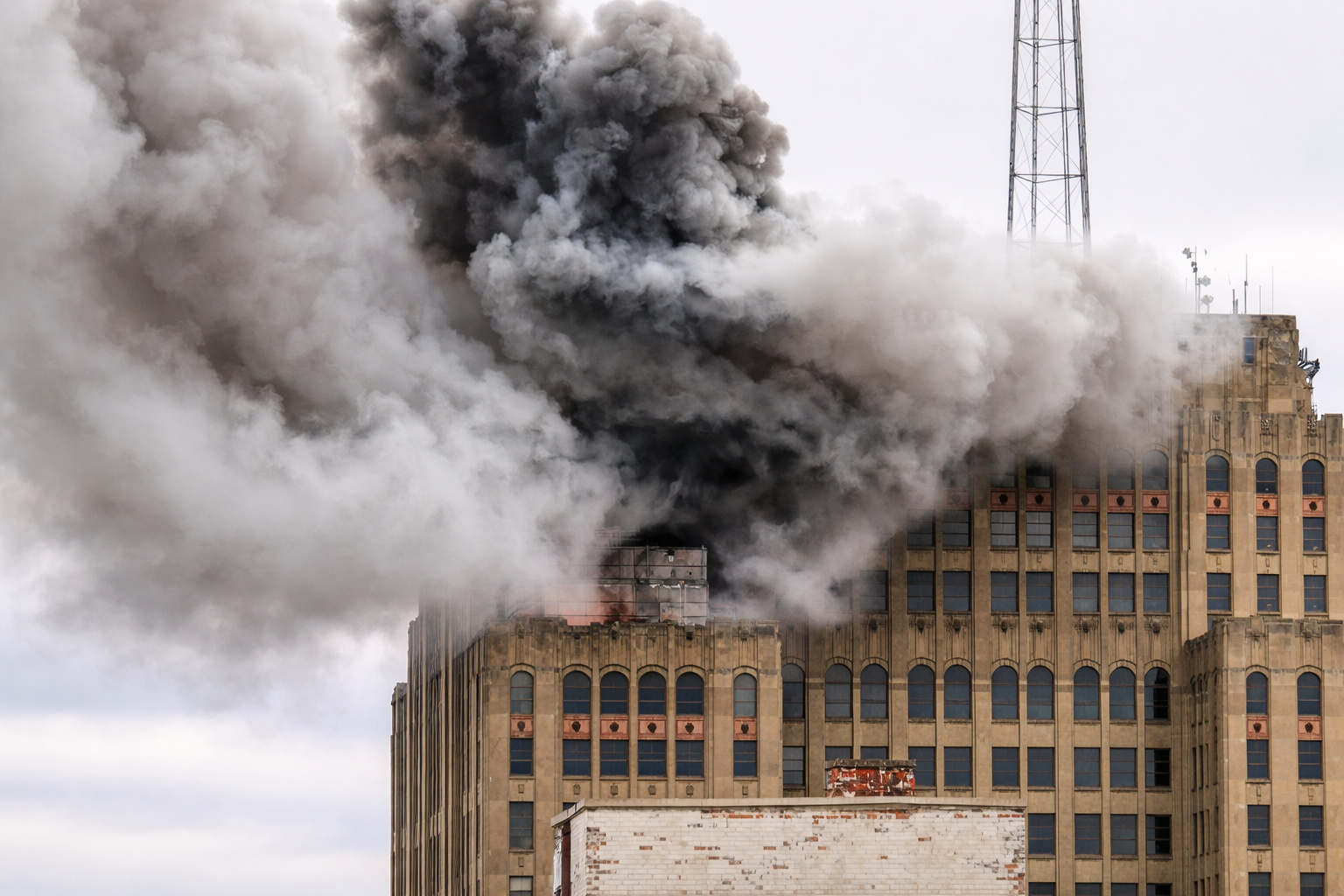
Historic building in the United States reports electrical fire, calls firefighters, and exposes an issue with an appliance that most Brazilians also have at home.
-
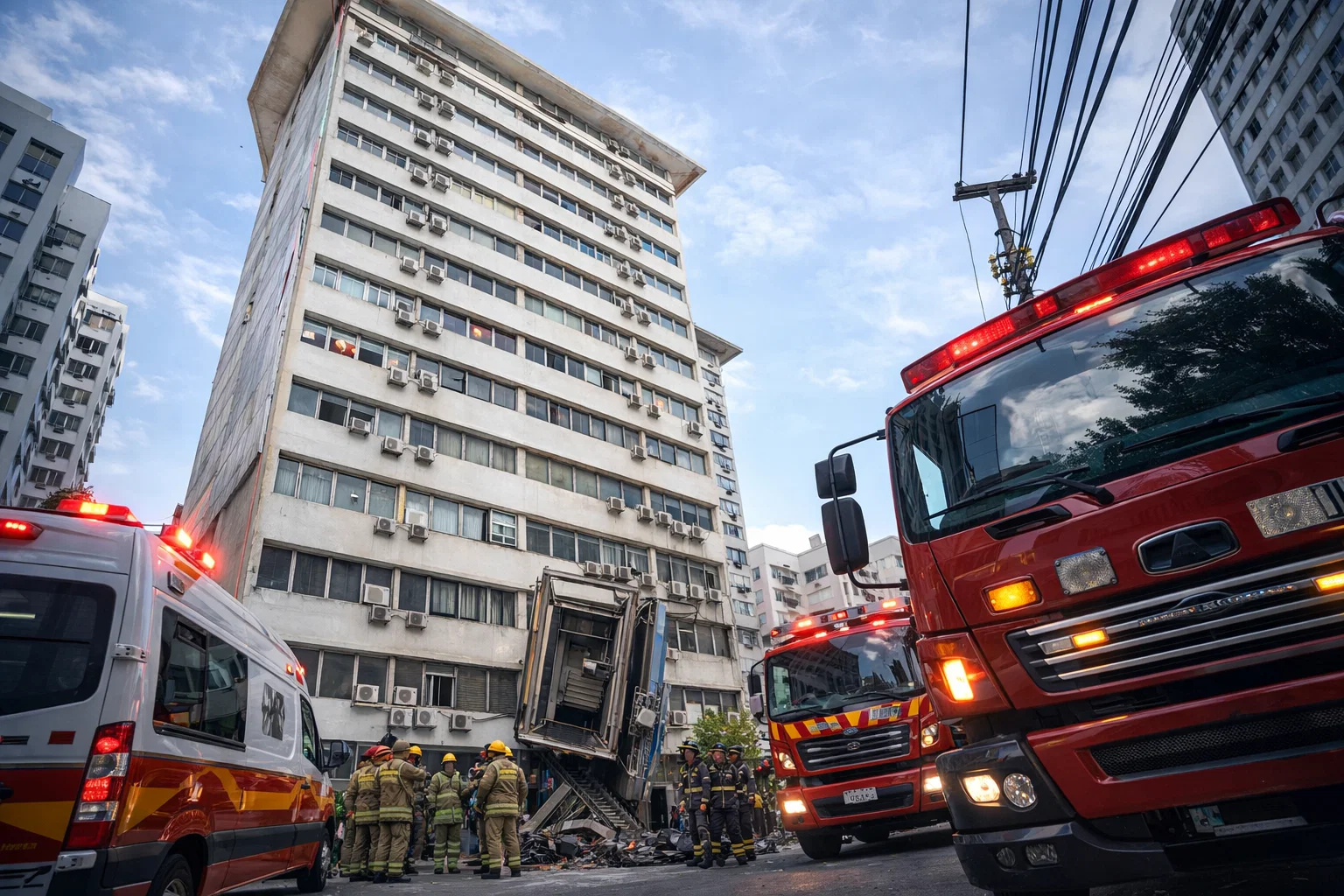
Elevator Plummets From Tenth Floor in Commercial Building in Recife, Raising Concerns About Safety and Engineering of Vertical Transport Systems Used Daily in Urban Buildings
-
Cyclist Hit by Car in Sobradinho, DF Is Rescued After Traffic Accident This Sunday

-
Civil Defense Issues Alert and Advises Evacuation in 51 Streets of Juiz de Fora After Risk of Instability; See the Complete List of Affected Neighborhoods

Images shared on the social network X show the helicopter trapped under the bridge, along with another photo of the rotor completely separated.

Experts point out that damage of this magnitude can render the aircraft inoperable. This means that the entire helicopter, valued at around US$ 30 million, may need to be discarded.
Despite the impact, there was no significant structural damage to the bridge. The truck driver received a fine for careless operation.

Sikorsky S-92 – Technical Characteristics of the Helicopter
The Sikorsky S-92 is a medium-sized twin-engine helicopter, widely used for offshore transport, search and rescue, medical evacuation, and government and military operations.
Developed by Sikorsky Aircraft Corporation, the model derives from the UH-60 Black Hawk and incorporates significant improvements in performance, safety, and operational capability. Below is a technical overview of the helicopter.
Dimensions and Structure
- Overall Length: 20.88 meters
- Main Rotor Diameter: 17.17 meters
- Height: 4.72 meters
- Maximum Takeoff Weight (MTOW): 12,020 kg
- Empty Weight: 7,030 kg
- Payload Capacity: Approximately 4,990 kg
The airframe of the S-92 is built with aluminum alloys and composite materials to ensure structural strength and weight reduction. Its design includes a four-blade main rotor, made with composite materials for greater durability and less vibration, as well as an integrated tail rotor for stability and precise control.
Engine and Performance
- Engines: 2 × General Electric CT7-8A turboshaft
- Power Output: 2,520 shp (1,880 kW) each
- Maximum Speed: 306 km/h
- Cruise Speed: 280 km/h
- Range: Approximately 1,000 km (without auxiliary tanks)
- Service Ceiling: 4,600 meters
- Rate of Climb: 8.5 m/s
The GE CT7-8A engines provide high performance and reliability, allowing operations in adverse conditions, such as maritime environments and hard-to-reach areas.
The helicopter also features an efficient rotor system and components designed to optimize fuel consumption.
Capacity and Internal Configuration
- Crew: 2 pilots
- Passenger Capacity: Up to 19 people, depending on the configuration
- Internal Cargo Capacity: 4,500 kg
- Cabin: 6.1 meters long × 2 meters wide × 1.83 meters high
The spacious cabin can be configured for different missions, including VIP transport, medical evacuation with stretchers and life support equipment, or maritime rescue with a high-capacity winch. The interior can be pressurized and climate-controlled for greater comfort and safety.
Safety and Avionics
The S-92 incorporates state-of-the-art systems to enhance safety and operational efficiency. Among the main features are:
- Active Vibration Control System (AVCS): Reduces vibrations to improve comfort and prolong component life.
- Glass Cockpit: Digital panel with multifunctional displays and advanced navigation and control systems.
- 4-Axis Autopilot: Provides stability and reduces crew workload.
- Emergency Floatation System: Essential for emergency landings in maritime environments.
- Impact Protection: Energy-absorbing seats and impact-resistant fuel tank.
Additionally, the S-92 is certified for operations in icing conditions (FIKI – Flight Into Known Icing), making it suitable for operations in arctic regions or extreme climates.
Operational Applications
The Sikorsky S-92 is used globally in various roles, including:
- Offshore Transport: Widely adopted by oil companies for transporting personnel to offshore platforms.
- Search and Rescue (SAR): Operated by military and civilian forces for rescues at sea or in remote areas.
- Medical Evacuation: MEDEVAC configuration for transporting patients in critical condition.
- Executive and Government Transport: VIP and presidential versions, including the U.S. Marine One.







Seja o primeiro a reagir!