





 Portuguese
  English
  Spanish
  5 min of reading
  3 comments


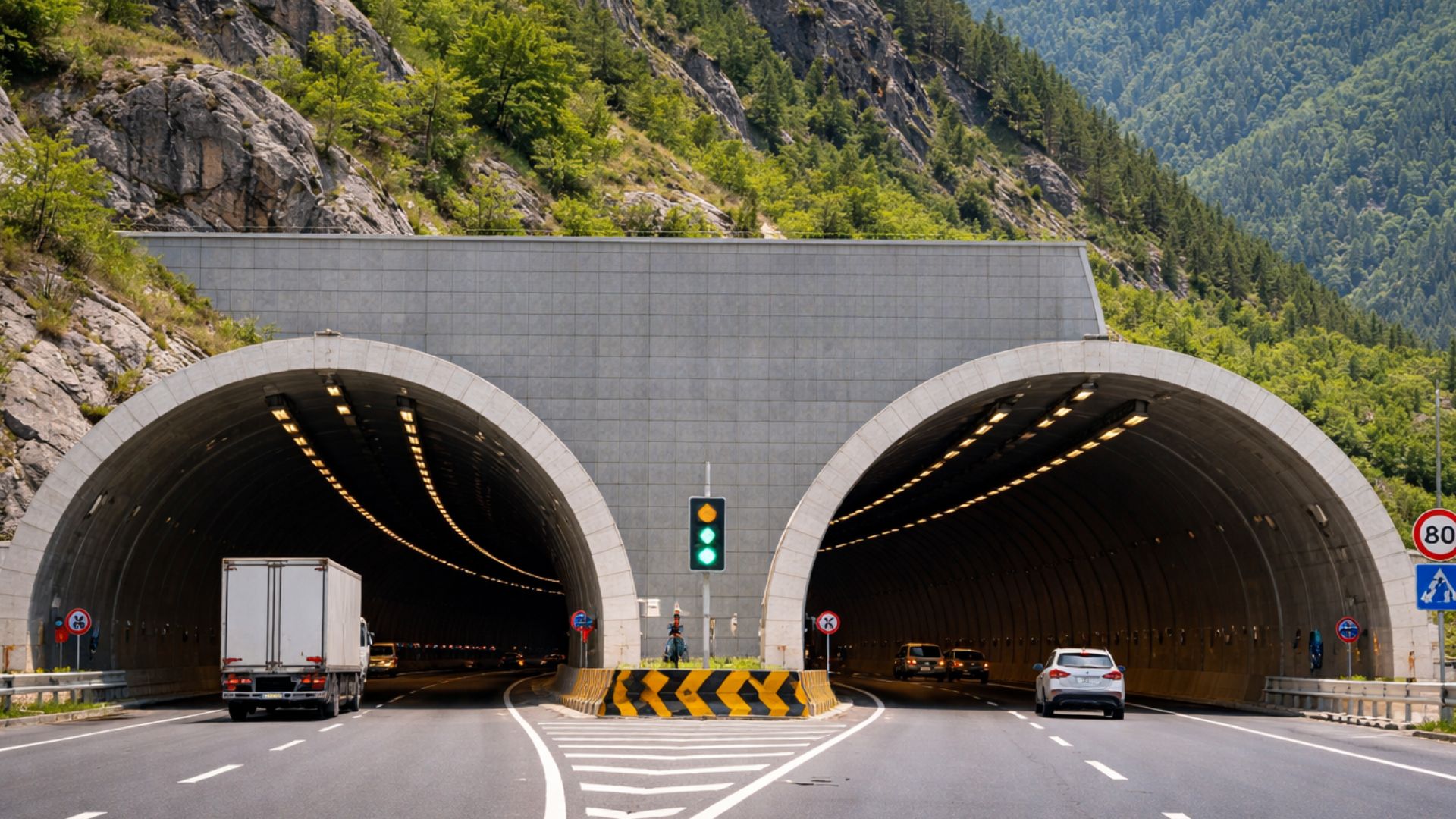


Giant Underground Passage Redesigns One of the Most Difficult Sections of the Turkish Route by Replacing Curves and Altitude with a Continuous and Controlled Route. Official Numbers Indicate a Reduction in Distance and a Significant Cut in Time, Especially for Trucks, with a Direct Impact on Regional Circulation and Logistics.
The project, officially known as the New Zigana Tunnel, was designed to replace a section of mountain historically associated with sharp curves, sudden altitude changes, and interruptions during periods of severe cold.
According to the General Directorate of Highways of Turkey, the new route shortens the journey by 8 kilometers and reduces travel time by 10 minutes for cars and by 60 minutes for heavy vehicles, by establishing a continuous passage where the terrain previously imposed slowness and risk.
The tunnel integrates a road route that connects rural areas to the Black Sea provinces, linking regional centers and serving as a corridor for daily travel, freight transport, and the circulation of buses and trucks.
-
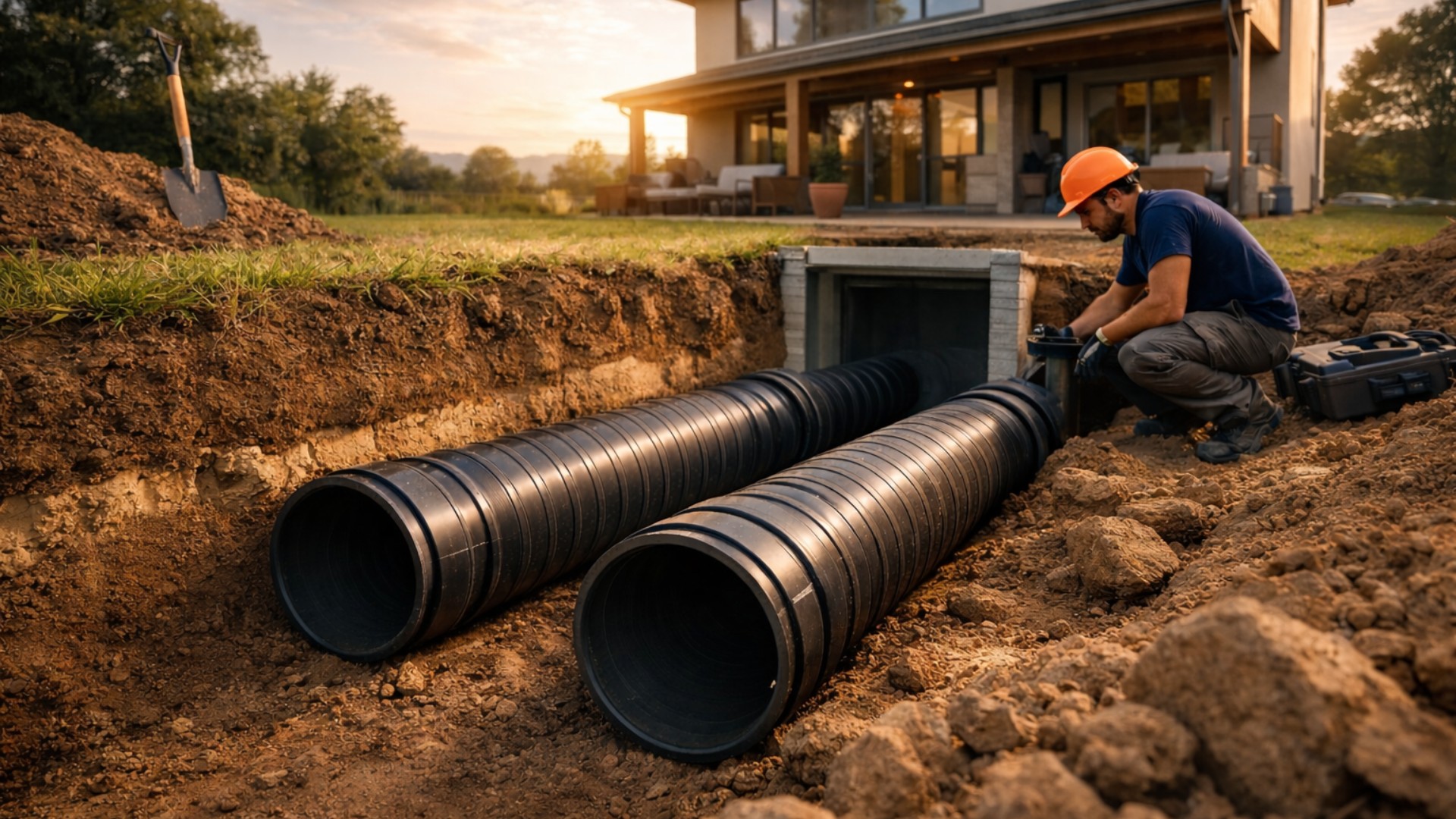
Architects are burying plastic pipes 2 meters deep and using ducts up to 30 meters long to cool homes without electricity, with low-consumption fans and natural heat exchange that drastically cuts the electricity bill.
-
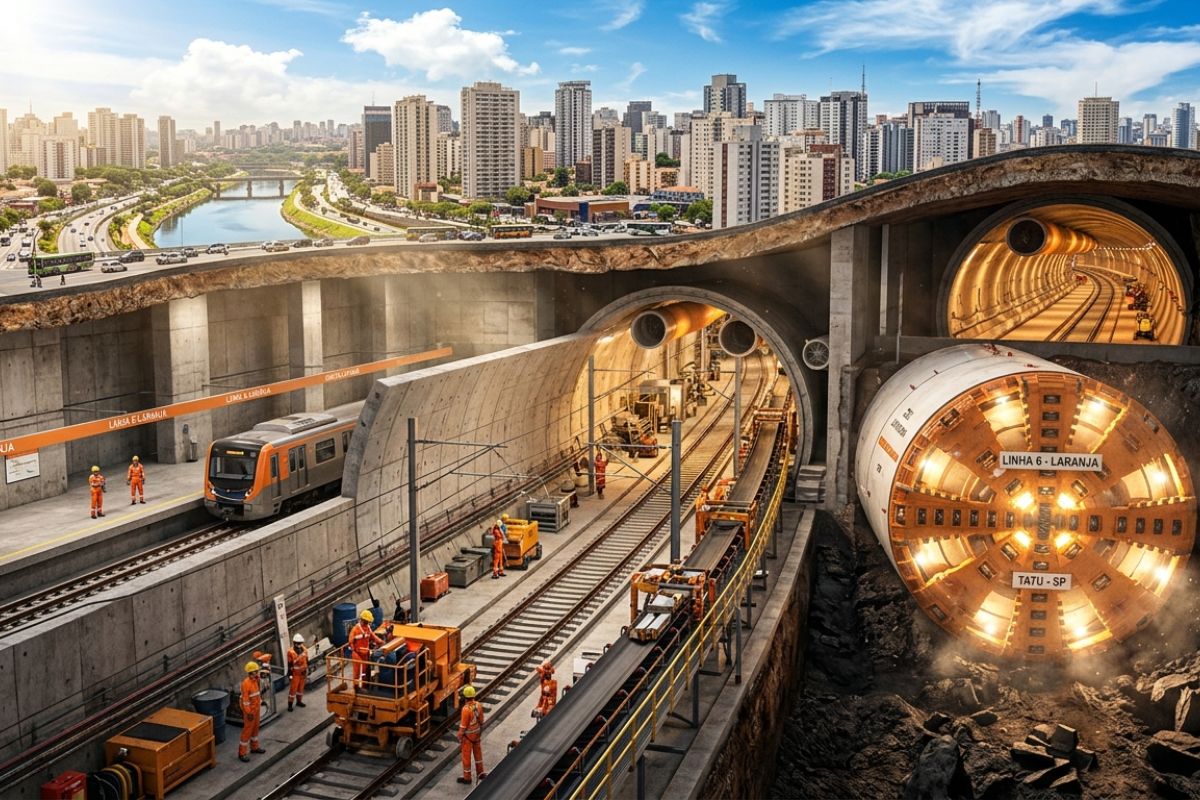
Under São Paulo, Line 6-Orange reaches 15.3 km and 15 stations, promising 23 minutes from Brasilândia to the Center and 633,000 passengers per day; with autonomous trains, it will open a partial section in October 2026.
-
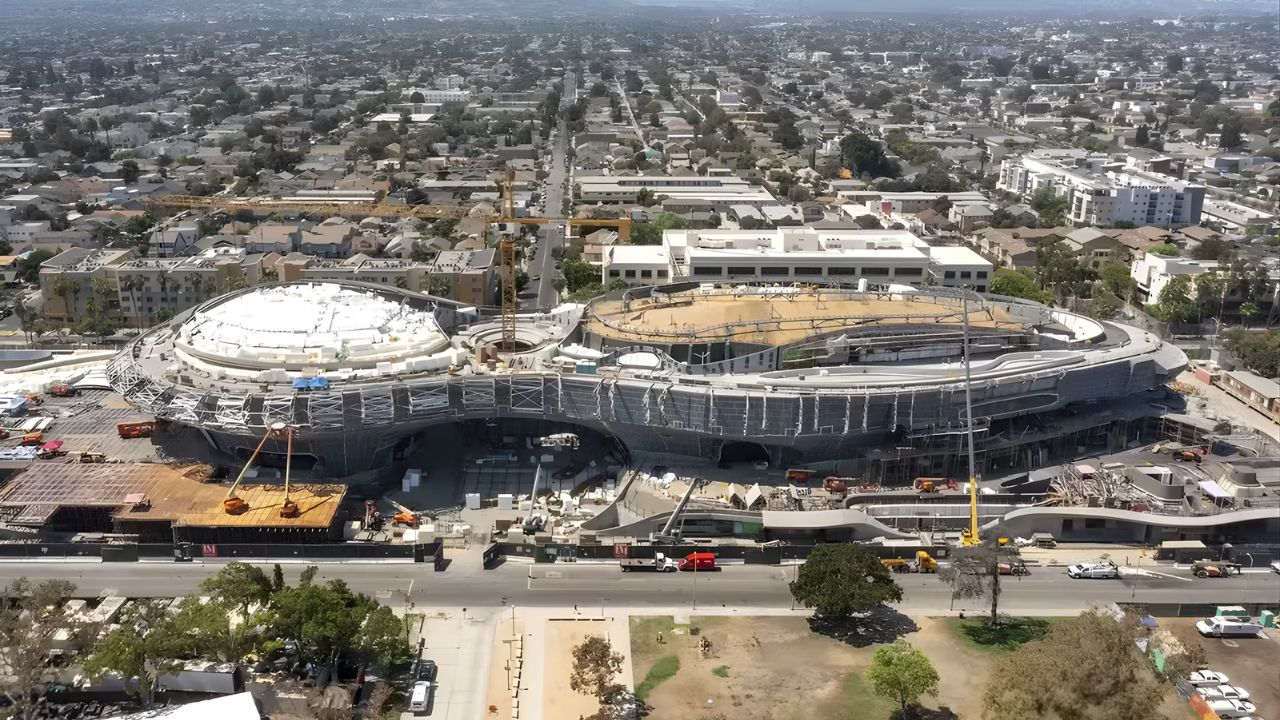
Created by George Lucas with over $1 billion, a futuristic museum in the shape of a spaceship with 1,500 curved panels is about to open in Los Angeles and will house one of the largest private collections of narrative art in the world.
-
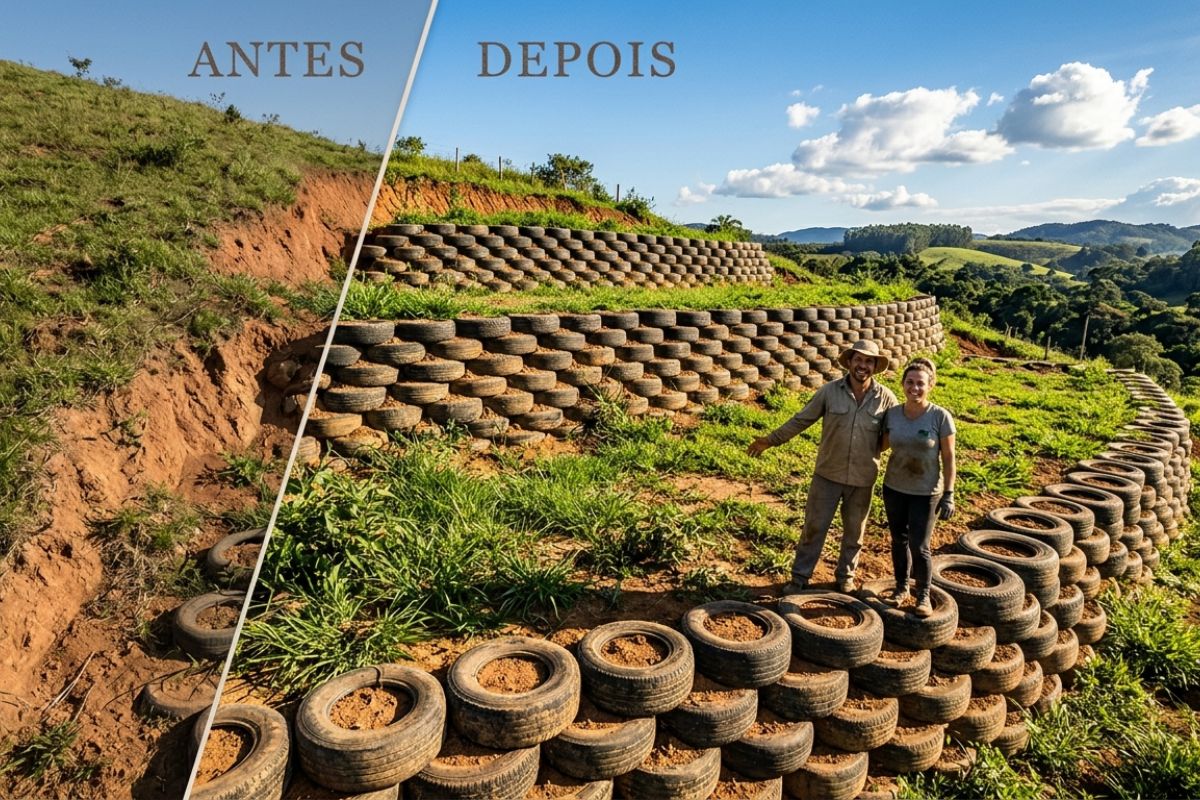
Couple shows how they built a retaining wall on their property using 400 old tires: sloped land turned into plateaus, tires are aligned, filled, and compacted with layers of soil, with grass helping in support and at almost zero cost.

The logic behind the project is simple and measurable: removing traffic from the top of a mountain pass and transferring it to a more stable underground crossing, with less influence from the weather and greater predictability for those who depend on schedules.
Structure of 14.5 km, Two Tubes and Ventilation Systems
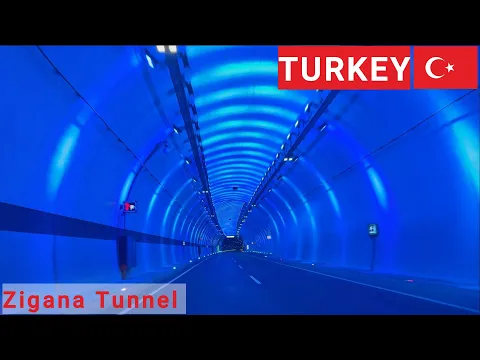

The structure is described by the Turkish authority as composed of two tubes, with connecting roads that bring the total length to 15.1 kilometers.
This design, common in large tunnels, seeks to separate traffic flows in opposite directions and enhance operational safety standards, while also providing capacity for larger volumes of vehicles.
In the specific case of Zigana, the planning also incorporated a ventilation system with vertical shafts, pointed out by the General Directorate of Highways as an unprecedented solution in the country for road tunnels, including four shaft structures with two stations, each with one clean air duct and another for exhaust.
Mountains, Winter, and the End of the Bottleneck at the Pass
The region where the tunnel was implemented is marked by mountain ranges and a high-altitude pass that, for decades, concentrated traffic on a winding route vulnerable to fog, ice, and snow.
By shifting the main axis of travel underground, the project alters how drivers perceive the journey: instead of facing a segment where speed depends on external conditions and topography, the crossing now occurs in a controlled environment, with lighting, ventilation, and supporting infrastructure.
Trucks Gain More Time and Logistics Feel the Impact

The practical impact becomes clearer when observing the difference between light and heavy vehicles.
The reduction of 10 minutes for cars combines with improved regularity, but it is in freight transport that the effect tends to be more noticeable, with the official estimate of up to 60 minutes less for trucks.
On supply and distribution routes, an hour can mean adjusting delivery windows, better fleet utilization, decreased downtime, and greater efficiency in planning long trips, especially in corridors that connect productive zones and urban centers.
Road Safety and Predictability of Route
In addition to the cut in time and distance, the change influences road safety.
The transfer of traffic from the mountain pass to a large tunnel reduces exposure to sections known for slopes, curves, and adverse weather conditions.
Even without comparing accident statistics, the operational logic is straightforward: less variation in traction and visibility, combined with a more predictable route, contribute to less demanding driving and more continuous circulation, especially during winter when disruptions at the top of the mountain can compromise regional mobility.
National Project and Engineering Milestone in Europe
The General Directorate of Highways of Turkey states that the project was built, designed, and supervised using local and national resources, executed by engineers and workers from the country.
The same source describes Zigana as the longest two-tube road tunnel in Turkey and Europe, a fact that helps explain why the project attracts international attention.

Tunnels of this category become engineering landmarks not only for their length but also for the complexity of excavation, lining, and operation in an environment that must operate safely, day and night, under constant flow.
Integration with the Road Network and Connection to the Black Sea
The project’s public documentation also details the function of connecting roads and the tunnel’s integration with the existing road network, including the linkage in an axis that connects areas such as Trabzon and Gümüşhane, as well as other locations mentioned as part of the corridor.
This integration is crucial for the promised time gain to occur end-to-end, as the efficiency of a long tunnel depends on both the underground crossing and the approaches and exits, which need to avoid bottlenecks and maintain the flow of circulation.
Lighting, Environmental Control, and Operation of a Long Tunnel
Although the tunnel attracts attention, the daily operation of an underground corridor of this length depends on a series of complementary systems.
In long structures, ventilation and environmental control are not peripheral items: they become part of the basic design to ensure adequate conditions for drivers and infrastructure, handle vehicle emissions, and respond to incidents.
The presence of vertical shafts, described by the Turkish authority as a “first” in the country for road tunnels, reinforces the technical dimension of the project and indicates a specific concern for air management in a section where the flow cannot rely solely on traditional longitudinal ventilation.
When a Tunnel Changes What is “Close” on the Map
The fact that the crossing has been opened to traffic is mentioned in institutional materials, which note the delivery as a milestone for the corridor.
The exact date, although it exists in the documentation, is not central to the interest of the reader seeking to understand what changes in practice: more relevant is the rearrangement of the path, the concrete reduction in distance and time, and the prospect of a more stable route throughout the year.
By transforming a critical segment into an underground passage, the Zigana changes the relationship between the interior and coast of the Black Sea, affecting work commutes, road tourism, and the transport of goods circulating between regions with distinct economic profiles.
For those following major works around the world, Zigana also serves as an example of how infrastructure projects cease to be just engineering numbers and begin to redraw mental maps.
When a mountain passage essentially becomes a tunnel, the “normal” route changes, alternative routes diminish, and predictability begins to weigh as much as the distance in kilometers.
In a scenario where drivers and companies adjust decisions based on time, safety, and regularity, to what extent can a tunnel of this magnitude redefine what people consider “close” between the interior and the coast?






Viva a engenharia. Viva a ciência.
Forza Horizon 4 da vida real.
Está bom