





 English
  Francês
  Alemão
  Italiano
  Japonês
  Norueguês
  Portuguese
  Spanish
  3 min of reading
  0 comments


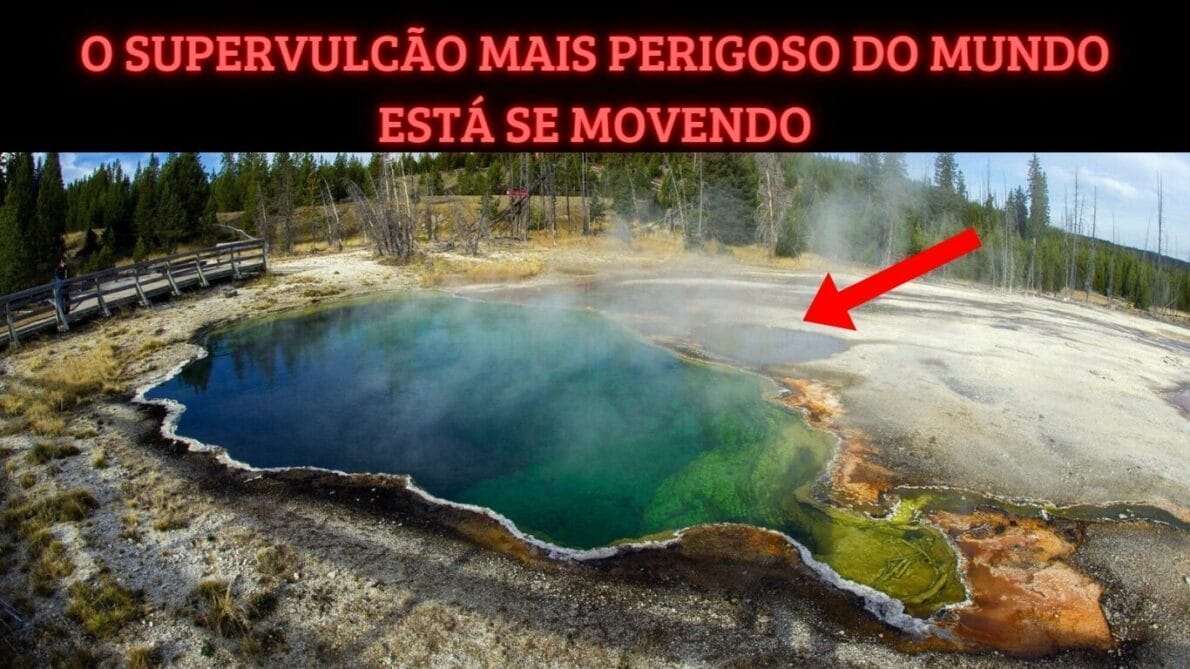
Exploring the Most Dangerous Volcano in the World That Is 90 Km Long and Has Unimaginable Power: It Has at Least Twice the Magma That Was Thought!
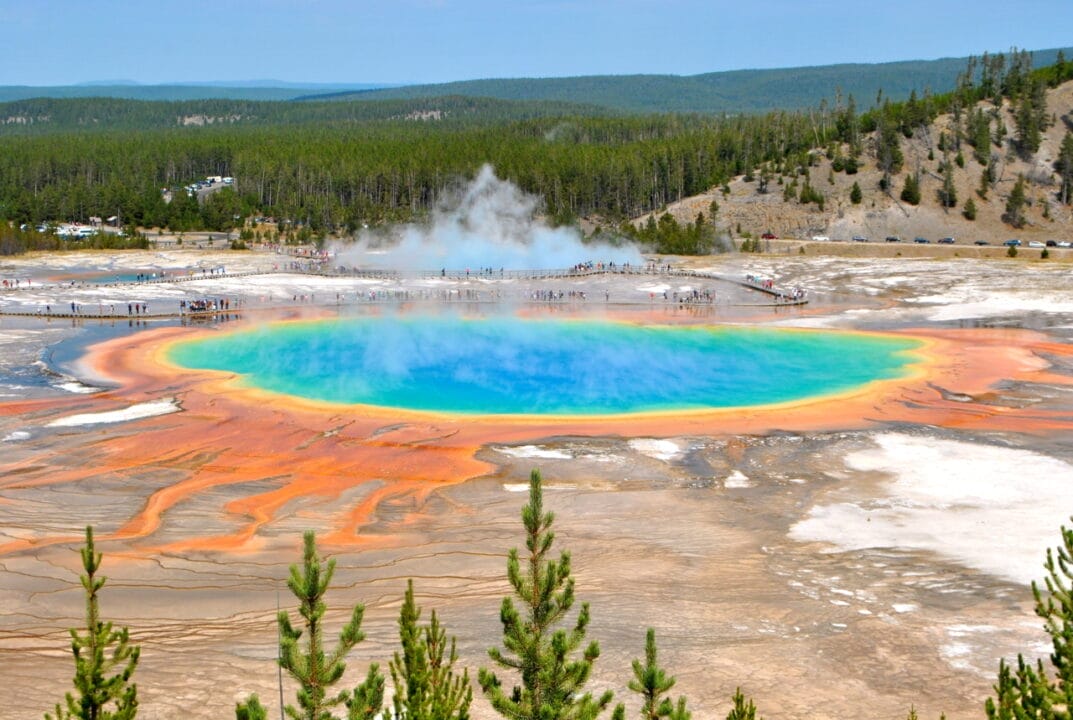
The Yellowstone National Park, in the United States, is famous for its stunning landscapes, geysers, and wildlife. However, hidden beneath this natural beauty is a sleeping giant: the Yellowstone Volcano. This supervolcano is considered the most dangerous in the world due to its explosive eruptions and supereruptions. Let’s explore the fascinating details of this geological phenomenon, according to merecurious.
If the Yellowstone Volcano, the most dangerous volcano in the world, were to erupt, the consequences would be devastating. Located in the heart of Yellowstone Park, this geological giant could unleash a destructive force capable of altering global climates and triggering a chain of catastrophic events. The magnitude of such an eruption would eclipse the grandeur of the Yellowstone Volcano itself, spreading ash and toxic gases over thousands of kilometers, affecting not only the United States but also the ecological and socioeconomic balance on a global scale.
The Yellow Crater of 90 Km
The crater of the Yellowstone Volcano is about 90 km long and is known for its yellowish color. This peculiar coloring is due to the presence of sulfur in the volcanic rocks. But don’t be fooled by the tranquil appearance; this volcanic caldera is one of the most dynamic and unpredictable places on Earth.
-
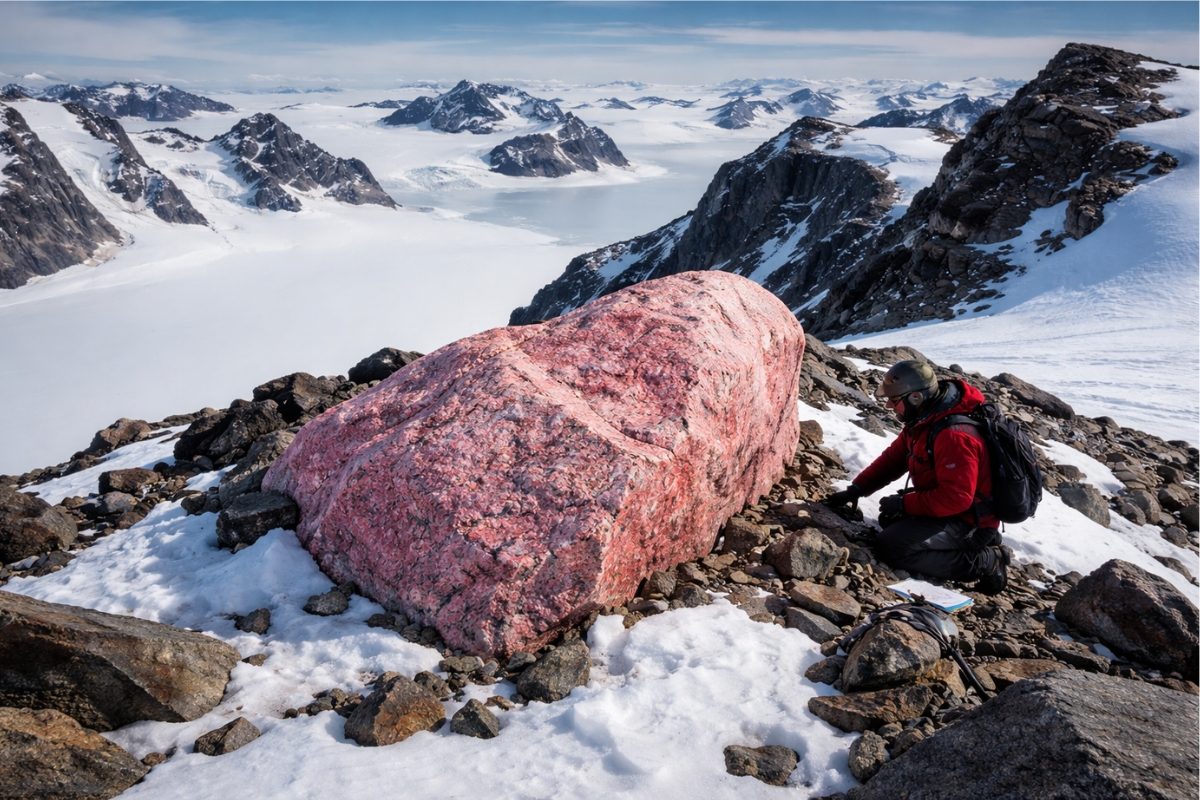
Antarctica reveals an unusual clue high in the Hudson Mountains, and what appeared to be just an isolated rock began to expose a secret hidden under the ice for ages.
-
Salaries of up to R$ 25,000, a shortage of professionals, and exploding demand in 2026 make the no-code automation specialist one of the most sought-after careers in Brazil, even without requiring a degree or programming knowledge.

-
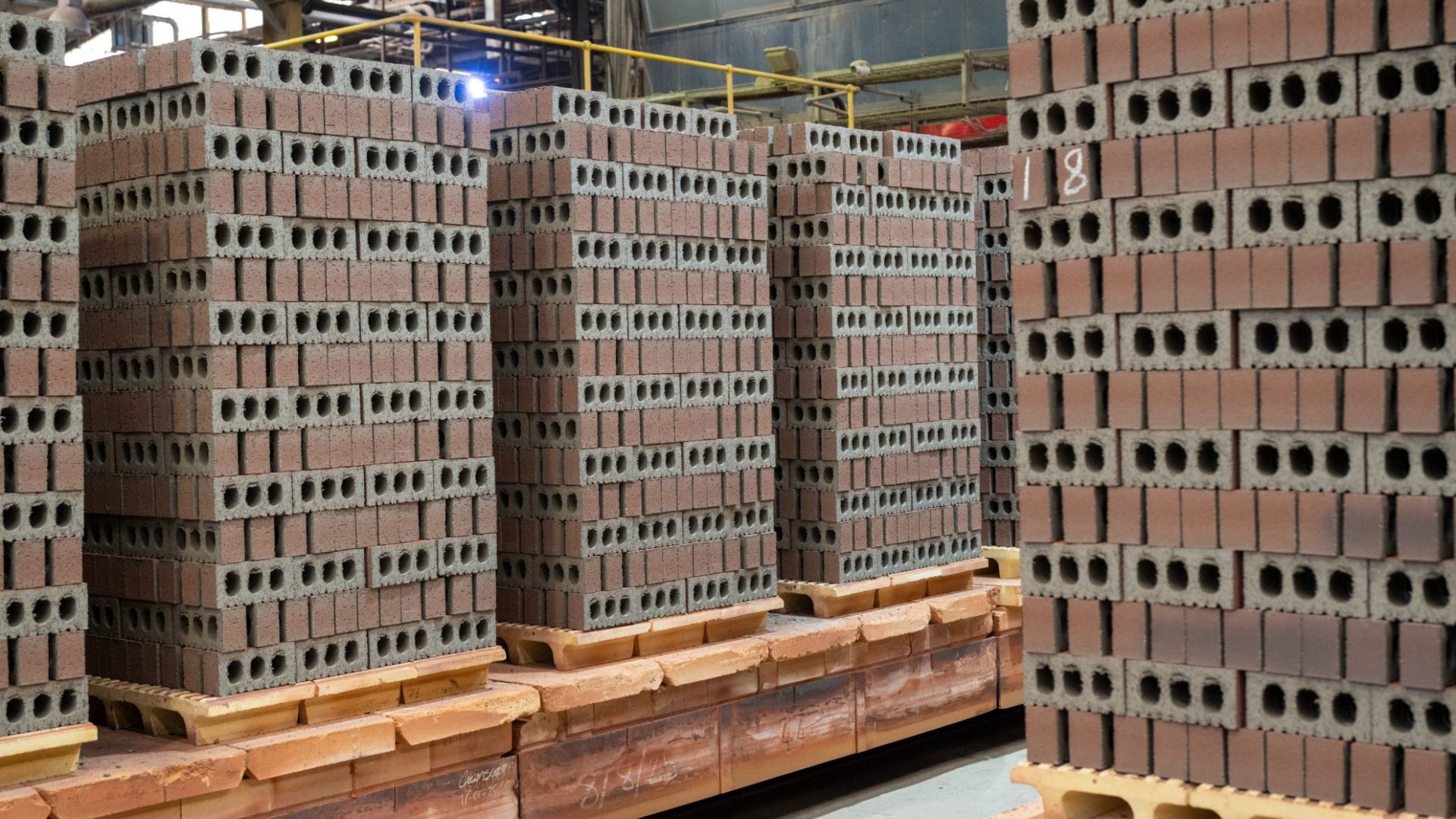
The first commercial-scale hydrogen-powered brick factory will be established.
-
Goodbye to the noisy exhaust fan: silent and smart technology transforms modern kitchens with more comfort, design, and efficiency in everyday life.

The Hotspot and Supereruptions
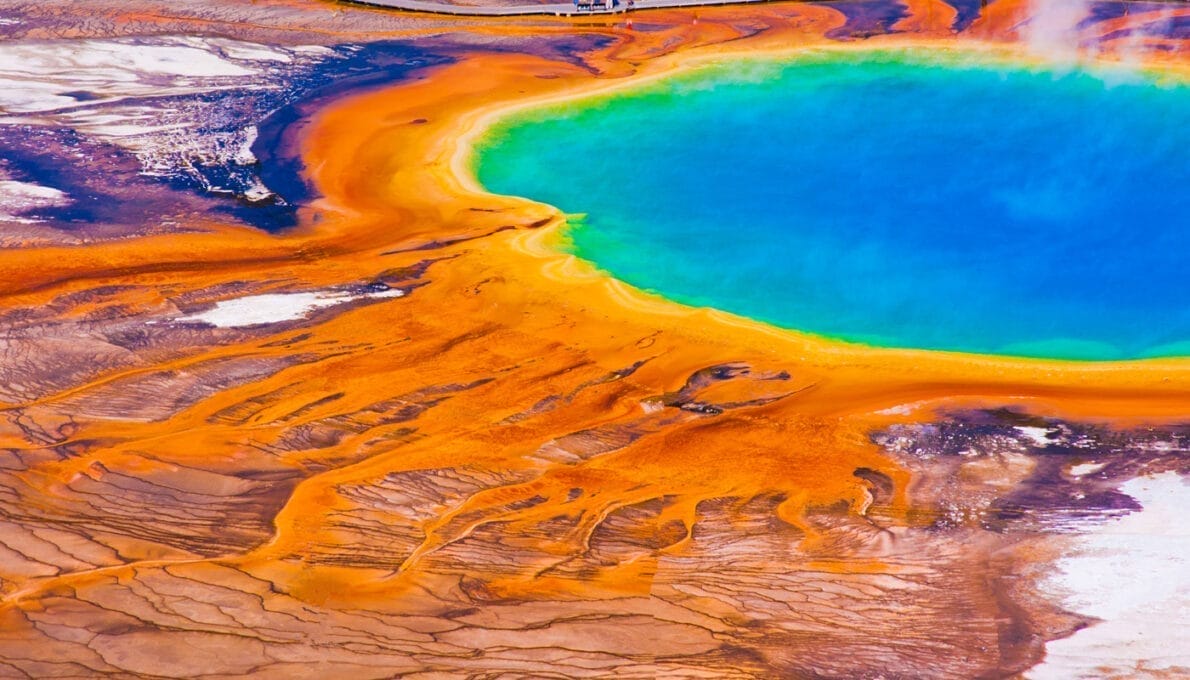
Yellowstone is located on top of a hotspot, a region where the Earth’s mantle is exceptionally hot. This heat melts the rocks, forming a magma chamber beneath the surface. Over the years, the Yellowstone hotspot has produced several supereruptions, the most recent occurring 640,000 years ago. These eruptions are so powerful that they cause the formation of volcanic calderas capable of destroying mountainous areas.
Constant Monitoring and Old Faithful Geyser
To understand and predict volcanic activity in Yellowstone, scientists monitor the soil and the magma chamber. Cracks in the ground, such as the famous Old Faithful Geyser, indicate internal movements. Additionally, seismic monitoring and the inflation of the magma chamber are essential for detecting any signs of awakening of the sleeping giant.
Respect for Nature and Prevention: The Giant Volcano of Yellowstone
Volcanoes are truly fascinating, but they also pose significant risks. The Yellowstone Volcano is a reminder of the Earth’s power and the importance of respecting nature. Constant monitoring is crucial to prevent catastrophic events. Therefore, while we admire the beauty of Yellowstone National Park, we must remember that beneath our feet, the Yellowstone Volcano remains vigilant, ready to awaken at any moment.
And you? Have you been or would you dare to visit this park? Let us know in the comments!




-

-

-

-

10 pessoas reagiram a isso.