






 Portuguese
  Spanish
  3 min of reading
  0 comments



The Mystery of the “Void” in the Center of the Country and the Population’s Preference for the Coast. Why Do Most Americans Prefer to Live on the Coast and the Center of the U.S. Remains Practically Empty?
The United States, one of the most influential and diverse nations in the world, exhibits an intriguing demographic phenomenon: the majority of its population is concentrated on the east and west coasts, while vast areas of the center of the country remain virtually uninhabited. This pattern of distribution is particularly notable considering that the U.S. is the fourth largest country in the world in terms of area, covering approximately 6% of the global land mass, according to a video from the Incrível channel.
The Inequality in Population Distribution in the United States
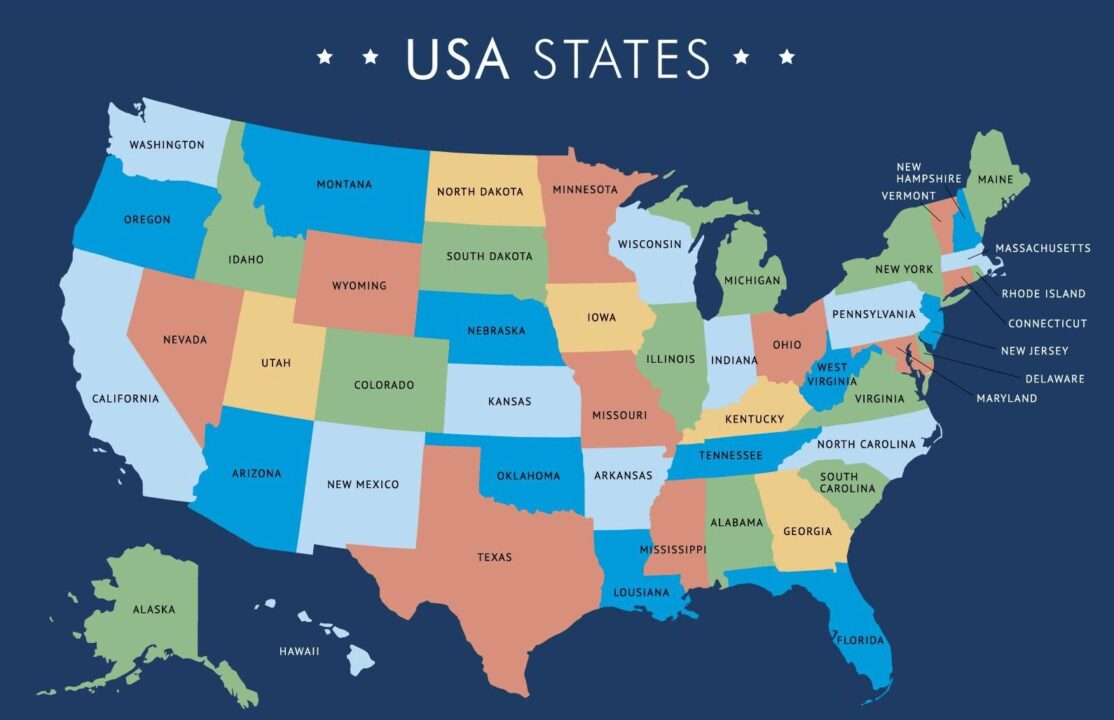
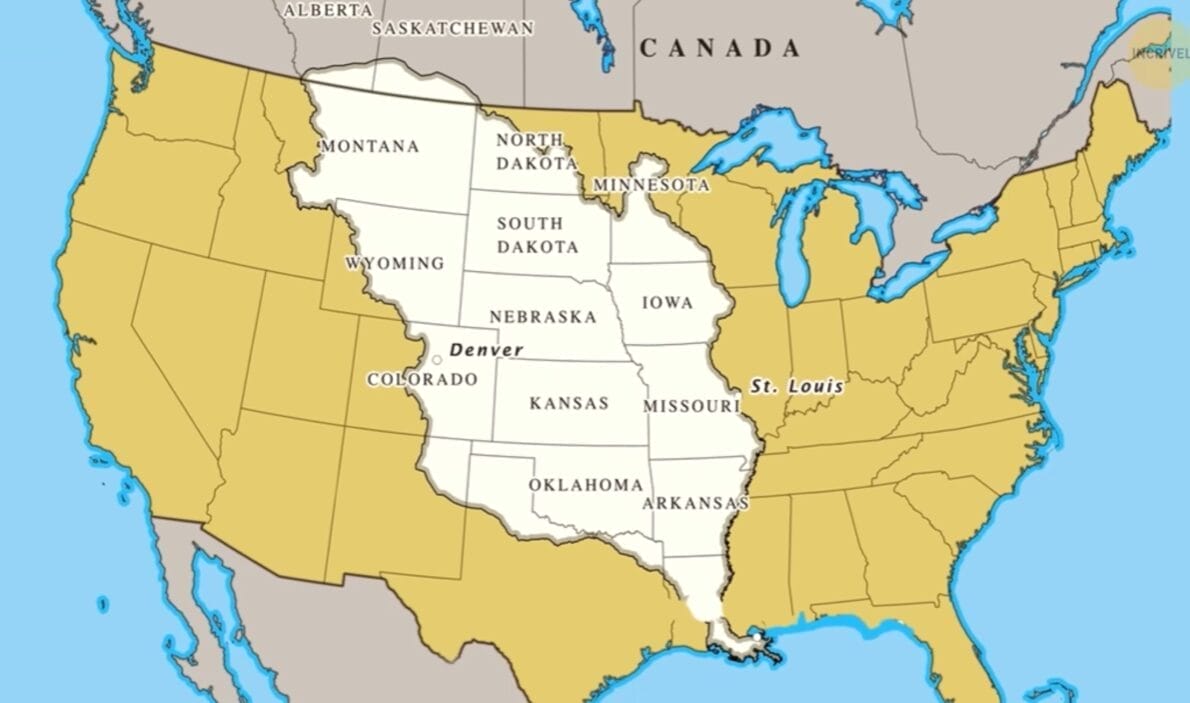
An analysis of population data reveals a significant inequality in the distribution of inhabitants in the U.S. Approximately 80% of the population lives east of an imaginary line that divides the country from north to south, meaning that only one in five Americans resides west of this line. This disparity is evident in major metropolitan areas, such as Los Angeles, San Diego, and San Francisco, which are densely populated and attract a large portion of residents.
The center of the country, known as the “underpopulated belt,” covers a vast area, equivalent to twice the size of California, but represents only 1% of the total U.S. population. This phenomenon raises the question: why is the center of the United States so sparsely populated?
-
Ukraine launches largest drone attack on Moscow since 2022, Russia claims to have intercepted nearly 200 aircraft near the capital, Kapotnya refinery targeted again, and offensive reignites alert about war reaching the Russian energy heart just a few kilometers from the Kremlin.

-
Truck drivers, freight, and fines from 2022 take center stage in politics: Chamber approves MP with amnesty, mandatory tracking by CIOT, million-dollar penalties, and new minimum wage for those who spend more than 24 hours on the road.

-
China off the radar: US plans mega $30 million weapons depot in Australia, out of reach of most Chinese missiles, with full capacity expected by 2028

-
Trump’s wall advances at a rapid pace: government promises to complete a barrier of over 3,000 km by 2027 while drones and cartels turn the US border into a new field of technological dispute


Historical and Economic Impacts
The uneven distribution of the population can be attributed to historical and economic factors. The early economic development of the U.S. was heavily influenced by westward expansion, but the concentration of infrastructure and economic opportunities along the east and west coasts established a pattern that persists to this day. Major financial and industrial centers located in these regions attracted people seeking job opportunities and a better quality of life.
Populous Areas of the United States
The climate also plays a crucial role in the low population density of the central U.S. The region is characterized by an arid and extreme climate, with scorching summers and harsh winters. The Rocky Mountains, located to the east of this vast region, contribute to creating an environment less favorable to agriculture, with sharp temperature changes that make everyday life less comfortable.
A lack of natural resources and the difficulty in maintaining sustainable agriculture are also important factors. While coastal areas, such as California, face similar challenges with dry weather, advanced engineering, including an extensive network of irrigation canals and aqueducts, has allowed around 40 million people to settle in California, making it the most populous state in the U.S.
In The Future… Will This Change?
Although the current pattern of population distribution in the United States is the result of a complex interaction between climatic, geographical, and historical factors, it is possible that changes in the future may alter this dynamic. Technology and innovation in the field of climate engineering and construction may eventually make the central regions of the country more livable and attractive.
In summary, the concentration of the U.S. population on the coasts and the emptiness of the center of the country reflects a series of interconnected factors. The interaction between the natural environment and human needs has shaped how Americans have distributed themselves across the territory, offering a fascinating glimpse into the complex relationship between humanity and the environment.




-

1 person reacted to this.