





 Portuguese
  English
  Spanish
  3 min of reading


The Return of Any Strengthening Strategy for the National Bank for Economic and Social Development (BNDES) May Lead to a Reduction in the Effectiveness of Monetary Policy and Still Be Another Negative Element for the Challenges of the Central Bank (BC).
“The impact of operations with subsidized rates will be greater or lesser depending on the volume of resources (that will be offered by BNDES)” said the former director of the BC and now member of the board of BRF, Engepar, and Cielo, Aldo Mendes.
“If the volume of subsidized credit is significantly increased, there will be a reduction in the power of monetary policy, and this will require higher real interest rates,” stated the former president of the BC and now chairman of the board at Jive Investments, Luiz Fernando.
In the last two weeks, there have been several statements from government members with the intention of expanding operations at this development bank, with the new CFO of BNDES, Alexandre Abreu, signaling the possibility of the bank adjusting the disbursement volume from 0.7% of the Gross Domestic Product (GDP) to something around 2% of GDP.
-
Electrolux surprises, closes colossal factory and lays off 400 people in a mass dismissal that will have a direct effect later this year, following a cost review, with an impact of R$ 272.5 million and R$ 109 million in cash in Chile.

-
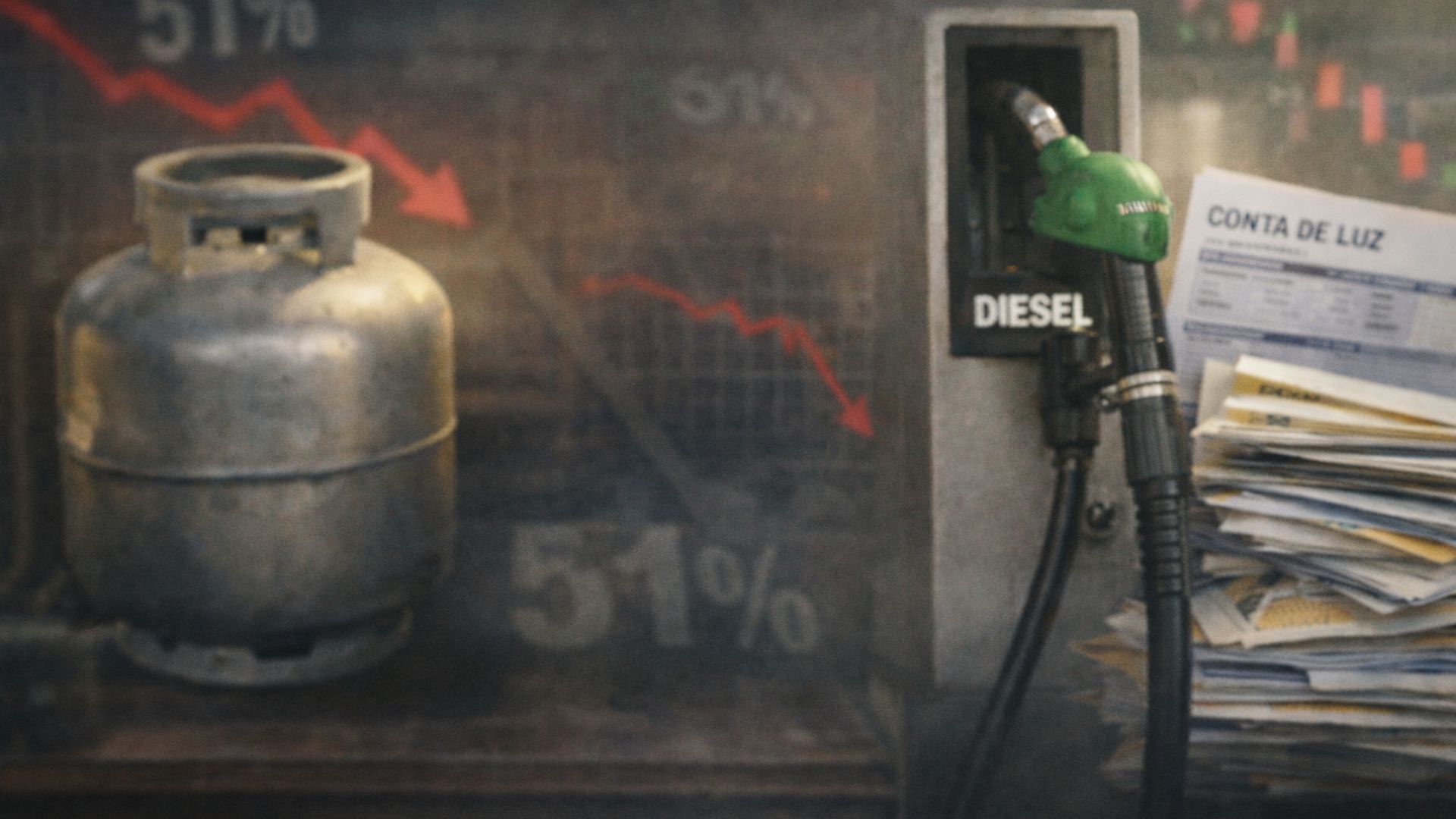
The Lula government is pursuing re-election and is therefore preparing a package with discounts of up to 80% on debts, subsidies for diesel, gas for 15 million, and energy, after reaching 51% disapproval six months before the election.
-
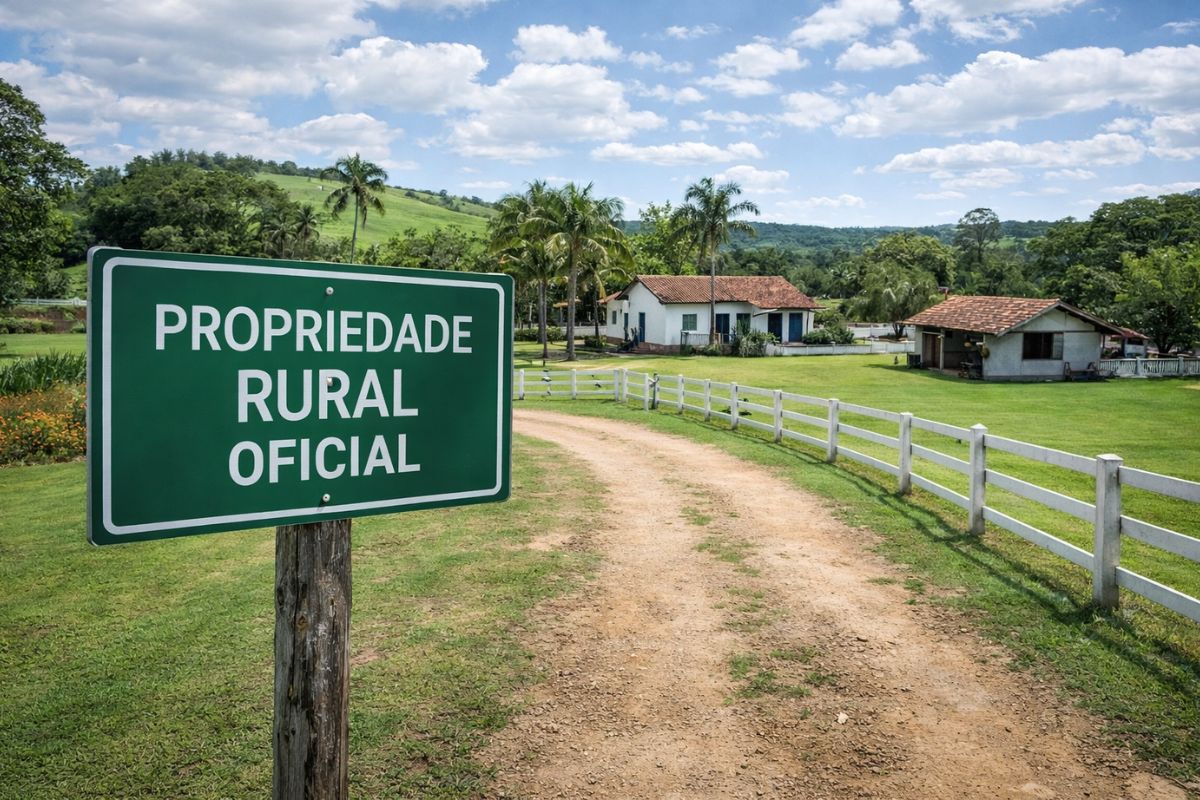
The chamber approves a project that transforms plots of up to 2,000 square meters into official rural properties, allowing thousands of small producers who were invisible to the government to now access credit, tax exemptions, and technical assistance.
-
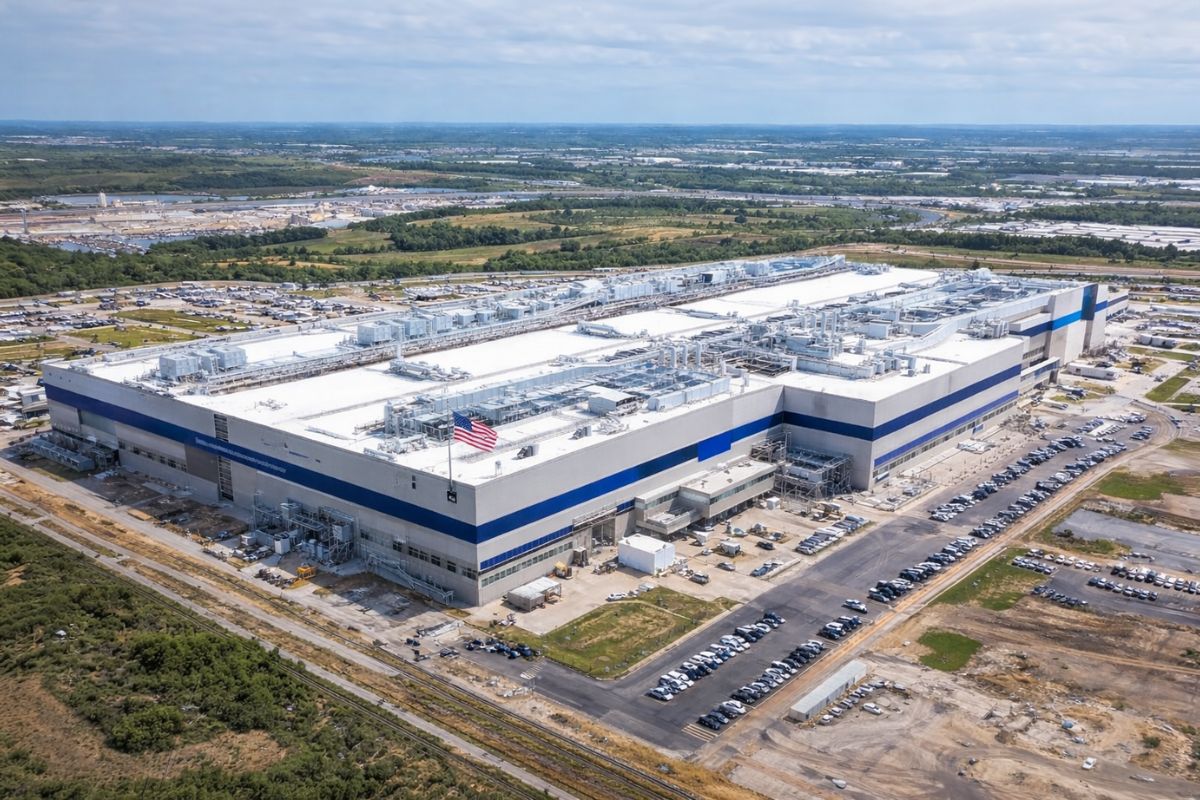
Factory 52, in the USA, cost over $5 billion, covers 270,000 square meters, and manufactures cutting-edge chips: it was named Project of the Year by the world’s largest engineering magazine, marking the global race for semiconductors.
BNDES: Partnership Between Brazil and Germany


The new president, during his first trip abroad as head of state, also stated that the development bank will resume financing engineering projects to help Brazilian companies overseas.
Selic Rate
Credit is one of the main channels through which monetary policy affects economic prices, as changes in the Selic Rate further impacts borrowing costs, inhibiting all investment and consumption.
However, the size of the entire subsidized credit portion alters the reach of monetary policy. According to another former BC member, who preferred to remain anonymous, one of the significant risks would be a change in the current rate charged on BNDES financing, the Long-Term Rate (TLP), back to the previous Long-Term Interest Rate (TJLP), which was still set by the government. Thus, if the bank raises funds at market rates and still lends all this funding at a lower interest rate like it used to with the TJLP, this difference would have to be covered by the National Treasury.
BNDES director Abreu stated that one of the paths is the combination of international fundraising with lower rates and domestic fundraising with higher rates. The utilization of resources from the Worker Support Fund (FAT) could also bring the TLP even closer to the Selic rate.
Figueiredo also asserted that, when BNDES reduced its financing activities for large companies using all the subsidized money, there was still a positive reflection on the entire monetary policy. “This helped to have a longer period with very low interest rates,” he affirmed.







Seja o primeiro a reagir!