





 Portuguese
  English
  Spanish
  4 min of reading
  0 comments


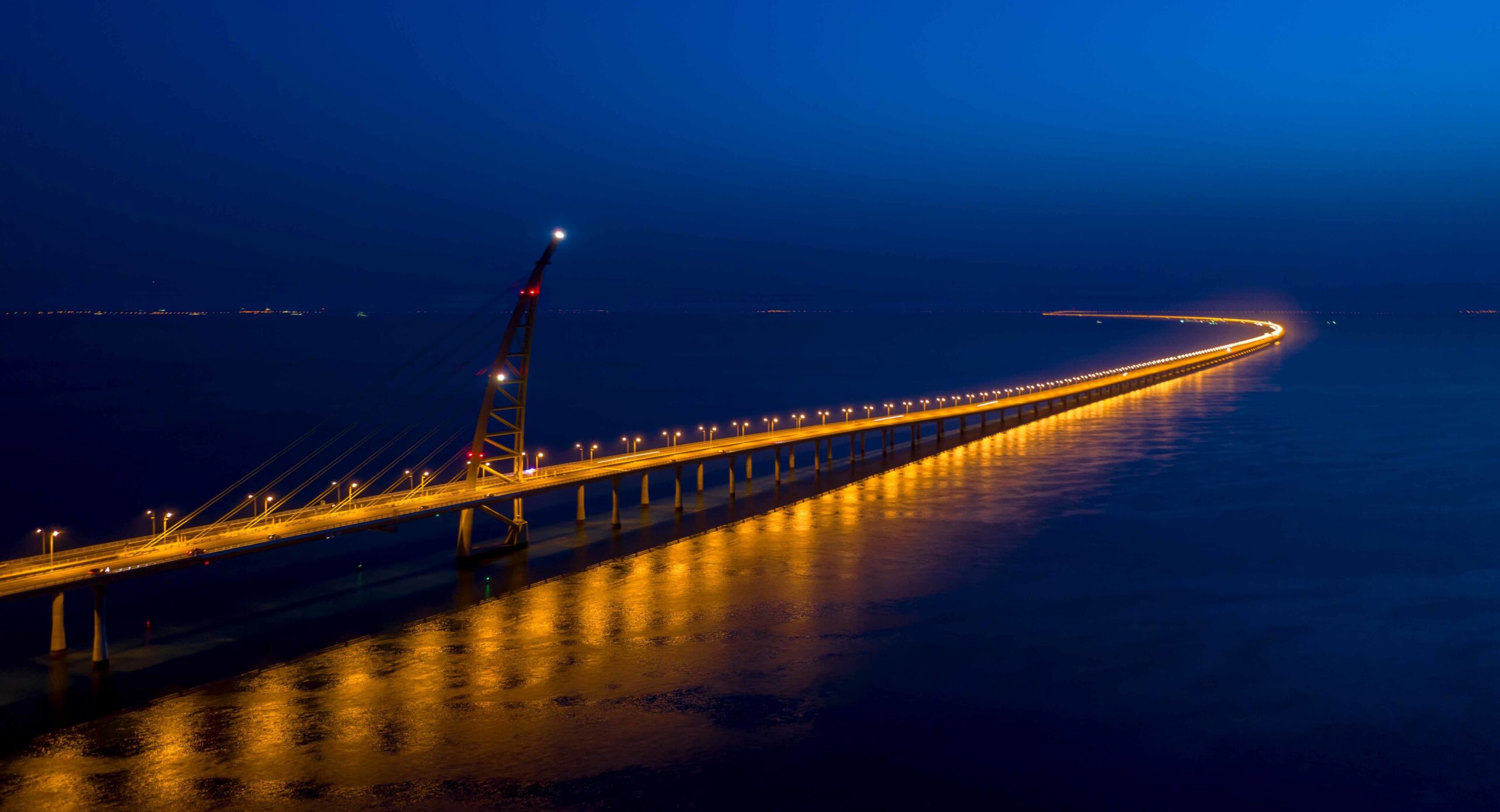
With 48.5 Km and a Cost of US$ 3.6 Billion, the Sheikh Jaber Causeway Erected an Elevated Road Over Wetlands and Sea, Redefining Road Engineering in the Gulf.
In Kuwait, a country marked by arid terrain, flooded areas, and extreme weather, engineering had to operate at an uncommon level to enable a strategic roadway connection. The result was the Sheikh Jaber Al-Ahmad Al-Sabah Causeway, an elevated road approximately 48.5 kilometers long, built to connect Kuwait City to the northern region of the country, drastically shortening trips that previously required lengthy land detours.
More than just a simple bridge, the project functions as a continuous roadway system over water and unstable soil, requiring repetitive structural solutions on a massive scale.
Why Were Thousands of Piles Needed?
The road layout crosses wetlands, shallow coastal stretches, and transition zones between sea and desert, where the soil does not provide sufficient load-bearing capacity for conventional structures.
-
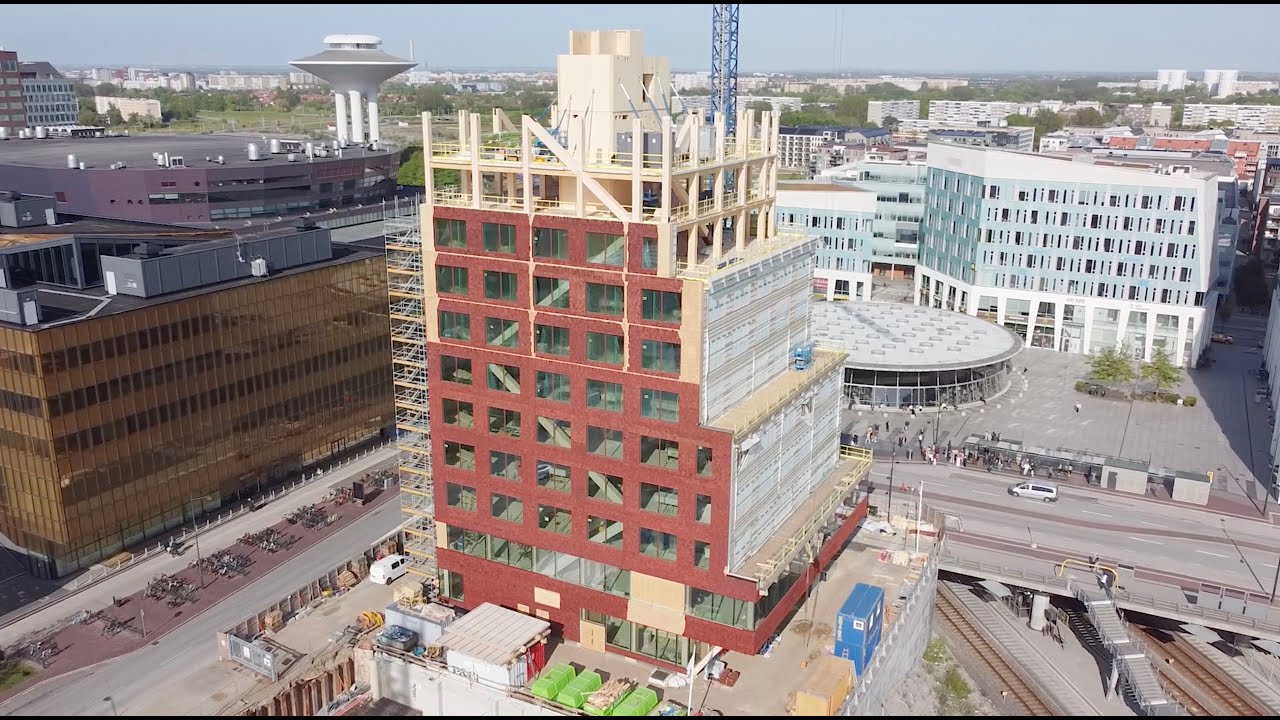
In Sweden, a 51-meter tower was built almost entirely of wood, without a concrete structural core and with solar panels integrated into the facade, using CLT and laminated beams to challenge the dominance of steel and concrete in modern buildings.
-
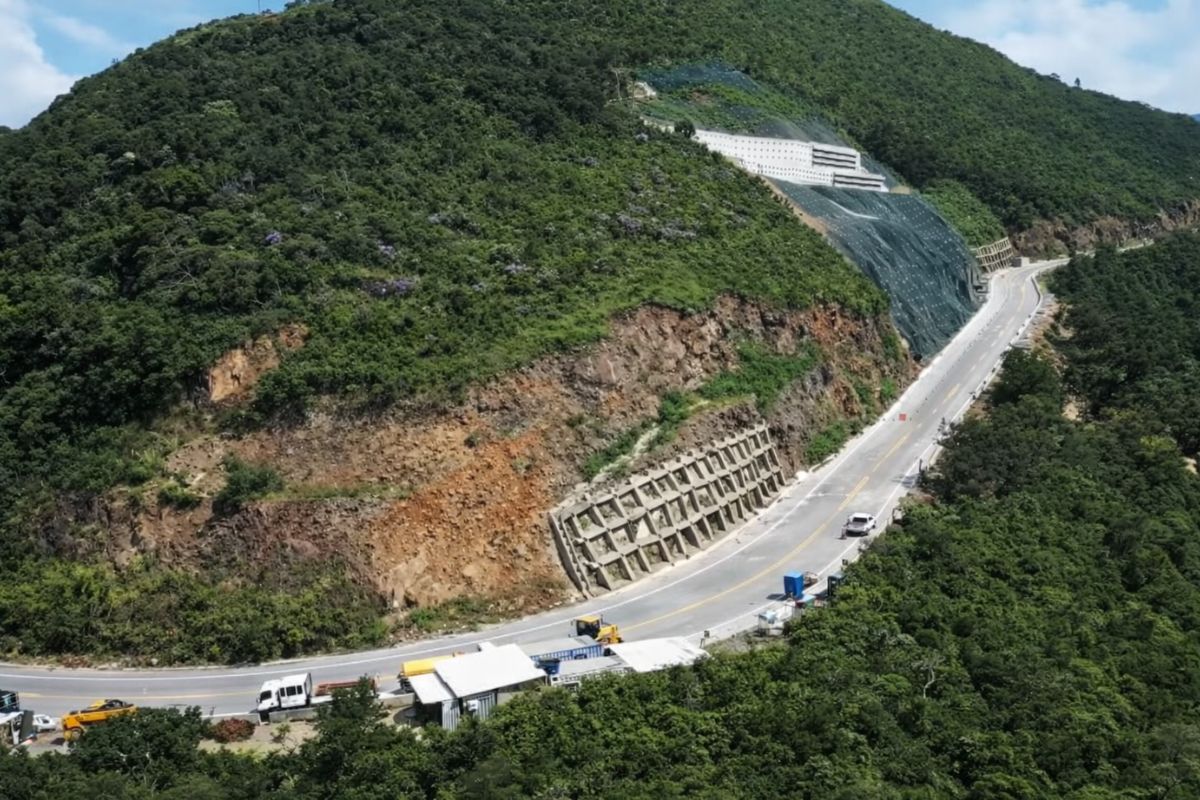
The section of Serra da Rocinha on BR-285 is now open in Timbé do Sul: 50 m tensioned curtains and top-down technique stabilize the slope, with a stairway duct controlling the water.
-
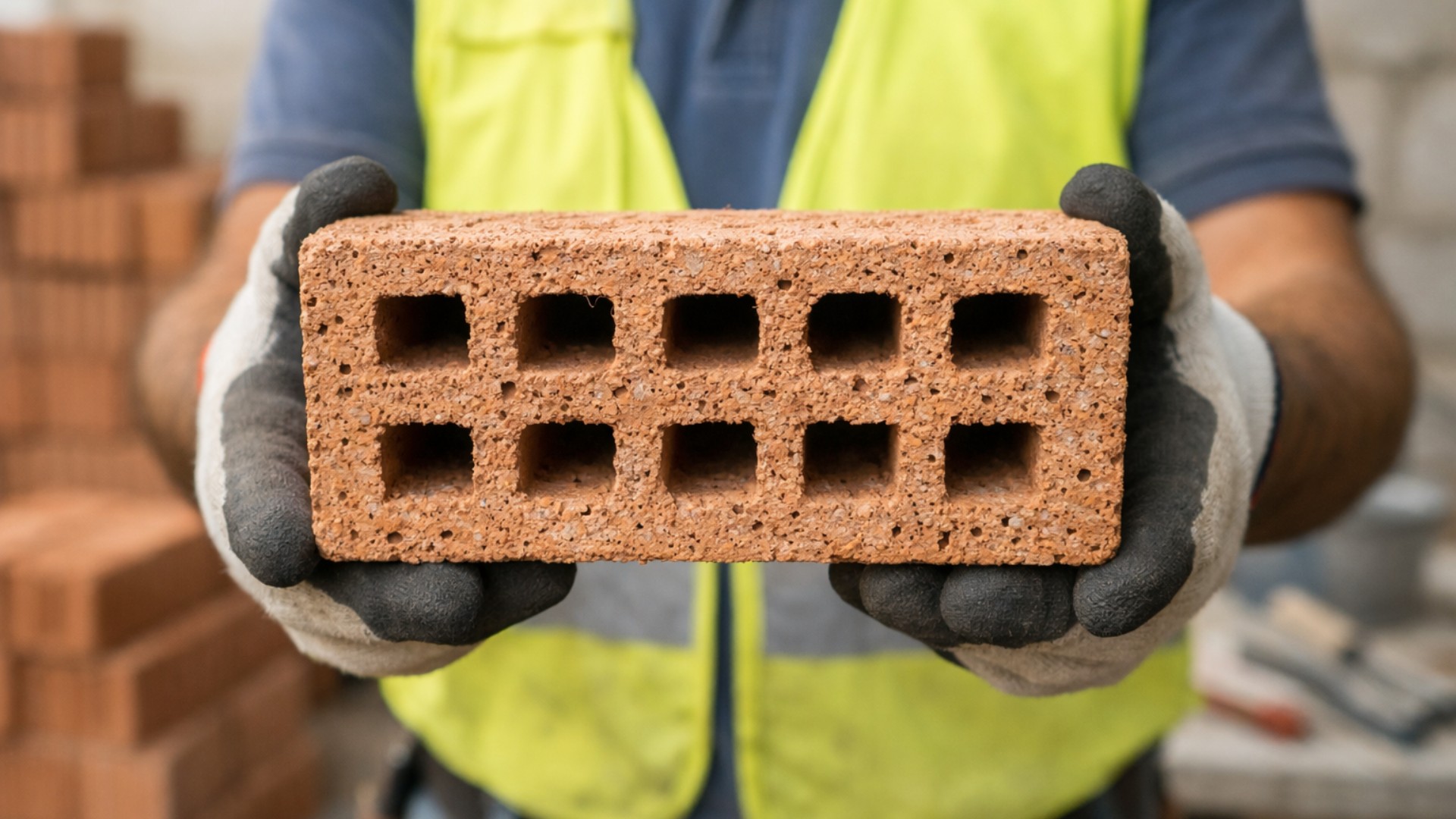
Scientists use sawdust mixed with clay to create a lighter brick, promising efficient thermal insulation and impressing by transforming waste into a solution for construction.
-
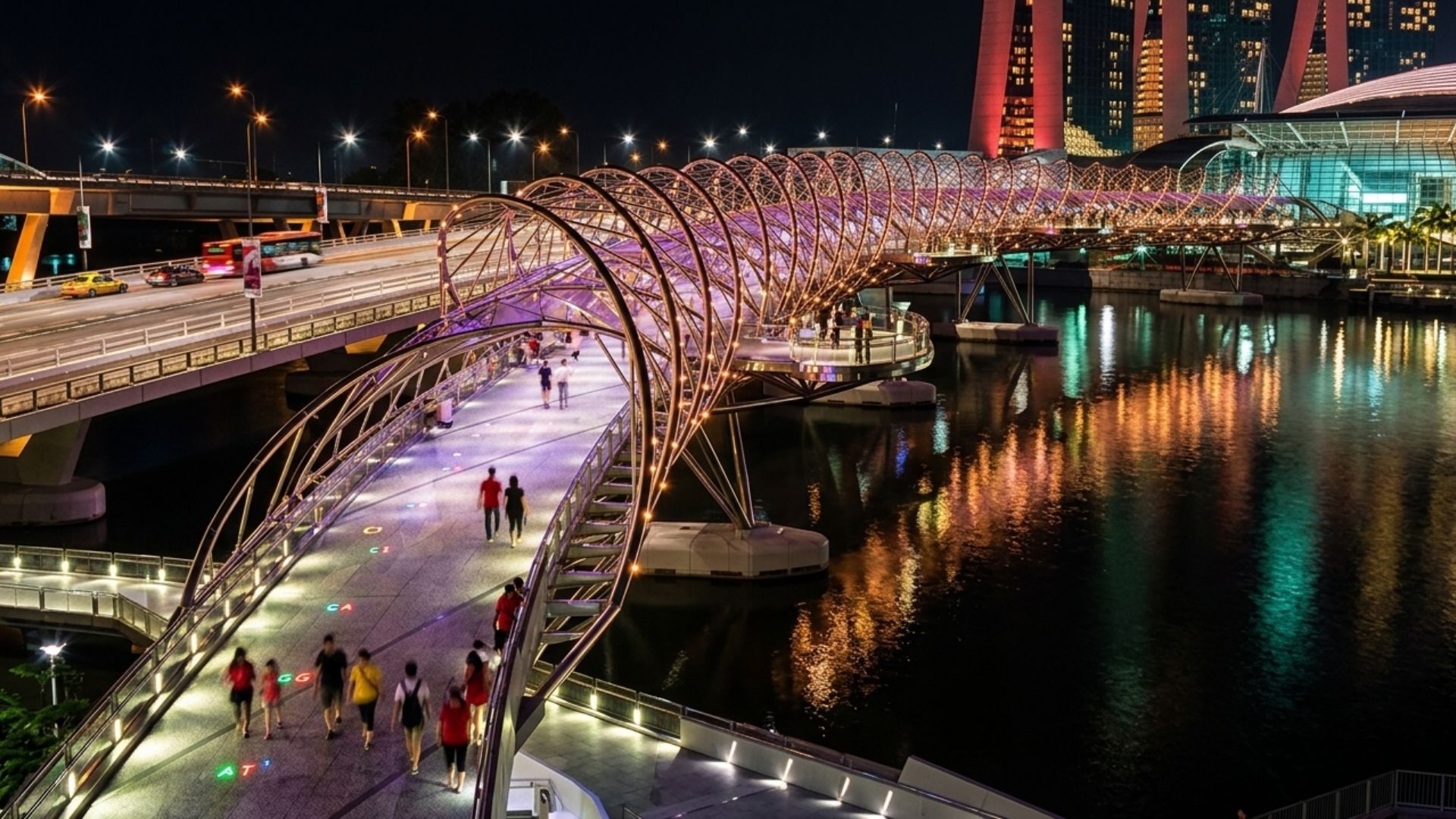
With a DNA shape, this bridge in Singapore draws attention in modern architecture and surprises tourists by transforming a simple crossing into an unforgettable visual experience in the urban heart.

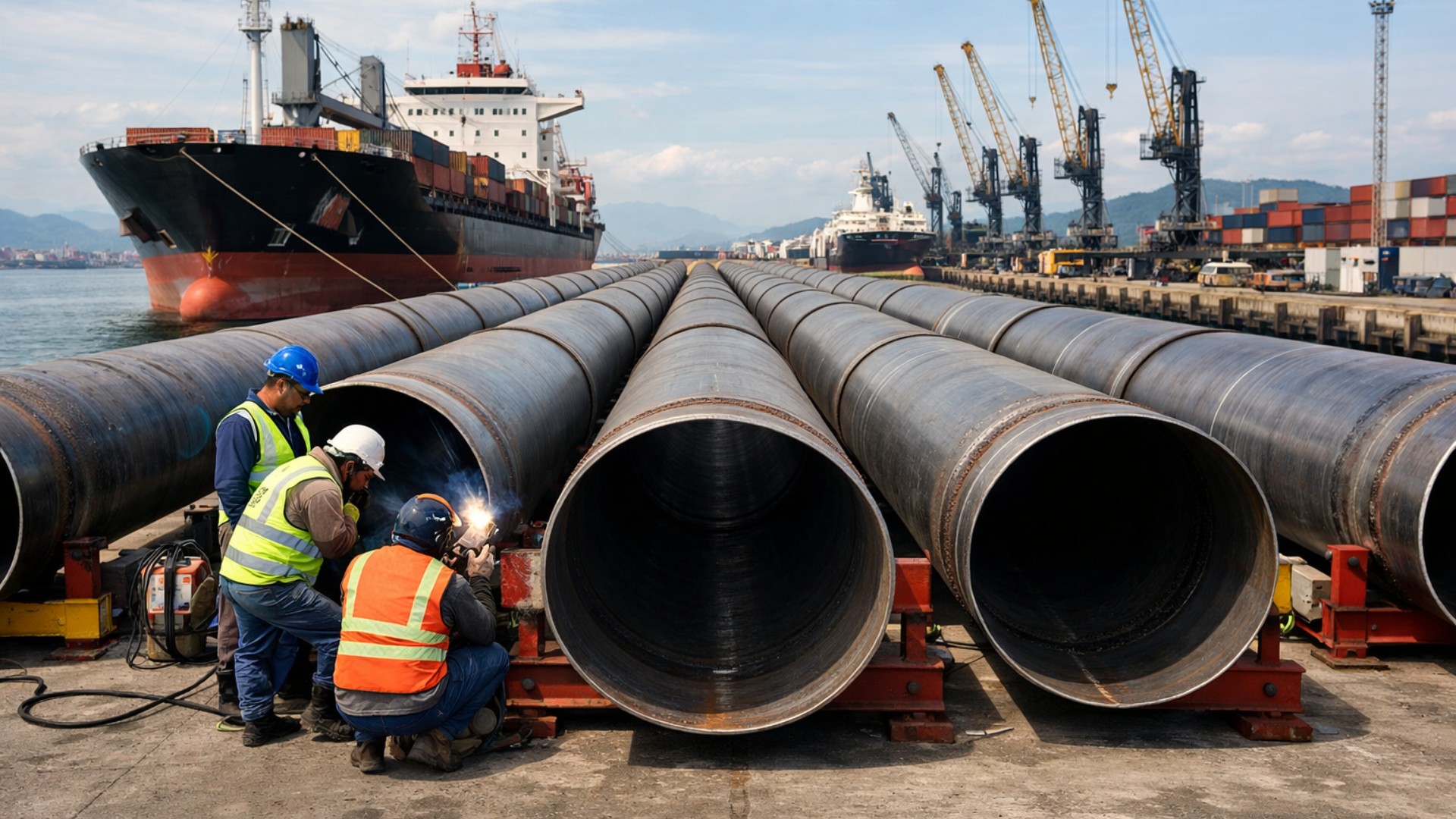
The adopted solution was to drive thousands of reinforced concrete piles into the ground, reaching more stable layers to support the elevated deck.
Each pile functions as an independent support point, allowing the structure to distribute weight over dozens of kilometers, reducing the risks of differential settlement and ensuring stability even under extreme temperatures, which can easily exceed 45 °C in the summer.
Repetitive Engineering on an Industrial Scale
Unlike iconic bridges with large suspended spans, the Sheikh Jaber Causeway impresses with its continuous repetition of structural elements.


The construction method was designed to function almost like a production line: standardized piles, pre-cast concrete segments, and sequential assembly along the layout.
This model allowed for accelerated execution, cost control, and technical rigor throughout the entire extent, which was essential for a project that could not fail in just one section without compromising the whole.
US$ 3.6 Billion Invested in Strategic Infrastructure
The estimated cost of the project is around US$ 3.6 billion, placing it among the most expensive roadway infrastructures ever built in the Middle East.
This investment is not limited to visible concrete. It includes deep foundations, marine corrosion protection, drainage systems, signage, urban access, and integration with the existing road network.
In coastal regions of the Gulf, the aggressiveness of the environment — salinity, intense heat, and sand-laden winds — demands special materials and planned maintenance from the initial design.
Resistance to Extreme Weather and Marine Environment
One of the biggest challenges of the project was to ensure durability in a hostile environment. The concrete used needed to receive specific additives to resist corrosion caused by saltwater and constant moisture. The internal reinforcements were designed for an extended lifespan, reducing the risk of premature degradation.
Furthermore, the structure was sized to withstand severe thermal variations, which cause constant expansion and contraction throughout the day and across seasons.
Direct Impact on Mobility and Economy
Before the construction of the elevated road, traveling between the capital and northern Kuwait required long and congested routes. With the Sheikh Jaber Causeway, travel time was significantly reduced, facilitating the transport of people, goods, and services.

In practice, the project acts as a development axis, integrating underexplored areas into the urban center and creating new possibilities for logistical and real estate expansion.
Comparison with Other Megastructures Around the World
Although it is not the longest bridge on the planet, the Sheikh Jaber Causeway stands out when the criterion is continuous span over water and unstable soil, supported by repetitive piles.
Few structures worldwide combine nearly 50 km of length with this type of foundation in such an aggressive environment.
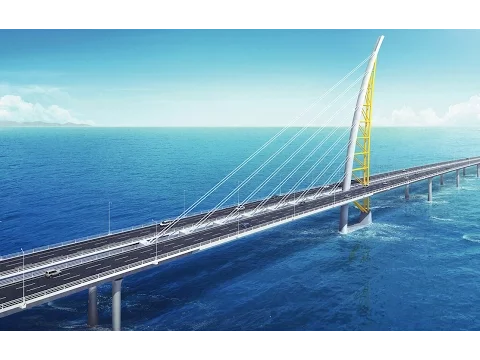
It joins a select group of infrastructures that do not impress due to a single isolated record, but by the combination of numbers, the costs involved, and the territorial transformation they provoke.
A Work that Symbolizes Gulf Engineering in the 21st Century
The elevated road in Kuwait is a clear example of how Gulf countries have begun to invest heavily in large-scale infrastructure, using repetitive engineering, massive volumes of concrete, and long-term planning to overcome natural limitations.
In the end, the Sheikh Jaber Al-Ahmad Al-Sabah Causeway is not just a road. It is a demonstration of how modern engineering can transform desert, wetland, and sea into a single continuous roadway axis, supported by billions of dollars, thousands of piles, and a technical precision that operates on a nearly continental scale.








-

-

-

-

-

-

26 pessoas reagiram a isso.