





 Portuguese
  English
  Spanish
  4 min of reading
  0 comments


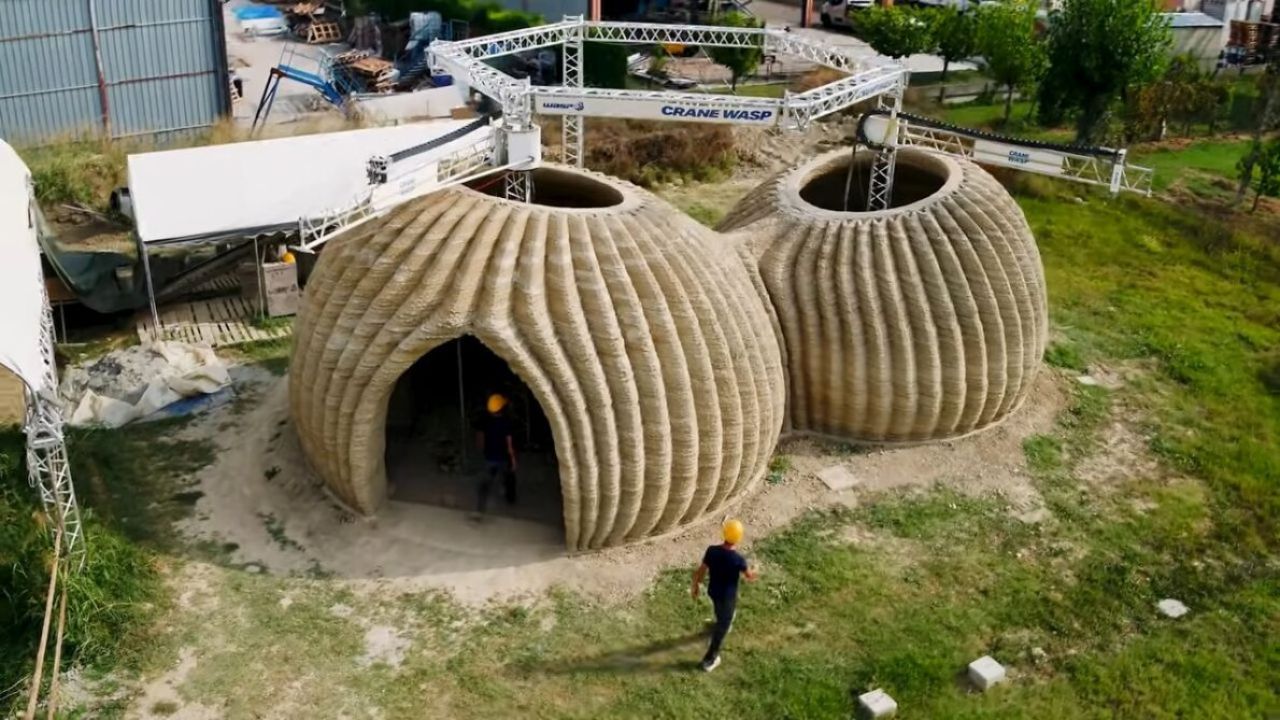
Discover the Future of Construction: 3D Printed House for Under a Thousand Dollars and Almost No Labor, Combining Economy and Sustainability
In recent years, 3D printing technology has revolutionized various sectors, and the construction industry is no exception. An inspiring example is the Tecla project, located near the city of Ravenna, Italy, which features the world’s first clay house created using 3D printing.
But what if we told you that it is possible to literally print a clay house that is everywhere and free at the same time? The cost of such construction will not exceed the price of an average iPhone.
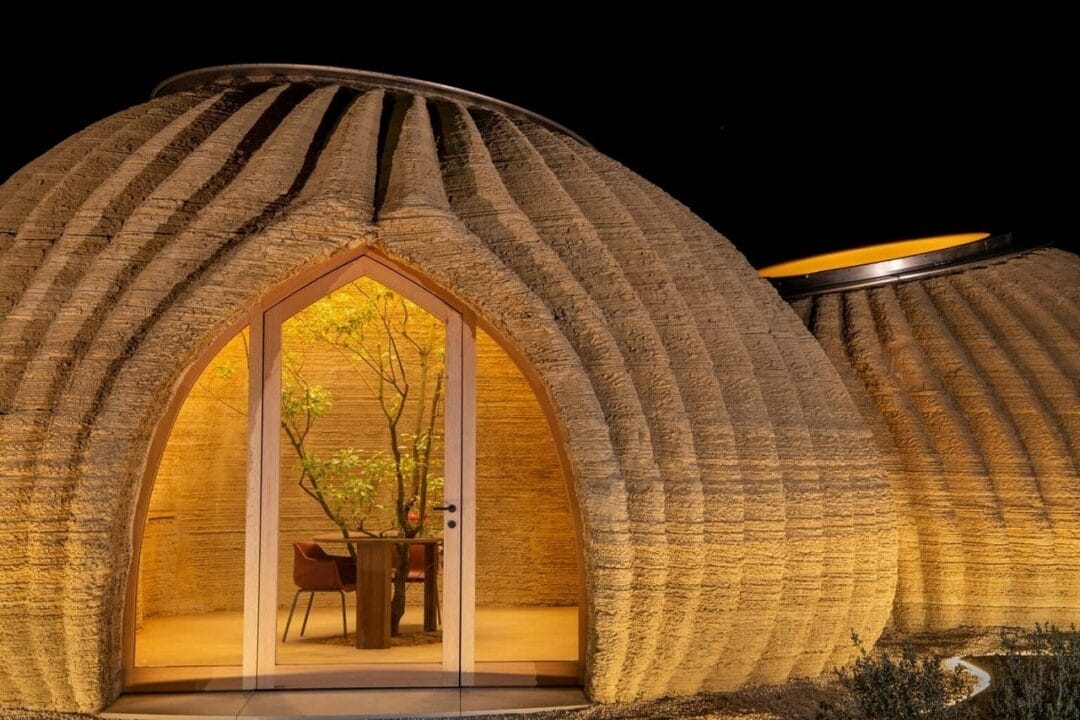
The Tecla Project: An Innovation in Construction
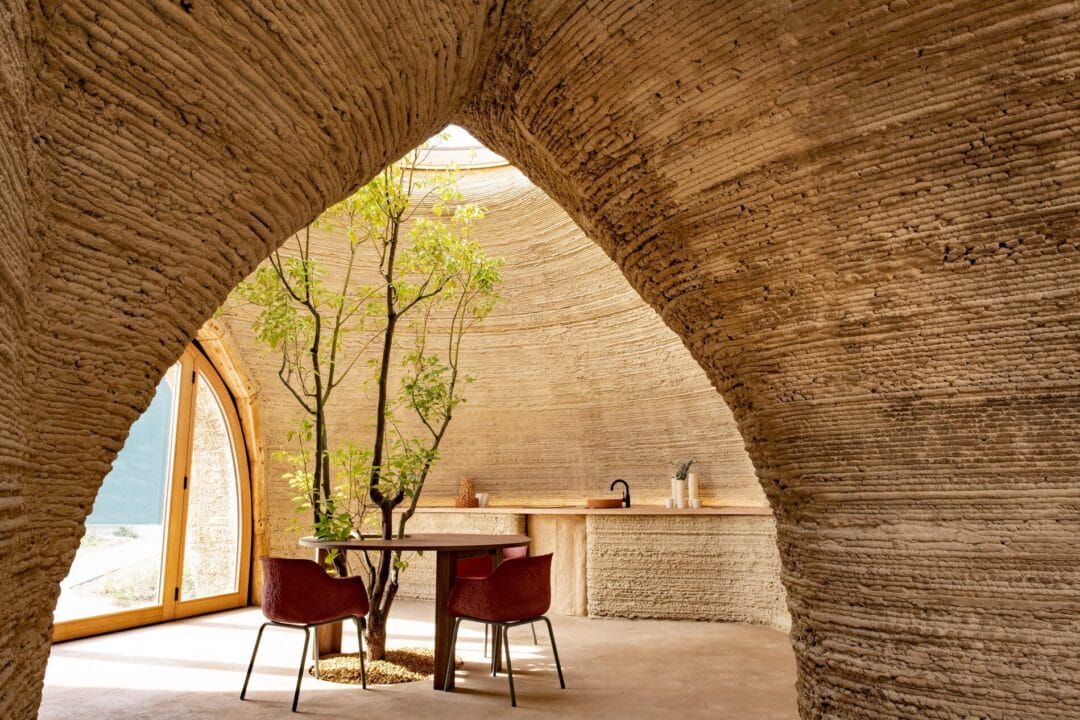
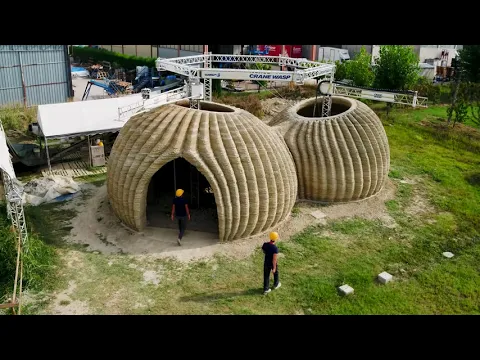
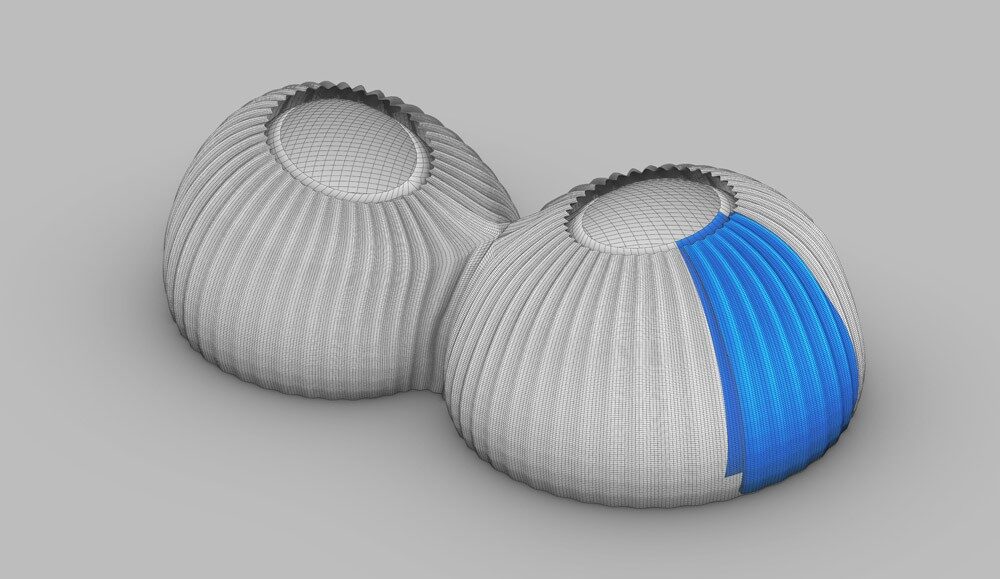
The Tecla project consists of two interconnected dome-shaped elements, featuring a ridged outer wall made up of 350 layers of stacked clay. This method of placing building material not only provides the structure with the necessary strength but also helps create a thermal barrier between the interior spaces and the street.
-
Woman enters abandoned houses for 16 years that no one dared to visit: beautiful project and logical layout, interior mold-free, possible resort; after exploring, decides to buy everything for €32,000 and surprises the entire village.

-
Simple 2-bedroom house: a study of the construction sector reveals the real cost that few expect and shows how strategic decisions can prevent losses and ensure significant savings in the dream of homeownership.
-
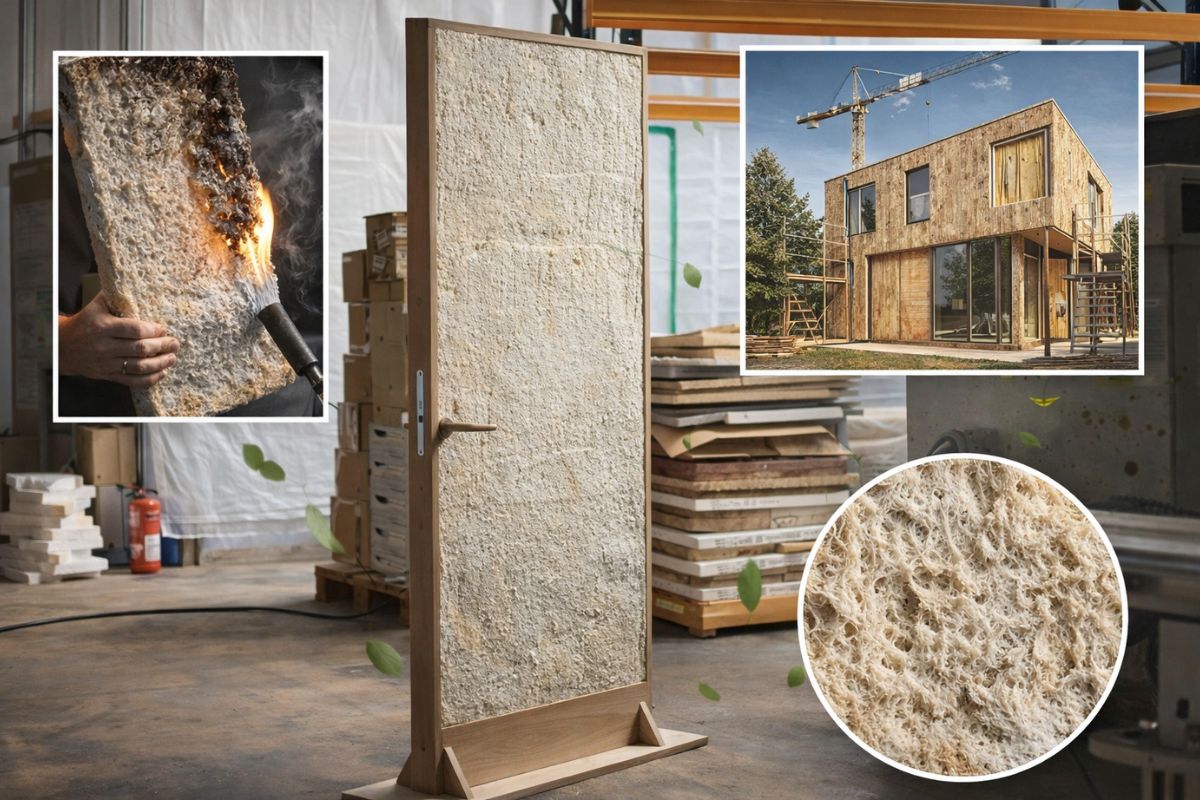
Danish company creates the world’s first door made from fungi that grows in just two weeks, is fire-resistant, and promises to replace traditional wood in construction with nearly zero environmental impact.
-
More than 1,500 Chinese workers transformed an entire railway station in just one night and reduced a 7-hour journey to 90 minutes with a high-speed line of 200 km/h.
The main material used to create the house was a mixture of local clay, water, rice husk fibers, and a binding agent that represents only five percent of the total mass of raw material. According to the company’s plan, similar structures could be easily created anywhere else on the planet using materials common to a given region.
The building, covering 200 square meters and 4.5 meters high, is composed of a living room, kitchen, and sleeping area. The house is also equipped with service rooms and a circular skylight in the roof.
Sustainability and Affordability
The cost of such a complex is around nine hundred dollars, which is not higher than the cost of an average iPhone. Thanks to this, even low-income groups, for whom housing is a particularly pressing issue, will be able to purchase clay houses. Additionally, the clay construction, with an average cost of less than a thousand dollars, will significantly increase demand in the global real estate market, especially considering that by 2030, 4 billion people with an annual income below three thousand dollars will require a sharp increase in the supply of affordable housing.
The Future of 3D Printed Clay Houses

With advancements in technology and the growing awareness of the importance of sustainability, it is possible that clay houses may become as popular as developers predict. After all, in addition to being affordable, they are sustainable and can be built using local resources anywhere in the world.
Robotic Technology and Automation in 3D Printing
One of the most innovative advances driving the construction of 3D printed houses is the use of robotics and automation in the construction process. The 3D printers used in this sector typically have robotic arms controlled by specialized software that follows a previously developed digital design. These systems can operate 24 hours a day without interruptions, significantly reducing construction time.
Furthermore, automation minimizes the need for human labor. In a sector that traditionally relies on many skilled workers, 3D printing allows a house to be built by a minimal team of operators who supervise the process, ensuring everything runs as planned.
Innovative Material: Concrete and Biopolymers
Although the Tecla project has stood out for its use of clay, other innovative materials are being explored in 3D printed constructions. One alternative is special concrete adapted for printing, which has a consistency that allows for continuous extrusion and rapid drying without losing structural strength. Large construction companies, such as the Danish firm COBOD, are experimenting with more sustainable concretes that can be printed quickly and accurately.
Another emerging material is the biopolymer, made from renewable resources like cellulose and starch. The use of biopolymers can enhance the sustainability of printed constructions while providing a more eco-friendly alternative to traditional materials like concrete and steel.
Reduction of Construction Waste
Conventional construction generates large volumes of waste, from leftover materials to discarded packaging. 3D printing, on the other hand, enables the creation of structures “on demand,” meaning it only uses the exact amount of material needed for each part of the construction. This not only reduces waste but also contributes to a more efficient economy of natural resources.
This “zero-waste construction” process also means that less debris goes to landfills, helping to reduce the environmental impact of the construction industry and promoting more sustainable practices.
The Future: Entire Cities Built with 3D Printers
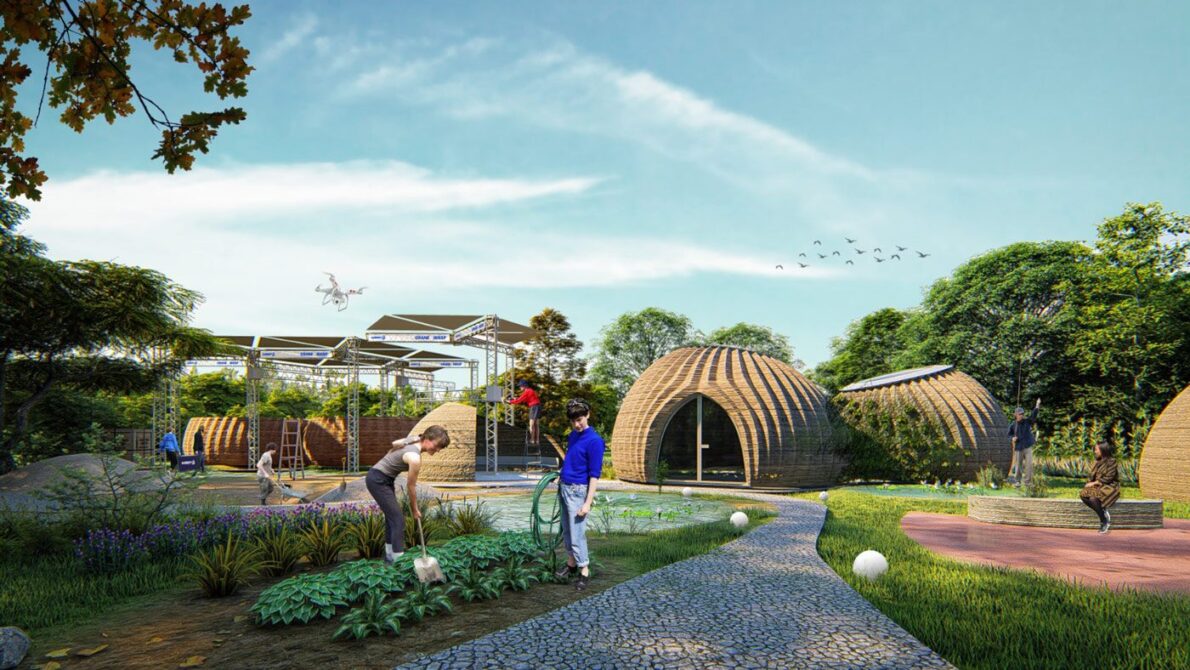
While printing isolated houses is already a reality, the future of 3D printing in construction is even more ambitious. In ongoing projects, such as the Apis Cor laboratory in the United Arab Emirates, the vision is that in a few years it will be possible to print entire neighborhoods, with houses, offices, and infrastructures entirely built with 3D printers.
These projects aim to not only accelerate the urbanization process in regions struggling with housing shortages but also make it more economical and ecological. Over time, 3D printing technology could transform the way we conceive and build cities, optimizing the use of space and material resources.
Do you believe that 3D printed clay houses are the future of sustainable construction? Share your opinion in the comments and stay tuned for more news in the world of science and technology.






Seja o primeiro a reagir!