





 Portuguese
  English
  Spanish
  4 min of reading
  0 comments



An ‘Insane’ Journey to the Center of the Earth: 6,370 km of Rock, Magma, and Heat Like the Sun
The Center of the Earth is the extreme limit of human curiosity: a point 6,370 kilometers deep, under pressure one million times greater than that at the surface and heat comparable to that of the Sun, where iron and nickel form a solid sphere that maintains the planet’s magnetic field and life possible on the surface.
Exploring the planet’s interior is an exercise in scientific imagination and precise data. The center of the Earth is beyond current human and technological reach, but its secrets have been revealed by seismographs, laboratory simulations, and geophysical models. This hypothetical journey to the planet’s core allows us to understand what sustains continents, oceans, and the invisible shield that protects the biosphere from cosmic radiation.
The First Stop: The Earth’s Crust
The journey begins at the crust, a thin layer that corresponds to the planet’s “shell.” Its thickness varies from 5 kilometers in the oceans to 70 kilometers beneath the mountains.
-
The village where two rivers run side by side without mixing in Santarém and Alter do Chão reveals some of the most beautiful freshwater beaches on the planet.

-
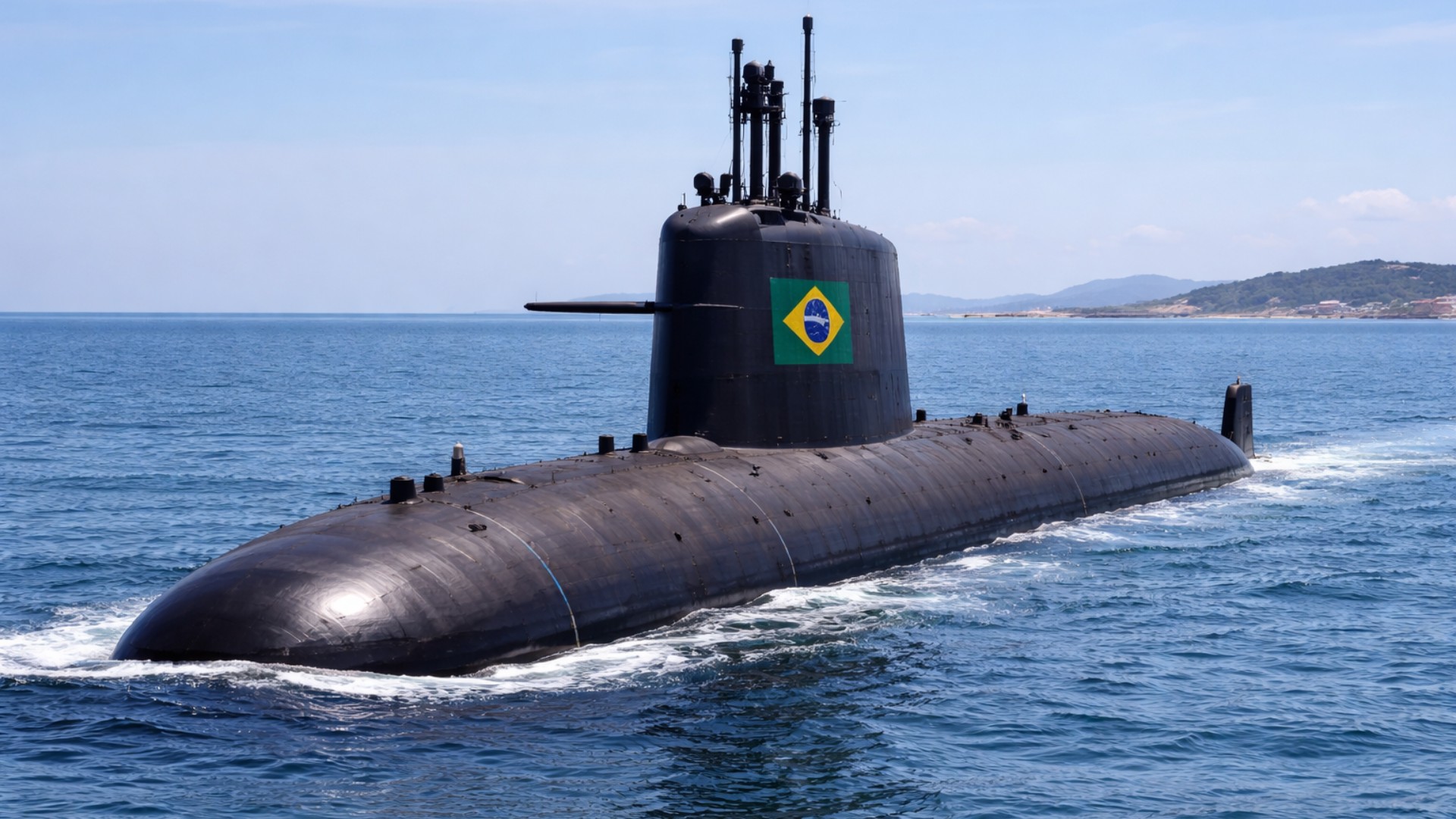
Brazil’s nuclear submarine with a speed 5 times greater than normal advances after nearly 50 years and R$ 40 billion spent.
-
A Brazilian island charges R$ 0.50 to receive visitors and prohibits any new residents.

-
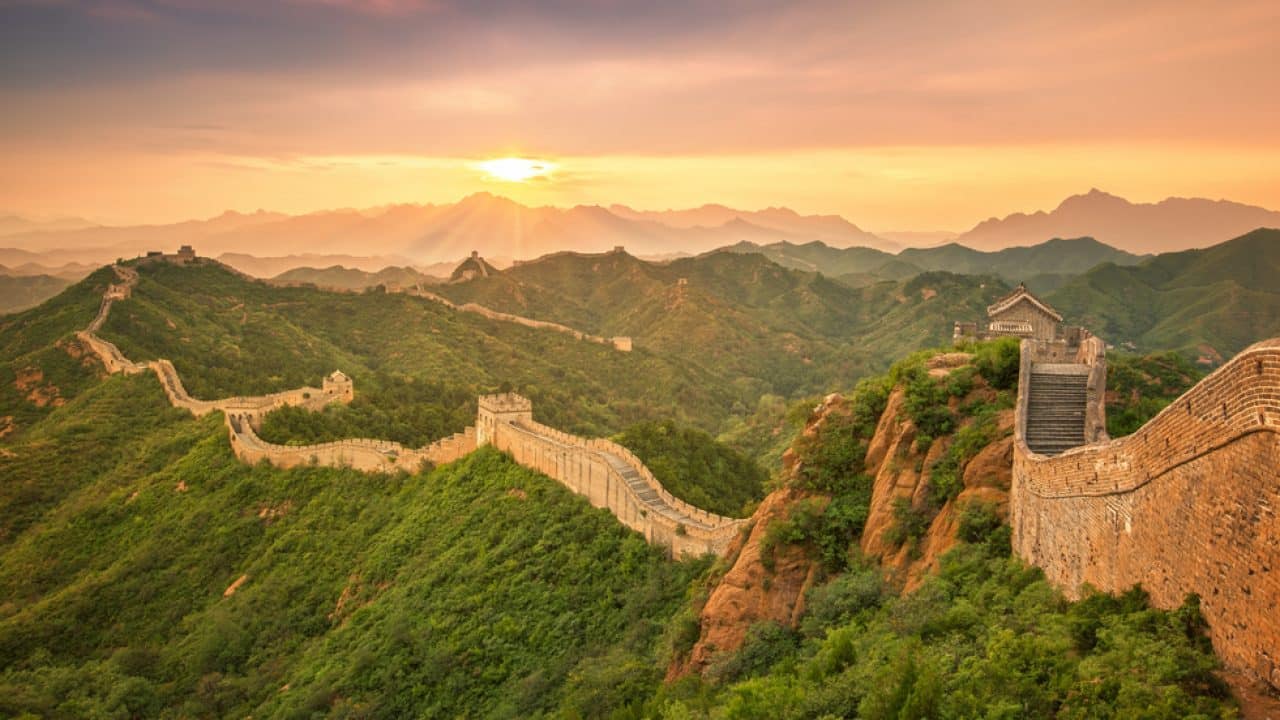
Why was the Great Wall of China built? The truth that many are unaware of!

It is here that all the minerals, rocks, and metals used by humanity are found, with an average age of 2 billion years.
The crust is divided into two main parts: the oceanic, formed by denser and younger basaltic rocks, and the continental, composed of granites and minerals rich in silicon, aluminum, and oxygen.
It is also in this layer that human activities occur, along with forests and the deepest roots of trees, some reaching 120 meters into the African soil.
The Transition to the Mantle and the Growing Heat
Just below the crust lies the mantle, the thickest layer of the Earth, nearly 3,000 kilometers deep.
Although solid, the mantle flows slowly, like a viscous mass, responsible for the movement of tectonic plates and the formation of volcanoes.
It is in this region that the radioactive heat from elements like uranium, thorium, and potassium keeps the Earth geologically alive. Temperatures can exceed 2,000 °C, and pockets of magma rise, creating new oceanic crust at mid-ocean ridges.
At about 700 kilometers, earthquakes no longer reach the surface, and the environment becomes dense enough to melt minerals and generate diamonds.
The Outer Core: The Sea of Liquid Metal
At approximately 2,900 kilometers deep, rock gives way to a mixture of iron and nickel in a liquid state, forming the outer core.
This layer is responsible for generating the Earth’s magnetic field, thanks to the convection currents of molten metal.
Without this field, solar radiation would destroy the atmosphere and make life as we know it impossible. The outer core is also the stage for rare events, such as the reversal of magnetic poles, a phenomenon that occurs at intervals of hundreds of thousands of years, reversing the geographic north and south.
The Inner Core: The Solid Heart of the Planet
At about 6,370 kilometers, one reaches the center of the Earth, a solid sphere with a radius of approximately 1,200 kilometers, composed of 80% iron and 20% nickel. The temperature reaches 6,000 °C, nearly equal to that of the Sun’s surface.
Despite this, the core remains solid due to extreme pressure, one million times greater than atmospheric pressure.
Recent studies indicate that the inner core is relatively young, with an age between 500 million and 1 billion years, and may be formed by giant iron crystals that gradually meld from the edges.
This “crystal core” is the magnetic and thermal base of the planet, sustaining its rotation and gravitational stability.
An Impossible Destination, but Essential for Life


No human has come even close to these depths: the deepest drill in history, the Kola well in Russia, reached only 12.3 kilometers.
Even so, understanding the planet’s interior is essential for predicting earthquakes, mapping mineral resources, and understanding how the Earth maintains its thermal and magnetic balance.
If it were possible to construct a direct tunnel to the core, the journey would take about 18 minutes of free fall.
But, while that does not become a reality, scientific exploration remains our only way to reach the center of the Earth without melting along the way.
Would you dare embark on a journey to the planet’s core if technology made it possible, even with the extreme risk of heat and pressure?





-

Uma pessoa reagiu a isso.