Portuguese


Since 1975, Roosevelt Island’s pneumatic waste system has transported refuse through underground pipes, centralized collection, and reduced exposed bags, truck traffic among buildings, and heavy manual labor
A bag placed in a trash bin of an apartment on Roosevelt Island does not end up on the sidewalk. It disappears through the pneumatic waste system, enters an underground network, and can reach speeds of nearly 60 miles per hour, almost 97 km/h on its way to a collection center.
In a piece published on June 16, 2022, about the implementation of a similar system at Polo Grounds Towers, the NYCHA Journal, the institutional publication of the New York City Housing Authority, cited Roosevelt Island as an operational reference.
The publication notes that on the island, garbage travels through the pipes at speeds of up to 60 miles per hour, almost 97 km/h, and that between 10 and 13 tons of waste are collected daily.
-
Having never designed or built a house, a programmer spends 25 seasons erecting a 697 m² castle on granite, about 183 meters above the valley, and plans to power the property with sun, wind, batteries, and geothermal energy.

-
Boy loses his mother at 9 years old, is raised by a priest, starts in a workshop at 11, becomes a mechanic at 14, and invents mobile refrigeration that changed global food transportation.
-
Orphaned at a young age and forbidden by his family to attend school, a Bedouin boy learns to read, earns a scholarship to study in France, completes a doctorate, and transforms an almost bankrupt scaffolding manufacturer into an industrial group with 65,000 employees in 51 countries.
-
At 2,000 meters in the Andes, a city without streets for cars welcomed 15,000 residents, transformed a staircase into the main avenue, spread colorful houses across the hillside, and operated next to the largest underground copper mine in the world.


In operation since 1975, the structure has altered the collection routine on the island. Bags no longer pile up beside the buildings, workers do not need to carry all the material to the street, and trucks make pickups at a centralized location.
The Underground Journey of Trash Begins Inside the Buildings
For residents, disposal begins in a common manner. The bag goes into the building’s trash bin and descends to a point connected to the pneumatic network. From there, valves control the flow of waste into the main pipes.
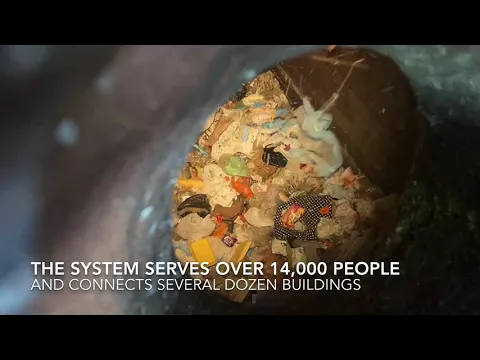

These valves do not need to remain open all the time. They release the waste during collection cycles while equipment generates a strong airflow within the pipes.
The process uses negative pressure, a term referring to the condition where the pressure inside the pipe is lower than the pressure of the environment. This difference creates a suction effect that pulls the bags through the underground network.
During the journey, the waste can reach speeds of 60 miles per hour, almost 97 km/h. In just a few minutes, the material leaves the residential area and reaches the collection center without passing through sidewalks or being manually transported between buildings.
Air is Separated and Waste is Compact in a Central System
When the waste arrives at its destination, the air used in transportation needs to be separated from the material. The waste then moves to compacting equipment, which reduces the space it occupies before storage.
Once compacted, the contents remain at the center until collected. This means that trucks are still part of the operation but do not need to make repeated trips between all the buildings.
The centralized collection reduces internal travel and prevents large quantities of bags from accumulating in scattered locations. The truck goes to the central facility, collects the compacted material, and continues its service outside the residential area.
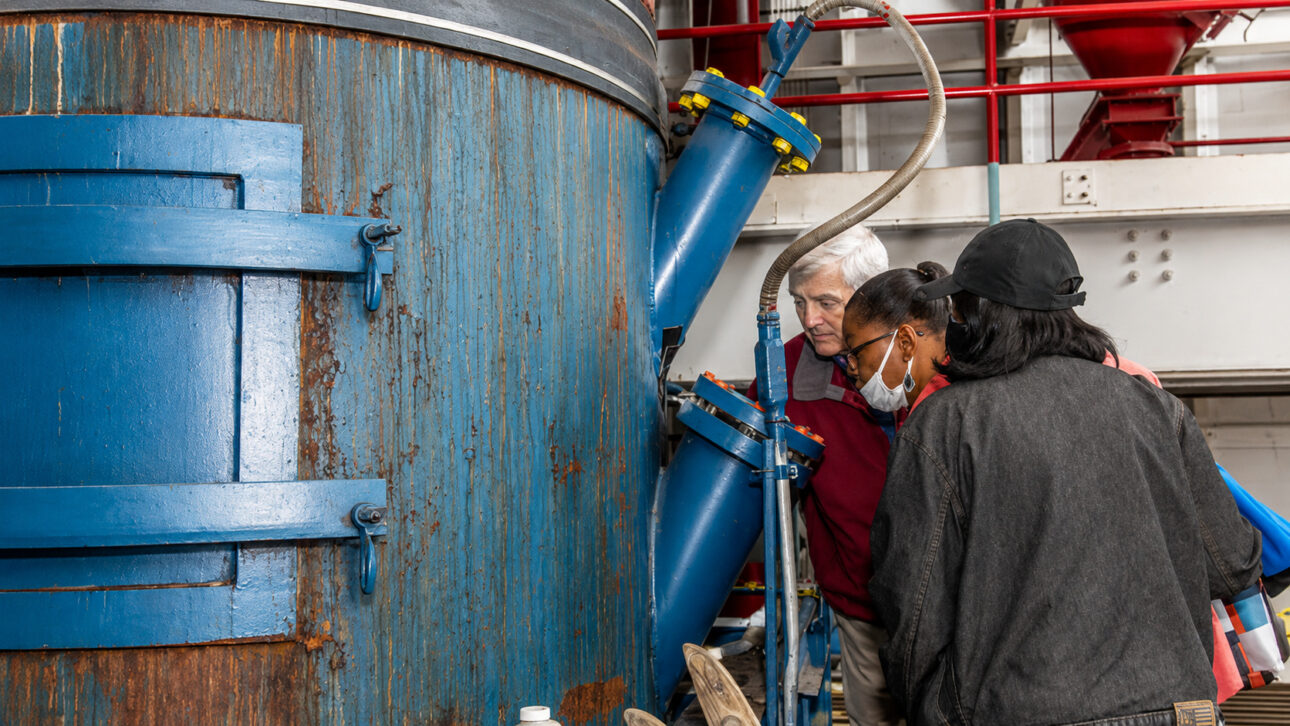
This detail distinguishes reduction from elimination. The system does not eliminate collection vehicles but reduces traffic between buildings and reorganizes the route taken by the waste.
Why the pipes clog and interrupt collection
The suction power does not allow any object to pass through the network. Inappropriate materials can get stuck, blocking the passage and preventing new bags from moving through the piping.
When a clog occurs, technicians must locate the affected section and remove the object. Depending on the blockage, an entire line may remain shut down during repairs.
While the issue is not resolved, traditional collection may temporarily resume. Workers manually remove bags, and trucks return to the points served by the interrupted line.
For this reason, a single improper disposal can affect many apartments. Efficiency depends on both the equipment and how residents use the trash bins.
Who maintains the system hidden beneath Roosevelt Island
Although it may seem entirely automatic, the system requires human oversight. Technicians manage the valves, suction equipment, pipes, and the center responsible for separating the air and compacting the waste.
These professionals identify faults, clear blocked lines, and ensure that transport cycles are functioning. Without maintenance, an extensive network can quickly lose part of its capacity.
The staff’s work also changes. Instead of dedicating a large part of their routine to transporting heavy bags, teams can focus their efforts on the operation and maintenance of the infrastructure.
Technology reduces some manual tasks but creates other responsibilities. Parts, controls, and equipment must continue to function to prevent tons of waste from accumulating near the buildings.
Costs and benefits extend beyond underground tubes
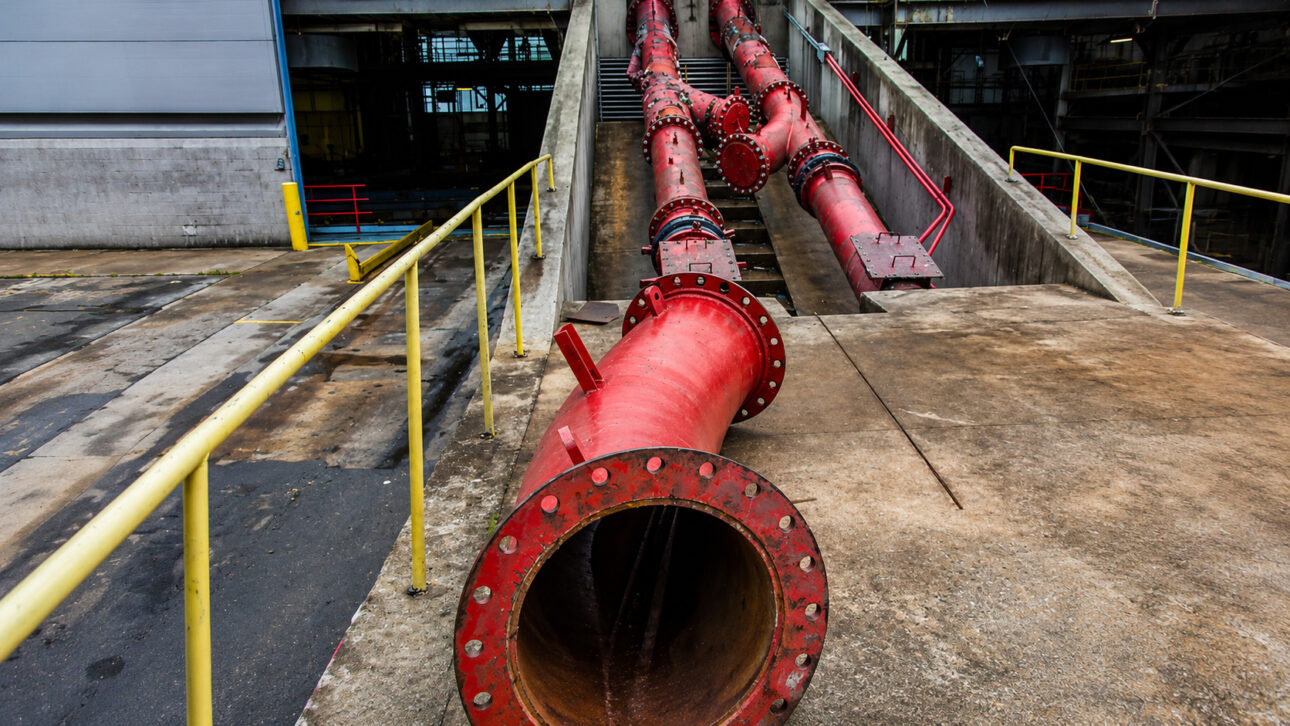
Implementing a pneumatic waste collection system requires piping, valves, disposal points, suction equipment, and a compacting center. The operation also involves energy, inspections, replacement of parts, and trained professionals.
In return, it reduces the number of exposed bags, manual transport of loads, and truck movements within residential areas. The decreased presence of waste outdoors also helps control dirt and pests.
The NYCHA Journal, the institutional publication of New York’s housing authority, linked a similar system planned for Polo Grounds Towers to the potential savings of thousands of dollars per year in operational costs. This information was published on June 16, 2022 as a forecast for the project.
The reported volumes use different bases. The housing authority records between 10 and 13 tons per day, while the system manufacturer presents 2,555 tons per year. The data may cover different periods and calculation methods, thus should not be treated as directly equivalent measures.
Would it be feasible to install this system in Brazil?
Large Brazilian condominiums could accommodate a similar structure, especially if it were included in the project before construction began. Thus, pipes, valves, and the central system would be planned alongside the buildings and other site networks.
The situation would be more complex in already built neighborhoods. Installing kilometers of pipelines would require opening occupied areas and finding space among water, sewage, electricity, and other underground services.
The costs would need to be compared with the number of residents, waste volume, and the savings achieved in collection. Condominiums with many nearby buildings would have better conditions for sharing the structure and concentrating waste in a single center.
It would also be necessary to maintain trained teams and educate residents. Without proper disposal and constant maintenance, blockages could interrupt lines and bring trucks back into the condominium.
The experience from Roosevelt Island shows that a garbage chute can be the entry point to an extensive urban infrastructure. Up to 13 tons of waste travel through underground pipes every day, while the surface remains free of piles of bags and some truck circulation.
If such a network arrived in your neighborhood, would you accept the construction costs in exchange for fewer trucks, exposed bags, and heavy labor? Let us know in the comments and share.