





 Portuguese
  English
  Spanish
  5 min of reading
  0 comments


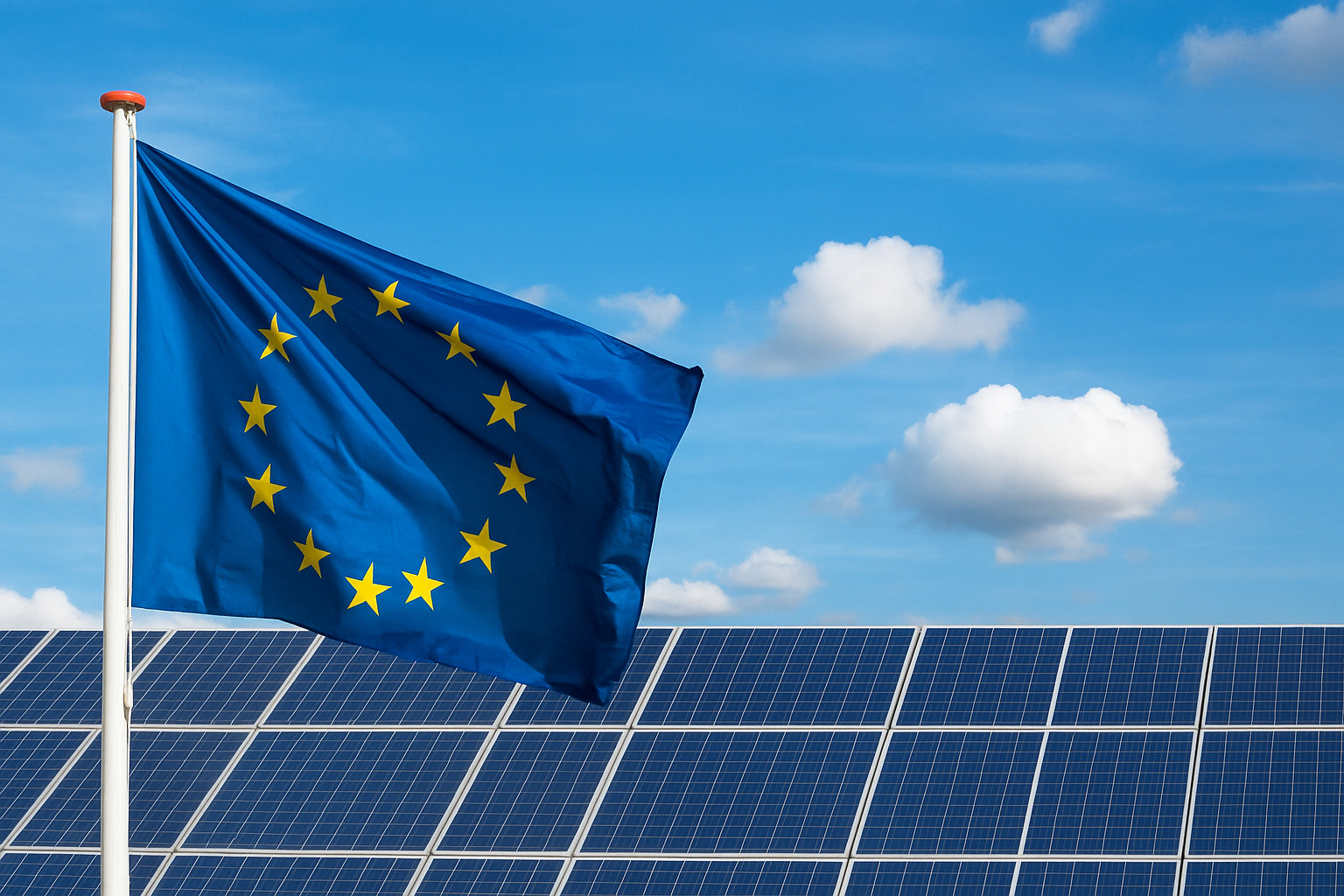
Solar Energy In 2025: The European Union Should Surpass 400 GW Installed, Showing Significant Advances In Solar Energy Expansion And Consolidating The Source As A Pillar Of The Sustainable Energy Matrix.
Solar energy undoubtedly stands out as one of the most important renewable sources in the global scenario, and the European Union (EU) is leading this movement. By 2025, it is expected that the European bloc will surpass the mark of 400 gigawatts (GW) of installed photovoltaic solar power capacity.
This advancement marks a significant moment for the region’s energy transition, as it results from decades of investments, public policies, and technological innovations.
The trajectory of solar energy in Europe began, initially, in a modest way in past decades. But it gained momentum starting in the 2000s with the implementation of government incentives and increased environmental awareness.
-
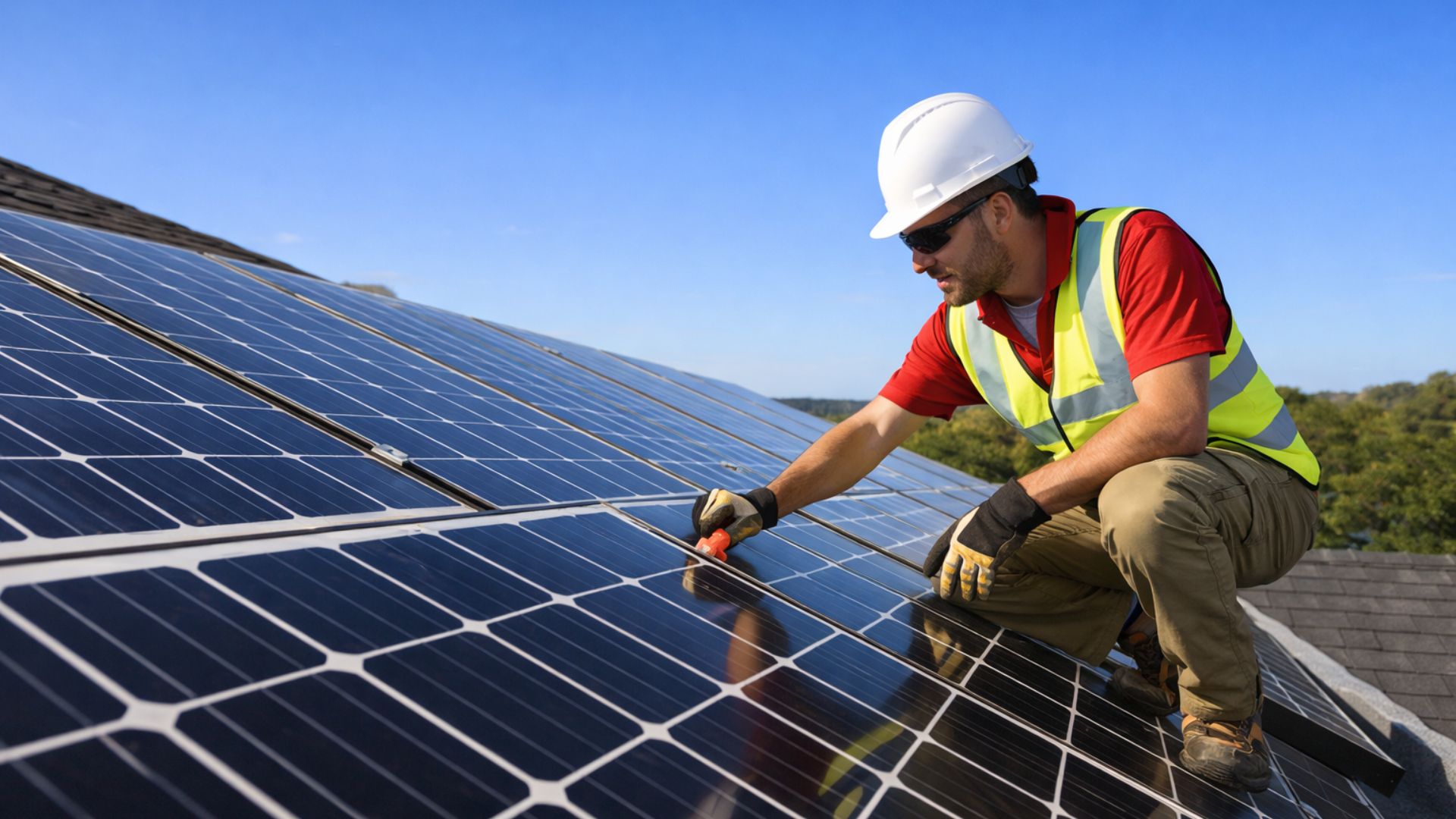
Seagri’s headquarters invests in solar energy with Neoenergia Coelba and promises to cut electricity costs, highlighting a strategic advance in sustainability and energy efficiency within state public administration.
-
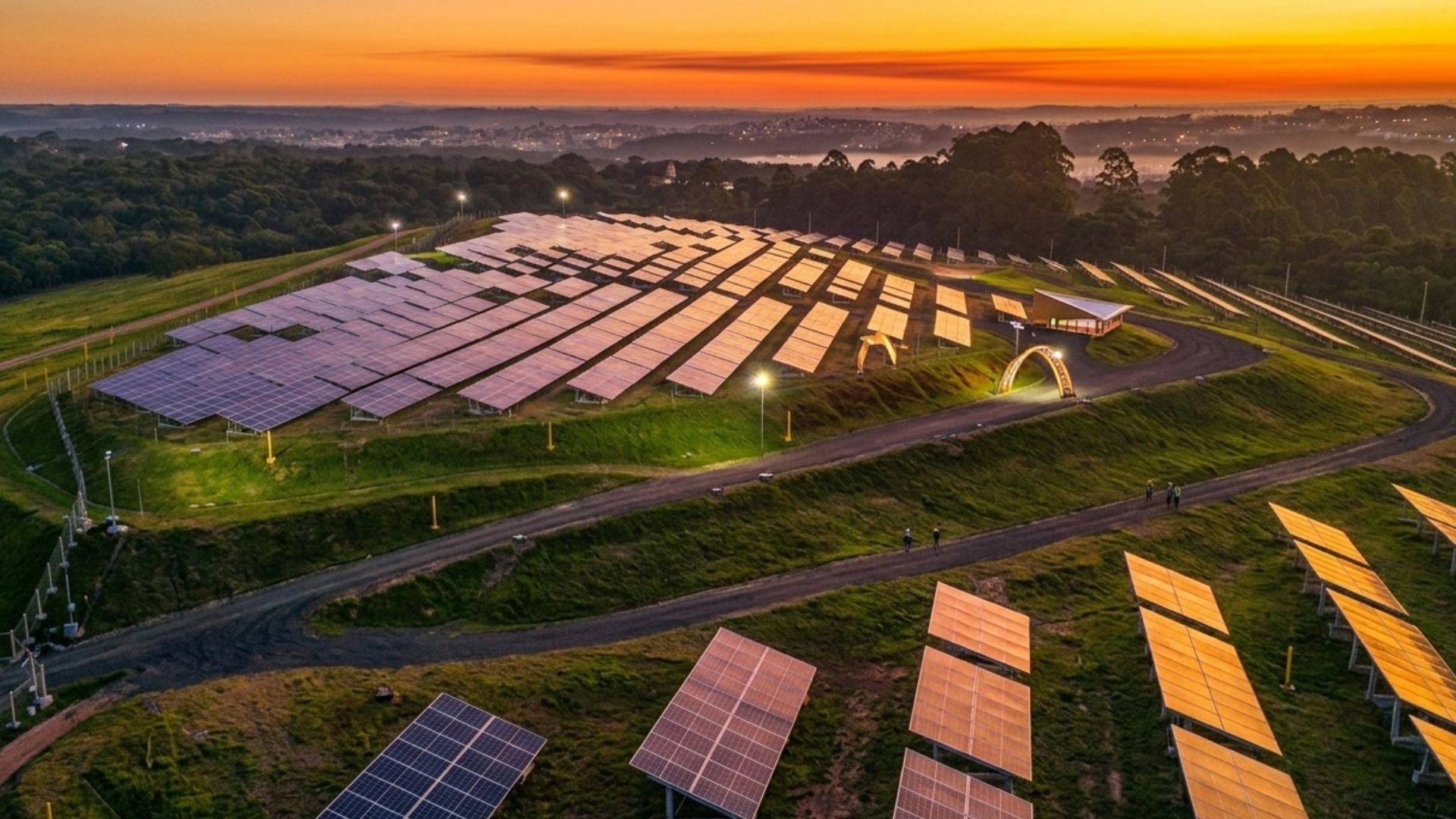
Solar Pyramid draws attention by converting solar energy into million-dollar savings and repositioning the City Hall of Curitiba as an example of innovation, sustainability, and intelligent use of public resources.
-
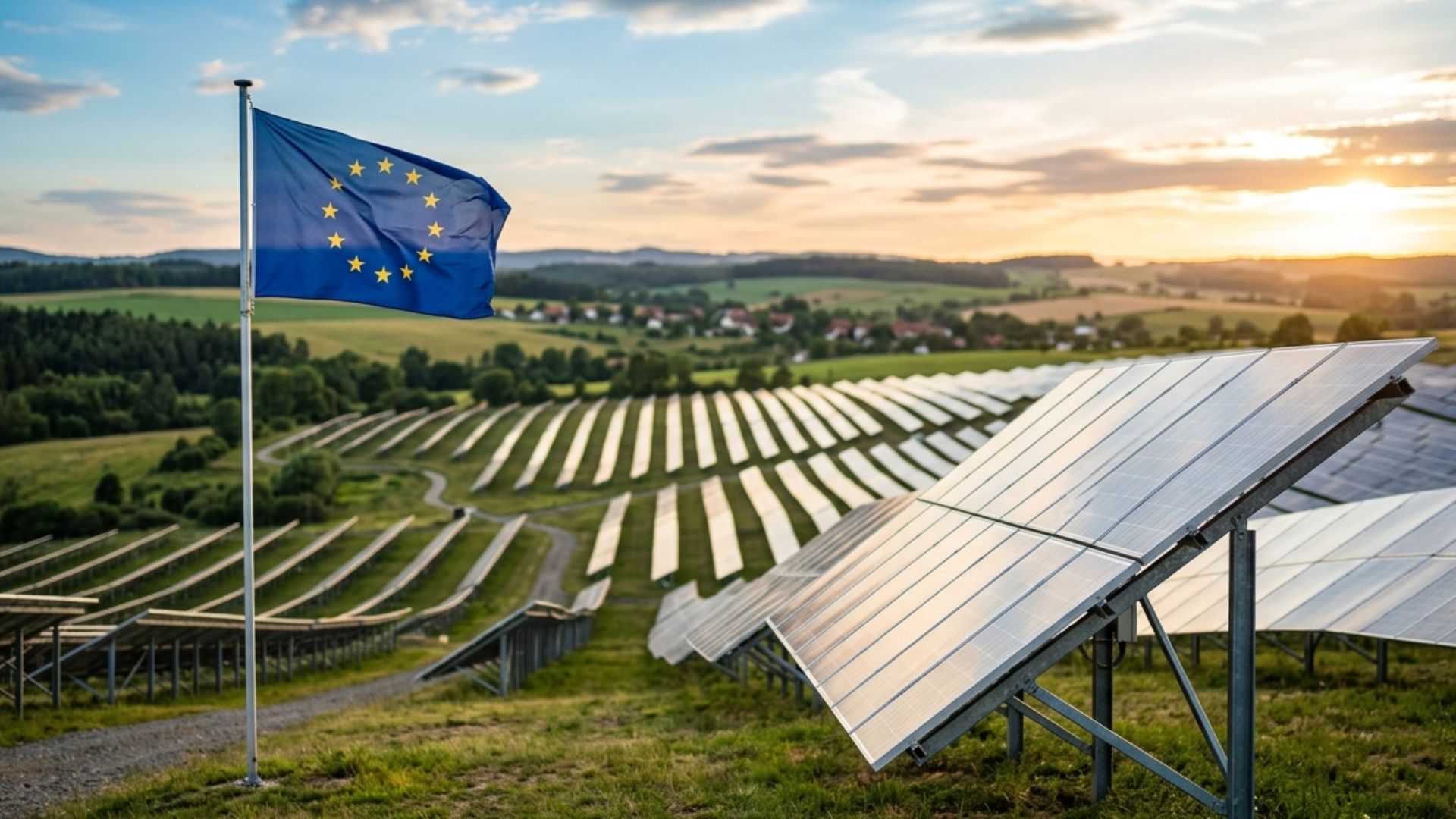
Europe records strong euro economy with solar energy in March and sparks curiosity about which country leads growth that redefines the energy market and reduces costs.
-
Piauí reaches a historic milestone in energy transition: State records nearly 160,000 households powered by solar energy and leads growth in the Northeast.
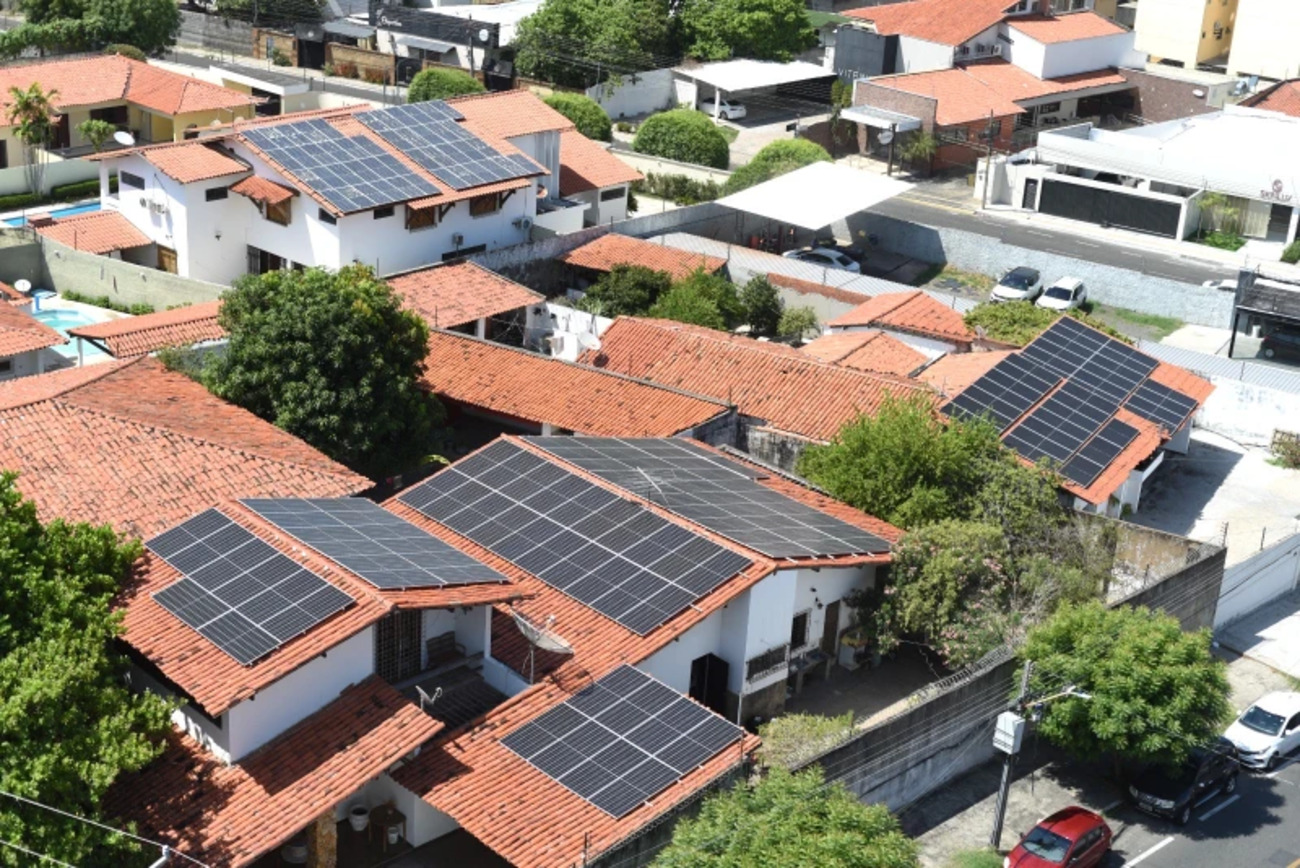

Countries such as Germany, Italy, and Spain adopted photovoltaic systems pioneeringly, thus driving the initial growth of the sector.
In addition, the installed capacity grew rapidly, also stimulated by the decline in solar panel costs and advancements in storage and energy efficiency technologies.
In recent years, solar energy has become even more accessible for businesses and consumers.
Thanks to the reduction of equipment prices and the simplification of regulatory processes in various European countries.
This consequently enabled the democratization of access to clean energy, encouraging self-production and local consumption, fundamental aspects for the decentralization of the energy matrix.
By 2015, the European Union already had an accelerated pace in solar energy installation, with accumulated capacity growing year after year. Since then, the sector has experienced periods of significant expansion, such as in 2022 and 2023, when installed capacity increased by about 47% and 51%, respectively.
These numbers indicate, therefore, not only the increasing adoption of solar energy but also the maturity of the market and the consolidation of the source as a pillar of the European energy matrix.
Slowdown In 2025 And Challenges In Distributed Generation
However, projections for 2025 indicate a slight slowdown in the growth rate, with an estimated increase of 64.2 GW, slightly lower than the 65.1 GW in 2024. This would represent an annual decrease of about 1.4%, the first since 2015.
Although this phenomenon may seem contradictory in a context where solar energy is increasingly valuable, it occurs mainly due to the reduction in distributed generation installations, especially in the residential segment.
The residential sector, traditionally strong in countries such as Italy, the Netherlands, Austria, Belgium, the Czech Republic, and Hungary, has shown some hesitation in investments.
This happens because the impacts of the energy crisis of 2022, which initially boosted the adoption of residential solar panels to reduce electricity costs, have begun to weaken.
With the stabilization of prices and less aggressive incentive policies, many consumers have chosen to postpone the installation of photovoltaic systems.
Despite this slowdown in distributed generation, centralized solar energy — that produced in large solar plants — continues to grow on the continent.
About half of the new capacity added in 2025 will come from this segment.
Another important factor is the hybrid projects, which combine solar energy with other renewable sources or energy storage systems, facilitating integration and increasing the reliability of supply.
Countries such as Germany and Bulgaria are leading these advances, promoting enterprises that not only produce clean energy but also help balance supply and demand on the electrical grid.
These hybrid systems contribute to the stability of the electrical grid, especially at times when solar production varies due to weather conditions.
The use of batteries and other forms of storage allows the energy generated during the day to be stored for use at night or during periods of low generation.
Power Purchase Agreements And Goals For 2030
On the other hand, long-term private contracts, known as Power Purchase Agreements (PPAs), used to ensure the purchase and sale of solar energy, have lost ground in Europe.
The drop in electricity prices has diminished the attractiveness of these agreements for investors and generators.
By 2025, the expectation is that new PPAs will fall by about 41% compared to the previous year, reflecting a more conservative market landscape.
Even with these specific challenges, the European Union’s goal remains ambitious: to reach 750 GW of installed solar energy by 2030.
To achieve this goal, the bloc needs to accelerate the annual pace of new installations, maintaining an average close to 70 GW per year until the end of the decade.
At the current pace, it is estimated that the EU will reach 723 GW by 2030, thus falling slightly short of the target, reinforcing the need for more effective policies and incentives to boost the sector.
To this end, it is essential to strengthen public policies that promote investment in clean energy, as well as encourage technological innovation and the development of smart infrastructure.
The digitization of networks and the use of artificial intelligence for supply and demand management should also gain prominence.
Solar energy is fundamental to the energy matrix in Europe for various reasons.
In addition to being a clean source, it helps reduce greenhouse gas emissions, contributing to the fight against climate change.
It also promotes energy independence, decreasing reliance on imported fossil fuels, whose prices are volatile and often subject to geopolitical crises.
History, Socioeconomic Impacts, And Future Of Solar Energy In 2025
Historically, Europe leads global initiatives in renewable energy, investing in research, development, and infrastructure.
The commitment to the Paris Agreement and the ambition to achieve climate neutrality by 2050 guide many of the political and economic decisions of the bloc.
Solar energy, along with other renewable sources such as wind, plays a key role in this transformation process.
In addition to the environmental impact, the expansion of solar energy brings social and economic benefits.
The generation of jobs in sectors related to the installation, maintenance, and manufacturing of photovoltaic equipment is constantly growing.
This contributes to regional development, especially in rural areas, where large solar plants are often installed.
The decentralization of energy production also strengthens the resilience of the electrical system, preventing failures and ensuring greater security in supply.
The advancement of solar energy in 2025 in the European Union reflects accumulated efforts over the years.
Industry, policymakers, and consumers have collaborated to create a favorable environment for sustainable growth.
However, the scenario indicates a need for special attention to overcome obstacles that may hinder this evolution, such as the reduction in residential investments and the decrease in energy purchase contracts.
To maintain the necessary pace and exceed 400 GW of installed capacity by 2025, Europe must continue investing in technological innovation, expanding access to financing, and enhancing public policies that encourage the adoption of solar energy.
The future of solar energy in Europe therefore depends on the ability to maintain the balance between economic growth, technological innovation, and environmental responsibility, ensuring that solar energy remains an accessible and efficient source for all citizens on the continent.






Seja o primeiro a reagir!