





 English
  Francês
  Alemão
  Italiano
  Japonês
  Norueguês
  Portuguese
  Spanish
  3 min of reading


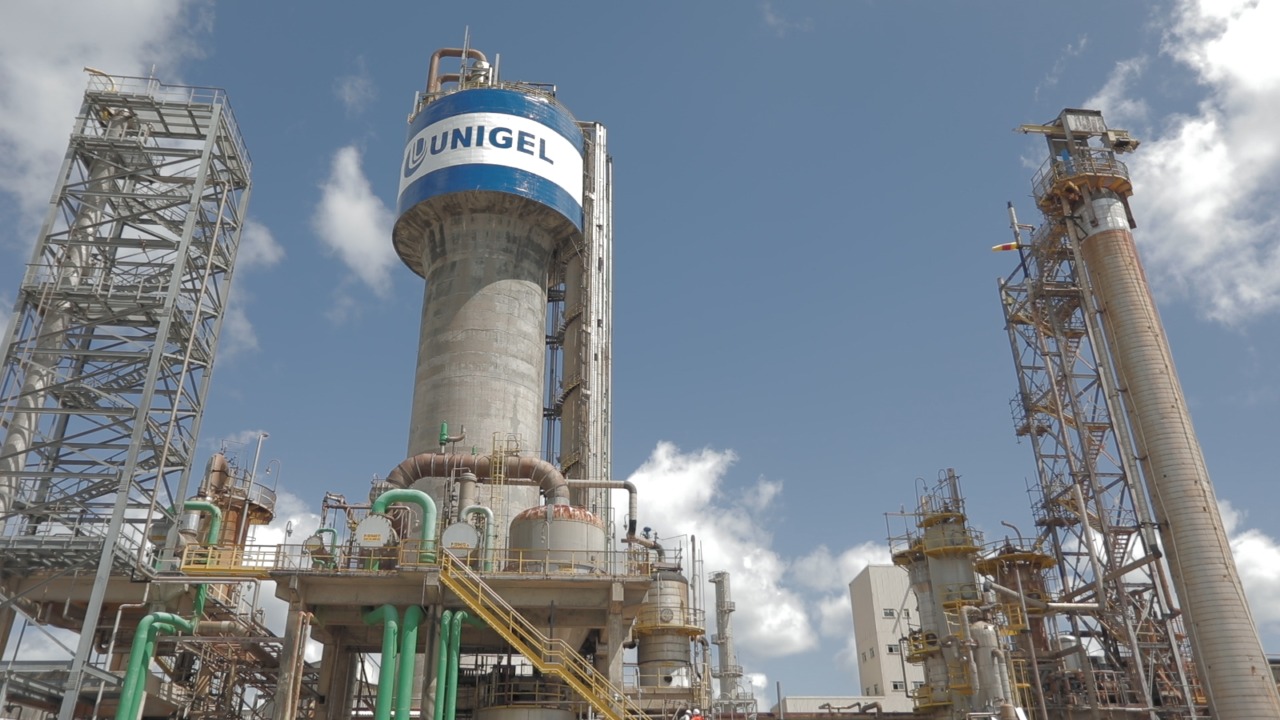
On December 27, Unigel signed a four-year contract for the delivery of natural gas volumes in a firm mode with Petrobras to supply the fertilizer plants. Additionally, on December 10, the company signed a contract for the delivery of natural gas volumes with a duration of two years, securing the purchase and sale with Shell Energy do Brasil Gás.
Check Out This Video Where Pedro De Marco, Analyst At Reach Capital, Discusses The Natural Gas Purchase Made By Unigel For Fertilizer Plants In Bahia And Sergipe With Petrobras And Shell.


The contracts will take effect starting January 1, 2022, and aim to supply the nitrogen fertilizer plants in Bahia and Sergipe, which were reopened by Unigel in 2021 and are operating at full capacity. These contracts are essential to ensure that the fertilizer plants operate at their full capabilities.
Read Also:
According to Unigel’s CEO, Mr. Roberto Noronha Santos, Unigel Agro transformed the Company in 2021, and they are pleased to ensure the continuity of nitrogen fertilizer operations in the country. The CEO also states that they are focused on ensuring the necessary conditions to continue this successful trajectory as an important player in the Brazilian agribusiness.
-
Brazilian giant expands borders in the Southeast: Petrobras confirms new oil discovery in ultra-deep waters in the pre-salt of the Campos Basin.
-
Alert in the global energy market: Severe tropical cyclone hits the coast and disrupts gas production at major plants in Australia, threatening global supply.
-
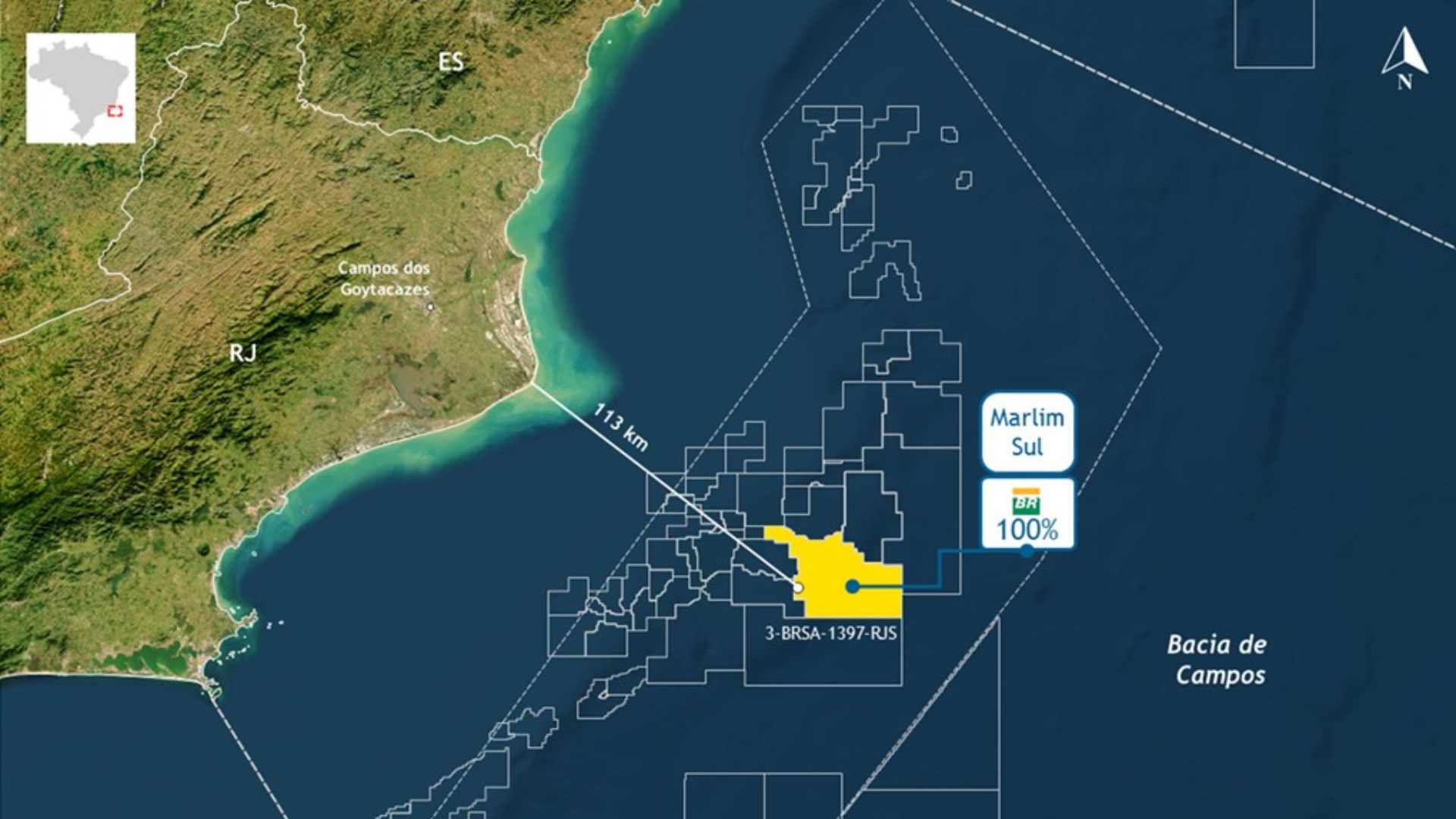
Petrobras finds high-quality oil in the pre-salt at 113 km from RJ and reignites expectations about strategic reserves in the Campos Basin.
-
Ocyan opens registrations for startups focused on innovation in the oil and gas sector and will select projects for Innovation Day with the support of Nexio.


Unigel is considered one of the largest chemical companies in the country. The company stands out and leads the styrenic, acrylic, and nitrogen fertilizer sectors in Latin America. Founded in 1966, Unigel is strategically located in Brazil, present in the States of Bahia, Sergipe, and São Paulo, and in Mexico, in the States of Mexico, San Luis Potosí, and Veracruz.
The CEO of Shell Energy in Brazil, the arm of gas and electricity marketing of Shell Brazil, Mr. Christian Iturri, stated that for Shell, this agreement reinforces the energy security of the fertilizer plants, considered a strategic sector of the Brazilian economy, with natural gas, which is an important transition fuel, from the pre-salt to the states of Bahia and Sergipe, being just the start of a long-term partnership.
“For Petrobras, the choice of Unigel renews the partnership between the companies, as Petrobras offers solutions to compose the customer gas supply portfolio in the free market,” said Petrobras’ Director of Refining and Natural Gas, Mr. Rodrigo Costa.
Unigel: It Is Impossible To Talk About Chemistry Without Thinking About The Future
Considered one of the largest petrochemical companies in Latin America, operating for over 5 decades, Unigel develops its growth responsibly, improving the lives of millions of people.
In 2020, Unigel launched the line of Ecogel Products, which transforms post-consumer recycled plastics and post-industrial waste into products. With Ecogel, the company is able to promote the circular economy, stimulate reverse logistics, and encourage the socioeconomic and environmental development of the communities involved in all stages of the product life cycle.
Unigel resumed operations in 2021 of two nitrogen fertilizer plants leased from Petrobras, one in Laranjeiras (SE), which started its operations in April, and another in Camaçari (BA), which began operations in July – where more than 510 million reais were invested in the resumption of these units, generating jobs and reducing dependence on imports of products such as ammonia and urea. The two units in Laranjeiras and Camaçari have a combined production capacity of 1.125 million tons/year of urea, 925 thousand tons/year of ammonia, 320 thousand tons/year of ammonium sulfate, and 220 thousand tons/year of ARLA.








Seja o primeiro a reagir!