Portuguese
  Spanish


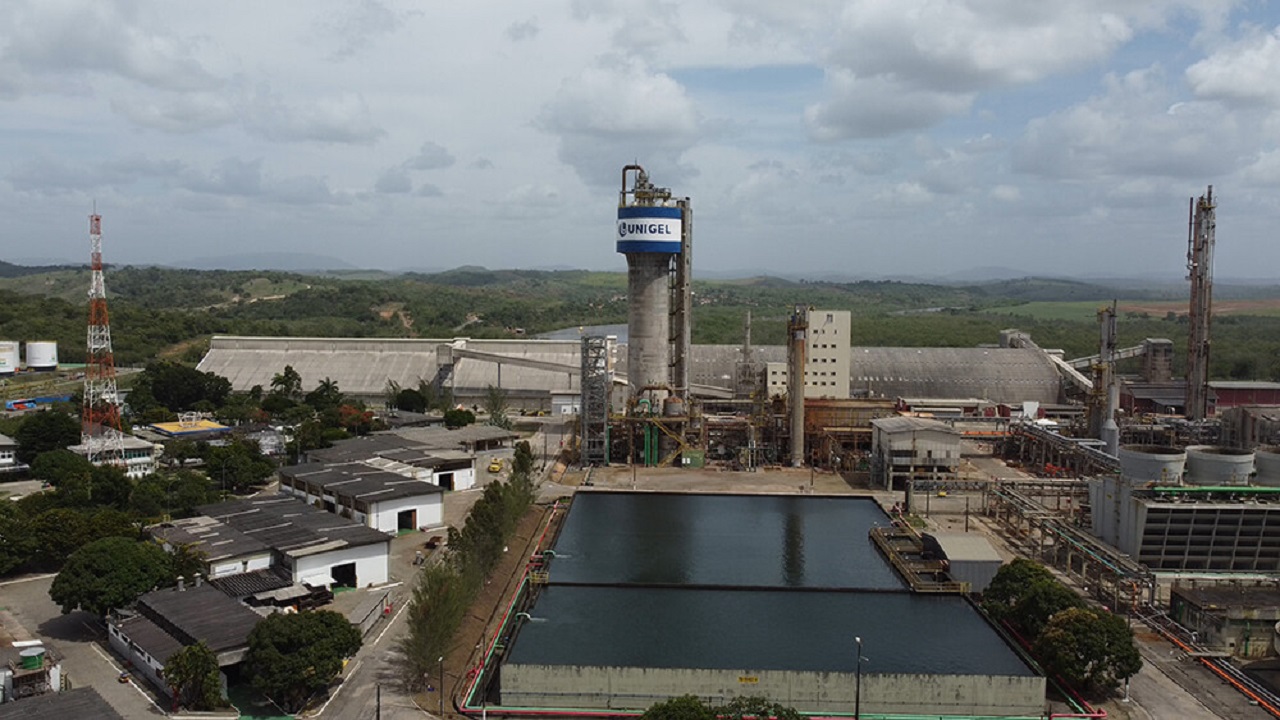

Unigel Announces Investment in a Green Ammonia Plant in Bahia During the Inauguration of Its New Fertilizer Plant in Sergipe
The fertilizer industry Unigel (formerly Fafen) announced on Monday (02) that it will invest in the installation of a green ammonia plant in Camaçari, Bahia, with operations set to begin by the end of next year. To install the unit, the company will convert an old closed plant.
Read Also
Unigel Executive Speaks
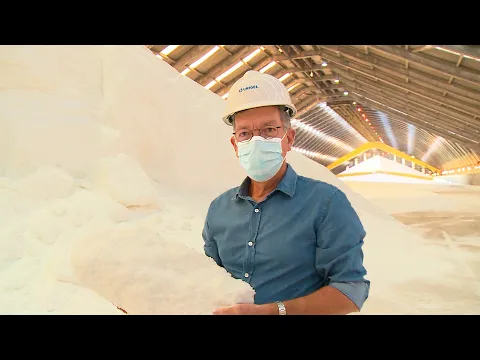

According to Henri Slezynger, founder and chairman of the company, this will be the first green ammonia plant in the country and one of the first and largest in the world. The executive did not disclose how much the fertilizer company will invest or the production capacity of the ammonia plant in Bahia.
According to the businessman, the input will be obtained from nitrogen in the air and hydrogen from water, with no use of fossil fuels, only renewable energy. The announcement of the plant took place during the inauguration ceremony of the fertilizer plant in Laranjeiras (SE), which has been named Unigel Agro Sergipe and has the capacity to produce 650 thousand tons of urea, 320 thousand tons of ammonium sulfate, and 450 thousand tons of ammonia per year.
-
28-meter, 156-ton titans traveled 20,000 km from China to the port of Santa Catarina: Portonave received 7 fully electric megacranes, part of a R$ 210 million package, to double container handling.

-
They exchanged the idea of a large house for a 35 m² warehouse, spent US$ 12,000 on the structure, and created a tiny house in Colorado with space to live and work.

-
A newly opened terminal in the middle of the Amazon has begun transporting soy and corn through Amapá, eyeing the queue of ships that is congesting the ports in the South.

-
Goodbye to old tiles: renovation technique without construction transforms bathrooms in a few hours, eliminates debris, and reduces costs with coverings using special paints, high-resistance adhesives, and modern finishes that completely renew the space.


The company has invested R$ 500 million to resume operations at two leased Petrobras plants. In addition to the plant in Sergipe, the former Fafen has started operations at another plant also in Camaçari, Bahia. With these projects, Unigel becomes the largest producer of nitrogen fertilizers in Brazil and also the only producer of urea in the country.
Resumption of Operations in the Fertilizer Industry Promises to Generate Over 1,500 Jobs
Petrobras halted its fertilizer production at Unigel in early 2019, and the leasing and adaptation phase of the plants began in August last year. Ammonia production resumed in May, and urea production started in June.
With the return of activities, around 1,500 job opportunities are expected to be generated in the region. According to Roberto Noronha, president of Unigel, the return of fertilizer operations in Sergipe could reduce dependence on other companies for product imports.
Currently, the country imports about 75% of these inputs. Together, the plants in Bahia and Sergipe will have the capacity to produce 925 thousand tons of ammonia, 320 thousand tons of ammonium sulfate, and 1.125 million tons of urea.
Minister of Mines and Energy Speaks
According to Bento Albuquerque, Minister of Mines and Energy, production at the plant will help reduce Brazil’s dependence on fertilizer imports from other countries.
According to the minister, the inauguration of the plant in Bahia is a result of the New Gas Law, recently sanctioned, which allowed private companies to operate in the market. The minister stated at the plant’s inauguration ceremony that the fertilizer industry is essential for the sustainable and clean growth of the agricultural sector.
Brazil accounts for 8% of the world’s fertilizer demand and is fourth in the list of countries by consumption. Fertilizer imports increased by about 30% at the end of the 1980s, and reached 80% by 2020.