





 Portuguese
  English
  Spanish
 3 min of reading


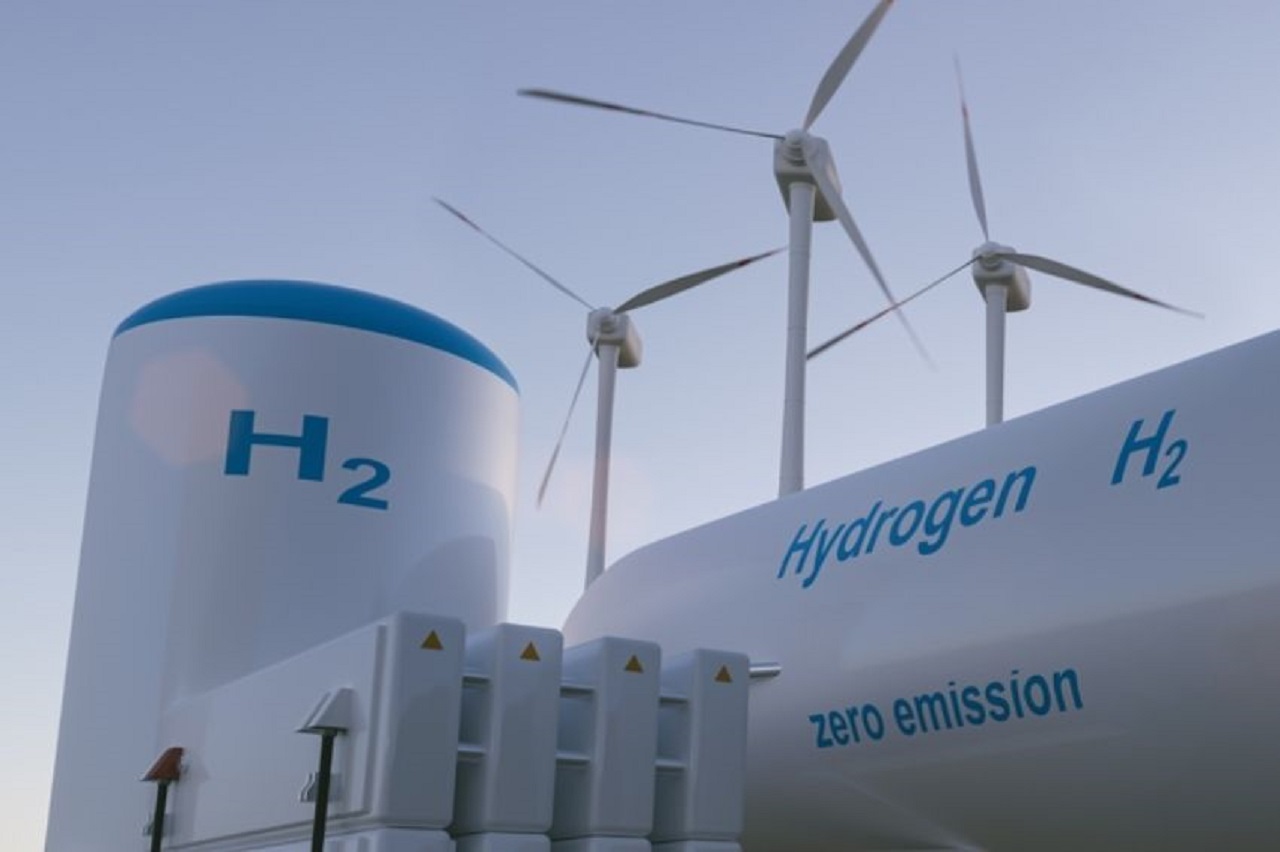
Federal University of Ceará (UFC) Announced It Will Invest Half a Million in the Construction of a Laboratory for Green Hydrogen Production
The Federal University of Ceará (UFC), noting the arrival of new investments in the state focused on sustainability, announced it will develop a laboratory for research on green hydrogen in the Mechanical Engineering department. The institution is investing approximately half a million reais in the laboratory, aiming to adapt the local infrastructure so that future research partnerships, primarily focused on studies about green hydrogen, can be executed.
Read Also
Federal University of Ceará May Become a Reference in Green Hydrogen Production
According to Cândido Albuquerque, rector of UFC, everyone expects the university to be a Brazilian reference in the production of this new fuel. The Federal University of Ceará is also working, alongside the state government, in the implementation of a hub for green hydrogen production at the Port of Pecém.
According to Albuquerque, UFC produces green hydrogen and studies machines that use the fuel, as the world needs initiatives and investments like this for polluting energy sources, such as fossil fuels, to be replaced. Fernanda Leite Lobo, a professor in the Department of Hydraulic and Environmental Engineering, reported that the investment by the Federal University of Ceará also encompasses research in the sustainable energy sector.
-
Renewable energy advances over protected areas in Brazil, and a survey by the Energy Transition Observatory reveals silent impacts that challenge environmental conservation and pressure sensitive traditional territories.

-
Rio Grande do Sul accelerates energy transition: State invests in renewable technologies and consolidates decarbonization strategies and pathways to attract billions in new industrial investments.

-
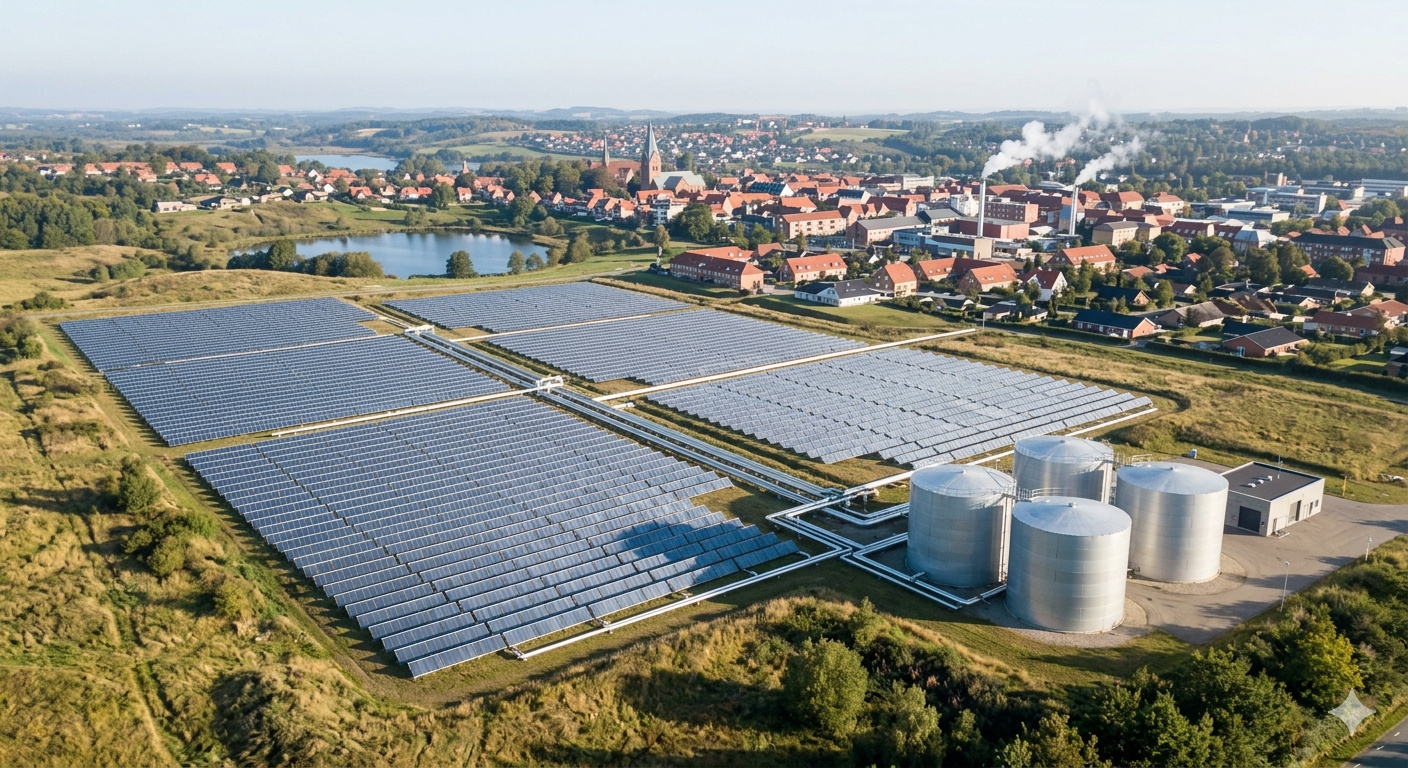
With 160,000 m² of collectors, an area larger than 20 football fields, Silkeborg, in Denmark, hosts a solar thermal plant that heats 19,500 homes and could become the largest solar heating plant in the world.
-
A study reveals the expansion of renewable energy procurement in Brazil and shows how companies are taking advantage of opportunities to reduce expenses, ensure energy efficiency, and strengthen strategic environmental commitments.


According to Fernanda, UFC has several projects already approved, some with FUNCAP, in the latest renewable energy announcements, and several others with manufacturers who will use hydrogen fuel-powered engines. The professor believes that this fuel is the future for decarbonizing their economies.
UFC Will Meet Various Demands After Investment in Green Hydrogen
According to Prof. Augusto Teixeira de Albuquerque, Pro-Rector for International Relations and Institutional Development (PROINTER), developing and investing in new technologies in Ceará for green hydrogen production is essential.
According to the pro-rector, it is possible to observe that the fuel chain, from its production to consumer use, still has many gaps and opportunities for advancement. Thus, it is necessary to have research infrastructure prepared to meet such needs.
Augusto, along with the director of the Technology Park of the Federal University of Ceará, Fernando Nunes, coordinates the team of researchers at the university conducting research in this sector.
Discover the Hydrogen Hub in Ceará
The state government is working on the articulation for the installation of the green hydrogen production hub, which will be located in the Pecém Industrial and Port Complex (CIPP). Although it is a very present element in nature, hydrogen is not available in its pure state.
It is obtained through a chemical process known as electrolysis. When the fuel is produced using clean and sustainable energy, such as wind and solar energy, which do not emit CO2, it is called “green hydrogen.”
So far, the state government has signed 12 memorandums of understanding with various companies from different countries that are interested in building fuel production plants in the future. One of the companies, Enegix, aims to invest US$ 5.4 billion in its factory, called Base One.






Seja o primeiro a reagir!