





 Portuguese
  English
  Spanish
  4 min of reading
  0 comments



With up to 25% of global rare earth reserves, Brazil becomes a strategic target for the United States and China in technology, energy, and defense
Brazil has officially entered the center of a high-stakes geopolitical dispute, as the United States and China intensify efforts to secure access to rare earth elements, minerals that are essential for modern technology, military systems, and the global energy transition.
On January 3, 2026, the United States carried out a military operation in Venezuela and captured Nicolás Maduro. In the official statement, Donald Trump mentioned oil, which immediately drew global attention.
However, analysts argue that oil is only part of the story.
-
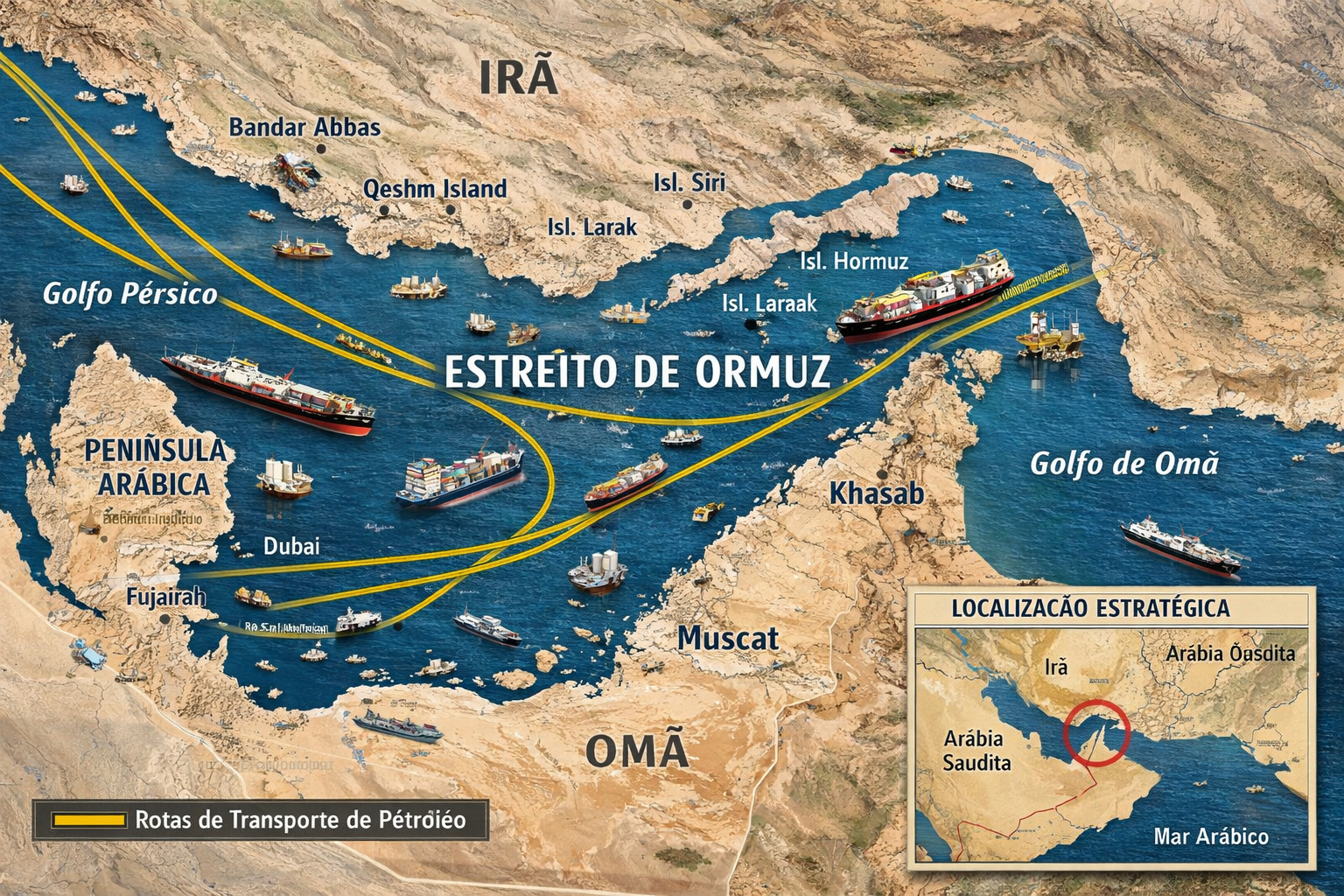
Global summit with over 40 countries pressures Iran for a blockade in the Strait of Hormuz and warns of direct impact on oil, food, and the global economy.
-
Russia has broken the U.S. maritime blockade to send oil to Cuba and is now loading a second ship while Trump says that “Cuba is next” in a possible military action against the island.
-
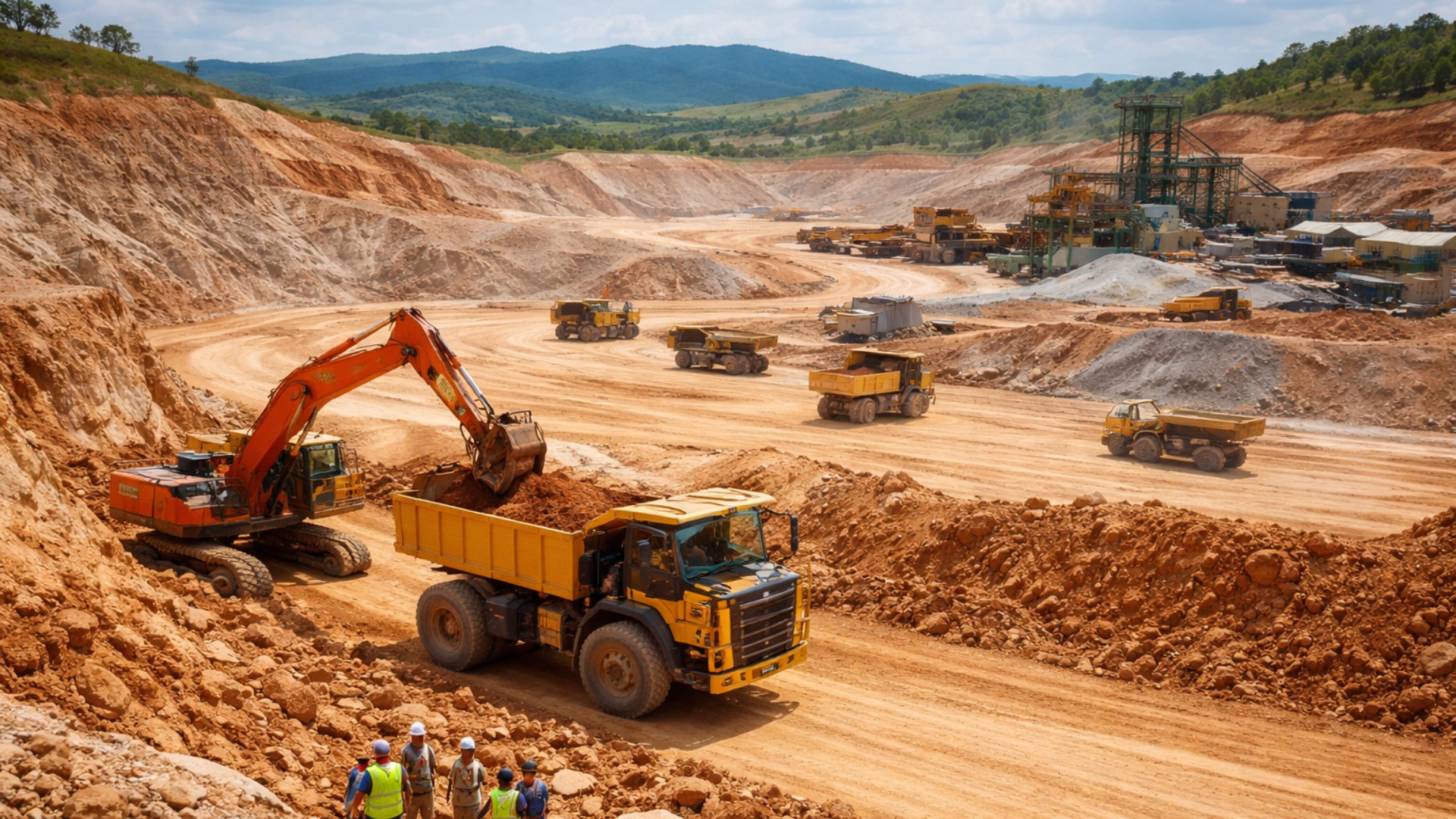
After China, it’s now the turn of the USA to ‘secure’ a share of Brazil’s natural resources: the country buys critical rare earths for R$ 3 billion and enters the center of the global technology dispute.
-
Spain challenges the USA and closes its airspace for operations against Iran, raising global tension and provoking the threat of a trade rupture.



Rare earth elements place Brazil among the most strategic countries in the world
Brazil holds between 23% and 25% of the world’s rare earth reserves, making it the second-largest reserve holder globally. Despite this, the country accounts for only about 1% of global production.
These minerals are critical to nearly every advanced technology today. Smartphones, electric vehicles, wind turbines, medical imaging equipment, and defense systems all rely on them.
Elements such as neodymium, terbium, and dysprosium are especially important for producing permanent magnets, which are essential for high-performance and energy-efficient technologies.
China dominates the global supply chain
China currently controls around 70% of global production and between 85% and 90% of refining capacity, according to industry estimates.
This dominance is the result of decades of strategic investment. Since the 1980s, China has built an integrated supply chain, benefiting from lower production costs and less restrictive environmental regulations.
Today, the country exports raw materials at relatively low prices while retaining the higher-value refining stage. Raw concentrate may sell for about $7.50 per kilogram, while refined materials can reach prices between $80 and $120 per kilogram.
The United States launches a billion-dollar strategy and targets Brazil
In response to this dependency, the United States launched the Vault Project in February 2026, a $12 billion initiative aimed at creating a strategic reserve of critical minerals.
This initiative has placed Brazil at the center of international attention.
American companies and investment funds have already shown interest in Brazilian projects, particularly in Minas Gerais and Goiás, with potential investments reaching hundreds of millions of dollars.
Brazil’s reserves are spread across multiple regions
Brazil’s rare earth deposits are located in several states, including:
- Minas Gerais
- Goiás
- Bahia
- Amazonas
- São Paulo
There are also promising signs in the Parnaíba Basin, covering parts of Maranhão, Piauí, and Ceará.
A recent highlight is the discovery of ionic clay deposits in Goiás, which are considered more efficient and environmentally less aggressive for extraction.
Lack of industrial capacity keeps Brazil dependent
Despite its vast reserves, Brazil faces a major structural challenge: the lack of a complete industrial chain.
Currently, the only operational mine is located in Minaçu (Goiás), with a projected output of 6,500 tons per year by 2027. However, the extracted material is still exported to China for refining.
As a result, Brazil continues exporting low-value raw materials and importing high-value industrial products.
A historical pattern that raises concerns
This situation is not new.
Between the 1950s and 1960s, Brazil exported monazite sand to the United States during the nuclear race without processing or technology transfer. This model was later criticized and investigated, as it provided little long-term benefit to the country.
Today, a similar pattern is emerging, but with even greater global implications.
Recent efforts signal a possible shift
Brazil has begun taking steps toward changing this reality.
In 2024, the country inaugurated its first rare earth magnet factory in Belo Horizonte. In 2025, new industrial projects and government investment programs were launched, focusing on strategic minerals.
Brazil has also strengthened international partnerships, including agreements with India aimed at developing critical mineral supply chains.
Even so, experts highlight that the country still lacks industrial scale, advanced processing technology, and long-term policy continuity.
Government strategy seeks balance between global powers
Facing pressure from both the United States and China, Brazil is attempting to maintain a balanced and strategic position.
The current approach is based on three main pillars:
- Prioritizing domestic supply
- Ensuring processing occurs within Brazil
- Avoiding exclusive agreements with any single country
This strategy aims to preserve national sovereignty while maximizing economic opportunities.
Brazil faces a trillion-dollar decision
Brazil now stands at a strategic crossroads.
If it invests in infrastructure, technology, and industrial development, the country could unlock a multi-trillion-dollar economic opportunity.
Otherwise, it risks remaining trapped in its traditional role as a commodity exporter, missing out on the true value of its natural resources.









Seja o primeiro a reagir!