





 Portuguese
  English
  Spanish
  5 min of reading
  0 comments


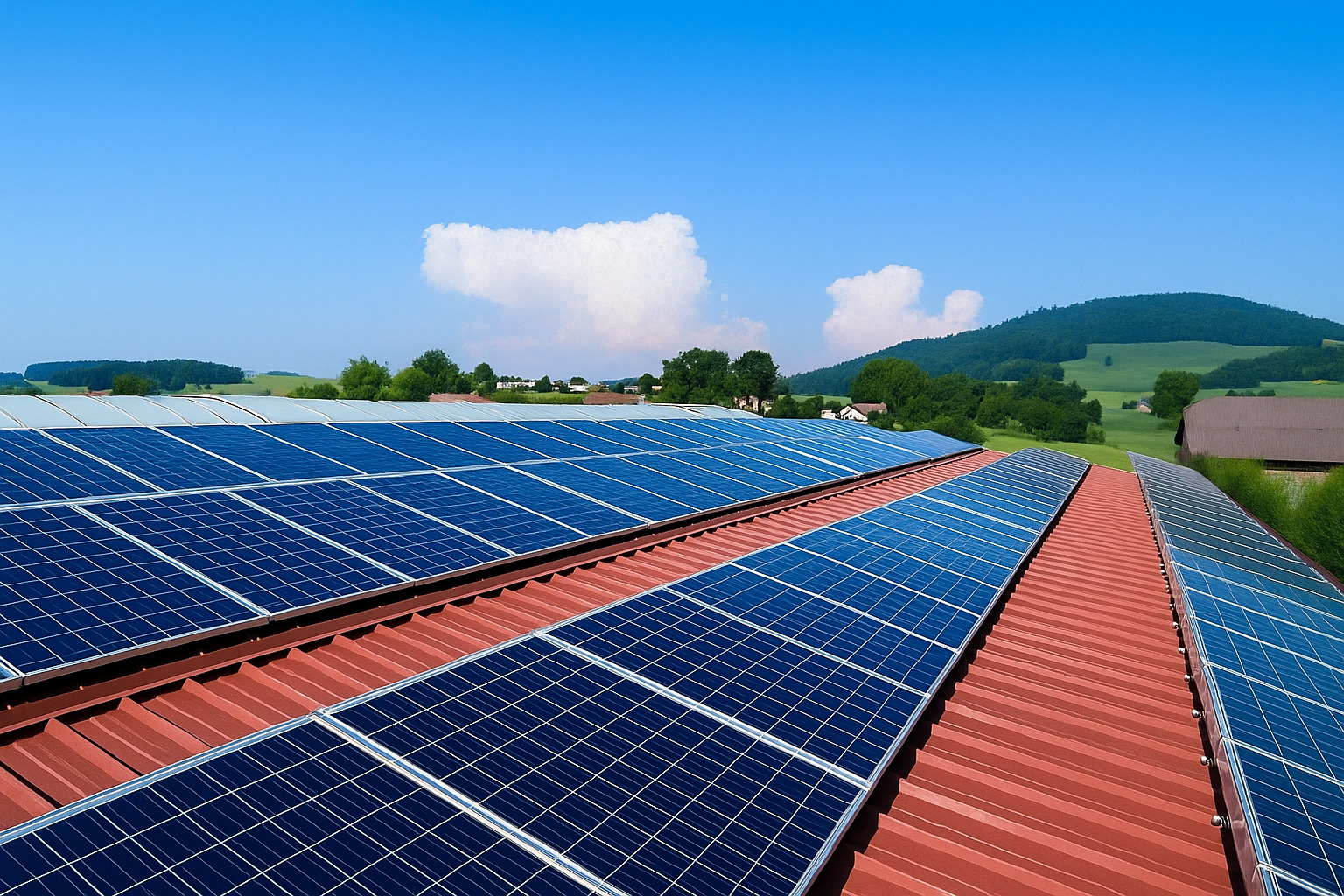
US Government Suspends Support for Clean Energy Projects on Agricultural Lands, Affecting Incentives for Solar and Wind Energy in Productive Rural Areas.
In recent years, the quest for clean energy on agricultural lands has intensified worldwide. Governments, companies, and rural producers recognize the importance of reconciling agricultural production and energy sustainability.
Thus, solar and wind energy projects in cultivated areas have emerged as a strategic opportunity to diversify the energy matrix. They also help generate additional income for farmers. However, recent decisions by the United States government have significantly altered this landscape, showing that federal support can vary according to political priorities.
Therefore, in August 2025, the US Secretary of Agriculture, Brooke Rollins, announced that the United States Department of Agriculture (USDA) would no longer support solar and wind energy projects on productive agricultural lands.
-
A Canadian retiree creates a hydroelectric system on a real river, generating energy continuously throughout the day and demonstrating how the power of water can supply a house with stability even in a simple structure.

-
Petrobras reaffirms its commitment to the market and ensures that it will carry out the energy transition safely to maintain national sovereignty.
-
Researchers discover a possible hydrogen deposit of up to 46 million tons beneath an ancient coal basin, and the volume could exceed half of the entire global production.

-
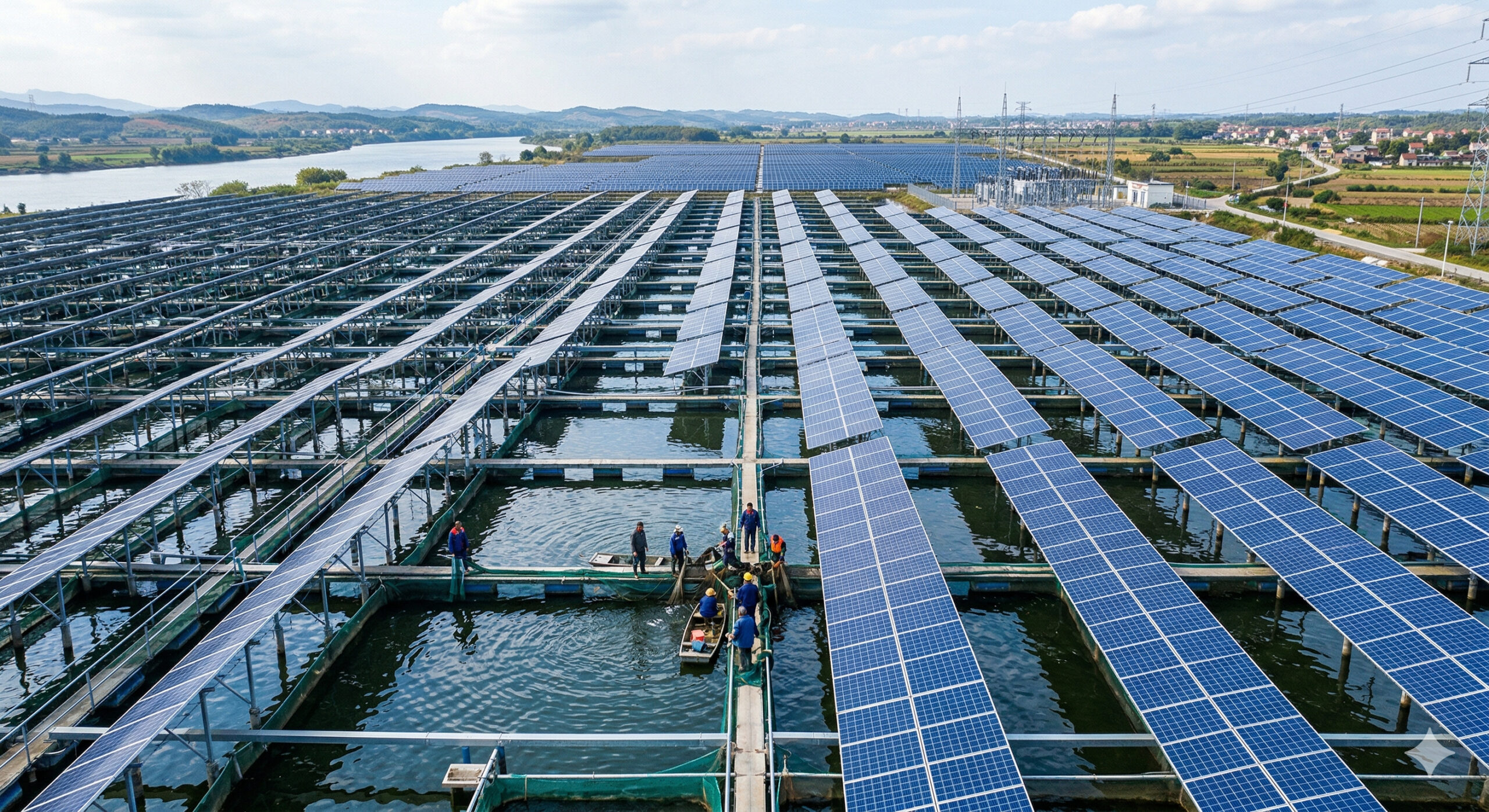
China bets on the Fishery-PV model and transforms fish farms into giant solar plants, covering ponds with panels that generate energy while utilizing the same space for large-scale aquaculture production.

Consequently, this measure represents a reorientation of federal policies, favoring other types of energy at the expense of renewable sources. Historically, the relationship between agriculture and energy has been characterized by attempts at innovation. Governments have always sought to balance agricultural productivity and sustainable technological development.
Historical Support for Clean Energy on Agricultural Lands
Indeed, the interest in clean energy on agricultural lands did not arise suddenly. Since the early 21st century, government programs in the US and other parts of the world have encouraged farmers to install solar panels and wind turbines on their properties.
Moreover, these initiatives aimed to reduce dependence on fossil fuels and generate alternative income for producers. The USDA had already invested more than two billion dollars in renewable energy projects through the Rural Energy for America Program. This highlighted the economic and environmental relevance of these initiatives.
On the other hand, the decision to suspend support for clean energy projects on agricultural lands reflects broader political and economic changes. The government of President Donald Trump, which advocated policies promoting traditional fuels, criticized wind and solar energy for being less reliable, more expensive, and dependent on foreign supply chains, especially from China.
Therefore, this perspective directly influenced how the USDA allocated resources and selected projects to be supported.
In recent years, debates about energy security and the independence of renewable sources have intensified. While critics argue that clean energy may be affected by climate fluctuations and supply chain disruptions, supporters highlight that modern technologies, such as storage batteries and hybrid systems, have significantly reduced these risks.
In this context, the USDA’s blocking aligns with a debate on reliability, costs, and long-term strategies for the national energy matrix.
Global Perspectives and Technological Innovation
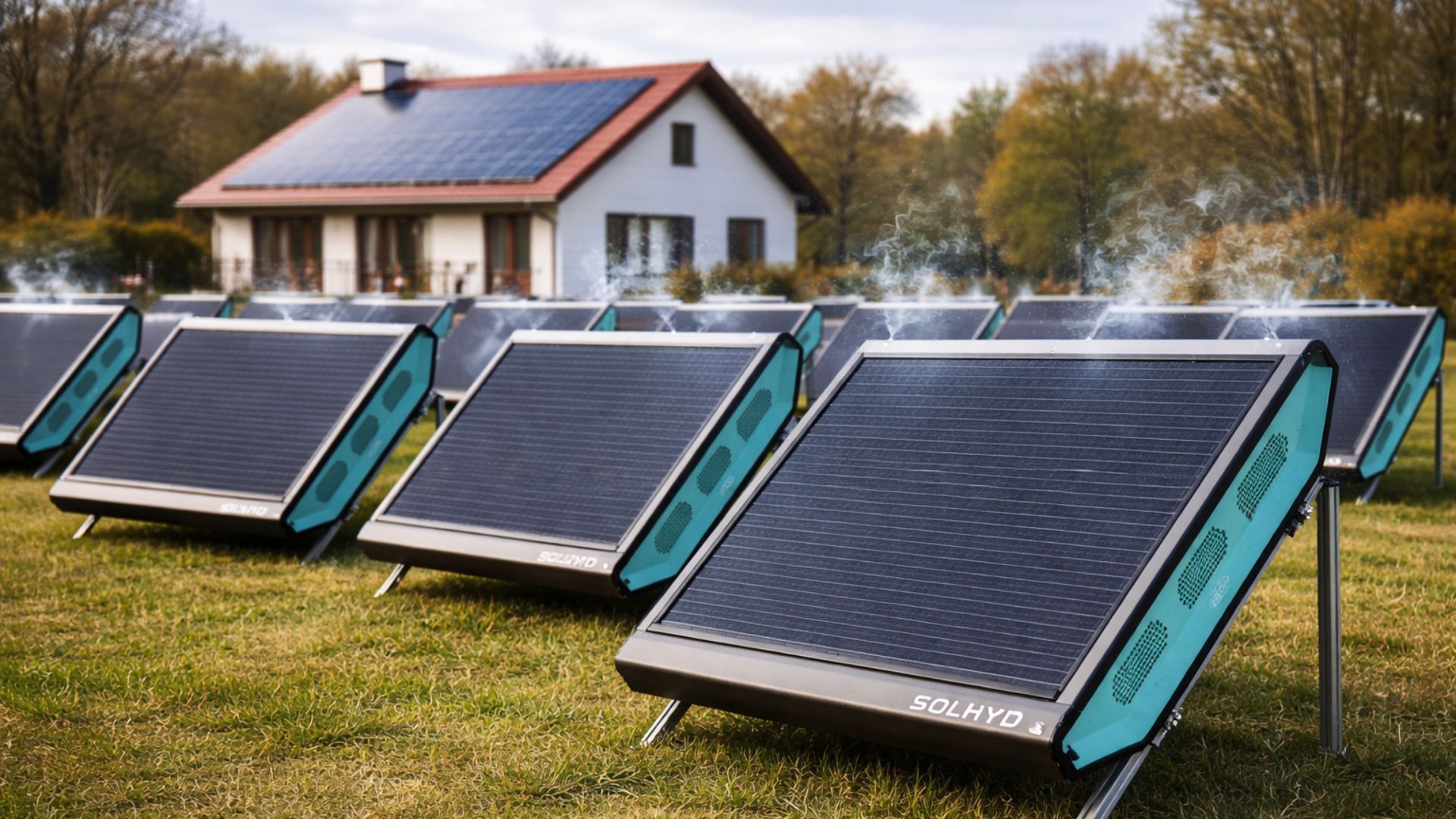
Despite the suspension, energy and sustainability experts warn that the global trend indicates continuous growth in clean energy production on agricultural lands. For example, countries like Germany, China, and Brazil have developed policies to promote solar and wind energy integrated with agriculture. These solutions allow productive areas to continue generating food and electricity simultaneously.
Techniques like agrivoltaics, where farmers install solar panels over their crops, allow the soil to maintain its productivity while generating energy sustainably.
Furthermore, the importance of clean energy on agricultural lands goes beyond the economic aspect. Reducing the use of fossil fuels decreases greenhouse gas emissions, mitigating the impacts of climate change.
Additionally, solar and wind energy projects in rural areas reduce pressure on natural ecosystems, as energy production focuses on locations already utilized by human activity.
With technological advancement, new solutions make the integration of clean energy and agriculture more efficient. For example, smart sensors, automated irrigation, and climate monitoring systems help producers optimize both energy and food production, thereby increasing property profitability.
Thus, these developments demonstrate that the USDA’s blockage can be circumvented with creativity and private investment, consequently maintaining interest in sustainability in agriculture.
Historically, the balance between agriculture and energy has always required delicate political decisions. In the 20th century, agricultural expansion in the US and other countries often sacrificed sustainable environmental practices.
However, with the advancement of renewable energies, the opportunity to reconcile food production and clean energy generation has arisen. Therefore, the suspension of federal support for energy projects on agricultural lands represents a setback in this effort to integrate sustainability and agricultural productivity.
Economic and Social Impacts
Besides the environmental and economic implications, the USDA’s decision directly influences farmers’ and investors’ planning. For example, many rural producers had bet on diversifying their activities with clean energy projects on agricultural lands, relying on federal incentives to make initial investments viable.
The withdrawal of USDA support forces these projects to seek alternative financing, often under less favorable conditions, which, consequently, may discourage new initiatives.
Despite this scenario, the renewable energy sector remains resilient. The increase in technological efficiency, the reduction in production costs, and the growing global demand for sustainable energies keep interest in clean energy on agricultural lands high.
Additionally, universities, research centers, and private companies continue to develop innovative solutions, working on everything from more efficient solar panels to wind turbines adapted to different types of soil and climate.
Moreover, the adoption of clean energy on agricultural lands generates a relevant social impact. Rural communities benefit from job creation linked to the installation and maintenance of equipment, as well as increased income for small producers.
Thus, this integration strengthens the local economy and contributes to the sustainable development of rural regions.
In terms of historical context, decisions like the USDA’s are not surprising. Government policies incentivizing or disincentivizing renewable energy have always alternated over time. This reflects changes in government and economic priorities.
However, the movement towards global sustainability and the reduction of carbon emissions consistently maintains the relevance of clean energy projects on agricultural lands, regardless of temporary political fluctuations.
The Future of Integration Between Agriculture and Clean Energy
The future of integration between agriculture and clean energy depends on diversified strategies. Even with the blocking of federal support, producers can form partnerships with private companies, cooperatives, and state incentive programs.
Furthermore, international experiences show that farmers can develop solar and wind energy projects on agricultural lands in an economically viable and environmentally sustainable manner.
In summary, the USDA’s decision to suspend support for clean energy projects on agricultural lands marks a moment of reevaluation of federal policies, but does not eliminate the potential of these initiatives.
Consequently, the importance of renewable energy, coupled with agricultural production, remains clear. Historically, efforts to combine sustainability and productivity show economic, social, and environmental benefits.
Despite political and financial challenges, the path towards the integration of agriculture and clean energy remains open, with innovative solutions and sustainable practices shaping the future of rural production.








Seja o primeiro a reagir!