





 Portuguese
  English
  Spanish
  4 min of reading
  0 comments


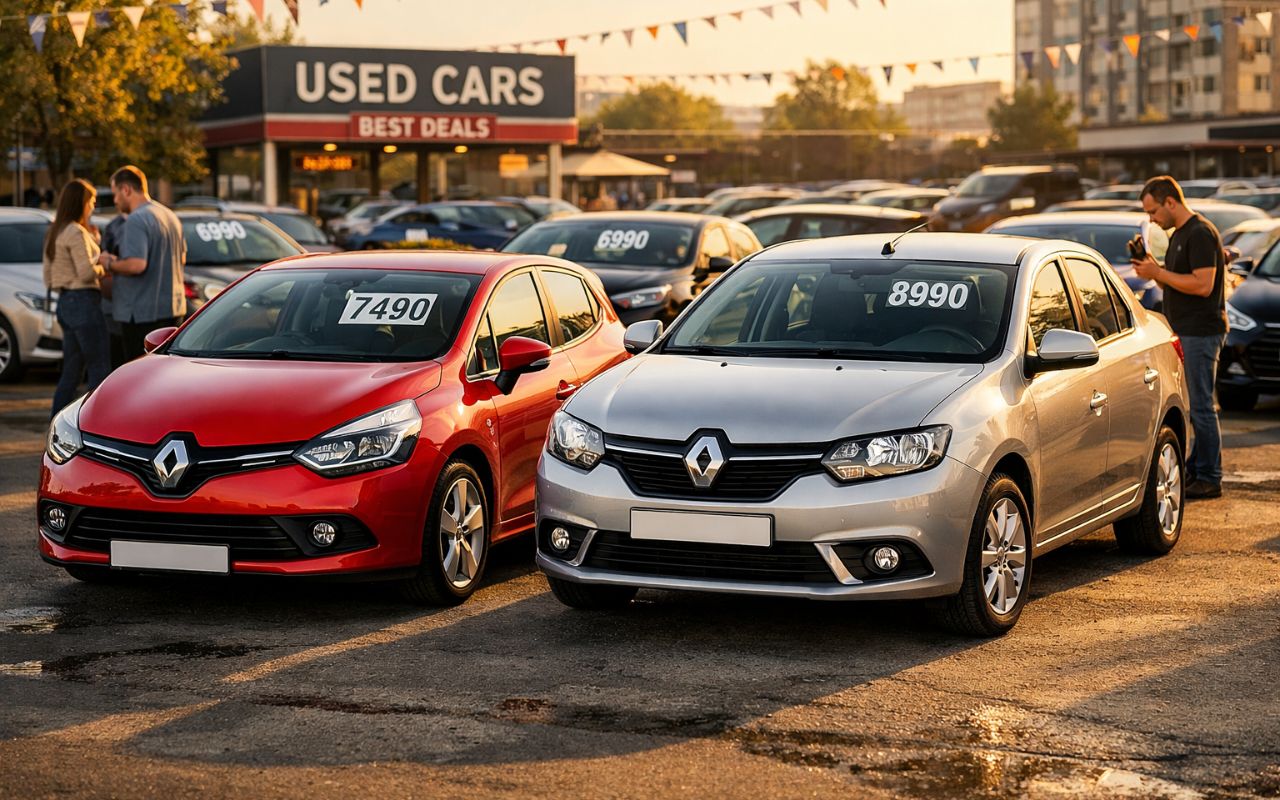
Used cars register strong increase in 2026 in Brazil, driven by inflation of new vehicles and change in consumer behavior.
The market for used cars in Brazil is experiencing a strong appreciation in 2026, mainly driven by the increase in prices of new vehicles. In the first quarter of the year, prices rose 2.16% compared to the same period in 2025, according to the IBV Auto index released by Banco BV.
The survey covers the entire national territory and highlights a clear change in consumer behavior.
In light of the rising costs of new models and limited income, many Brazilians have started to opt for more affordable alternatives, strengthening the used car market.
-
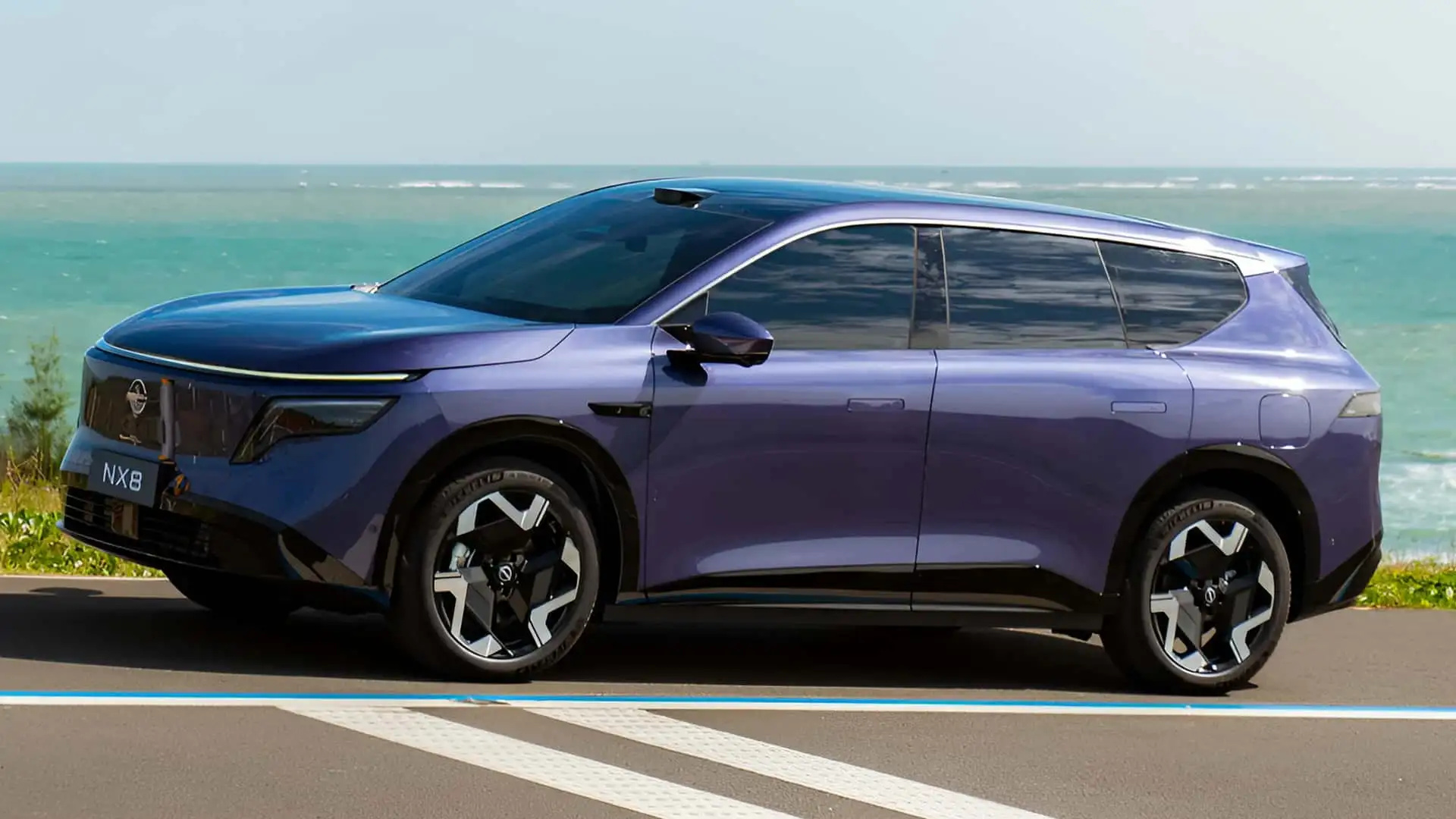
Nissan NX8 prepares a counterattack with a range of 1,450 km, EREV system, and tests already underway in Brazil, in a Japanese response to the offensive from BYD, GWM, and Leapmotor.
-
PRF drones are already fining drivers on federal highways across Brazil, and intelligent monitoring can identify infractions such as using the shoulder, using a cell phone while driving, and not wearing a seatbelt without the need for direct intervention, using authorized video monitoring and specialized technical operation.

-
They catch the eye, but be careful! Some used cars can cause a lot of headaches.
-
While China accelerates with automated factories, Japan assembles the Suzuki Hayabusa almost by hand, piece by piece, with zero tolerance and strict quality control, unit after unit.
Moreover, the monthly increase reinforces this scenario. In March, used cars saw a rise of 0.71%, surpassing the performance recorded in February.
Difference between types of vehicles influences prices of used cars
While the market as a whole shows appreciation, not all segments follow the same trend.
Used cars with combustion engines have recorded price increases, following strong demand.
On the other hand, electrified vehicles are moving in the opposite direction. Electric models launched in 2023 have accumulated a drop of 44.6% up to March 2026, while hybrids have recorded a depreciation of 25.9%.
This scenario is a direct result of competition in the new vehicle sector. Automakers have adopted aggressive pricing policies for electric vehicles, which directly impacts the value of used cars in this segment.
Regions show different behavior in the used car market
The appreciation of used cars also varies by region of the country. In the first quarter, the Northeast led the growth with an increase of 2.30%.
Next, the Southeast showed an increase of 2.17%, indicating that the warming is national, but with different intensities.
Among the states, Pernambuco recorded the highest increase at 3.56%. In the monthly breakdown, São Paulo stood out in March with an increase of 0.97%, surpassing the national average.
Popular used cars sustain increase in the market
The most affordable models continue to be the main contributors to the appreciation of used cars. Among the 20 most traded vehicles during the period, almost all showed a price increase.
The used vehicle market in 2026 presents a scenario of recovery and dynamism, as indicated by the latest data. In the first quarter of the year, a +2.16% increase in prices was recorded, representing the largest accumulated growth for this period since 2022.
This advance demonstrates a warming of the sector, possibly driven by factors such as higher demand for more affordable vehicles and economic conditions that favor consumption in the secondary market.

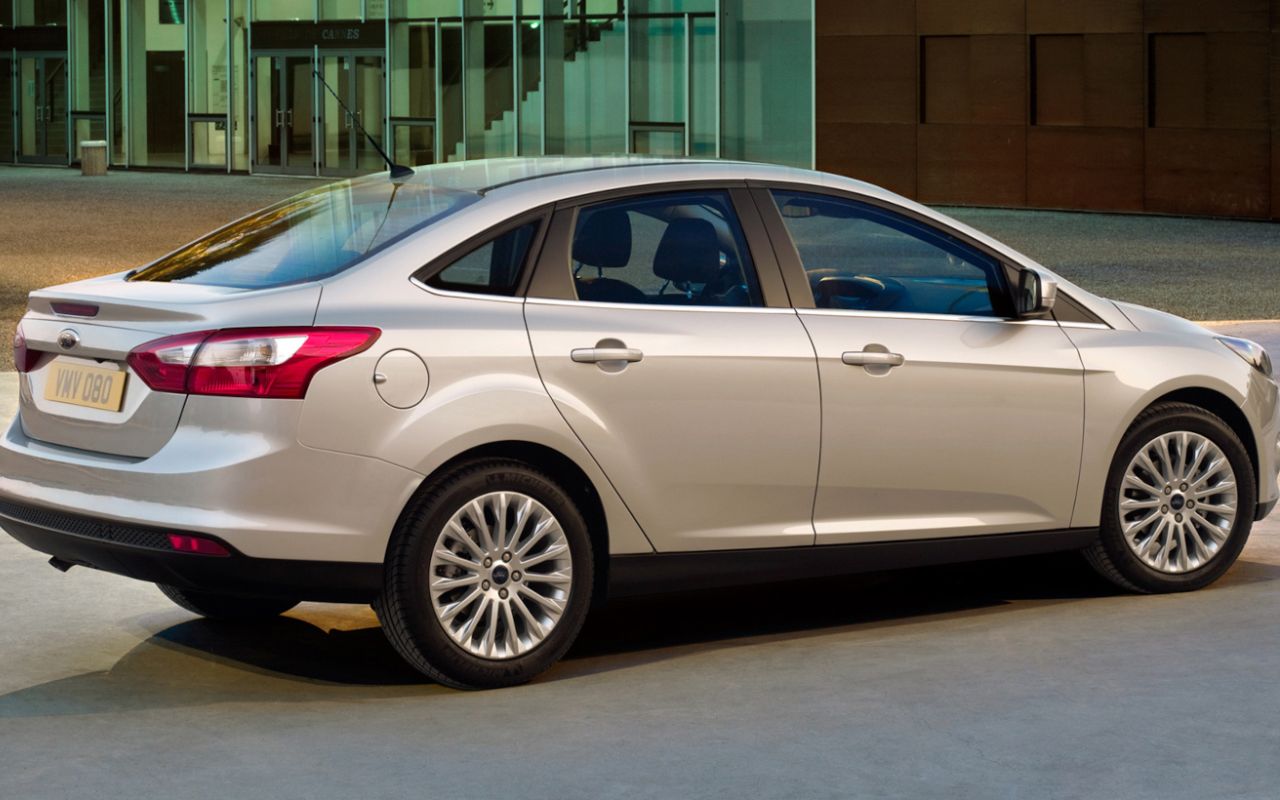
When analyzing performance by model and brand, it is observed that some automakers have stood out significantly. Renault and Ford lead the highest increases, with emphasis on the Renault Clio, which recorded an impressive +57.8% appreciation.
Next are the Logan, with +49.9%, and the Ford Focus, with +44.9%. These numbers indicate strong demand for these models, whether for cost-effectiveness, reliability, or availability in the market.
On the other hand, there are cases of greater stability, such as the Jeep Renegade, which showed a variation of +1.2%. This result indicates a more balanced price behavior, being the model with the least positive fluctuation among those analyzed, which may reflect a more adjusted supply and demand.
In contrast, Volkswagen showed price drops in some models. The T Cross fell by -5.4%, while the Nivus dropped by -3.5%. These data may indicate lower demand or greater supply of these vehicles in the used market.
Overall, the scenario reveals a heterogeneous market, with strong appreciations in some models, stability in others, and occasional drops, highlighting the complexity and multiple influences on prices in the used automotive sector.
The only exception was the GM Classic, which recorded a slight drop of 0.2%. Still, the overall scenario remains positive.
This behavior reinforces the preference for vehicles with simple maintenance and low cost, characteristics that directly influence appreciation.
Change in consumption strengthens the used car market
The appreciation of used cars does not happen by chance. The increase in prices of new vehicles, combined with the difficulty of accessing credit, has led consumers to seek more economical options.
Moreover, the income of the population has not kept pace with inflation in the automotive sector, which limits the purchase of zero-kilometer models.
According to Jamil Ganan, Vice President of Retail at Banco BV:
“The inflationary movement that affected the price of zero-kilometer vehicles has caused a change in the purchasing profile of the average consumer, as the increase was not accompanied by a proportional increase in income, leading more people to opt for older vehicles.”
Thus, the market is reorganizing to meet a demand increasingly focused on cost-effectiveness.
Expectations indicate continuity in the appreciation of used cars
The trend is that used cars will continue to rise throughout 2026, although with variations among different segments.
Popular models are expected to remain appreciated, driven by constant demand. In contrast, electrified vehicles may continue to face price drops.
Additionally, economic factors such as interest rates, inflation, and income will continue to directly influence market behavior.
In light of this scenario, used cars gain even more relevance in Brazil. They become the main alternative for consumers seeking mobility without compromising their budget.
However, it is essential to evaluate carefully before purchasing. Checking the condition of the vehicle, history, and maintenance costs remains fundamental.
Thus, even with appreciation, the market continues to offer opportunities — both for those who want to buy and for those who wish to sell at a favorable moment.
With information from IG Carros.








Seja o primeiro a reagir!