





 Portuguese
  English
  Spanish
 3 min of reading


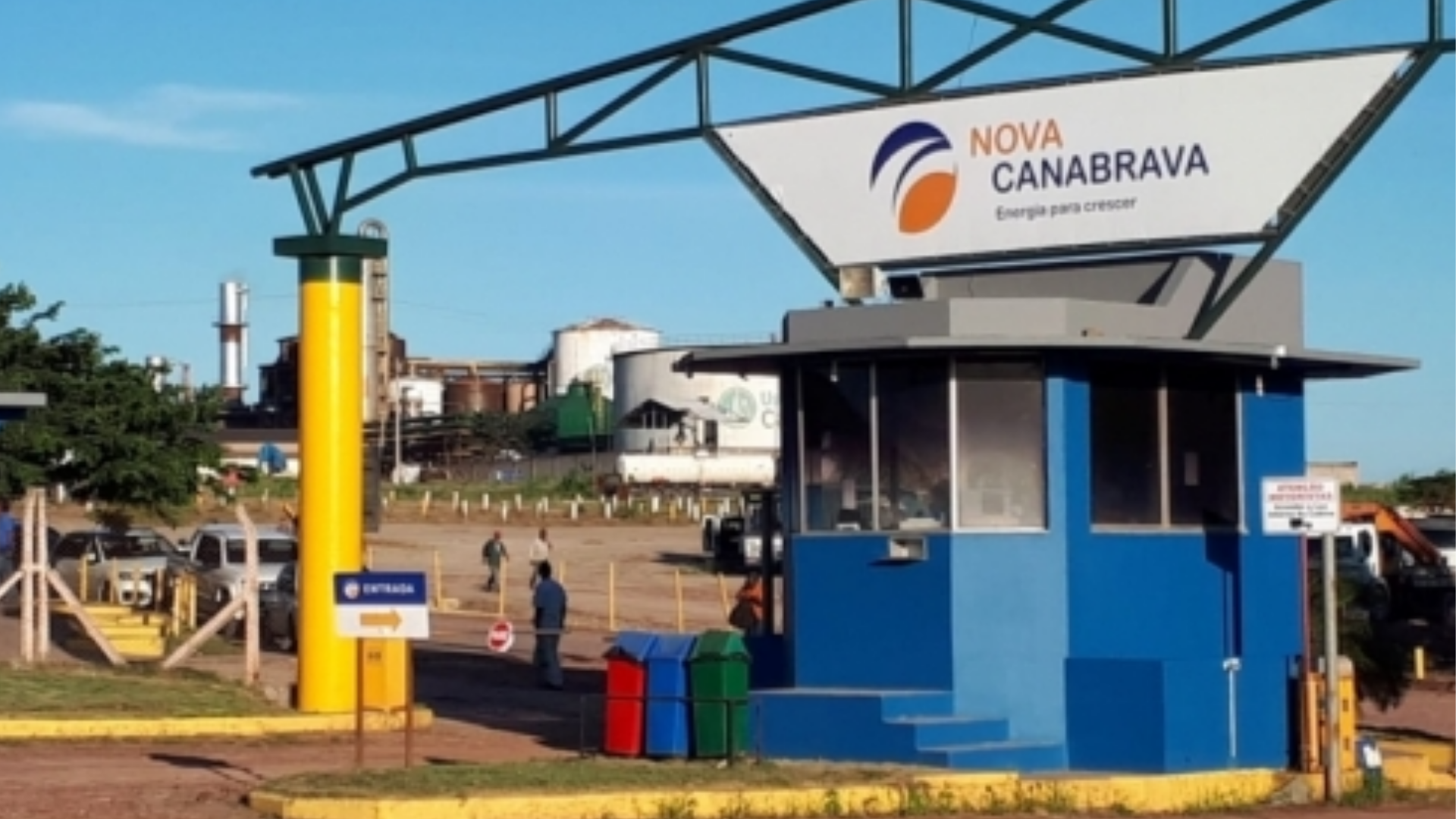
The Nova Canabrava Plant, in the State of Rio de Janeiro, Has Been Authorized to Produce Ethanol Normally, Following Sefaz-RJ Resolution
Last Monday (07/05), the State Treasury Department of Rio announced that it will be reactivating the state registration of the Nova Canabrava Plant, located in Campos dos Goytacazes, in the State of Rio de Janeiro. This act will allow the facility to resume ethanol production normally, which should reassure sugarcane producers and industry workers. See also: R$ 400 million in investments are expected in a new ethanol and energy plant in Bahia. 8,000 jobs may be generated at the site
- Metallic wood begins to be manufactured; the material finer than aluminum foil and stronger than titanium supports more than 50 times its own weight without yielding!
- Amid the water crisis, solar and wind energy generation is hitting records in the Northeast
- Australian mining company invests US$ 6 billion to build a green hydrogen plant in Ceará
- GM plans to extract lithium independently and use it in its electric car batteries
- Repsol Sinopec Brazil invests in the use of robots for FPSO tank maintenance
Reason for the Plant’s Production Shutdown
The procedure that penalized the Nova Canabrava Plant, according to the Treasury, was a result of the State Revenue Auditors finding “acts and legal businesses deemed to be simulated (when the taxpayer seeks to conceal the occurrence of the taxable event and the nature of the underlying tax obligation to evade taxes).”
In this case, according to the resolution, all taxpayers in this situation will have the right to keep their registration active until a definitive decision is made on the administrative process initiated to assess the appeal against the infraction notice.
-
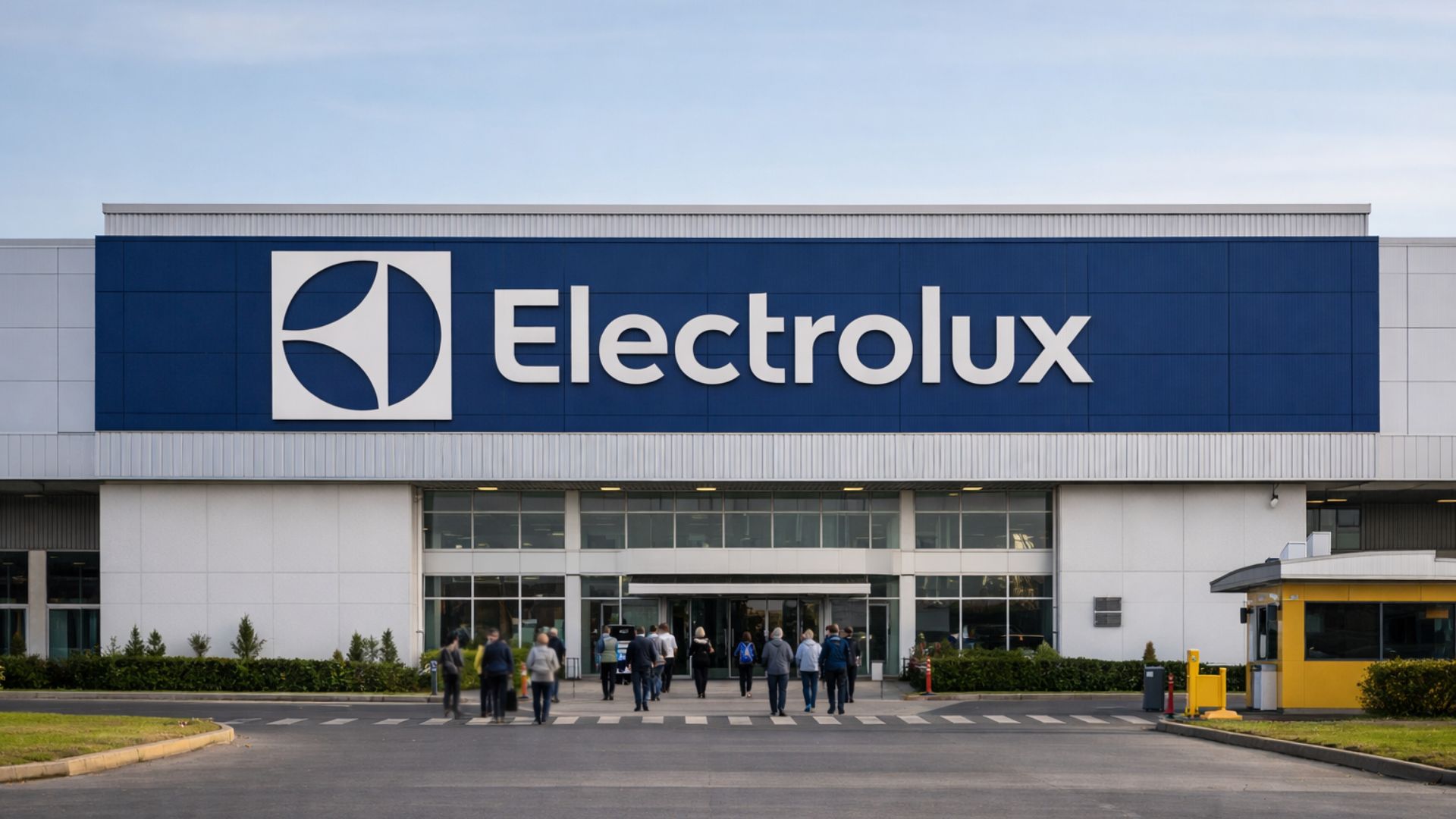
Electrolux surprises, closes colossal factory and lays off 400 people in a mass dismissal that will have a direct effect later this year, following a cost review, with an impact of R$ 272.5 million and R$ 109 million in cash in Chile.
-
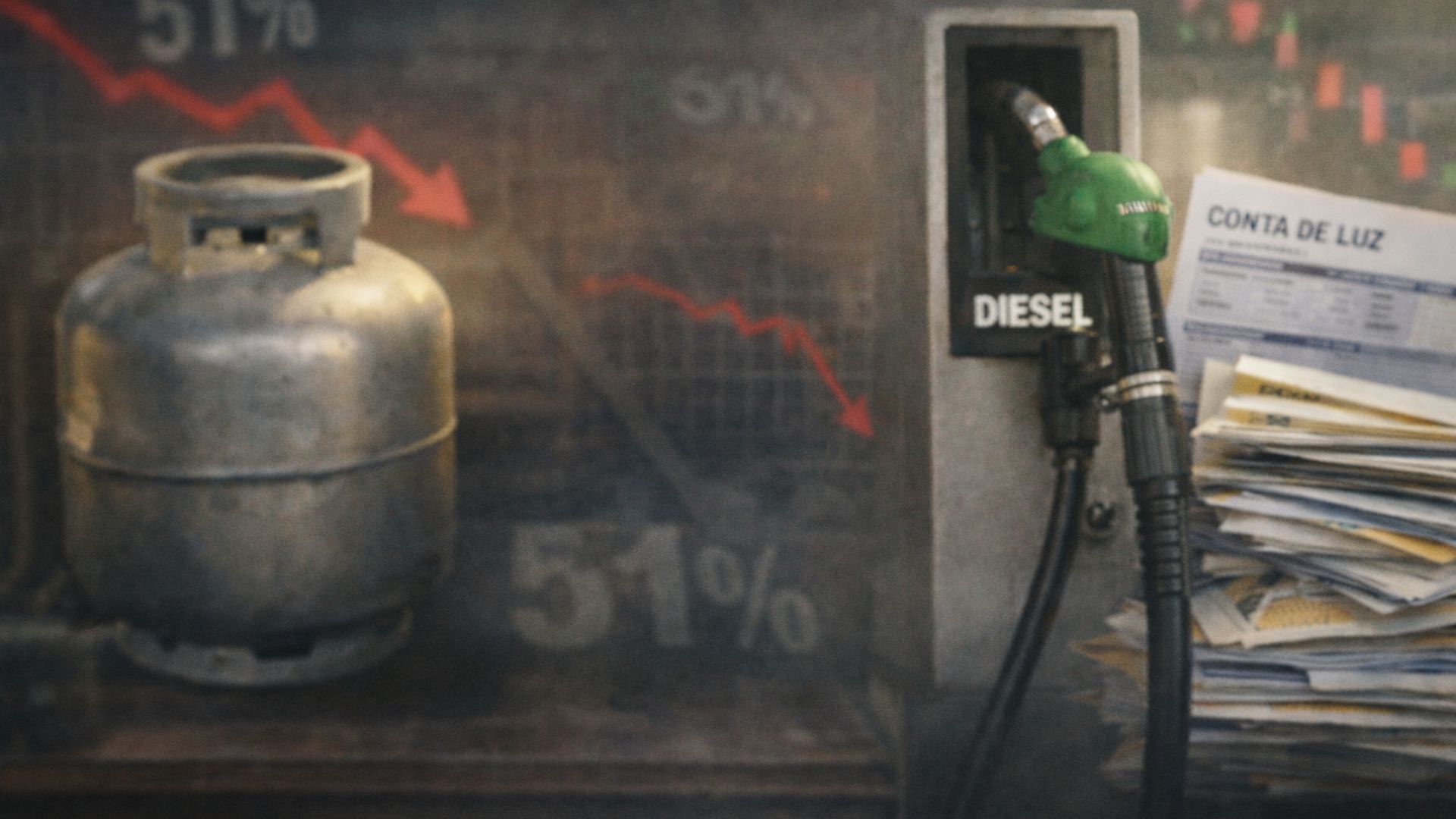
The Lula government is pursuing re-election and is therefore preparing a package with discounts of up to 80% on debts, subsidies for diesel, gas for 15 million, and energy, after reaching 51% disapproval six months before the election.
-
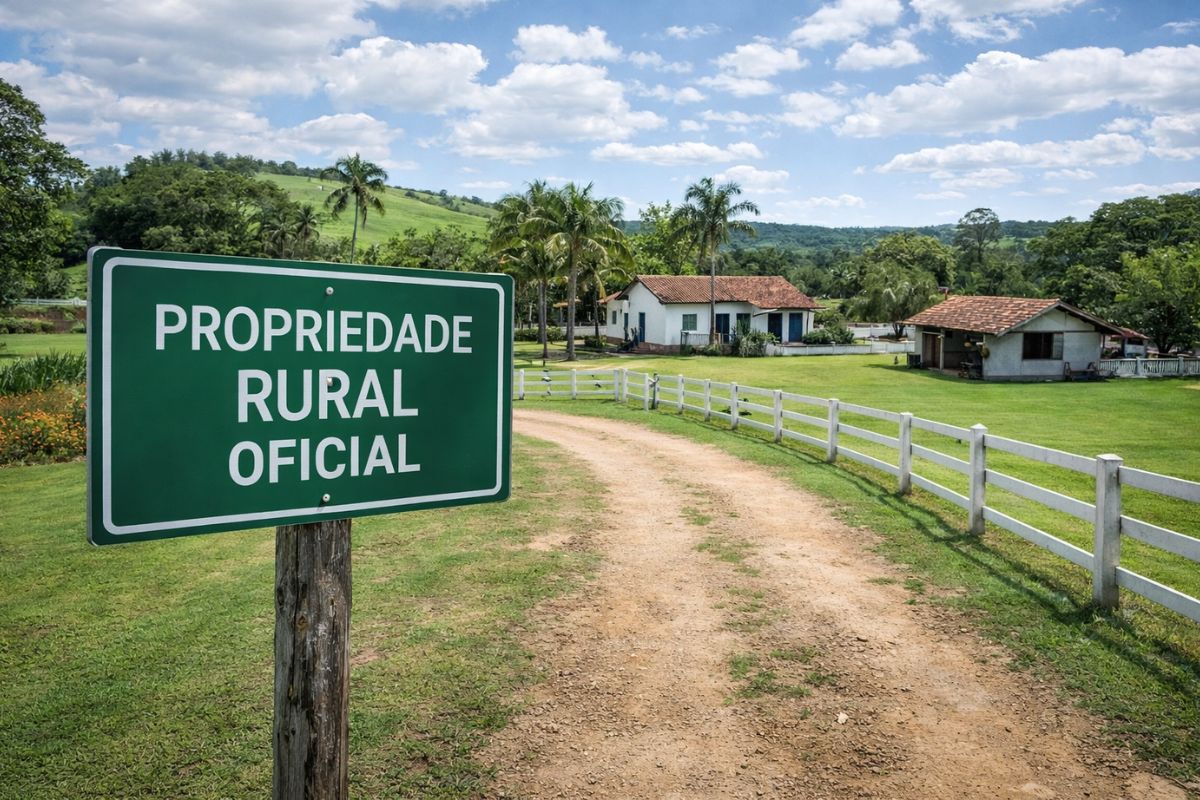
The chamber approves a project that transforms plots of up to 2,000 square meters into official rural properties, allowing thousands of small producers who were invisible to the government to now access credit, tax exemptions, and technical assistance.
-
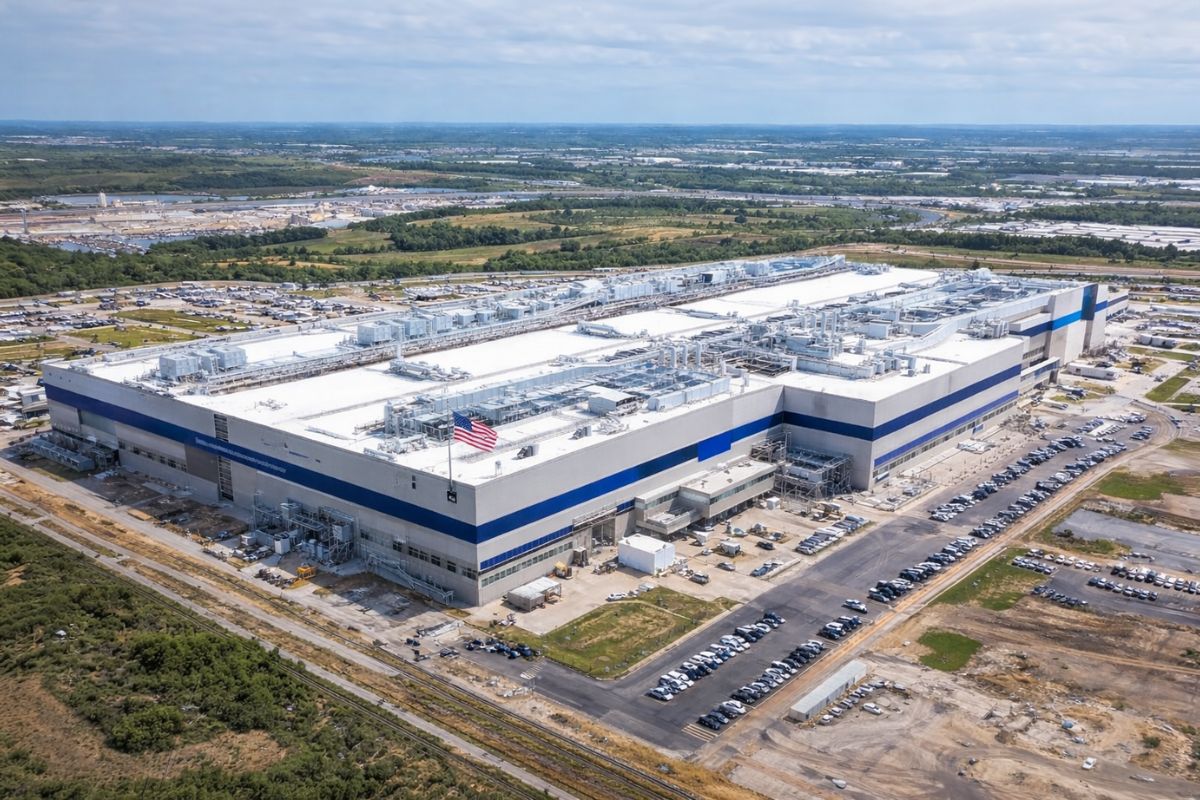
Factory 52, in the USA, cost over $5 billion, covers 270,000 square meters, and manufactures cutting-edge chips: it was named Project of the Year by the world’s largest engineering magazine, marking the global race for semiconductors.
Ethanol Plant Workers Held Protests
Some employees of the Plant held a demonstration last Friday, at KM 16 of BR-101, in the district of Travessão, in Campos dos Goytacazes, in the State of Rio de Janeiro, demanding the return of functions at the company. The protesters used burning tires and tree branches to block vehicle passage on the highway and also at the accesses to the neighborhoods of the district of Travessão.
In the local streets, there was congestion of trucks and trailers, mainly used by the company’s suppliers and service providers. “We want to work” was one of the phrases most used in the protest by the participants. According to the protesters, the plant has not been able to sell ethanol and employees cannot work normally either.
See Also: R$ 250 Million Will Be Invested in Corn Ethanol Plant in Mato Grosso, Becoming Brazil’s First Plant to Have a Negative Carbon Footprint
FS Bioenergia, the largest corn ethanol producer in the country, will make investments of around R$ 250 million to implement a bioenergy system with carbon capture and storage at its plant, located in Lucas do Rio Verde, in Mato Grosso. The venture will be the first in Brazil to have a negative carbon footprint – that is, it will store more carbon than it emits.
FS Bioenergia will capture, compress, and transport the carbon produced at the plant to an underground storage site. The company has contracted geological and seismic studies to define the exact location of the carbon injection at the plant in Mato Grosso.
Rafael Abud, president of the company, said in an interview with Estadão that they completed the initial viability stage, which determined that the geological condition of the region of the plant is good. According to him, they are now conducting seismic studies to ensure the site’s viability to move forward with the carbon project construction at the plant.








Seja o primeiro a reagir!